
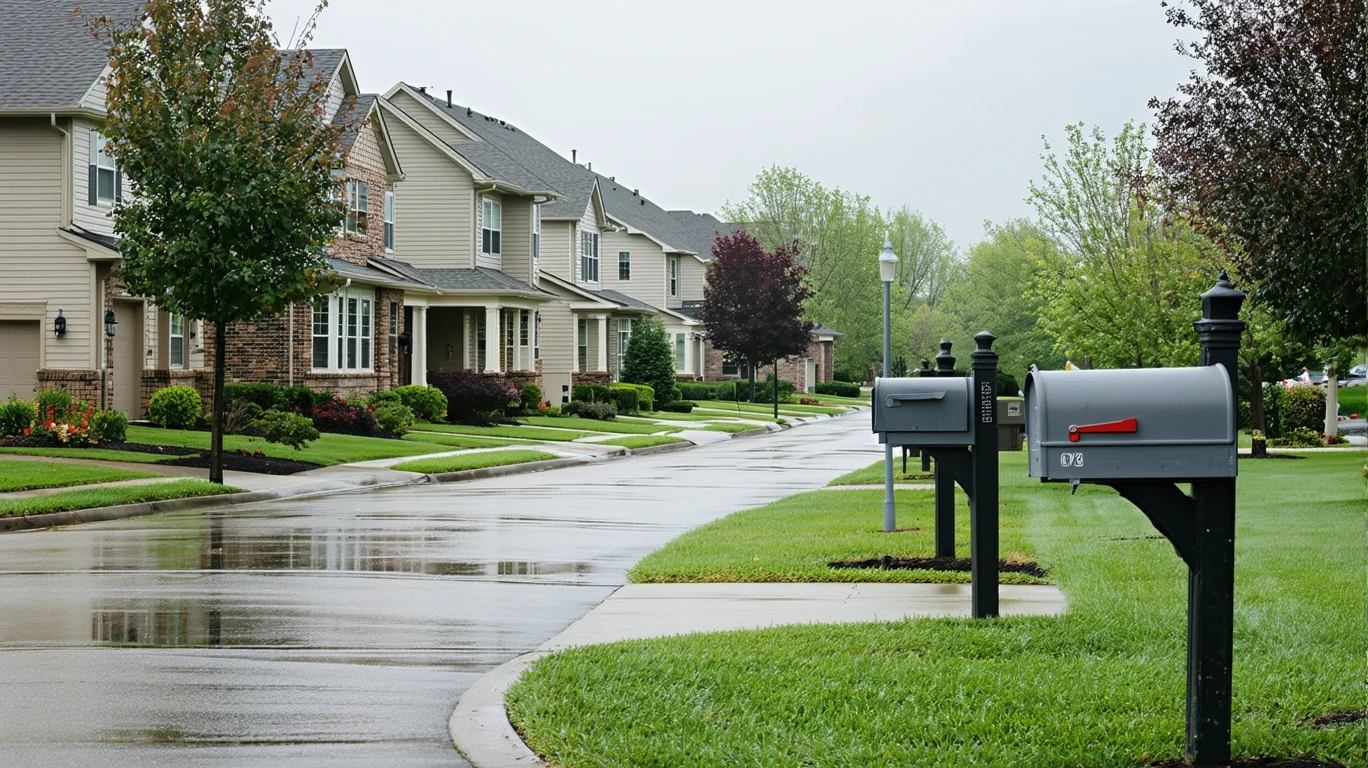
Lake Forest and Fullerton sit just miles apart in Orange County, sharing the same regional economy, similar weather patterns, and overlapping job markets. Yet the two cities distribute cost pressure in fundamentally different ways. Lake Forest concentrates financial weight at the housing entry point—whether renting or buying—while offering predictable ongoing costs and strong family infrastructure. Fullerton spreads pressure more evenly across rent, commute friction, and utility volatility, but provides rail transit access and a more urban-feeling streetscape. For households deciding between them in 2026, the choice hinges less on total affordability and more on which costs dominate daily life and which tradeoffs feel manageable.
Both cities attract families, commuters, and professionals navigating Orange County’s expensive housing market, but they appeal to different strategies for managing that expense. Lake Forest suits households willing to absorb higher upfront housing costs in exchange for space, newer construction, and lower transportation exposure. Fullerton fits those prioritizing rental affordability, transit optionality, and walkable errands—even if it means accepting longer commutes and less predictable utility bills. Neither city is universally cheaper; each simply asks households to carry weight in different places.
This comparison explains where cost pressure shows up in each city, how it behaves for different household types, and which structural differences matter most when the same income feels stable in one place and tight in the other.
Housing Costs
Housing dominates the cost experience in both cities, but Lake Forest and Fullerton structure that pressure differently. Lake Forest’s median home value sits at $836,800, while Fullerton’s reaches $791,000—a difference that matters most at the point of entry, when buyers calculate down payments, closing costs, and mortgage qualification thresholds. For renters, the gap widens further: Lake Forest’s median gross rent stands at $2,482 per month, compared to Fullerton’s $1,989 per month. That monthly difference represents ongoing obligation, not a one-time hurdle, and it compounds over lease renewals and multi-year stays.
The structural difference extends beyond price points. Lake Forest’s housing stock skews newer, with more single-family homes, planned communities, and HOA-managed developments. That translates to predictable maintenance costs, lower immediate repair exposure, and often bundled services like landscaping or trash collection—but also less flexibility in housing form. Fullerton offers more variety: older single-family homes, duplexes, small apartment complexes, and mixed-use buildings near transit corridors. Older housing can mean lower rent or purchase price, but it also introduces variability in utility efficiency, repair timing, and landlord responsiveness. Renters in Fullerton may find more options under $2,000 per month, but those units often come with trade-offs in size, age, or location relative to work and errands.
For first-time buyers, Lake Forest’s higher home values create a steeper qualification barrier, requiring larger savings and higher income documentation. Fullerton’s slightly lower entry point doesn’t eliminate that pressure—it simply shifts the threshold down by a margin that matters most to households near the edge of mortgage approval. For families prioritizing space, Lake Forest’s housing stock delivers more square footage per dollar in newer construction, while Fullerton’s older homes may offer larger lots but require more upfront assessment of deferred maintenance. Renters face a simpler calculus: Lake Forest asks for higher monthly commitment in exchange for newer units and family-oriented neighborhoods, while Fullerton offers lower rent with more variability in unit quality and commute proximity.
| Housing Type | Lake Forest | Fullerton |
|---|---|---|
| Median Home Value | $836,800 | $791,000 |
| Median Gross Rent | $2,482/month | $1,989/month |
| Typical Housing Form | Newer single-family, planned communities | Mixed: older single-family, duplexes, apartments |
| Renter Flexibility | Limited options below $2,400/month | More options below $2,000/month |
Housing takeaway: Lake Forest concentrates cost pressure at the entry point—higher rent, higher home values, steeper down payment requirements—but delivers predictability and newer construction. Fullerton spreads pressure across a wider range of housing types and price points, offering lower monthly rent and purchase thresholds but introducing more variability in unit age, maintenance exposure, and commute proximity. Renters sensitive to monthly obligation may find Fullerton more accessible; buyers prioritizing space and low ongoing repair risk may prefer Lake Forest’s newer stock despite the higher upfront cost. Families managing tight budgets face a choice: absorb higher housing costs in Lake Forest and gain predictability, or accept Fullerton’s variability in exchange for lower monthly rent and more transit optionality.
Utilities and Energy Costs
Utility costs in Lake Forest and Fullerton reflect different exposure patterns, driven by electricity rate structures, housing age, and cooling demands in Southern California’s warm, dry climate. Fullerton’s electricity rate stands at 34.71¢/kWh, while Lake Forest’s sits at 30.29¢/kWh—a difference that compounds over months of air conditioning use during extended summer heat. Natural gas pricing reverses slightly: Lake Forest shows $22.96/MCF compared to Fullerton’s $21.89/MCF, though gas usage remains minimal in a region where heating needs are light and cooling dominates energy bills.
The rate difference matters most for households living in larger homes or older construction. In Lake Forest, newer housing stock often includes better insulation, dual-pane windows, and more efficient HVAC systems, reducing the volume of electricity needed to maintain comfort during triple-digit summer days. Fullerton’s older housing stock—common in neighborhoods built before modern efficiency standards—can drive higher cooling usage even at moderate temperatures, and that higher usage collides with a higher per-kilowatt-hour rate. A family in a 1,500-square-foot apartment in Fullerton may experience more volatile summer bills than a similar household in a newer Lake Forest townhome, even if both run air conditioning at similar hours.
Household size and daily routines amplify these differences. Single adults or couples working outside the home may avoid peak cooling costs by keeping thermostats higher during the day, but families with young children, remote workers, or elderly members often need consistent climate control regardless of time-of-use pricing. In Fullerton, that obligation intersects with both higher electricity rates and older housing stock, creating compounding exposure. Lake Forest’s lower rate and newer construction offer more predictability, though larger single-family homes still generate substantial summer bills when cooling multiple bedrooms and living spaces. Renters in both cities face limited control over building efficiency—landlords determine insulation quality, window type, and HVAC age—but Fullerton’s higher rate means less room for error when a unit’s infrastructure underperforms.
Water and trash services vary by provider and housing type. In some Lake Forest neighborhoods, HOA fees bundle trash, landscaping, and water into a single monthly charge, reducing billing complexity but removing line-item visibility. Fullerton residents more often pay utilities separately, which increases administrative friction but allows households to track and adjust usage more granularly. Neither structure is universally better; the difference matters most to households managing tight monthly cash flow or those who value transparency over convenience.
Utility takeaway: Fullerton’s higher electricity rate and older housing stock create more volatile summer cooling costs, especially for families or remote workers who need consistent climate control. Lake Forest’s lower rate and newer construction offer more predictable bills, though larger homes still generate substantial seasonal exposure. Households in older Fullerton units face compounding pressure from both rate structure and building efficiency, while Lake Forest renters and buyers benefit from infrastructure that reduces usage volume. The primary difference is predictability: Lake Forest delivers more stable utility costs across housing types, while Fullerton introduces variability that depends heavily on unit age, size, and landlord investment in efficiency upgrades.
Groceries and Daily Expenses
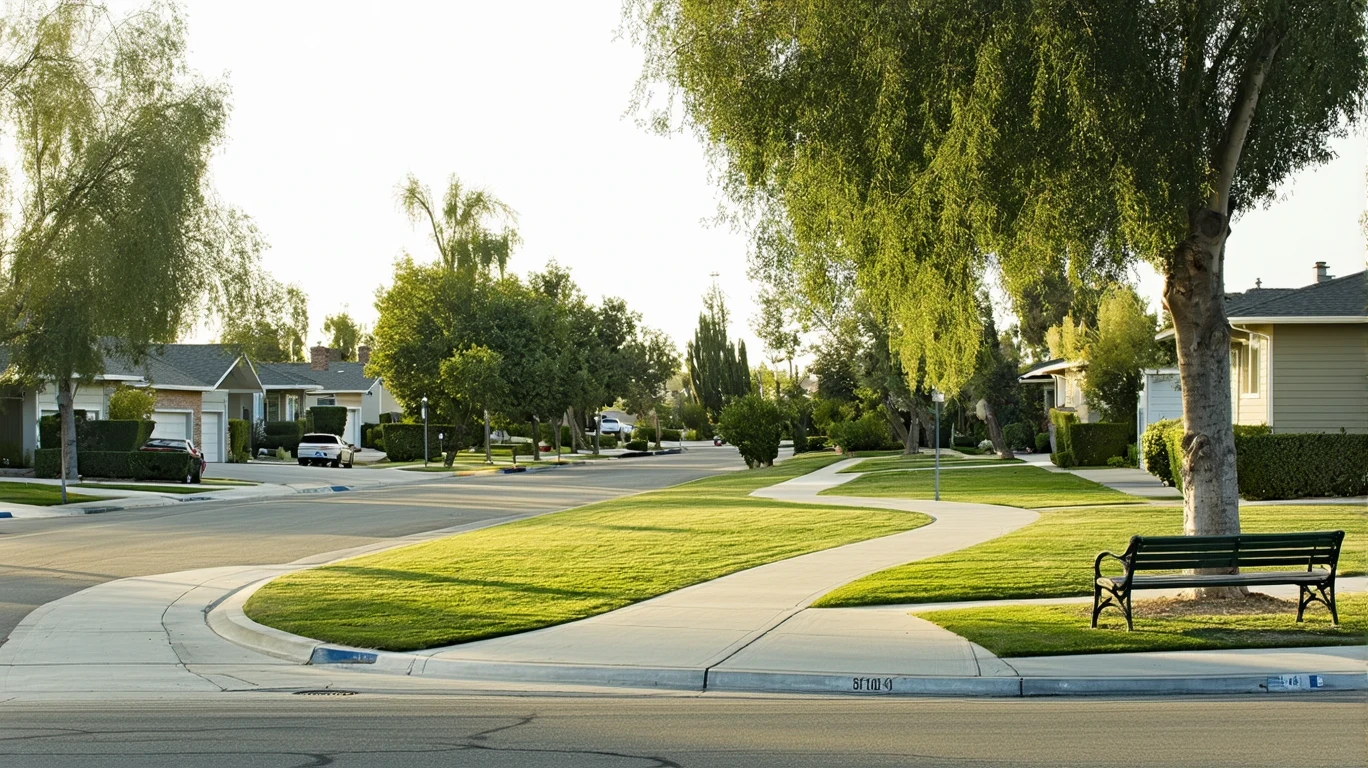
Both Lake Forest and Fullerton show high food and grocery establishment density, meaning residents in either city can access supermarkets, specialty stores, and prepared food options without long drives or logistical friction. The experiential signals confirm broadly accessible errands in both places—food density and grocery density both exceed high thresholds—so the cost difference comes less from availability and more from household strategy: how often families cook at home, how much they rely on convenience spending, and whether they prioritize discount chains or specialty retailers.
Lake Forest’s layout and demographics skew toward larger households managing weekly grocery runs at big-box stores, warehouse clubs, and chain supermarkets. Families buying in bulk can stretch budgets further, but that strategy requires upfront cash, storage space, and reliable transportation. Fullerton’s more urban texture and mixed land use support a different pattern: smaller, more frequent shopping trips at neighborhood grocers, ethnic markets, and corner stores. That flexibility suits single adults, couples, and smaller households, but per-unit pricing often runs higher when buying in smaller quantities. A family of four in Lake Forest might spend less per meal by buying bulk chicken, rice, and produce, while a couple in Fullerton pays more per pound but avoids food waste and storage constraints.
Dining out and convenience spending introduce another layer of cost pressure. Fullerton’s walkable pockets and mixed-use corridors make it easier to grab coffee, pick up takeout, or meet friends at casual restaurants without driving. That convenience reduces transportation friction but increases the temptation to spend on prepared food rather than cooking at home. Lake Forest’s car-oriented layout and residential clustering mean fewer spontaneous dining decisions—households plan meals and errands around driving routes—but that structure also reduces impulse spending. A household in Fullerton might spend more on coffee and lunch simply because options sit within walking distance, while a Lake Forest household avoids that creep by default but absorbs higher gas costs when driving to the same types of establishments.
Price sensitivity varies by household income and grocery volume. Families managing larger weekly grocery budgets feel price differences more acutely, whether shopping at discount chains or specialty stores. Single adults and couples with smaller carts experience less absolute cost variation, but they also have less room to absorb price increases when staples like eggs, milk, or bread fluctuate. In both cities, access to discount retailers, farmers markets, and ethnic grocers exists, but Lake Forest’s layout favors bulk buying and planned trips, while Fullerton’s density supports flexible, smaller purchases that cost more per unit but require less upfront cash.
Grocery takeaway: Lake Forest suits households that can buy in bulk, plan weekly trips, and absorb upfront grocery costs in exchange for lower per-unit pricing. Fullerton fits smaller households or those prioritizing flexibility, walkable access, and frequent small purchases—even if per-pound pricing runs higher. Families managing large grocery volumes may find Lake Forest’s big-box access more cost-effective, while single adults and couples in Fullerton benefit from convenience and reduced food waste. The primary difference is strategy: Lake Forest rewards planning and volume, while Fullerton supports spontaneity and smaller-scale shopping at the cost of higher per-unit prices and more frequent convenience spending.
Taxes and Fees
Property taxes, sales taxes, and local fees structure ongoing cost obligations differently in Lake Forest and Fullerton, though both cities operate under California’s Proposition 13 framework, which caps annual property tax increases at 2% for existing homeowners. New buyers in either city face reassessment at purchase price, meaning recent buyers carry higher tax burdens than long-term residents in identical homes. Lake Forest’s higher median home value translates to higher absolute property tax bills for new buyers, though the rate structure remains similar across Orange County. Fullerton’s lower home values reduce that initial tax obligation, but the difference matters most in the first few years of ownership—over time, both cities’ tax bills rise at the same capped rate.
Sales tax rates in Orange County apply uniformly across both cities, so households don’t experience point-of-sale differences when buying groceries, gas, or retail goods. The cost pressure instead comes from spending volume and category mix: families making larger purchases—furniture, electronics, vehicles—pay the same percentage but higher absolute amounts, regardless of city. Local fees introduce more variability. Lake Forest’s prevalence of HOA-managed communities means many homeowners pay monthly fees covering landscaping, trash collection, street maintenance, and sometimes water or insurance. Those fees range widely depending on neighborhood and amenities, but they bundle services that Fullerton residents often pay for separately. Fullerton homeowners in older, non-HOA neighborhoods avoid monthly association fees but absorb direct costs for trash, yard care, and exterior maintenance.
Renters in both cities typically see fewer direct fees—landlords absorb property taxes and most service costs—but those expenses still shape rent levels indirectly. In Lake Forest, higher property values and HOA fees push baseline rents higher, while Fullerton’s lower property taxes and fewer bundled services allow landlords to offer lower monthly rates. Renters in HOA-managed Lake Forest complexes may benefit from included amenities like pools, gyms, or gated entry, but they pay for those features whether they use them or not. Fullerton renters in older buildings gain more control over which services they pay for, but they also face more variability in landlord responsiveness and building upkeep.
Parking fees, permit costs, and utility connection charges vary by housing type and provider rather than city policy. Both Lake Forest and Fullerton require trash service, but billing structures differ: some Lake Forest neighborhoods bundle it into HOA fees, while Fullerton residents more often contract directly with waste haulers. Water and sewer fees depend on the local district, and both cities include areas served by different providers, so generalizations break down at the neighborhood level. Households planning to stay several years should verify which fees are fixed, which escalate annually, and which services are bundled versus itemized.
Taxes and fees takeaway: Lake Forest’s higher home values generate higher property tax bills for new buyers, and HOA fees add predictable but non-negotiable monthly costs. Fullerton’s lower home values reduce initial tax exposure, and fewer HOA-managed neighborhoods mean more control over service costs but also more administrative friction. Homeowners prioritizing bundled services and predictable fees may prefer Lake Forest’s HOA structure, while those wanting line-item control and lower baseline obligations may find Fullerton’s fee landscape more flexible. Renters feel these differences indirectly through rent levels, with Lake Forest’s higher fees and taxes contributing to higher monthly rent, and Fullerton’s lower property tax base allowing slightly more affordable rental options.
Transportation & Commute Reality
Transportation costs in Lake Forest and Fullerton diverge sharply in structure, even though both cities require car ownership for most households. Fullerton provides measurable commute data: the average commute runs 30 minutes, and 46.5% of workers face long commutes, defined as travel times exceeding typical thresholds. Lake Forest lacks comparable commute metrics in the available data, but its higher gas price—$5.83/gal compared to Fullerton’s $4.63/gal—means every mile driven costs more at the pump. For households commuting daily, that per-gallon difference compounds across weeks and months, especially for those driving longer distances or operating less fuel-efficient vehicles.
Fullerton’s rail transit presence changes the calculus for some households. The city offers rail service in addition to bus routes, providing an alternative to driving for workers commuting to job centers accessible by train. That optionality doesn’t eliminate car dependence—most errands, school runs, and weekend trips still require driving—but it reduces per-mile exposure for daily commuters willing to structure their routines around transit schedules. Lake Forest shows bus service but no rail, meaning households rely entirely on cars for commuting unless employers sit within bus-route reach. The experiential signals confirm walkable pockets in both cities, but those pockets support errands and daily life more than work commutes, which typically extend beyond neighborhood boundaries.
Bike infrastructure offers another distinction. Lake Forest shows notable cycling infrastructure with a high bike-to-road ratio, while Fullerton’s bike presence registers as some_pockets with a medium ratio. For households using bikes for errands, exercise, or short trips, Lake Forest’s infrastructure reduces reliance on cars for non-commute travel. Fullerton’s more limited bike network means cycling remains viable in certain neighborhoods but less practical city-wide. Neither city eliminates car dependence, but Lake Forest’s bike infrastructure and Fullerton’s rail access each reduce driving exposure in different contexts—recreation and errands versus work commutes.
The interaction between commute length, gas prices, and transit access matters most for households where one or both adults work outside the home. A Fullerton household with one partner commuting by rail avoids daily gas costs and vehicle wear, even if the other partner drives. A Lake Forest household with both partners driving absorbs higher per-gallon costs on every trip, and without rail optionality, reducing that exposure requires either shorter commutes, remote work, or carpooling. Families managing school drop-offs, after-school activities, and weekend errands face similar car dependence in both cities, but Lake Forest’s higher gas price increases the cost of every trip, while Fullerton’s lower price offers slight relief even as commute times stretch longer.
Transportation takeaway: Fullerton’s rail transit and lower gas price reduce per-mile costs for daily commuters, though nearly half of workers still face long commutes. Lake Forest’s higher gas price increases driving costs across all trip types, but notable bike infrastructure offers an alternative for errands and recreation. Households with one partner able to commute by rail may find Fullerton’s transit access valuable despite longer average commute times, while those driving daily in Lake Forest absorb higher fuel costs with fewer alternatives. The primary difference is optionality: Fullerton provides rail transit for some commuters, while Lake Forest relies entirely on cars but supports bike use for non-commute trips.
Cost Structure Comparison
Housing pressure dominates both cities, but Lake Forest concentrates that weight at the entry point—higher rent, higher home values, steeper qualification thresholds—while Fullerton spreads cost exposure across monthly rent, commute friction, and utility volatility. Households absorbing Lake Forest’s upfront housing costs gain predictability: newer construction, lower utility rates, and stable ongoing expenses. Fullerton asks for less at the front door but introduces variability in older housing stock, higher electricity rates, and longer commutes that compound transportation costs over time.
Utilities introduce more volatility in Fullerton, where higher electricity rates and older housing stock create compounding exposure during cooling season. Lake Forest’s lower rate and newer construction deliver more predictable bills, though larger single-family homes still generate substantial seasonal costs. For families managing tight monthly cash flow, Fullerton’s utility exposure can erode the savings gained from lower rent, especially in older units with inefficient HVAC systems. Lake Forest’s utility predictability matters most to households prioritizing stable monthly obligations over lower entry costs.
Transportation patterns matter more in Fullerton, where rail transit offers an alternative to daily driving for some commuters, even as nearly half of workers face long commutes. Lake Forest’s higher gas price increases per-mile costs across all trip types, but notable bike infrastructure reduces car dependence for errands and recreation. Households with one partner able to commute by rail may find Fullerton’s structure more flexible, while those driving daily in Lake Forest absorb higher fuel costs without transit alternatives. The difference is less about total transportation spending and more about which households gain optionality and which face locked-in car dependence.
Groceries and daily expenses reflect household strategy more than city-level price differences. Lake Forest rewards bulk buying, planned trips, and volume purchasing, while Fullerton supports smaller, more frequent shopping at the cost of higher per-unit pricing. Families managing large grocery budgets may find Lake Forest’s big-box access more cost-effective, while single adults and couples in Fullerton benefit from walkable errands and reduced food waste. Convenience spending creeps higher in Fullerton’s mixed-use corridors, where coffee shops and takeout sit within walking distance, while Lake Forest’s car-oriented layout reduces impulse dining but increases driving costs for the same activities.
Taxes and fees follow predictable patterns: Lake Forest’s higher home values generate higher property tax bills for new buyers, and HOA fees add bundled services that increase monthly obligations but reduce administrative friction. Fullerton’s lower property taxes and fewer HOA-managed neighborhoods offer more control over service costs but require more direct management of trash, landscaping, and maintenance. Homeowners prioritizing predictability may prefer Lake Forest’s bundled structure, while those wanting line-item control may find Fullerton’s fee landscape more flexible.
The better choice depends on which costs dominate the household. Families sensitive to upfront housing costs and monthly rent may find Fullerton more accessible, even if utility volatility and commute friction offset some savings. Households prioritizing predictable ongoing expenses, newer construction, and family infrastructure may prefer Lake Forest despite higher entry barriers. For single adults and couples, the decision hinges on commute optionality, transit access, and whether walkable errands outweigh higher per-unit grocery pricing. Neither city is cheaper overall—each simply asks households to carry weight in different places.
How the Same Income Feels in Lake Forest vs Fullerton
Single Adult
For a single adult, housing becomes the first non-negotiable cost, and Fullerton’s lower median rent offers more breathing room at the start of each month. Flexibility exists in grocery spending, dining out, and transportation—choices that feel more controllable when rent doesn’t consume the majority of take-home pay. In Lake Forest, higher rent compresses that flexibility, requiring tighter discipline around convenience spending and fewer spontaneous purchases. Commute friction plays a larger role in Fullerton, where longer average commutes and rail transit access create a choice: absorb time costs by taking transit, or absorb fuel costs by driving. Lake Forest’s higher gas price removes that optionality, making every car trip more expensive but offering notable bike infrastructure for errands that don’t require highway travel.
Dual-Income Couple
A dual-income couple faces housing pressure in both cities, but Lake Forest’s higher rent or mortgage payment becomes more manageable when two incomes combine. Flexibility shifts toward transportation and utilities: in Fullerton, one partner commuting by rail reduces daily driving costs, while the other absorbs higher electricity bills in an older apartment. In Lake Forest, both partners likely drive, compounding exposure to higher gas prices, but lower utility rates and newer construction stabilize monthly bills. The role of commute friction differs: Fullerton’s rail access matters most when one partner works near a transit corridor, while Lake Forest’s car dependence locks both partners into per-mile costs that rise with every fuel price fluctuation. Grocery strategy becomes more negotiable—couples can buy in bulk in Lake Forest or shop smaller and more frequently in Fullerton—but convenience spending creeps higher in Fullerton’s walkable corridors.
Family with Kids
Families with children face non-negotiable costs that compress flexibility faster: housing, utilities, groceries, and transportation all scale with household size. In Lake Forest, higher rent or mortgage payments concentrate pressure at the front door, but strong family infrastructure—schools and playgrounds both meeting density thresholds—reduces logistical friction and driving costs for after-school activities. Fullerton’s lower rent offers more monthly breathing room, but medium school density and low playground density increase the likelihood of longer drives to parks, programs, or preferred schools. Utilities become less flexible in both cities when families need consistent climate control for young children or remote work, but Fullerton’s higher electricity rate and older housing stock create more volatile summer bills. Grocery volume matters more for families, and Lake Forest’s big-box access supports bulk buying that stretches budgets further, while Fullerton’s smaller-scale shopping costs more per unit but reduces upfront cash requirements. The role of time costs escalates: Fullerton’s longer commutes and limited playground access add driving and scheduling friction, while Lake Forest’s car dependence and higher gas prices increase per-mile exposure but reduce logistical complexity through denser family amenities.
Decision Matrix: Which City Fits Which Household?
| Decision Factor | If you’re sensitive to this… | Lake Forest tends to fit when… | Fullerton tends to fit when… |
|---|---|---|---|
| Housing entry + space needs | You need to minimize upfront costs or monthly rent obligations | You can absorb higher rent or down payment in exchange for newer construction and predictable ongoing costs | You prioritize lower monthly rent and more flexible housing options even if units are older or require more maintenance assessment |
| Transportation dependence + commute friction | You want to reduce per-mile driving costs or gain transit optionality | You can absorb higher gas prices and rely entirely on cars but benefit from notable bike infrastructure for errands | You can use rail transit for daily commutes or prefer lower gas prices even if average commute times run longer |
| Utility variability + home size exposure | You need stable, predictable monthly bills during cooling season | You value lower electricity rates and newer construction that reduces usage volume and seasonal volatility | You can manage higher electricity rates and older housing stock that may increase summer cooling costs |
| Grocery strategy + convenience spending creep | You want to minimize per-unit food costs or control impulse dining | You can plan weekly trips and buy in bulk at big-box stores to lower per-pound pricing | You prefer walkable errands and smaller frequent purchases even if per-unit pricing runs higher and takeout temptation increases |
| Fees + friction costs (HOA, services, upkeep) | You want bundled predictability or line-item control over service costs | You accept HOA fees in exchange for bundled trash, landscaping, and maintenance with less administrative friction | You prefer paying for services separately to maintain control and avoid non-negotiable monthly association fees |
| Time budget (schedule flexibility, errands, logistics) | You need to minimize driving time for family activities or daily errands | You benefit from strong family infrastructure that reduces driving for schools and playgrounds | You can absorb longer commutes and more driving for family amenities in exchange for lower monthly housing costs |
Lifestyle Fit
Lake Forest and Fullerton offer distinct lifestyle textures that indirectly shape cost exposure. Lake Forest’s planned communities, integrated green space, and strong family infrastructure create a suburban environment where parks, playgrounds, and schools sit within short drives of most neighborhoods. The experiential signals confirm park density exceeding high thresholds and both schools and playgrounds meeting density benchmarks, meaning families spend less time driving to recreational spaces and more time using nearby amenities. That proximity reduces transportation costs and time friction, especially for households managing after-school activities, weekend sports, or young children who need frequent outdoor access. Fullerton’s park density also exceeds high thresholds, but playground density falls below low thresholds, meaning families may drive farther to find age-appropriate play spaces even as general green space remains accessible.
Commute times and work-from-home patterns differ measurably. Fullerton’s average commute runs 30 minutes, with 46.5% of workers facing long commutes and 13.1% working from home. That suggests a workforce balancing regional job access with residential affordability, often accepting longer drives or rail commutes to reach employment centers. Lake Forest lacks comparable commute data, but its layout and demographics suggest a similar commuter-suburb profile, with most workers driving to jobs in Irvine, Orange, or other Orange County cities. The presence of rail transit in Fullerton adds optionality