
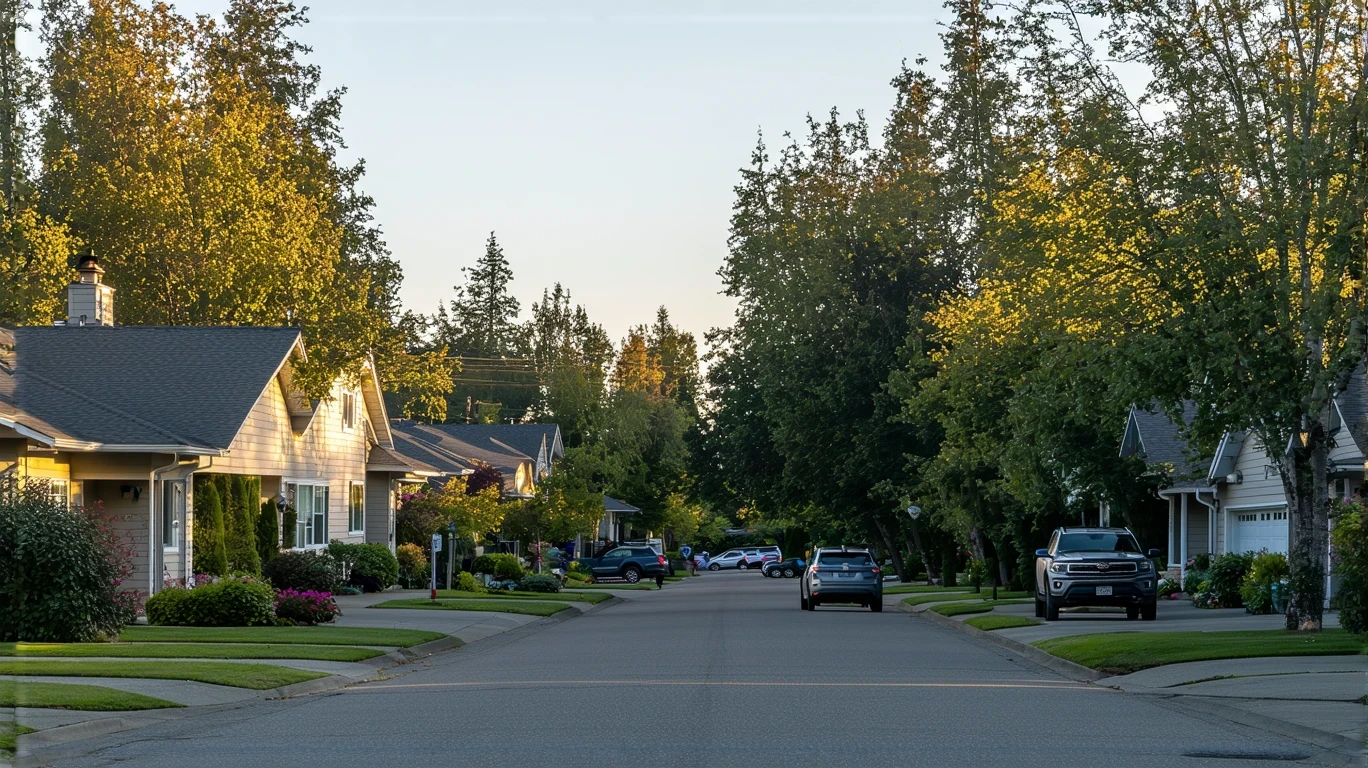
Which city gives you more for your money? Kent and Everett sit within the same Seattle metro region, share the same Pacific Northwest climate, and face similar housing market pressures—but the way costs show up in daily life differs sharply between them. Both cities attract households looking for more space and lower entry costs than Seattle proper, yet they distribute financial pressure differently: Kent concentrates exposure in transportation and commute friction, while Everett reduces ongoing housing obligations and time costs but requires more intentional planning for errands and healthcare. The better choice in 2026 depends less on total affordability and more on which cost drivers dominate your household—whether you prioritize convenience and outdoor access, or lower rent and shorter commutes.
This comparison explains where cost structure differences matter most, how the same income feels different in each city, and which households experience more predictability versus volatility. It does not calculate total cost of living or declare a universal winner; instead, it shows how housing entry barriers, transportation dependence, daily errands friction, and healthcare access create distinct tradeoffs for single adults, couples, and families.
Housing Costs
Kent’s median gross rent sits at $1,742 per month, while Everett’s median gross rent is $1,611 per month. Both figures represent substantial ongoing obligations, but the difference reflects divergent housing stock and demand patterns. Kent’s rental market skews toward newer apartment complexes and townhome communities, many built within the last decade to absorb Seattle metro growth. Everett’s rental inventory includes more older single-family conversions and smaller apartment buildings, which tend to carry lower rents but may also come with higher utility exposure due to less efficient construction.
For homebuyers, Kent’s median home value stands at $478,400, compared to Everett’s $471,200. The gap is narrow in absolute terms, but it compounds when combined with down payment requirements, closing costs, and ongoing property tax obligations. Kent’s housing stock leans toward single-family homes with larger lots and newer construction, which can reduce long-term maintenance costs but increase upfront entry barriers. Everett’s housing mix includes more mid-century single-family homes and smaller lots, which may lower purchase prices but introduce higher ongoing maintenance and energy costs.
Renters in Kent face higher baseline housing costs but often gain access to amenities bundled into newer developments—fitness centers, package lockers, and on-site maintenance—that reduce friction in daily life. Renters in Everett experience lower monthly obligations but may need to budget separately for services that aren’t included, such as parking, utilities, or laundry facilities. First-time buyers in Kent confront a higher entry barrier but may benefit from more predictable maintenance schedules and lower utility volatility. First-time buyers in Everett face a slightly lower purchase price but should account for potential renovation, insulation upgrades, or appliance replacement costs that older housing stock often requires.
Housing takeaway: Kent imposes higher ongoing rent and slightly higher home values, concentrating cost pressure at the entry point and in monthly obligations. Everett reduces baseline housing costs but shifts exposure toward maintenance unpredictability and energy efficiency gaps. Households prioritizing lower monthly obligations and willing to manage older housing stock may find Everett more flexible; households seeking predictability and lower long-term friction may prefer Kent’s newer inventory despite higher upfront costs.
Utilities and Energy Costs
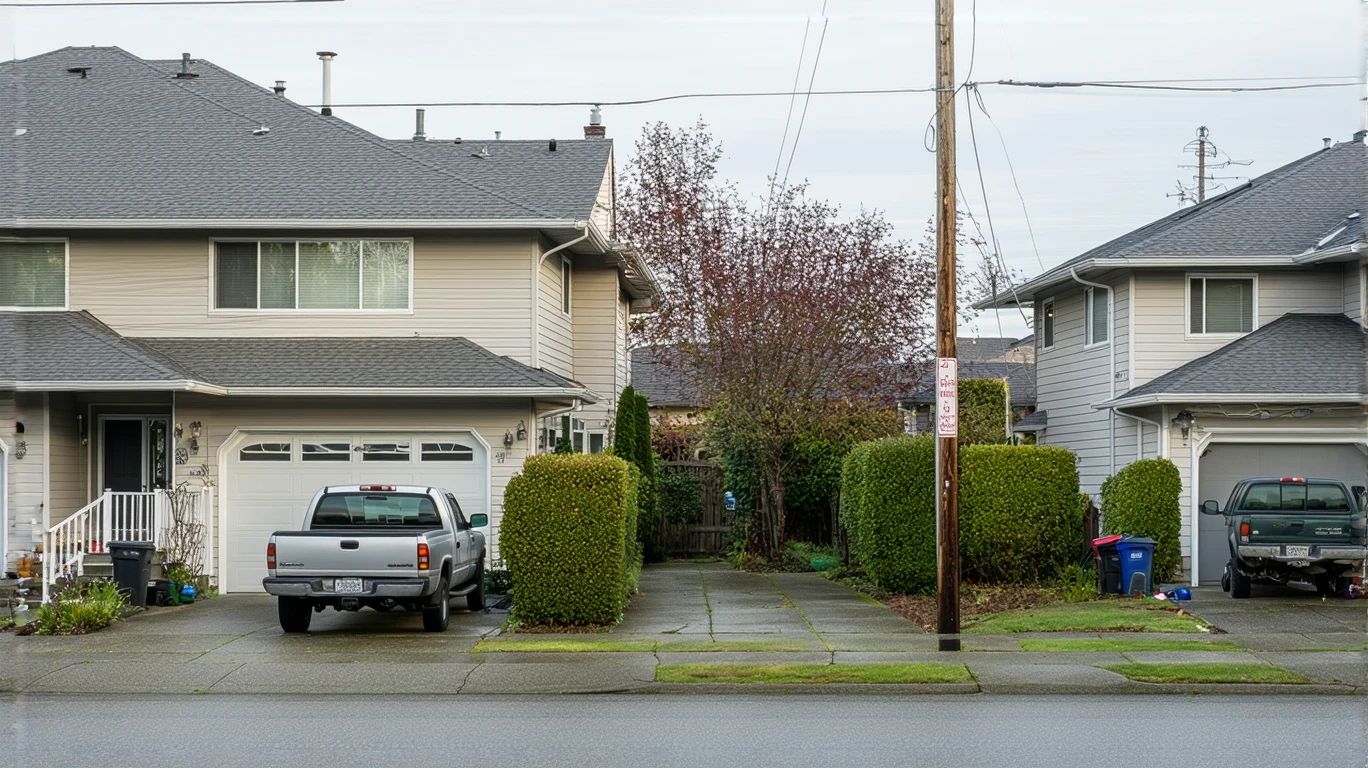
Both Kent and Everett share identical utility rate structures: electricity costs 13.33¢/kWh, and natural gas is priced at $15.51/MCF. Because both cities sit within the same regional utility service area and experience the same Pacific Northwest climate—mild, wet winters and temperate summers—the primary driver of utility cost differences is not pricing but housing stock age, insulation quality, and square footage.
Kent’s housing inventory skews newer, with more homes built after 2000 incorporating modern insulation standards, dual-pane windows, and energy-efficient HVAC systems. This reduces baseline heating demand during wet, cool winters and minimizes cooling costs during occasional summer heat. Households in newer Kent apartments or townhomes often experience more predictable utility bills, with less seasonal volatility and lower exposure to unexpected spikes. Everett’s housing stock includes a higher proportion of mid-century single-family homes, many built before modern energy codes took effect. Older homes with single-pane windows, minimal attic insulation, and aging furnaces can see significantly higher heating costs during extended wet, cool periods, even though the per-unit energy price remains identical to Kent.
Apartment renters in Kent typically experience lower utility exposure due to smaller square footage and shared-wall construction, which reduces heating and cooling demand. Single-family renters or homeowners in Kent with larger lots and newer construction still benefit from better insulation but face higher baseline usage due to square footage. In Everett, apartment renters may experience moderate utility costs, but single-family renters or homeowners in older homes often confront higher heating bills and more volatile seasonal swings. Households planning to stay long-term in Everett should budget for potential insulation upgrades, window replacement, or furnace servicing to stabilize utility exposure over time.
Utility takeaway: Kent and Everett share identical energy pricing, so utility cost differences stem entirely from housing stock age and efficiency. Kent’s newer construction reduces volatility and baseline usage; Everett’s older housing stock increases seasonal exposure and maintenance-driven costs. Households sensitive to unpredictable bills or planning minimal home improvements may find Kent’s energy profile more manageable; households willing to invest in efficiency upgrades or accept higher seasonal variability may tolerate Everett’s older inventory in exchange for lower rent or purchase prices.
Groceries and Daily Expenses
Kent shows broadly accessible food and grocery density, with establishments distributed throughout the city rather than concentrated along a few corridors. This pattern reduces the time cost of routine shopping trips and allows households to choose between discount grocers, specialty stores, and convenience options without adding significant drive time. Everett’s grocery landscape is corridor-clustered, with food and grocery options concentrated along major arterials rather than evenly distributed across neighborhoods. This means some Everett households enjoy walkable or short-drive access to multiple stores, while others face longer trips or fewer nearby alternatives.
For single adults and couples, Kent’s broad accessibility translates into lower planning friction: quick stops for missing ingredients, last-minute errands, and flexible store choice all become easier when options are nearby. Everett’s corridor pattern doesn’t eliminate access, but it does require more intentional trip planning—households may consolidate errands to reduce drive frequency, or they may rely more heavily on a single nearby store even if prices are less competitive. Families managing larger grocery volumes in Kent benefit from the ability to comparison-shop without adding significant time cost; families in Everett may find themselves choosing between convenience (one nearby store) and savings (driving farther to a discount grocer).
Dining out and convenience spending also follow these patterns. Kent’s mixed land use and high food establishment density mean coffee shops, takeout options, and casual dining are more evenly distributed, which can increase convenience spending if households don’t actively manage frequency. Everett’s corridor clustering concentrates dining options along commercial strips, which can reduce impulse spending for households living outside those corridors but may also limit variety and accessibility. Households sensitive to grocery price differences should note that both cities offer access to major regional chains; the difference lies in how much time and planning it takes to reach them, not in the availability of discount options.
Grocery and daily expenses takeaway: Kent reduces errands friction through broad accessibility, lowering time cost but potentially increasing convenience spending if households don’t monitor frequency. Everett’s corridor-clustered pattern requires more intentional planning and may add drive time for households outside commercial strips, but it can also reduce impulse spending. Households prioritizing time savings and flexible store choice may prefer Kent’s distribution; households comfortable with trip consolidation and willing to plan around corridors may find Everett’s pattern manageable.
Taxes and Fees
Washington State imposes no personal income tax, so both Kent and Everett households avoid state-level income tax obligations regardless of earnings. However, property taxes, sales taxes, and local fees vary by jurisdiction and can create meaningful differences in ongoing cost exposure. Property tax rates in both cities are set by overlapping taxing districts—counties, school districts, fire districts, and city levies—which means effective rates depend on specific location within each city rather than a single citywide figure. Homeowners in Kent and Everett should verify their property’s exact tax district during the purchase process, as rates can shift block by block.
Sales tax applies to most retail purchases, dining, and services in both cities, with rates determined by state, county, and local add-ons. Because Kent and Everett sit in different counties (King and Snohomish, respectively), their combined sales tax rates may differ slightly, though both remain within the typical Seattle metro range. Households that spend heavily on taxable goods—furniture, electronics, dining out—will feel sales tax pressure more acutely, but the difference between Kent and Everett is unlikely to dominate household budgets compared to housing or transportation costs.
Local fees—such as utility connection charges, stormwater fees, garbage collection, and street maintenance assessments—vary by city and service provider. Kent households may encounter different fee structures than Everett households for the same services, particularly for water, sewer, and solid waste. Homeowners in planned communities or newer developments in either city may also face HOA fees, which can bundle services like landscaping, snow removal, and exterior maintenance but add a fixed monthly obligation. Renters typically don’t pay property taxes or HOA fees directly, but these costs are embedded in rent and influence landlords’ pricing decisions over time.
Taxes and fees takeaway: Both cities avoid state income tax, but property taxes, sales taxes, and local fees introduce variability based on specific location and housing type. Homeowners face more direct exposure to property tax and fee differences; renters experience these costs indirectly through rent pricing. Households planning to stay long-term should verify exact tax districts and fee schedules during the housing search, as these costs are more predictable than utilities or transportation but less visible upfront than rent or mortgage payments.
Transportation and Commute Reality
Kent’s average commute time is 30 minutes, with 48.3% of workers experiencing long commutes (typically defined as 45 minutes or more). Everett’s average commute is 26 minutes, with 39.3% facing long commutes. Both cities show rail transit present, but the difference in commute length and long-commute prevalence suggests that Kent households are more likely to be commuting into Seattle or other distant job centers, while Everett households may work closer to home or benefit from shorter regional connections. Kent’s work-from-home percentage is 12.0%, compared to Everett’s 11.6%—a negligible difference that indicates similar remote work adoption in both cities.
Gas prices introduce another layer of cost exposure. Kent’s current gas price is $5.26/gal, while Everett’s is $4.36/gal. For households driving 25 miles round-trip daily at 25 MPG, this translates to a meaningful per-gallon cost difference that compounds over weeks and months. Kent’s higher gas price, combined with longer average commutes and higher long-commute prevalence, creates concentrated transportation cost pressure for car-dependent households. Everett’s lower gas price and shorter commutes reduce per-trip costs and time friction, making car ownership more manageable even for households on tighter budgets.
Both cities show walkable pockets and rail transit present, but these features primarily serve specific neighborhoods or corridors rather than eliminating car dependence citywide. Households living near transit stations in either city can reduce driving frequency, but most residents still rely on cars for errands, healthcare, and non-commute trips. Kent’s broadly accessible errands reduce the number of trips required for daily logistics, which can partially offset higher gas prices; Everett’s corridor-clustered errands pattern may require more intentional trip planning, but lower gas prices reduce the per-trip cost.
Transportation takeaway: Kent imposes higher transportation cost pressure through longer commutes, higher long-commute prevalence, and higher gas prices. Everett reduces commute friction and per-gallon costs, making car ownership less expensive and time-intensive. Households with long commutes or high driving frequency may find Kent’s transportation exposure difficult to manage; households with shorter commutes or flexible schedules may tolerate Everett’s corridor-based errands pattern more easily.
Cost Structure Comparison
Housing dominates the cost experience in both cities, but the nature of that pressure differs. Kent’s higher median rent and slightly higher home values create a steeper entry barrier and higher ongoing monthly obligations. Everett’s lower rent and home values reduce baseline housing costs but shift exposure toward maintenance unpredictability and energy efficiency gaps in older housing stock. For renters, Kent’s higher rent buys access to newer construction and bundled amenities; Everett’s lower rent requires more active management of utilities and services. For buyers, Kent’s higher purchase price comes with more predictable long-term maintenance; Everett’s lower purchase price may require upfront investment in insulation, windows, or HVAC upgrades.
Utilities introduce more volatility in Everett due to older housing stock, even though energy rates are identical. Kent’s newer construction reduces seasonal swings and baseline usage, making utility bills more predictable. Households sensitive to unexpected spikes or planning minimal home improvements will find Kent’s energy profile easier to manage. Households willing to invest in efficiency upgrades or tolerate higher seasonal variability can offset Everett’s older inventory with lower rent or purchase prices.
Transportation patterns matter more in Kent, where longer commutes, higher long-commute prevalence, and higher gas prices create concentrated cost pressure for car-dependent households. Everett’s shorter commutes and lower gas prices reduce both time cost and per-trip expenses, making car ownership more manageable. Kent’s broadly accessible errands reduce trip frequency and planning burden, which can partially offset higher gas prices; Everett’s corridor-clustered pattern requires more intentional trip planning but benefits from lower per-gallon costs.
Daily living costs—groceries, dining, and convenience spending—show less structural difference than housing or transportation, but the friction cost varies. Kent’s broad accessibility lowers time cost and increases flexibility, which can lead to higher convenience spending if households don’t monitor frequency. Everett’s corridor clustering requires more planning and may add drive time, but it can also reduce impulse spending for households living outside commercial strips. Households prioritizing time savings and flexible store choice may prefer Kent; households comfortable with trip consolidation may find Everett’s pattern manageable.
The better choice depends on which costs dominate your household. Households sensitive to ongoing housing obligations and transportation exposure may prefer Everett’s lower rent, shorter commutes, and lower gas prices, even if it requires more active management of utilities and errands. Households prioritizing convenience, predictability, and lower long-term friction may prefer Kent’s newer housing stock and broadly accessible errands, even if it means higher rent and longer commutes. For families managing tight budgets, the difference is less about total cost and more about where flexibility exists: Everett offers lower baseline costs but requires more planning and potential investment; Kent offers lower friction but higher ongoing obligations.
How the Same Income Feels in Kent vs Everett
Single Adult
Housing becomes the first non-negotiable cost, and Kent’s higher median rent reduces flexibility for discretionary spending or savings. Everett’s lower rent creates more breathing room, but older housing stock may introduce higher utility bills that erode the savings. Transportation exposure depends on commute length: Kent’s longer average commute and higher gas prices make car ownership more expensive, while Everett’s shorter commutes and lower gas prices reduce per-trip costs. Flexibility exists in dining and entertainment, but Kent’s broad errands accessibility can increase convenience spending if not actively managed, while Everett’s corridor clustering may naturally limit impulse purchases.
Dual-Income Couple
Housing costs still dominate, but two incomes provide more flexibility to absorb Kent’s higher rent or home values. Everett’s lower housing costs allow more room for savings or discretionary spending, but couples should account for potential utility volatility in older homes. Transportation becomes more complex if both partners commute: Kent’s higher gas prices and longer commutes multiply exposure, while Everett’s shorter commutes and lower gas prices reduce time cost and fuel expenses. Errands and grocery shopping benefit from Kent’s broad accessibility, which reduces planning burden for busy couples; Everett’s corridor pattern requires more coordination but can lower convenience spending.
Family with Kids
Housing space needs become non-negotiable, and Kent’s higher home values or rent for larger units create front-loaded cost pressure. Everett’s lower housing costs provide more flexibility for families on tight budgets, but older homes may require investment in insulation, windows, or HVAC to manage utility bills. Transportation exposure multiplies with school drop-offs, activities, and errands: Kent’s longer commutes and higher gas prices increase time cost and fuel expenses, while Everett’s shorter commutes and lower gas prices reduce friction. Kent’s integrated green space access and broadly accessible errands lower logistical complexity for families managing tight schedules; Everett’s corridor-clustered errands and present (but not integrated) green space require more planning but benefit from hospital presence for acute care needs.
Decision Matrix: Which City Fits Which Household?
| Decision factor | If you’re sensitive to this… | Kent tends to fit when… | Everett tends to fit when… |
|---|---|---|---|
| Housing entry + space needs | You need predictable monthly obligations and lower long-term maintenance friction | You prioritize newer construction and bundled amenities despite higher rent or purchase price | You prioritize lower baseline costs and are willing to manage older housing stock and potential upgrades |
| Transportation dependence + commute friction | You drive daily and need to minimize time cost and fuel expenses | You work from home or have flexible schedules that reduce commute frequency | You have shorter commutes or work closer to home and benefit from lower gas prices |
| Utility variability + home size exposure | You want predictable bills and minimal seasonal volatility | You prefer newer construction with better insulation and lower baseline usage | You are willing to invest in efficiency upgrades or tolerate higher seasonal swings for lower housing costs |
| Grocery strategy + convenience spending creep | You need flexible store choice and low time cost for errands | You value broad accessibility and are disciplined about monitoring convenience spending | You are comfortable with trip consolidation and corridor-based planning to reduce impulse purchases |
| Fees + friction costs (HOA, services, upkeep) | You want to avoid unexpected maintenance or service costs | You prefer newer developments with bundled services and lower long-term maintenance needs | You are willing to manage older housing stock and budget separately for services not included in rent |
| Time budget (schedule flexibility, errands, logistics) | You have tight schedules and need to minimize planning burden | You benefit from broadly accessible errands and integrated green space that reduce logistical complexity | You have flexible schedules and can plan around corridor-based errands and moderate green space access |
Lifestyle Fit
Kent and Everett both offer access to Pacific Northwest outdoor culture, but the texture of daily life differs. Kent shows integrated green space access, with park density exceeding high thresholds and water features present throughout the city. This supports households that prioritize frequent outdoor recreation, dog walking, or family activities without requiring long drives. Everett’s green space access is present but not integrated, meaning parks exist but may require more intentional trips rather than being woven into daily routines. Both cities show water features, reflecting their proximity to Puget Sound and regional waterways, but Kent’s higher park density makes outdoor access feel more immediate.
Commute times shape daily rhythms significantly. Kent’s 30-minute average commute and 48.3% long-commute prevalence suggest that many households are trading housing affordability for longer drives into Seattle or other regional job centers. Everett’s 26-minute average commute and 39.3% long-commute prevalence indicate shorter regional connections or more local employment options. For households with school-age children, Kent’s school density in the medium band provides adequate access, while Everett shows similar school density. Both cities show family infrastructure as present, meaning either schools or playgrounds meet density thresholds, but neither city shows strong family infrastructure (both schools and playgrounds exceeding thresholds).
Healthcare access differs meaningfully: Everett has a hospital present, providing acute care locally, while Kent shows routine local care (clinics present, no hospital). For families with young children or households managing chronic conditions, Everett’s hospital presence reduces the need to travel for emergency or specialized care. Kent households relying on hospital services will need to plan for drives to nearby cities, which adds time cost and complexity during medical emergencies. Both cities show pharmacies present, so routine prescription access is comparable.
Quick facts: Kent shows rail transit present and walkable pockets, with both residential and commercial land use detected, creating mixed-use neighborhoods that support errands on foot or by transit in specific areas. Everett also shows rail transit present and walkable pockets, with similar mixed-use land use patterns, but daily errands are more corridor-clustered rather than broadly accessible.
Both cities experience mild, wet winters and temperate summers, with rare freezing nights and minimal cooling demand compared to hotter U.S. regions. This reduces utility volatility compared to climates with extreme heat or cold, but older housing stock in Everett can still introduce higher heating costs during extended wet, cool periods. Kent’s newer construction minimizes this exposure, making utility bills more predictable year-round.
Frequently Asked Questions
Is Kent or Everett cheaper for renters in 2026?
Everett shows lower median gross rent at $1,611 per month compared to Kent’s $1,742 per month, reducing baseline housing obligations for renters. However, Everett’s older housing stock may introduce higher utility costs due to less efficient construction, which can partially offset the rent savings. Kent’s higher rent often includes access to newer construction and bundled amenities, which reduce long-term friction and maintenance costs. Renters prioritizing lower monthly obligations may prefer Everett; renters seeking predictability and lower utility exposure may find Kent’s newer inventory worth the higher rent.
Which city has lower transportation costs, Kent or Everett?
Everett shows lower transportation cost exposure through shorter average commutes (26 minutes vs 30 minutes), lower long-commute prevalence (39.3% vs 48.3%), and lower gas prices ($4.36/gal vs $5.26/gal). Kent’s higher gas prices and longer commutes create concentrated cost pressure for car-dependent households, especially those driving daily for work or errands. Households with long commutes or high driving frequency will find Everett’s transportation profile more manageable; households with flexible schedules or remote work options may tolerate Kent’s higher transportation exposure in exchange for broader errands accessibility.
How do grocery costs compare between Kent and Everett in 2026?
Both cities share the same regional price parity index (113), so grocery prices at major chains are comparable. The difference lies in access patterns: Kent shows broadly accessible food and grocery density, reducing time cost and trip planning burden, while Everett’s corridor-clustered pattern concentrates options along major arterials. Households in Kent benefit from flexible store choice and shorter drive times for routine shopping; households in Everett may need to consolidate trips or drive farther to reach discount grocers. The cost difference is less about prices and more about time and convenience.
Which city is better for families with kids, Kent or Everett?
Kent offers integrated green space access and broadly accessible errands, reducing logistical complexity for families managing tight schedules. Everett provides hospital presence for acute care needs and lower baseline housing costs, which can free up budget for childcare or activities. Both cities show similar school density (medium band) and family infrastructure (present). Families prioritizing outdoor access and errands convenience may prefer Kent; families prioritizing lower housing costs and local hospital access may find Everett more practical.
Do Kent and Everett have similar utility costs in 2026?
Both cities share identical electricity rates (13.33¢/kWh) and natural gas prices ($15.51/MCF), so energy pricing is the same. However, utility cost exposure differs due to housing stock age: Kent’s newer construction reduces baseline usage and seasonal volatility, while Everett’s older housing stock can introduce higher heating costs during wet, cool winters. Households in newer Kent apartments or homes experience more predictable utility bills; households in older Everett homes may face higher seasonal swings and should budget for potential insulation or HVAC upgrades to stabilize costs.
Conclusion
Kent and Everett both serve as alternatives to Seattle’s higher housing costs, but they distribute financial pressure differently. Kent concentrates cost exposure in transportation—longer commutes, higher gas prices, and higher long-commute prevalence—while offering broader errands accessibility, integrated green space, and newer housing stock that reduces utility volatility. Everett reduces baseline housing costs, shortens commute times, and lowers gas prices, but requires more intentional planning for errands, introduces higher utility exposure in older homes, and clusters daily services along corridors rather than distributing them broadly.
The better choice depends on which cost drivers dominate your household. Households sensitive to ongoing housing obligations and transportation exposure may prefer Everett’s lower rent, shorter commutes, and lower gas prices, even if it requires more active management of utilities and trip planning. Households prioritizing convenience, predictability, and lower long-term