
Huntington Beach median rent: $2,318/month
Santa Ana median rent: $1,885/month
Huntington Beach median home value: $976,800
Santa Ana median home value: $624,000
Huntington Beach gas price: $5.62/gal
Santa Ana gas price: $4.34/gal
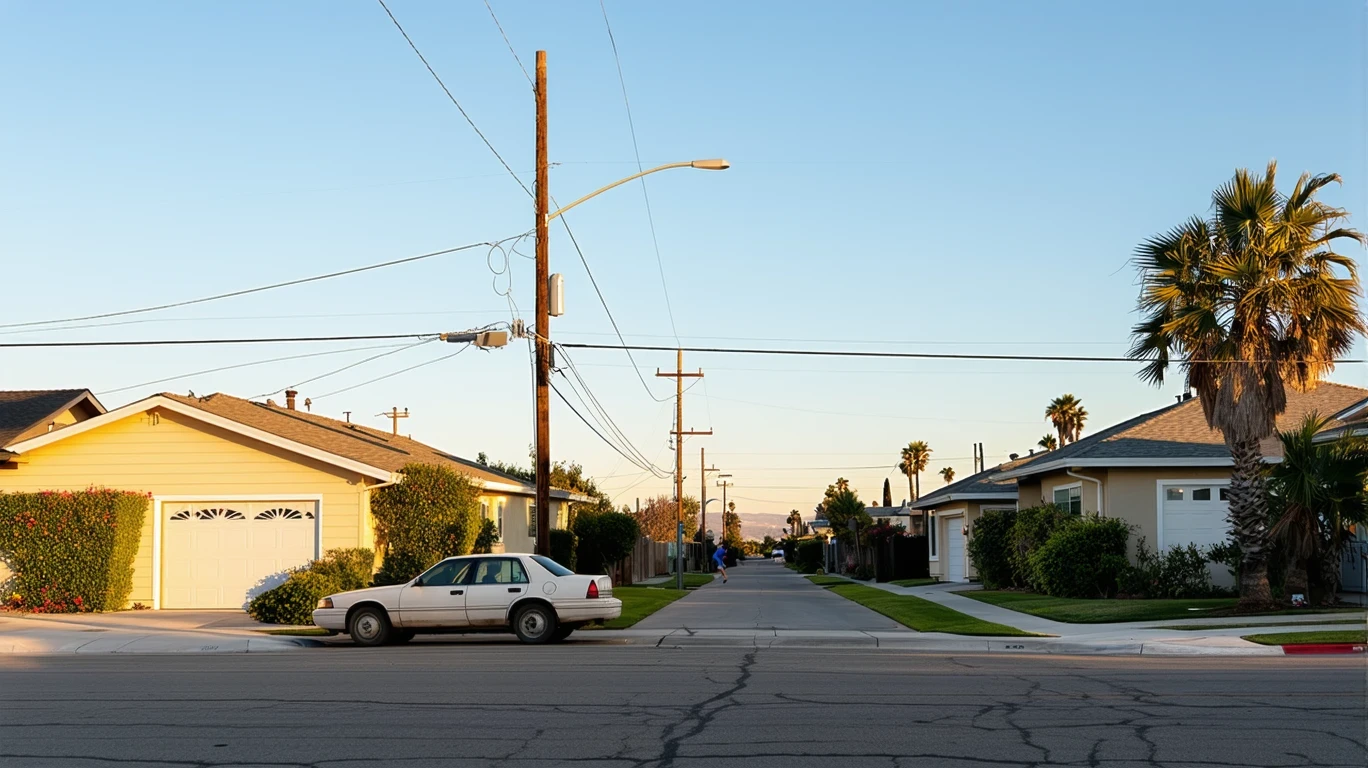
Huntington Beach and Santa Ana sit just miles apart in Orange County, yet they offer fundamentally different cost structures and daily living experiences in 2026. Huntington Beach, a coastal city known for its surf culture and beach access, carries higher housing entry costs and a car-oriented layout punctuated by bike-friendly corridors. Santa Ana, the county seat positioned inland, presents lower initial housing barriers, rail transit access, and denser neighborhood commercial activity. Both cities share the same regional economy and similar unemployment rates, but the way costs show up—and which households feel pressure first—diverges sharply.
People compare these two cities because they represent a classic Orange County tradeoff: coastal proximity and recreational lifestyle versus urban accessibility and transit infrastructure. Families weighing school quality against housing affordability, young professionals deciding between walkability and beach access, and dual-income couples managing commute logistics all land on this comparison. The decision isn’t about which city costs less overall—it’s about which cost pressures dominate your household, and whether you’re more exposed to housing entry barriers, transportation volatility, or daily errands friction.
This article breaks down where costs concentrate differently in Huntington Beach versus Santa Ana, how the same income feels different depending on household structure, and which trade-offs matter most when deciding between coastal space and urban density in 2026.
Housing Costs
Housing represents the starkest structural difference between Huntington Beach and Santa Ana. Huntington Beach’s median home value of $976,800 and median gross rent of $2,318 per month reflect coastal proximity, larger lot sizes, and predominantly single-family housing stock. Santa Ana’s median home value of $624,000 and median gross rent of $1,885 per month signal a different market: denser residential neighborhoods, more multifamily housing, and urban infill development. The gap isn’t just about price—it’s about what kind of housing dominates each city’s inventory and who can access it.
For renters, the difference shows up immediately in apartment availability and neighborhood structure. Santa Ana’s higher density and mixed-height building character create more rental options within walking distance of daily errands, while Huntington Beach’s low-rise, spread-out form means rental housing clusters along specific corridors. A single adult renting a one-bedroom in Santa Ana gains proximity to food, transit, and services without needing a car for every errand; the same household in Huntington Beach pays more upfront and faces greater car dependence despite notable bike infrastructure. Families renting larger units encounter different exposure: Huntington Beach offers more single-family rentals with yards and garage space, but at a significant rent premium that limits flexibility.
Homeownership entry costs diverge even more sharply. A household targeting a three-bedroom single-family home in Huntington Beach confronts not just the higher purchase price, but also property tax obligations, insurance premiums tied to coastal exposure, and maintenance costs for larger properties. Santa Ana’s lower median home value opens ownership to households earlier in their earning trajectory, though the trade involves smaller lot sizes, older housing stock in some neighborhoods, and potentially higher ongoing maintenance needs. First-time buyers sensitive to down payment size and monthly mortgage obligations find Santa Ana more accessible; households prioritizing space, newer construction, and coastal lifestyle fit Huntington Beach’s market despite the front-loaded cost.
Housing takeaway: Huntington Beach imposes higher entry barriers for both renters and owners, with cost pressure concentrated at the point of access—signing a lease or closing on a home. Households with established income stability and preference for space, yards, and coastal proximity absorb this pressure more easily. Santa Ana distributes housing costs differently: lower initial outlays but denser living conditions and reliance on urban infrastructure rather than private space. Renters prioritizing transit access and walkable errands, and buyers stretching toward ownership on moderate income, experience less friction in Santa Ana. Families needing three-plus bedrooms face a sharper tradeoff—pay significantly more in Huntington Beach for space and neighborhood character, or accept smaller footprints and older housing stock in Santa Ana at lower monthly cost.
Utilities and Energy Costs

Utility cost behavior in Huntington Beach and Santa Ana reflects both rate structure differences and housing form. Huntington Beach’s electricity rate of 34.71¢/kWh and natural gas price of $23.78/MCF sit higher than Santa Ana’s 31.91¢/kWh and $21.94/MCF, but the more meaningful difference lies in how housing type and climate exposure shape consumption. Huntington Beach’s predominantly single-family, low-rise housing stock means larger conditioned spaces, more exterior wall exposure, and greater reliance on cooling during extended warm months. Santa Ana’s mixed building heights and denser multifamily housing create different thermal dynamics—apartments share walls, reducing heating and cooling loads, while older single-family homes may lack modern insulation.
Cooling dominates summer utility bills in both cities due to Southern California’s extended warm season, but household exposure varies by housing form. A family in a 1,500-square-foot detached home in Huntington Beach runs air conditioning longer and pays the higher per-kWh rate, creating compounding pressure during peak months. The same family in a similar-sized home in Santa Ana faces lower rates but potentially older HVAC systems and less efficient building envelopes in certain neighborhoods. Renters in Santa Ana apartments benefit from shared-wall thermal buffering and smaller square footage, keeping baseline usage lower even when rates fluctuate. Huntington Beach renters in low-rise complexes or detached units lose that advantage, paying both higher rates and higher consumption.
Heating costs remain modest in both cities due to mild winters, but natural gas price differences still matter for households cooking with gas or running older water heaters. Huntington Beach’s higher gas price adds incremental cost for families with high hot-water usage—multiple showers, dishwashers, laundry—while Santa Ana households see slightly lower baseline exposure. Predictability also shifts: larger homes in Huntington Beach experience more volatility between seasons as cooling and heating needs swing, while smaller Santa Ana apartments maintain more stable monthly bills year-round. Time-of-use billing structures, where available, reward households that can shift usage to off-peak hours, but this flexibility depends on work schedules and household routines, not just willingness.
Utility takeaway: Huntington Beach households face higher per-unit energy costs and greater consumption due to larger housing footprints and detached construction. Families in single-family homes experience the most volatility, with summer cooling driving sharp seasonal spikes. Santa Ana’s lower rates and denser housing stock reduce baseline exposure, especially for renters in multifamily buildings, though older housing stock can offset savings through inefficiency. Households sensitive to monthly bill predictability—single adults, couples on fixed budgets—find Santa Ana’s apartment-dominated rental market easier to manage. Families prioritizing space in Huntington Beach must budget for higher and more variable utility costs as part of the housing tradeoff.
Groceries and Daily Expenses
Grocery and daily spending pressure in Huntington Beach and Santa Ana diverges less on price and more on access structure and convenience friction. Both cities share the same regional price parity index, meaning staple grocery costs—bread, eggs, milk, chicken—track similarly when shopping at comparable store types. The meaningful difference lies in how easy it is to access low-cost options without adding time or transportation costs, and how neighborhood layout encourages or discourages convenience spending creep.
Santa Ana’s broadly accessible food and grocery infrastructure—high density for both restaurants and grocery stores—means households can reach multiple shopping options without long drives. A family planning a weekly grocery run can compare prices across discount chains, ethnic grocers, and mid-tier supermarkets within a short radius, keeping per-item costs flexible. The same density also means prepared food, coffee shops, and takeout options saturate commercial corridors, creating more temptation for convenience spending. A dual-income couple working long hours in Santa Ana faces constant access to quick meals, which can quietly inflate monthly food costs if not actively managed. Huntington Beach’s corridor-clustered errands accessibility concentrates grocery and dining options along specific routes, requiring more intentional trip planning and reducing spontaneous spending opportunities—but also limiting price comparison flexibility.
Single adults and couples experience this difference acutely. In Santa Ana, walkable access to corner stores, taquerias, and cafes makes it easy to grab lunch or skip cooking after a long day, but those $12–$15 transactions add up faster than planned grocery trips. Huntington Beach’s car-oriented layout imposes friction on convenience spending—stopping for takeout requires a deliberate detour—but also makes it harder to comparison-shop or access discount grocers without driving across town. Families managing larger grocery volumes benefit from Santa Ana’s competitive store density, especially when juggling work and school schedules, but must resist the convenience creep that comes with high restaurant accessibility.
Household goods, coffee routines, and non-grocery errands follow similar patterns. Santa Ana’s mixed-use neighborhoods and denser commercial strips mean pharmacies, dollar stores, and small-format retailers sit within walking or short driving distance, reducing per-trip friction but increasing frequency. Huntington Beach’s lower-density commercial layout consolidates errands into fewer, longer trips—more planning required, but fewer opportunities for impulse purchases. The cost impact depends less on prices and more on household discipline and time budget: families with tight schedules value Santa Ana’s errand density, while households prioritizing cost control benefit from Huntington Beach’s structural friction against convenience spending.
Groceries takeaway: Price sensitivity in groceries and daily expenses depends more on access structure than unit costs. Santa Ana’s high food and grocery density gives households more price comparison flexibility and reduces transportation friction, but also creates constant convenience spending temptation. Families who plan meals and batch errands save money; those relying on prepared food and spontaneous purchases feel more pressure. Huntington Beach’s corridor-clustered layout imposes trip-planning overhead and limits discount access, but structurally discourages convenience creep. Single adults and dual-income couples in Santa Ana face the highest risk of spending drift; families with time to plan and shop strategically benefit most from Santa Ana’s competitive density.
Taxes and Fees
Tax and fee structures in Huntington Beach and Santa Ana reflect different municipal revenue models and housing stock characteristics, though both cities operate under California’s broader property tax framework. Property taxes in both cities follow Proposition 13 rules—assessed value capped at purchase price with annual increases limited to 2%—but the initial tax burden differs sharply due to home values. A household purchasing a median-value home in Huntington Beach faces property tax obligations tied to a $976,800 assessment, while the same household in Santa Ana starts from a $624,000 base. Over time, this gap compounds: higher purchase prices mean higher ongoing tax bills, even as both cities apply the same nominal rate.
For renters, property taxes remain invisible in the lease price but still shape market dynamics. Landlords in Huntington Beach pass higher property tax costs into rent, contributing to the $2,318 median gross rent. Santa Ana’s lower property tax base allows landlords more flexibility in pricing, though other factors—density, building age, and amenities—also influence rent levels. Renters don’t control property tax exposure directly, but they absorb it indirectly through lease terms and annual increases. Long-term renters in both cities face gradual rent escalation as property values shift, though the magnitude depends on neighborhood turnover and housing supply constraints.
Local fees and assessments add another layer of variability. Huntington Beach’s coastal location and larger single-family housing stock mean higher prevalence of homeowners association (HOA) fees in planned communities, covering landscaping, shared amenities, and sometimes utilities. These fees range widely but represent predictable monthly obligations that don’t fluctuate with usage. Santa Ana’s denser, older housing stock includes fewer HOA-governed properties, but households may encounter special assessments for infrastructure improvements or higher costs for services like trash and water in older neighborhoods. Renters in both cities typically see utilities and trash billed separately, though some landlords bundle services into rent, obscuring true cost breakdowns.
Taxes and fees takeaway: Homeowners in Huntington Beach face higher ongoing property tax obligations due to elevated purchase prices, with the gap persisting as long as they own the property. Households planning to stay long-term must budget for this predictable but substantial cost. Santa Ana’s lower property tax base reduces this exposure, making ownership more sustainable for households with moderate income growth. HOA fees in Huntington Beach add another layer of predictable cost, while Santa Ana households encounter more variability in service fees and assessments. Renters in both cities absorb property tax pressure indirectly through rent levels, but Santa Ana’s lower baseline creates more flexibility for landlords to compete on price. Households sensitive to ongoing, non-negotiable obligations feel more pressure in Huntington Beach; those prioritizing lower entry costs and flexibility benefit from Santa Ana’s structure.
Transportation & Commute Reality
Transportation costs and commute patterns reveal sharp structural differences between Huntington Beach and Santa Ana, driven by transit infrastructure, gas prices, and daily mobility needs. Huntington Beach’s average commute time of 29 minutes, combined with a gas price of $5.62/gal and bus-only transit service, creates a car-dependent cost structure for most households. Nearly half of workers—49.3%—endure long commutes, and only 10.2% work from home, meaning the majority of households rely on personal vehicles for both work trips and daily errands. Santa Ana’s rail transit presence and walkable pockets offer different mobility options, though gas prices of $4.34/gal still matter for households driving to work or managing family logistics.
For single adults and dual-income couples, commute friction translates directly into time and fuel costs. A Huntington Beach resident commuting to a job in Irvine, Costa Mesa, or inland Orange County burns expensive gas on every trip, with limited alternatives beyond carpooling or adjusting work hours. The city’s notable bike infrastructure helps for short local trips—errands, beach access, neighborhood dining—but doesn’t solve the commute problem for most workers. Santa Ana’s rail service connects residents to regional job centers, reducing per-trip fuel costs for those whose work aligns with transit routes, though schedule constraints and transfer times still impose friction. Households with flexible schedules or jobs near transit stations gain meaningful cost and time savings; those working in car-dependent suburbs face similar pressure regardless of city.
Families managing school drop-offs, after-school activities, and grocery runs experience transportation costs differently. Huntington Beach’s low-rise, spread-out layout and corridor-clustered errands mean most family logistics require a car, even with bike lanes available for older kids. Gas costs compound quickly when managing multiple daily trips, and the higher per-gallon price amplifies exposure for households driving SUVs or older vehicles. Santa Ana’s broadly accessible food and grocery density, combined with stronger family infrastructure (schools and playgrounds meeting density thresholds), shortens some trip distances and creates opportunities for walking or biking—but only in neighborhoods where infrastructure supports it. Car ownership remains essential for most families in both cities, but Santa Ana’s denser layout reduces per-trip mileage for daily errands.
Transportation takeaway: Huntington Beach imposes higher transportation costs through elevated gas prices, longer average commutes, and car dependency for nearly all trips. Households with long commutes or multiple drivers feel the most pressure, especially when fuel prices spike. Santa Ana’s rail transit and denser errands accessibility reduce per-trip costs for households whose routines align with transit routes and walkable neighborhoods, but car ownership still dominates for most families. Single adults and couples working near transit stations benefit most from Santa Ana’s infrastructure; families managing complex schedules and long commutes face similar car dependence in both cities, with Huntington Beach’s higher gas prices adding incremental cost.
Cost Structure Comparison
Housing dominates the cost experience in both Huntington Beach and Santa Ana, but the pressure shows up at different points in the household lifecycle. Huntington Beach front-loads cost through higher purchase prices and rent, creating a steep entry barrier that filters for households with established income or dual earners. Once inside the market, costs remain high but predictable—property taxes, utilities, and transportation all scale with the larger housing footprint and car-oriented layout. Santa Ana distributes housing costs differently: lower initial outlays make entry easier, but denser living conditions and reliance on urban infrastructure mean households trade space for accessibility. Renters and first-time buyers feel this difference most acutely—Santa Ana opens doors earlier, while Huntington Beach rewards patience and higher income with more space and coastal proximity.
Utilities introduce more volatility in Huntington Beach due to higher rates and larger housing footprints. Families in detached single-family homes experience seasonal swings as cooling needs peak, while Santa Ana households in multifamily buildings maintain more stable monthly bills. The difference matters most for households on fixed budgets or those managing variable income—predictability becomes a cost category of its own. Transportation patterns layer onto this foundation: Huntington Beach’s car dependency and higher gas prices create ongoing exposure that compounds with commute length, while Santa Ana’s rail transit and walkable errands offer partial relief for households whose routines align with infrastructure. Families juggling school, work, and activities face similar car reliance in both cities, but Huntington Beach’s higher per-gallon cost and longer average commute amplify the burden.
Daily errands and grocery spending shift based on access structure rather than prices. Santa Ana’s broadly accessible food and grocery density gives households more flexibility to comparison-shop and reduces per-trip friction, but also creates constant temptation for convenience spending. Huntington Beach’s corridor-clustered layout imposes trip-planning overhead, limiting spontaneous purchases but also reducing discount access. Households sensitive to convenience creep—dual-income couples, single adults with long work hours—face different risks in each city. Taxes and fees follow housing values: Huntington Beach’s higher property tax base and HOA prevalence create predictable but substantial ongoing obligations, while Santa Ana’s lower baseline reduces this exposure.
The better choice depends on which costs dominate your household. Families prioritizing space, coastal lifestyle, and long-term stability in a single location fit Huntington Beach’s front-loaded model, accepting higher entry costs and ongoing obligations in exchange for predictable housing and neighborhood character. Households sensitive to entry barriers, transit access, and daily logistics flexibility—renters, first-time buyers, single adults—find Santa Ana’s lower initial costs and denser infrastructure easier to navigate. For dual-income couples, the decision hinges on commute alignment: if both partners work near transit or within Santa Ana’s urban core, the city’s walkability and rail access reduce transportation friction; if either commutes to car-dependent suburbs, Huntington Beach’s highway access and larger housing stock may justify the higher cost.
How the Same Income Feels in Huntington Beach vs Santa Ana
Single Adult
For a single adult, housing costs become non-negotiable first, consuming a larger share of gross monthly income in Huntington Beach due to higher rent. Flexibility exists in transportation if work aligns with bus routes or bike-friendly corridors, but most jobs require a car, and gas prices amplify commute costs. In Santa Ana, lower rent creates breathing room, and rail transit offers a viable alternative for some commutes, reducing car dependency. Convenience spending pressure rises in Santa Ana due to walkable restaurant and cafe density, while Huntington Beach’s spread-out layout imposes friction that limits spontaneous purchases. The same gross income feels tighter in Huntington Beach if rent exceeds comfort thresholds, but more stable if the household values space and can absorb transportation costs.
Dual-Income Couple
For dual-income couples, housing costs still dominate, but the ability to split rent or mortgage payments makes Huntington Beach more accessible than for single earners. Transportation becomes the next pressure point: if both partners commute in opposite directions or to car-dependent job sites, fuel costs and commute time compound quickly in Huntington Beach. Santa Ana’s rail transit and denser layout reduce this friction for couples whose work aligns with transit routes, freeing up time and cash for other priorities. Grocery and errands logistics shift based on schedule flexibility—Santa Ana’s broadly accessible food density makes it easier to grab meals or shop on the way home, but also increases convenience spending risk. Huntington Beach’s corridor-clustered errands require more planning, which benefits couples who batch trips but frustrates those managing unpredictable schedules.
Family with Kids
For families, housing space needs become non-negotiable, and Huntington Beach’s higher costs for three-bedroom single-family homes create immediate pressure. Flexibility disappears quickly as school proximity, yard space, and neighborhood safety rise in priority, leaving less room to adjust other categories. Transportation costs compound through school drop-offs, activities, and weekend errands, with Huntington Beach’s car dependency and higher gas prices adding friction. Santa Ana’s stronger family infrastructure—schools and playgrounds meeting density thresholds—shortens some trip distances, but families still rely on cars for most logistics. Utility costs rise with larger homes in Huntington Beach, especially during cooling season, while Santa Ana families in smaller homes or older housing stock face different maintenance and efficiency tradeoffs. The same gross income feels stretched in Huntington Beach unless both parents earn well above median, while Santa Ana offers more flexibility at moderate income levels but requires accepting denser living conditions.
Decision Matrix: Which City Fits Which Household?
| Decision factor | If you’re sensitive to this… | Huntington Beach tends to fit when… | Santa Ana tends to fit when… |
|---|---|---|---|
| Housing entry + space needs | Down payment size, monthly rent burden, yard space, coastal proximity | You have established income, prioritize single-family homes, and value coastal lifestyle over urban density | You’re entering the market with moderate income, prioritize lower rent or purchase price, and accept smaller footprints for earlier access |
| Transportation dependence + commute friction | Gas price volatility, commute time, transit viability, car ownership costs | Your job requires highway access, you value bike infrastructure for local trips, and you can absorb higher fuel costs for coastal living | Your commute aligns with rail transit routes, you work in urban Orange County, or you prioritize walkable errands over car dependency |
| Utility variability + home size exposure | Seasonal bill swings, cooling costs, predictability, energy efficiency | You can budget for higher and more volatile utility bills tied to larger detached homes and coastal climate exposure | You prefer smaller living spaces or multifamily housing that buffers thermal loads and creates more stable monthly bills year-round |
| Grocery strategy + convenience spending creep | Price comparison access, meal planning discipline, takeout temptation, errand density | You batch errands, cook at home consistently, and benefit from structural friction against spontaneous convenience purchases | You value walkable access to diverse grocery options, can resist frequent takeout temptation, and prioritize trip flexibility over planning overhead |
| Fees + friction costs (HOA, services, upkeep) | Ongoing obligations, property tax burden, HOA dues, service bundling | You accept higher property taxes and potential HOA fees in exchange for coastal location, planned community amenities, and predictable service costs | You prefer lower baseline property tax exposure, fewer HOA-governed properties, and more variability in service costs tied to older housing stock |
| Time budget (schedule flexibility, errands, logistics) | Commute length, errand trip frequency, school proximity, activity access | You have flexible work hours, can absorb longer commutes for coastal lifestyle, and prioritize recreational access over daily convenience | You manage tight schedules, need short errand trips, and value dense family infrastructure that reduces per-trip time and mileage |
Lifestyle Fit
Lifestyle differences between Huntington Beach and Santa Ana extend beyond cost structure into daily routines, recreational access, and neighborhood character. Huntington Beach offers direct beach access, surf culture, and extensive coastal recreational infrastructure—bike paths, beach volleyball courts, waterfront dining—that shape how residents spend free time. The city’s low-rise, suburban layout creates a quieter, more residential feel, with commercial activity concentrated along specific corridors. Families value the space, parks, and outdoor access, while young professionals and active adults prioritize the beach lifestyle and fitness culture. Commute times average 29 minutes, and nearly half of workers face long commutes, meaning evenings and weekends become critical for decompression and recreation.
Santa Ana’s urban density and mixed-use neighborhoods create a different rhythm. The city’s role as Orange County’s governmental and cultural hub brings museums, civic institutions, and a more diverse restaurant scene. Rail transit access connects residents to regional job centers and entertainment districts, reducing car dependency for some trips. Walkable pockets and broadly accessible errands mean daily life involves more foot traffic, shorter trips, and frequent interaction with neighborhood commercial activity. Families benefit from stronger school and playground density, while single adults and couples find more spontaneous dining, nightlife, and cultural options within walking distance. The tradeoff involves accepting denser living conditions, older housing stock in some areas, and less private outdoor space.
Both cities share Orange County’s mild climate, with extended warm seasons that encourage outdoor activity year-round. Huntington Beach’s coastal location moderates temperature extremes, while Santa Ana’s inland position experiences slightly warmer summers and cooler winter nights. These differences remain subtle but influence utility costs and outdoor comfort. Huntington Beach residents spend more time at the beach, on coastal trails, and in parks with ocean views; Santa Ana residents engage more with urban parks, community centers, and neighborhood plazas. The lifestyle fit depends on whether you prioritize coastal recreation and space or urban accessibility and walkable density.
Huntington Beach median commute: 29 minutes
Huntington Beach long commute share: 49.3% of workers
Frequently Asked Questions
Is Huntington Beach or Santa Ana more expensive for renters in 2026?
Huntington Beach imposes higher rent costs, with a median gross rent of $2,318 per month compared to Santa Ana’s $1,885 per month. The difference reflects housing type and location: Huntington Beach’s coastal proximity and predominantly single-family or low-rise housing stock drives rent higher, while Santa Ana’s denser multifamily inventory and urban layout create more rental options at lower price points. Renters prioritizing space, coastal access, and quieter neighborhoods face higher monthly obligations in Huntington Beach; those valuing walkability, transit access, and lower entry costs find Santa Ana more accessible.
How do transportation costs differ between Huntington Beach and Santa Ana in 2026?
Huntington Beach’s higher gas price of $5.62/gal and car-dependent layout create greater transportation exposure, especially for households with long commutes or multiple drivers. Santa Ana’s gas price of $4.34/gal and rail transit presence reduce per-trip fuel costs for residents whose commutes align with transit routes. Both cities require car ownership for most families, but Santa Ana’s denser errands accessibility and walkable pockets shorten some trip distances, while Huntington Beach’s spread-out form and corridor-clustered errands mean nearly all trips require driving.
Which city has lower utility costs, Huntington Beach or Santa Ana, in 2026?
Santa Ana