
Homestead, FL vs. Pembroke Pines, FL: Cost of Living Comparison (2025)
Deciding between Homestead and Pembroke Pines? Here’s a quick cost comparison for 2025:
- 🏠 Median home price: $325K in Homestead vs. $415K in Pembroke Pines
- 🍎 Groceries: 5% cheaper in Homestead
- 🔌 Utilities: 10% lower in Homestead
- 🚗 Gas: $0.15/gal less in Homestead
- 💸 Overall: Homestead is 8% more affordable
For South Floridians seeking affordability without sacrificing amenities, Homestead and Pembroke Pines often top the list. Both mid-size cities boast suburban charm, tropical weather, and easy access to Miami’s urban core. But when it comes to cost of living, which city offers more bang for your buck in 2025?
As remote work reshapes priorities, many relocators find themselves weighing Homestead’s small-town affordability against Pembroke Pines’ newer housing and slightly shorter commutes. To help you decide, we’ve broken down the key cost differences, from monthly expenses to long-term savings. Whether you’re a young professional or growing family, here’s how the numbers stack up.
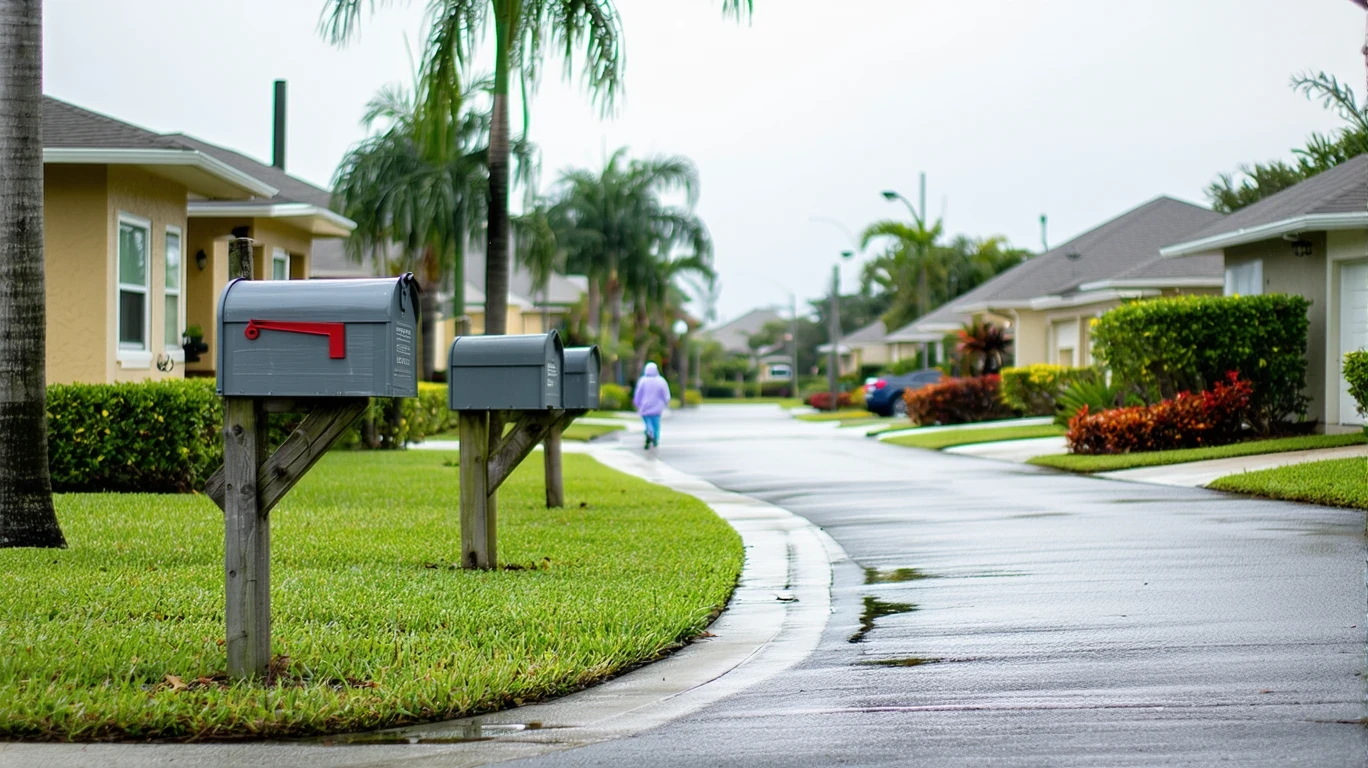
Housing Costs: Homestead Wins on Affordability
The most glaring cost gap between Homestead and Pembroke Pines lies in housing. In 2025, the median home price in Homestead hovers around $325,000, while Pembroke Pines tops $415,000. For a typical 3-bedroom house, that’s a difference of nearly $90,000.
Renters see similar savings in Homestead, with 2-bedroom apartments averaging $1,500/month compared to $1,800 in Pembroke Pines. Homestead’s rental stock tends to be older, but more plentiful, whereas Pembroke Pines has fewer vacancies but more modern options.
| Housing Type | Homestead | Pembroke Pines |
|---|---|---|
| Median Home Price | $325,000 | $415,000 |
| 2BR Apartment Rent | $1,500 | $1,800 |
| 3BR House Rent | $2,100 | $2,400 |
For young singles, Homestead’s lower rents make it easier to save for a future down payment. Families looking to stretch their space can get an extra bedroom in Homestead for the price of a smaller home in Pembroke Pines. While both cities have seen appreciation, Homestead’s lower starting point keeps it more attainable for first-time buyers.
Winner: Homestead. Lower prices across the board give it the clear edge on housing costs.
Keeping the Lights On: Utility Savings in Homestead
Homestead residents catch another break on utilities, with the average household spending 10% less than in Pembroke Pines. Chalk it up to Homestead’s smaller home sizes and more moderate inland temperatures.
In summer, Homestead’s electric bills typically run $150-$200/month for a 2-bedroom rental, compared to $175-$225 in Pembroke Pines. Winters are mild in both cities, but Pembroke Pines’ larger homes still use about 5% more energy for heating.
Families in Homestead’s older homes may contend with higher costs from aging HVAC systems, but on balance, they come out ahead. Savvy Homesteaders can shave bills further by taking advantage of FPL’s off-peak rates and energy-saving programs.
Winner: Homestead. Smaller homes and lower cooling needs keep utility costs in check.
Feeding Your Household: Grocery Bargains Abound
Homestead has long been known as a grocery haven, with prices averaging 5% below Pembroke Pines. Its location in the heart of Miami-Dade’s agricultural district means farm-fresh produce year-round, often straight from the fields.
Budget-minded shoppers can easily trim 10-15% off their weekly bill at Homestead institutions like Robert Is Here fruit stand and Casita Tejas Mexican market. Pembroke Pines has its share of deals, especially at the Pines Boulevard Winn-Dixie, but Homestead’s sheer variety of ethnic grocers and local farm stands is hard to beat.
Dining out follows a similar pattern, with Homestead sporting more mom-and-pop joints with lower overheads. A meal for two averages $35-$40 at a casual Homestead spot, versus $40-$50 in Pembroke Pines. But foodies craving variety may find Pembroke Pines’ restaurant row worth the upcharge.
Winner: Homestead. Easy access to fresh, locally grown foods keeps grocery and dining tabs low.
The Government’s Cut: Taxes in Homestead vs. Pembroke Pines
Florida’s lack of state income tax is a draw for both cities, but Homestead has a slight advantage on other levies. Its property tax rate of 1.8% comes in just below Pembroke Pines’ 2%, saving the typical homeowner about $200 per year.
Sales tax is 7% in both cities, but Homestead’s lower retail prices give it an edge. A family spending $1,000/month on taxable goods would pay about $840 annually in Homestead, compared to $910 in Pembroke Pines.
One asterisk for Homestead is its special assessment fees, which can add $200-$300 per year for services like trash and mosquito control. Pembroke Pines rolls these costs into its slightly higher property taxes. But even with this difference, Homestead maintains a modest advantage for most households.
Winner: Homestead, by a nose. Lower property taxes and retail prices offset special assessment fees.
| Cost Category | Homestead | Pembroke Pines |
|---|---|---|
| Housing (3BR) | $2,100 | $2,400 |
| Utilities | $250 | $275 |
| Groceries | $600 | $630 |
| Transportation | $300 | $325 |
| Healthcare | $600 | $600 |
| Misc. | $400 | $450 |
| Estimated Monthly Total* | $4,250 | $4,680 |
Rolled together, Homestead’s lower costs across major categories add up to substantial savings. For a typical family of three, the monthly gap amounts to about $430, or $5,160 per year. A young couple could pocket $3,000 annually on a 2-bedroom rental. Over a decade, that’s enough to cover a sizable chunk of a down payment.
Lifestyle Factors: Comparing the Perks
Of course, cost isn’t everything. Homestead and Pembroke Pines offer distinct lifestyle flavors that can sway the decision for many households.
Homestead’s trump card is its small-town charm and natural beauty. With Everglades National Park and Biscayne National Park at its doorstep, outdoor enthusiasts can hike, bike, and kayak to their heart’s content. The historic downtown district oozes character, with regular festivals and a tight-knit community vibe.
What Pembroke Pines lacks in quaintness, it makes up for in convenience and amenities. Average commute times are 10% shorter, thanks to easier access to I-75 and the Turnpike. The city’s well-manicured parks, top-rated schools, and sprawling retail centers provide a more polished, suburban feel.
Both cities are relatively safe, but Pembroke Pines’ crime rate is about 20% lower, a factor for some families. It also offers more gated communities and newer construction, for those willing to pay a premium.
Ultimately, the lifestyle tradeoff comes down to priorities. Nature lovers and penny-pinchers will find Homestead’s laid-back vibe worth the extra minutes on US-1. Convenience-minded commuters and shopaholics may prefer Pembroke Pines’ glossier package, even at a cost.
Frequently Asked Questions
Is Homestead more affordable than Pembroke Pines in 2025?
Yes, Homestead maintains a consistent 8-10% cost advantage over Pembroke Pines across major expense categories like housing, utilities, and groceries. For a typical family, that translates to savings of about $5,000 per year.
How do property taxes compare between Homestead and Pembroke Pines?
Homestead’s property tax rate of 1.8% is slightly lower than Pembroke Pines’ 2%. For a $350,000 home, that’s a difference of about $200 per year. However, Homestead does charge additional special assessment fees for some city services.
Are utility bills higher in Homestead or Pembroke Pines?
Utility costs tend to be about 10% lower in Homestead, due to its smaller average home size and slightly milder inland climate. In summer, a typical electric bill runs $150-$200/month in Homestead, compared to $175-$225 in Pembroke Pines.
What is the average monthly cost of living for a family of four in Homestead vs. Pembroke Pines?
Based on 2025 estimates, a family of four can expect to spend around $4,500 per month in Homestead, compared to $4,900 in Pembroke Pines. This assumes a 3-bedroom home, two cars, and a moderate lifestyle. Actual costs will vary with specific neighborhood and spending habits.
How much could a young couple save by renting in Homestead over Pembroke Pines in 2025?
On average, a young couple renting a 2-bedroom apartment could save about $300 per month, or $3,600 per year, by choosing Homestead over Pembroke Pines. Over a few years, these savings could make a meaningful dent in a down payment fund.
The Bottom Line: Homestead Stretches Your Dollar Further
For most households, Homestead’s significantly lower housing costs, coupled with modest savings on food, utilities, and taxes, make it the clear winner on affordability in 2025. A typical family can expect to save around $5,000 per year by choosing Homestead over Pembroke Pines, while a young couple could pocket $3,000 or more.
That said, Pembroke Pines’ newer homes, better schools, and more polished amenities will still hold appeal for some. Families craving a more suburban lifestyle and easier access to Miami may find the premium worthwhile. But for those willing to trade a bit of convenience for substantial savings, Homestead is hard to beat.
Whichever city you choose, it pays to work with an affordable, reliable moving company. With the right partner and a clear budget, you can make your South Florida dream a reality in 2025 and beyond.