
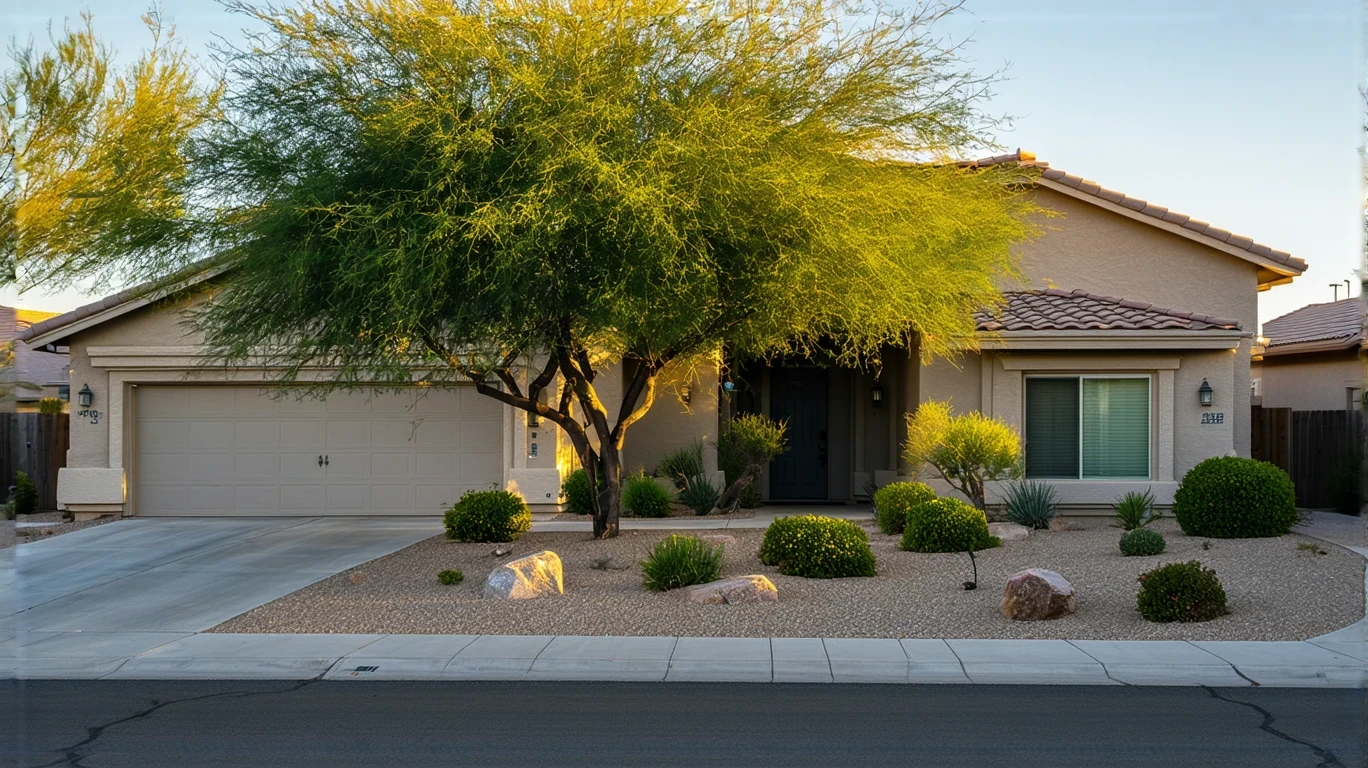
Is Goodyear the Right Place to Spend Your Golden Years?
When retirees compare Arizona destinations, Goodyear often surfaces as a compelling alternative to the crowded corridors of Scottsdale or the sprawling retirement hubs of Sun City. But how does it actually stack up when you weigh healthcare access, day-to-day costs, and the practical realities of aging in a growing suburban city? The answer depends on what you’re optimizing for—and whether you’re willing to trade some of the polish of established retirement enclaves for a community that’s still defining its identity.
Goodyear earns a retirement suitability score of 78 out of 100, reflecting strong healthcare infrastructure, excellent outdoor amenities, and Arizona’s favorable tax treatment of retirement income. The city offers hospital-level care locally, integrated park access that supports an active lifestyle, and even rail transit—a relative rarity in suburban Phoenix. At the same time, housing costs run about 21% above the national baseline, and the extended cooling season means summer utility bills demand attention. For retirees who value access to comprehensive medical care, year-round outdoor activity, and a tax-friendly state, Goodyear delivers. For those seeking walkable village centers or age-restricted resort communities, the picture is more mixed.
What draws retirees here isn’t a single headline feature—it’s the combination of infrastructure that’s already in place and a cost structure that, while not bargain-basement, remains more accessible than many coastal or resort markets. The climate allows for outdoor pursuits nearly every month of the year, the healthcare system includes hospital facilities rather than requiring a drive to another city, and the presence of rail service creates mobility options that reduce total car dependency. These aren’t luxuries in retirement; they’re the structural elements that determine whether a place works as you age.
Healthcare Access for Seniors in Goodyear
One of the most critical factors in evaluating any retirement destination is whether you can access comprehensive medical care without a 45-minute drive. In Goodyear, the answer is yes. The city has a hospital facility present, along with pharmacies that support prescription management and routine medication access. This isn’t just about convenience—it’s about whether a health event requires coordination across multiple cities or can be managed within your own community. For retirees managing chronic conditions, the proximity of hospital-level care reduces logistical friction and provides peace of mind.
Beyond the hospital, Goodyear’s healthcare landscape includes access to clinics for routine and urgent care, which means you’re not funneling every minor issue through an emergency department or waiting days for a primary care appointment. The presence of rail transit also creates an alternative to driving for some medical appointments, which matters more as you age and night driving or freeway merges become less appealing. While the city doesn’t have the density of specialists you’d find in central Phoenix, the regional healthcare network means referrals and specialist visits are accessible within a reasonable drive time.
Medicare acceptance rates in Arizona are generally strong, and the state’s large retiree population means most providers are accustomed to working within Medicare and Medicare Advantage frameworks. Prescription access is supported by local pharmacies, and many retirees find that mail-order options through Medicare Part D plans reduce both cost and errand frequency. The key advantage here isn’t that Goodyear has more hospitals than other cities—it’s that the infrastructure is already in place, so you’re not betting on future development to meet your needs.
Senior-Friendly Amenities and Getting Around
Retirement isn’t just about healthcare—it’s about whether the daily texture of life supports the activities and routines that matter to you. Goodyear’s amenity landscape reflects its role as a growing suburban city rather than a purpose-built retirement enclave, which means you’ll find integrated park access and recreational infrastructure rather than age-restricted clubhouses. The city’s park density exceeds high thresholds, and water features add variety to the outdoor environment. For retirees who prioritize walking, cycling, or simply spending time outside, this infrastructure is already woven into the community.
The presence of notable cycling infrastructure and walkable pockets means that some errands and recreation can happen without a car, though the overall pattern is still corridor-clustered rather than hyperlocal. This is the reality of suburban Phoenix: you’re not walking to a corner café every morning, but you can access parks, some retail, and transit stops on foot if you’re in the right neighborhood. The rail service provides a mobility option that’s uncommon in suburban settings, reducing the total reliance on driving and offering a way to reach regional destinations without navigating freeway traffic.
For retirees who need or prefer structured programming, the city offers libraries and community spaces that host events, classes, and social opportunities. Grocery delivery services are widely available, and ride-hailing apps provide backup transportation when driving isn’t appealing. The key is understanding that Goodyear isn’t designed around a single senior center model—it’s a mixed-use community where retirees share amenities with families and younger residents. That can be a feature or a limitation depending on what you’re looking for.
What Retirement Actually Costs in Goodyear
When retirees compare Goodyear to other Arizona markets—or to the places they’re leaving—cost structure becomes the deciding factor. The median home value of $396,100 reflects the city’s position within the Phoenix metro, where housing costs have risen substantially over the past decade. For retirees downsizing from high-cost coastal markets, this may still represent savings. For those moving from lower-cost regions, it’s a meaningful step up. The key is recognizing that housing will likely be your largest fixed expense, and the regional price parity index of 121 means that overall costs run about 21% above the national baseline.
Arizona’s tax treatment of retirement income is one of the state’s strongest selling points. Social Security benefits are not taxed, and distributions from pensions, 401(k)s, and IRAs are also exempt from state income tax for most retirees. This isn’t a small edge—it’s a structural advantage that compounds every year and effectively offsets some of the higher housing costs. Property taxes in Arizona are moderate compared to many states, though retirees should verify whether any senior exemptions or freezes apply based on age and income.
Utilities in Goodyear are shaped by the climate. The electricity rate of 15.61¢ per kWh is moderate, but the extended cooling season means summer bills will be your highest expense outside of housing. Running air conditioning through triple-digit heat from May through September isn’t optional—it’s a cost of living here. Some retirees find that utilities programs offer budget billing or efficiency incentives, which can smooth out seasonal spikes. Natural gas, priced at $17.24 per MCF, plays a smaller role given the mild winters, but it may still factor into water heating or cooking costs.
Transportation costs depend heavily on how much you drive. Goodyear’s layout and the corridor-clustered errands pattern mean most retirees will still rely on a car for groceries, medical appointments, and social activities. Gas prices at $4.70 per gallon are above the national average, and if you’re making frequent trips across the metro, fuel becomes a line item worth tracking. The presence of rail transit provides an alternative for some trips, which can reduce total vehicle expenses and extend the useful life of a car.
Monthly Retirement Budget in Goodyear
Here’s what a typical monthly retirement budget might look like in Goodyear, based on average senior spending patterns and local costs:
| Category | Modest Lifestyle | Comfortable Lifestyle |
|---|---|---|
| Housing (mortgage/rent or property tax + insurance) | $1,400 | $2,200 |
| Utilities (electric, gas, water, trash) | $180 | $220 |
| Healthcare (Medicare supplement, prescriptions, co-pays) | $350 | $500 |
| Food (groceries and occasional dining) | $400 | $600 |
| Transportation (fuel, maintenance, insurance) | $250 | $400 |
| Entertainment & Recreation | $150 | $350 |
| Miscellaneous (personal care, clothing, household items) | $200 | $300 |
| Total | $2,930 | $4,570 |
Estimates based on average senior spending patterns and local costs; actual expenses vary by housing choice, health needs, and lifestyle preferences.
Community and Social Opportunities
Retirement isn’t just about managing costs and accessing healthcare—it’s about whether you can build a life that feels connected and purposeful. Goodyear’s community character reflects its mixed demographics: it’s not an age-restricted enclave, so retirees share parks, libraries, and civic spaces with families and younger residents. For some, this intergenerational texture is exactly what they want. For others, it means working a bit harder to find your people.
The city’s integrated park system and water features create natural gathering points for walking groups, outdoor fitness classes, and casual socializing. Libraries often host book clubs, lecture series, and technology workshops that appeal to older adults. Faith communities are active throughout the metro, and many offer programming specifically designed for retirees, from volunteer coordination to social events. The key is recognizing that Goodyear doesn’t hand you a built-in social network the way a resort-style retirement community might—you’ll need to seek out the groups and activities that match your interests.
Volunteer opportunities abound, particularly in a city that’s still growing and defining its civic identity. Retirees often find that local nonprofits, schools, and municipal programs welcome experienced volunteers who can contribute time and expertise. Seasonal events, farmers markets, and cultural programming provide additional touchpoints, though the density and frequency may not match what you’d find in a more established arts hub. Proximity to family is another factor: Goodyear’s location within the Phoenix metro makes it accessible for visiting relatives, and the airport is a reasonable drive for those whose children or grandchildren live out of state.
Aging in Place: Can Goodyear Support You Long-Term?
One of the most important questions retirees face is whether a place can adapt as your needs change. Goodyear’s low-rise building character means most housing is single-story or includes accessible ground-floor units, which reduces the need for stairs and simplifies home modifications. The presence of hospital facilities and clinics locally means that in-home care providers and visiting health services have a foundation to work from, rather than requiring long drives for every appointment or service call.
The city’s walkable pockets and rail transit create some flexibility for retirees who eventually stop driving, though the corridor-clustered errands pattern means you’ll still need strategies for grocery shopping and routine tasks. Some neighborhoods are better positioned than others for car-free or car-light living, so location within Goodyear matters. The climate supports year-round outdoor activity, which helps maintain mobility and independence, but the summer heat requires adaptation—early morning walks, indoor fitness options, and reliable air conditioning aren’t luxuries, they’re necessities.
Assisted living and memory care options exist within the broader Phoenix metro, and the regional healthcare network means transitions to higher levels of care don’t require leaving the area entirely. Home modification services—ramps, grab bars, widened doorways—are widely available, and contractors familiar with aging-in-place renovations are accessible. The question isn’t whether Goodyear can support aging in place in theory; it’s whether your specific housing choice, neighborhood walkability, and social network will allow you to stay as long as you want.
Frequently Asked Questions About Retirement in Goodyear
What’s the average cost of retirement in Goodyear?
A modest retirement lifestyle in Goodyear typically requires around $2,930 per month, while a more comfortable budget runs closer to $4,570 per month. Housing is the largest expense, with the median home value at $396,100 and median rent at $1,711 per month. Arizona’s lack of state income tax on Social Security and retirement account distributions helps offset the higher cost of living compared to the national baseline.
How good is healthcare access for seniors?
Goodyear has a hospital facility present, along with pharmacies and clinics that support routine and urgent care. This means comprehensive medical services are available locally rather than requiring drives to other cities. The regional healthcare network provides access to specialists, and Medicare acceptance is strong throughout Arizona. The presence of rail transit also offers an alternative to driving for some medical appointments.
Are there active senior communities?
Goodyear’s community character is mixed rather than age-restricted, meaning retirees share amenities with families and younger residents. The city offers integrated park access, notable cycling infrastructure, and walkable pockets, which support active lifestyles. Libraries, community centers, and faith organizations provide social and volunteer opportunities, though you’ll need to seek out groups that match your interests rather than relying on a built-in clubhouse model.
What are the tax implications of retiring in Arizona?
Arizona does not tax Social Security benefits, and most retirees also avoid state income tax on pension distributions and withdrawals from 401(k)s and IRAs. Property taxes are moderate compared to many states, though specific exemptions or freezes may apply based on age and income. The combination of no state tax on retirement income and relatively low property tax rates makes Arizona one of the more tax-friendly states for retirees.
Making the Move: Is Goodyear Right for Your Retirement?
Goodyear offers a retirement proposition that’s distinct from both the resort-style enclaves and the dense urban cores of the Phoenix metro. You get hospital-level healthcare locally, integrated outdoor amenities that support an active lifestyle, and Arizona’s favorable tax treatment of retirement income. The housing pressure is real—costs run about 21% above the national baseline—but the structural advantages of no state income tax and year-round outdoor access create offsetting value for many retirees.
The city works best for retirees who are comfortable in a mixed community, who value access to parks and trails over age-restricted clubhouses, and who are prepared to manage the extended cooling season’s impact on utility bills. If you’re looking for a place where you can walk to everything, Goodyear isn’t that—but if you’re looking for a place where walkable pockets, rail transit, and strong healthcare infrastructure reduce your total reliance on driving, it delivers more than most suburban markets.
The decision ultimately comes down to what you’re optimizing for. If tax efficiency, outdoor access, and local hospital care top your list, Goodyear earns serious consideration. If you need a built-in social network, resort amenities, or hyperlocal walkability, you may find better fits elsewhere in the metro. The infrastructure is here, the costs are transparent, and the community is still evolving—which means you have the opportunity to shape your retirement experience rather than simply fitting into a pre-designed model.
How this article was built: In addition to public economic data, this article incorporates location-based experiential signals derived from anonymized geographic patterns—such as access density, walkability, and land-use mix—to reflect how day-to-day living actually feels in Goodyear, AZ.