
How much is enough to feel at ease? In Garner, the answer depends less on hitting a specific number and more on understanding where income pressure shows up first—and whether your household can absorb it without constant tradeoffs.
This isn’t about calculating a minimum salary or building a perfect budget. It’s about recognizing which costs dominate daily decisions, how different household types experience the same income differently, and what separates households that feel comfortable from those that feel stretched.
What “Living Comfortably” Means in Garner
Comfort in Garner isn’t about luxury. It’s about having enough margin that a hot summer doesn’t force you to choose between cooling your home and saving money. It’s being able to drive to work, the grocery store, and weekend errands without constantly calculating fuel costs. It’s having space for your household without sacrificing an hour of commute time each way.
For many households, comfort also means predictability: knowing that a lease renewal, a spike in utility bills, or an unexpected car repair won’t derail the month. It means being able to say yes to dinner out occasionally, or to replace something that breaks, without anxiety.
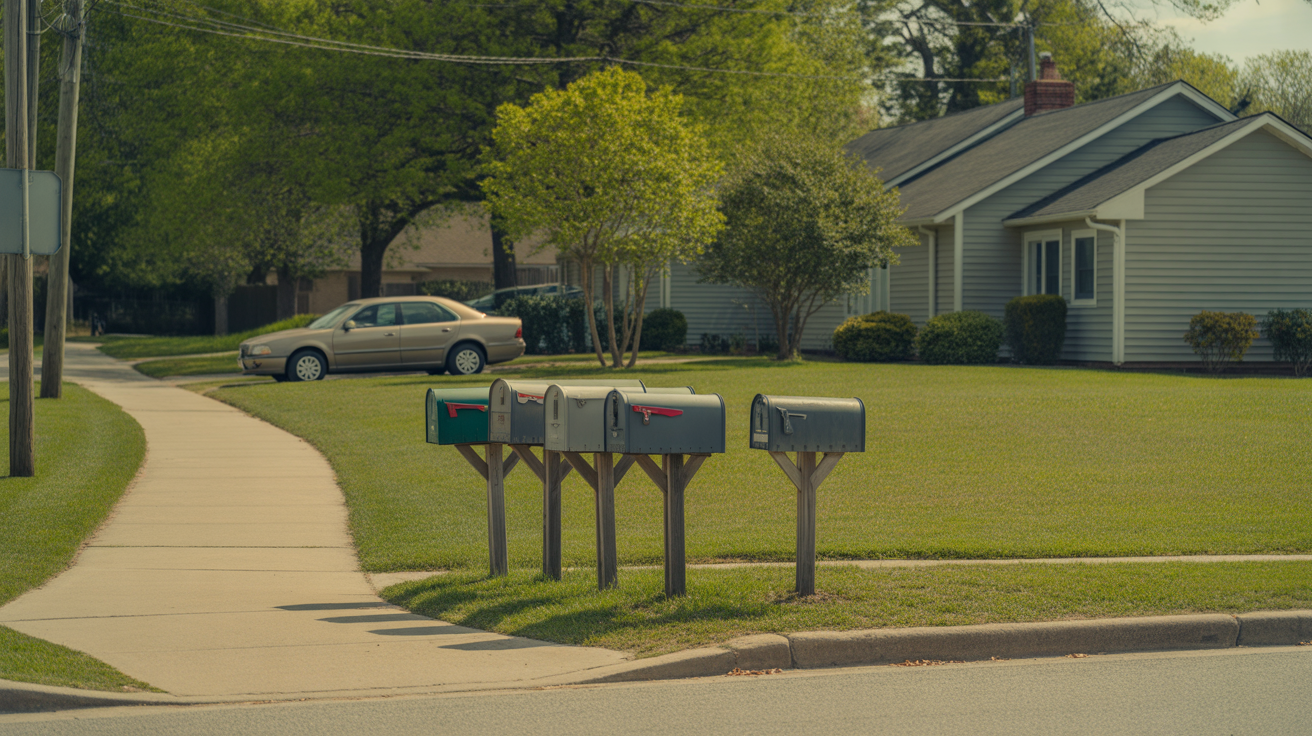
Garner sits in the Raleigh metro area, functioning primarily as a commuter suburb. That geography shapes expectations. People here generally expect single-family homes or townhomes with yards, not apartments. They expect to drive nearly everywhere. And they expect long, hot, humid summers that keep air conditioning running for months.
Those expectations aren’t unreasonable—but they do require income to support them. And when income falls short, the tradeoffs start immediately.
Where Income Pressure Shows Up First
In Garner, housing and transportation form the foundation of financial pressure. Most residents need a car to get to work, run errands, and manage family logistics. Public transit options are limited, and the suburban layout means distances add up quickly. That makes vehicle ownership, fuel, insurance, and maintenance non-negotiable for most households.
Housing tradeoffs are equally unavoidable. Garner offers more space and lower prices than Raleigh proper, but that often comes with longer commutes. Families looking for good school access, safe neighborhoods, and enough bedrooms face real constraints. Renters deal with renewal increases and limited inventory. Buyers face rising home prices and property taxes that climb over time.
Utility costs add another layer of exposure. The extended cooling season means air conditioning isn’t optional—it’s a necessity for health and basic comfort. Households that can’t absorb seasonal swings in electricity bills often find themselves adjusting thermostats to uncomfortable levels or falling behind on other expenses.
For families, childcare and school logistics amplify pressure. Daycare costs, after-school care, and the need to coordinate pickups and drop-offs all require either money or time—and often both. Single parents and dual-income households feel this acutely.
The key insight: income pressure in Garner isn’t evenly distributed across all expenses. It concentrates in housing, transportation, and utilities—and it hits hardest when households lack flexibility in any of those areas.
How the Same Income Feels Different by Household
A single adult earning a moderate income in Garner can often find a one-bedroom apartment or small rental, keep transportation costs manageable with one reliable vehicle, and maintain a relatively predictable budget. Comfort depends on whether they can absorb occasional cost increases without cutting into savings or essentials.
Couples at a similar income level per person often feel more stretched. They may want more space, which increases rent or mortgage costs. If both work, they may need two vehicles, doubling transportation expenses. Utility bills rise with larger homes. The margin that felt adequate for one person thins quickly when supporting two.
Families face the steepest pressure. Even at higher household income levels, the cost of housing large enough for children, reliable transportation for multiple schedules, childcare or after-school care, and utilities for a larger home can consume income faster than expected. Families also face less flexibility: they can’t easily downsize housing, reduce transportation, or skip climate control during extreme heat.
Households at similar income levels often experience very different pressure depending on size, structure, and flexibility. A couple without children may feel comfortable at an income level that leaves a family of four constantly managing tradeoffs.
The Comfort Threshold (Qualitative)
There’s a transition point where income stops dictating every decision. It’s not a specific number—it’s the point where a household can:
- Choose housing based on preference, not just affordability
- Absorb a utility spike or car repair without panic
- Save consistently, even if modestly
- Say yes to occasional discretionary spending without guilt
- Handle a lease renewal or property tax increase without restructuring the budget
Below that threshold, households make constant tradeoffs. Above it, tradeoffs become occasional. The threshold itself varies by household type, expectations, and risk tolerance—but the feeling of crossing it is consistent: relief.
In Garner, reaching that threshold requires enough income to cover car-dependent transportation, housing with adequate space, and utilities through a long cooling season—while still having margin left over. For families, it also requires enough to manage childcare logistics without constant financial stress.
Why Online Cost Calculators Get Garner Wrong
Most cost-of-living calculators produce a total: a single number meant to represent what you need to live in Garner. But totals mislead.
They don’t account for the fact that Garner’s suburban layout makes car ownership essential, not optional. They don’t reflect the intensity of summer cooling costs or the duration of the cooling season. They don’t capture the tradeoff between housing affordability and commute time. And they don’t distinguish between a single adult, a couple, and a family of four—even though those households experience the same income completely differently.
Calculators also assume average behavior: average commuting, average housing size, average utility usage. But in Garner, there’s no such thing as average. A household that prioritizes proximity to Raleigh will pay more for housing. A household that prioritizes space will drive farther. A household with young children will face costs that don’t appear in any standard formula.
People feel surprised after moving because they trusted a total instead of understanding the structure. The number said it was affordable. The reality revealed which tradeoffs they’d actually have to make—and whether they could live with them.
How to Judge Whether Your Income Fits Garner
Instead of asking “Is my income high enough?”, ask:
- How sensitive are you to housing tradeoffs? Can you accept a longer commute in exchange for more space, or do you need to be close to work?
- Can you absorb seasonal utility swings? Will a summer electricity bill that’s significantly higher than winter create stress, or can you handle the variability?
- Is time or money your limiting factor? If commuting saves money but costs an hour each way, does that work for your household?
- How much flexibility do you expect month to month? Do you need discretionary income for dining out, travel, and hobbies—or can you live with a tighter routine?
- If you have children, can you manage care logistics? Does your income support daycare, after-school care, or the ability for one parent to adjust work hours?
Your answers reveal whether Garner’s cost structure aligns with your income and expectations. If your income supports the tradeoffs you’re willing to make, Garner can work well. If it doesn’t, you’ll feel the gap immediately—and constantly.
FAQs About Living Comfortably in Garner
Can a single person live comfortably in Garner on a moderate income?
Yes, if they can find affordable housing, maintain one reliable vehicle, and absorb utility seasonality without stress. Comfort depends on whether discretionary spending and savings remain possible after covering essentials.
Do families need significantly more income than couples to feel comfortable?
Usually, yes. Families face higher housing costs (more bedrooms), transportation complexity (multiple schedules), childcare expenses, and less flexibility to downsize or adjust. The same income that works for a couple often feels tight for a family of four.
Does living farther from Raleigh make Garner more affordable?
It shifts costs, not eliminates them. Housing may cost less, but commuting time and fuel costs rise. Whether that tradeoff improves affordability depends on how much your time is worth and whether your household can absorb transportation variability.
How much do utility costs affect comfort in Garner?
Significantly. The extended cooling season means air conditioning runs for months, and electricity costs rise accordingly. Households that can’t absorb seasonal swings often reduce cooling to uncomfortable levels or fall behind on other bills.
Is Garner affordable compared to Raleigh?
Garner typically offers lower housing costs than Raleigh proper, but it requires car dependency and often longer commutes. Whether that makes it more affordable depends on your household’s transportation needs and tolerance for driving.
How this article was built: This article draws on regional economic context and typical suburban cost structures. It reflects decision-oriented analysis of how income pressure and household comfort interact in Garner, without relying on numeric income thresholds or budget formulas.
Garner can work well for some households—but only if expectations match reality. Comfort here isn’t about hitting a magic number. It’s about understanding where your income goes, which tradeoffs you’re willing to make, and whether the margin that’s left is enough to feel at ease.