
Is Garner expensive to live in? Garner is considered moderately priced in 2026, with housing entry costs and car dependence shaping the overall expense profile more than day-to-day prices. The value proposition depends on housing entry cost versus transportation exposure.
Overall Cost of Living Snapshot
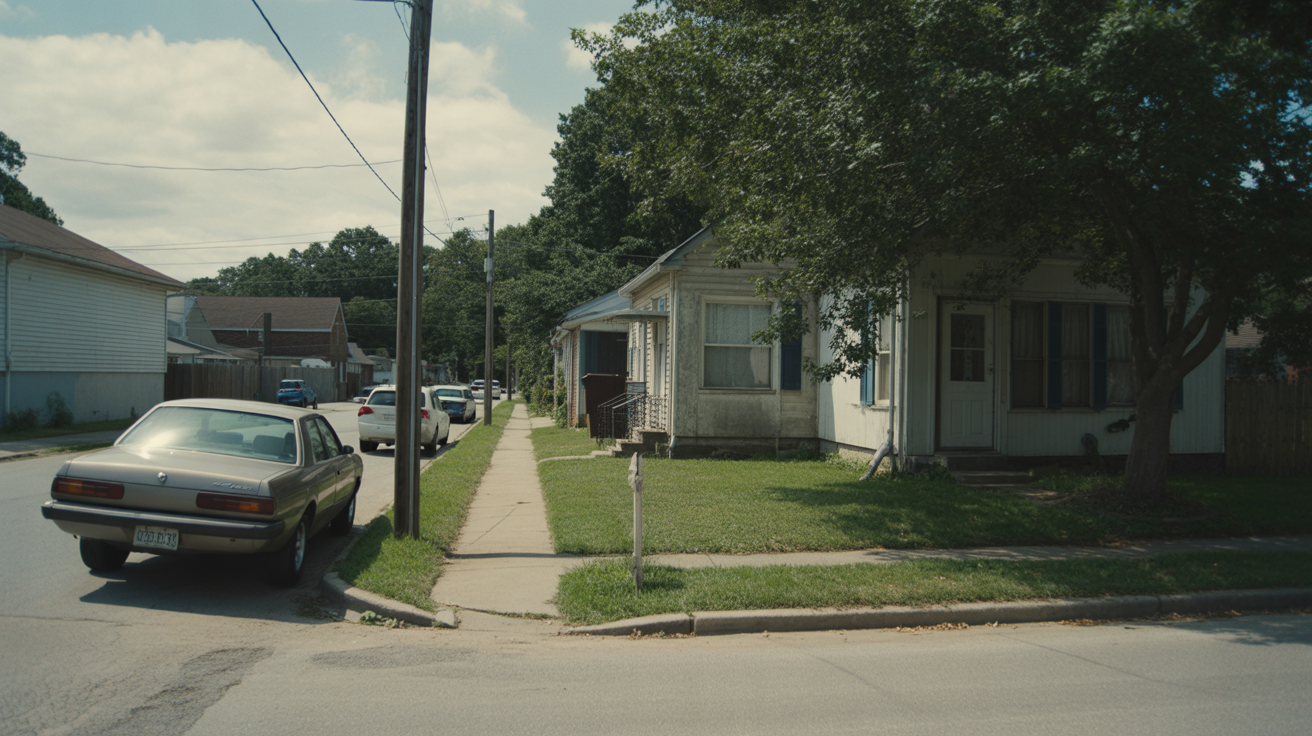
Over the last five years, cost of living trends across the Triangle region have reflected steady upward pressure on housing and transportation, while grocery and utility costs have remained relatively stable with seasonal variation. Garner sits in the suburban orbit of Raleigh, functioning primarily as a commuter community with a mix of single-family neighborhoods, townhomes, and apartment complexes built over several decades.
The shape of costs here is defined by two structural realities: housing entry barriers and car dependency. Garner does not have the transit infrastructure or walkable density that would allow most households to reduce vehicle ownership, and the majority of employment, healthcare, and retail destinations require driving. At the same time, housing stock varies widely in age, condition, and price tier, creating meaningful differences in monthly obligations depending on when and what you buy or rent.
Unlike urban cores where rent and utilities dominate monthly strain, or rural areas where transportation and maintenance drive exposure, Garner’s cost structure is split: housing determines your baseline, and transportation determines your ongoing vulnerability. Surprises tend to come from underestimating commute frequency, vehicle maintenance cycles, and the compounding effect of car dependency on household logistics.
Driver verdict: Housing affordability and transportation exposure are the primary cost levers. Utility seasonality and grocery prices create moderate variability, but the biggest financial differences between households come from housing type, commute length, and vehicle count.
Housing Costs (Primary Driver)
Housing in Garner spans older ranch-style homes, mid-2000s subdivisions, and newer townhome developments, each with distinct cost profiles and maintenance expectations. Ownership costs vary significantly depending on property age, HOA involvement, and proximity to Raleigh-adjacent employment corridors. Rental inventory includes older garden-style apartments, newer complexes near retail hubs, and single-family rentals scattered across neighborhoods.
The renting versus owning decision in Garner hinges on entry cost tolerance and timeline. Renting offers lower upfront commitment and flexibility, particularly for households testing the market or planning short stays. Owning locks in predictable principal and interest payments but exposes households to property tax adjustments, insurance volatility, and maintenance cycles that vary widely by home age. Older homes may offer lower purchase prices but higher ongoing repair exposure; newer builds reduce maintenance risk but often come with HOA fees and higher insurance premiums.
Garner functions as a transitional city for many households—affordable enough to enter homeownership but close enough to Raleigh to justify renting while building equity elsewhere or waiting for job stability. The housing market here rewards patience and timing more than it punishes late entry, but it does not offer the rent stability or ownership appreciation of higher-demand suburban cores.
| Housing Type | Cost Anchor | What That Buys You |
|---|---|---|
| Older Single-Family Home | Lower entry, variable maintenance | Ownership access, yard space, repair exposure |
| Newer Townhome or Subdivision | Higher entry, HOA fees | Lower maintenance risk, amenities, predictable exterior upkeep |
| Apartment Rental | Moderate monthly, low commitment | Flexibility, included maintenance, proximity to retail |
| Single-Family Rental | Higher monthly, variable condition | Space, yard access, lease-term risk |
Conclusion: Garner is a buying city for households with stable income and timeline certainty, and a renting city for those prioritizing flexibility or testing the region. The housing market does not punish either choice harshly, but it rewards strategic timing and realistic maintenance budgeting.
Utilities & Energy Risk
Utility costs in Garner are shaped by North Carolina’s hot, humid summers and mild winters. Cooling dominates seasonal expense, with extended air conditioning use from late spring through early fall. Heating exposure is lower and shorter, typically limited to occasional cold snaps rather than sustained winter demand. Homes with older HVAC systems, poor insulation, or large square footage face meaningfully higher summer bills, while newer construction with efficient systems and programmable thermostats reduces exposure.
Electricity is the primary utility lever. Natural gas is available in some neighborhoods but not universal; many homes rely on electric heat pumps for both heating and cooling. Water and sewer costs are generally stable and billed separately, with modest seasonal variation tied to outdoor irrigation. Trash and recycling services are typically included in municipal or HOA fees, depending on housing type.
The biggest utility surprise for newcomers is the duration and intensity of cooling season. Triple-digit summer heat is not rare, and households without efficient cooling systems or behavioral strategies (programmable thermostats, strategic ventilation, shade management) face compounding monthly exposure. Heating costs are lower and more predictable, but homes with electric resistance heat rather than heat pumps can see sharp spikes during rare cold stretches.
Risk classification: Moderate. Utility costs are not the dominant expense category in Garner, but summer cooling exposure creates meaningful variability between efficient and inefficient homes. Households in older housing stock or larger square footage should plan for higher seasonal swings.
Groceries & Daily Costs
Grocery costs in Garner reflect a competitive suburban retail environment with a mix of national chains, discount grocers, and regional options. Stores such as Food Lion, Walmart, Aldi, and Lidl provide tiered pricing structures, allowing households to adjust shopping behavior based on budget tolerance and brand preference. Proximity to Raleigh also expands access to specialty stores, ethnic markets, and bulk retailers like Costco, though these require additional drive time.
Day-to-day grocery pressure in Garner is moderate and manageable for most households. The presence of discount chains reduces baseline costs for staples, while mid-tier and premium options remain accessible without significant travel. Families with dietary restrictions, organic preferences, or specialty needs may need to shop across multiple stores or drive into Raleigh for broader selection, adding time and transportation cost to the equation.
Non-grocery daily costs—personal care, household supplies, pharmacy—are similarly competitive, with big-box retailers and chain pharmacies clustered near major intersections. The cost structure here does not create significant financial strain on its own, but it does assume vehicle access and willingness to drive for better prices or selection.
Transportation Reality
Garner is a car-dependent suburb. Public transit options are limited, and the street network is designed around vehicle access rather than walkability or bike infrastructure. Most employment, healthcare, and retail destinations require driving, and commute patterns typically involve travel into Raleigh, Cary, or Research Triangle Park.
A typical round-trip commute of 25 miles is common for households working in Raleigh or RTP, translating to significant monthly fuel, maintenance, and vehicle depreciation exposure. Households with two working adults often require two vehicles, doubling insurance, registration, and upkeep costs. Single-vehicle households face logistical complexity and reduced flexibility, particularly for families managing school, errands, and work schedules simultaneously.
Transportation functions as a recurring exposure rather than a one-time cost. Fuel prices fluctuate seasonally, maintenance cycles are predictable but non-negotiable, and vehicle replacement timelines create periodic financial pressure. Households that underestimate the cumulative cost of car dependency—fuel, insurance, repairs, registration, depreciation—often find transportation rivaling or exceeding housing as a monthly burden.
Commute norms: Garner is a commuter suburb, and [getting around](https://indexyard.com/best-moving-companies-guide/) requires personal vehicle ownership for the vast majority of households. The transportation cost structure here is not about fare prices or parking fees; it is about vehicle count, commute distance, and maintenance discipline.
Cost Exposure Profiles
Cost exposure in Garner is shaped by three primary levers: housing entry versus long-term ownership costs, transportation dependence, and utility seasonality. Households with low exposure tend to own efficient homes, work locally or remotely, and maintain one reliable vehicle. High-exposure households face long commutes, older housing stock with deferred maintenance, and multi-vehicle dependency.
Renters in newer complexes with included maintenance and short commutes experience the lowest cost volatility, trading higher monthly rent for predictable expenses and reduced logistical burden. Owners of older homes with long commutes face the highest exposure, balancing mortgage payments, repair cycles, and compounding transportation costs. First-time buyers in newer subdivisions occupy a middle ground: higher entry costs and HOA fees in exchange for lower maintenance risk and predictable utility performance.
The distinction between low- and high-exposure situations is not about income sufficiency—it is about structural alignment. A household with stable remote work, a well-maintained home, and minimal driving faces fundamentally different cost behavior than a household with two long commutes, an aging HVAC system, and deferred roof repairs. Both may have identical incomes, but their financial exposure and decision flexibility differ sharply.
Garner rewards households that plan for transportation as a fixed cost, budget for seasonal utility swings, and approach housing decisions with realistic maintenance expectations. It does not reward assumptions that suburban living is inherently cheaper than urban alternatives, or that car dependency is a minor line item.
Frequently Asked Questions
Is Garner more affordable than Raleigh in 2026? Garner tends to offer lower housing entry costs than Raleigh, but transportation exposure is higher due to car dependency and commute distances. The overall cost structure depends on whether you prioritize lower rent or reduced driving.
What does a typical cost profile look like in Garner? Housing and transportation dominate monthly expenses, with utilities creating moderate seasonal swings during summer cooling months. Grocery and daily costs are competitive and manageable for most households.
Do utilities cost more in Garner than nearby areas? Utility costs are comparable to other Triangle suburbs, with summer cooling season driving the majority of variability. Homes with older HVAC systems or poor insulation face higher exposure than newer, efficient construction.
What costs tend to surprise newcomers in Garner? Transportation exposure is the most common surprise—fuel, maintenance, insurance, and vehicle depreciation add up quickly, especially for households with two long commutes. Summer cooling costs also catch renters and buyers unfamiliar with extended heat and humidity.
Are property taxes higher in Garner than Cary or Apex? Property tax rates vary by municipality and county, but Garner’s rates are generally comparable to other Wake County suburbs. Differences in home value and assessment timing create more variation than rate differences alone.
Is Garner a good place to rent or buy? Garner works well for buyers with stable timelines and realistic maintenance budgets, and for renters seeking flexibility or testing the region. The housing market does not heavily favor one choice over the other, making it a transitional-friendly city.
How much does car dependency add to monthly costs in Garner? Car dependency is a structural reality in Garner, and the cumulative cost—fuel, insurance, maintenance, depreciation—often rivals housing as a monthly expense. Households with two vehicles and long commutes face the highest exposure.
What drives the biggest cost differences between households in Garner? Housing type, commute length, and vehicle count create the largest financial differences. Seasonal utility swings and maintenance cycles add variability, but the primary levers are housing entry cost and transportation exposure.
—