
How Grocery Costs Feel in Garner
Grocery prices in Garner feel typical of a suburban market in the Research Triangle region—neither bargain territory nor premium-priced, but shaped heavily by which stores you choose and how far you’re willing to drive. The town sits in a zone where discount chains, mid-tier grocers, and premium markets all operate within a few miles, meaning your weekly food bill can swing considerably based on store loyalty and shopping habits. For families, that variability matters. For singles or couples with flexible schedules, it creates opportunity to optimize without much friction.
Who notices grocery costs most in Garner depends less on the absolute price of milk or chicken and more on household size and income elasticity. A single professional might absorb a $60 weekly shop without much planning. A family of four buying for school lunches, dinners, and snacks will feel the difference between a $140 week and a $200 week—and that gap is almost entirely a function of store choice and waste management. Garner’s grocery landscape rewards intentionality. Households that treat store selection as a fixed habit rather than a flexible decision tend to experience more pressure than those who rotate based on sales cycles and bulk opportunities.
The baseline experience here isn’t driven by scarcity or premium regional costs. It’s driven by suburban sprawl and the assumption that everyone drives. Access is wide, but convenience is uneven. That creates a quiet cost: the time-versus-price tradeoff that defines grocery shopping in car-dependent markets.
Store Choice & Price Sensitivity
Grocery price pressure in Garner varies more by store tier than by any single “average” price level. The discount tier—represented by chains focused on private-label goods, limited selection, and no-frills environments—offers the lowest per-item costs and the highest savings potential for households willing to plan around what’s available rather than what’s preferred. Families stretching budgets or managing fixed incomes often anchor their shopping routines here, accepting reduced variety in exchange for meaningful weekly savings. The tradeoff isn’t just price; it’s also time spent comparing unit costs and managing multiple stops if certain items aren’t stocked.
Mid-tier grocers occupy the middle ground: recognizable national brands, broader selection, occasional sales, and a shopping experience that doesn’t require as much cognitive load. This is where most dual-income households and retirees with moderate flexibility tend to shop. Prices run higher than discount chains but lower than specialty stores, and the convenience factor—predictable inventory, familiar layouts, integrated pharmacies—reduces friction. For many Garner residents, mid-tier stores represent the default, not because they’re optimal, but because they’re reliable and close.
Premium and specialty grocers serve a smaller segment: households prioritizing organic options, prepared foods, or specific dietary needs. Prices here can run 20–40% higher than mid-tier equivalents, but the value proposition isn’t just the product—it’s the curation, the ready-to-eat solutions, and the perception of quality. For time-constrained professionals or health-focused shoppers, the premium tier isn’t indulgence; it’s a deliberate tradeoff of money for convenience and control. In Garner, access to this tier exists but isn’t dominant, meaning households who prioritize it may drive farther or accept smaller store footprints.
What Drives Grocery Pressure Here
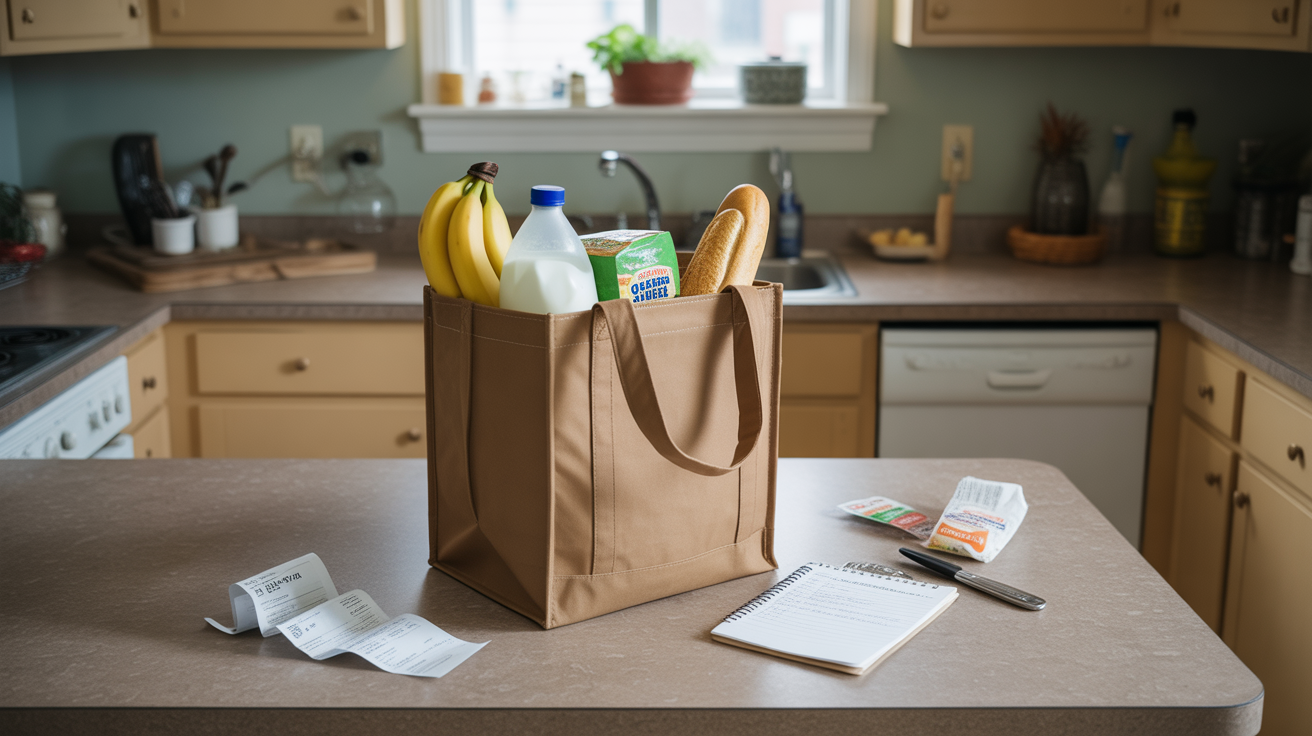
Grocery pressure in Garner isn’t uniform—it’s a function of household composition, income stability, and transportation access. Families with young children face the highest sensitivity. A household feeding four people three meals a day, managing school lunches, and keeping snack inventory stocked will spend meaningfully more than a couple cooking dinner five nights a week. The volume alone creates pressure, but so does the waste risk: buying in bulk saves money only if the food gets used before it spoils. Families without strong meal-planning routines or flexible schedules often end up paying a premium for smaller, more frequent shops at whichever store is closest.
Income interaction plays a quieter but equally important role. Households earning below the regional median feel grocery costs as a binding constraint—a category where cutting back requires real sacrifice, not just optimization. For these households, price-per-pound comparisons, coupon stacking, and store rotation aren’t optional strategies; they’re necessary tools. Conversely, households with higher incomes experience grocery shopping as a convenience decision rather than a budget puzzle. The same cart might cost $180 at one store and $220 at another, but the difference doesn’t trigger behavioral change.
Regional distribution patterns also shape the experience. Garner benefits from proximity to Raleigh’s broader retail infrastructure, meaning competition exists and prices don’t spike due to isolation. But the suburban layout means that accessing the lowest-cost options often requires driving past closer, pricier alternatives. That geography creates a hidden cost: the time and fuel spent chasing savings. For households with tight schedules—shift workers, single parents, anyone without flexible hours—the “cheap” store isn’t always the affordable one when you factor in the trip.
Practical Ways People Manage Grocery Costs
Managing grocery costs in Garner starts with store-tier awareness. Households that treat their primary grocer as a fixed choice leave money on the table. Rotating between a discount chain for staples, a mid-tier store for fill-ins, and occasional bulk runs reduces weekly spending without requiring extreme couponing or deprivation. The key is knowing which categories to buy where: dry goods, canned items, and frozen vegetables perform well at discount stores, while produce quality and meat selection often justify mid-tier or premium stops.
Meal planning reduces waste and eliminates the premium paid for last-minute convenience purchases. Households that plan five to seven dinners before shopping, build lists around sales, and prep ingredients in advance consistently spend less than those who shop reactively. The savings aren’t dramatic on any single trip, but compounded over months, the difference between intentional and reactive shopping becomes significant. Planning also reduces reliance on takeout as a fallback, which carries its own cost implications.
Buying in bulk works—but only with discipline. Warehouse clubs and large-format stores offer lower per-unit costs on nonperishables, but the upfront outlay and the risk of over-purchasing can backfire. Households with storage space, predictable consumption patterns, and the ability to absorb a $200 shopping trip benefit most. Smaller households or those without pantry space often find that bulk buying creates waste rather than savings, especially for fresh items with short shelf lives.
Seasonal shopping and flexibility around brands also matter. Produce costs fluctuate with growing seasons, and households willing to shift their menus based on what’s cheap and abundant—rather than what’s preferred—gain an edge. Similarly, treating brand loyalty as negotiable rather than fixed opens access to store-brand and private-label products that often match quality at lower price points. The friction here isn’t financial; it’s psychological. Many households pay more out of habit than necessity.
Groceries vs Eating Out
The tradeoff between cooking at home and eating out isn’t just financial—it’s about time, energy, and household rhythm. Cooking consistently at home costs less per meal than restaurant or takeout spending, but the gap depends on what you cook and where you shop. A household preparing simple, staple-based meals at a discount grocer will see a wide margin between grocery costs and dining out. A household buying pre-prepped ingredients at a premium store and comparing that to fast-casual takeout will see the gap narrow considerably.
For many Garner households, dining out functions as a release valve: a way to avoid cooking fatigue, celebrate occasions, or solve the “nothing planned” problem. The cost isn’t always planned, and it’s rarely optimized. Families that eat out twice a week without tracking the cumulative impact often underestimate how much it adds to monthly food spending. The decision feels small in the moment, but repeated over weeks, it shifts the household’s cost structure in ways that aren’t always visible until reviewed in aggregate.
The practical middle ground involves treating dining out as a budgeted category rather than a spontaneous one, and using grocery planning to reduce the frequency of “emergency” takeout. Households that keep easy-to-prepare staples on hand—pasta, rice, frozen proteins, canned goods—create a buffer against the takeout impulse. That doesn’t eliminate dining out, but it converts it from a necessity into a choice, which changes both the frequency and the financial impact.
FAQs About Grocery Costs in Garner (2026)
Is it cheaper to shop in bulk in Garner? Bulk buying reduces per-unit costs, but only if you have the storage space and consumption patterns to use what you buy before it spoils. Warehouse clubs and large-format stores operate in the area, and households that plan around nonperishables and high-use items benefit most.
Which stores in Garner are best for low prices? Discount-tier grocers focused on private-label goods and limited selection offer the lowest prices, but require flexibility around brand and product availability. Mid-tier chains provide broader selection at moderate prices, while premium and specialty stores charge more for convenience, quality, and prepared options.
How much more do organic items cost in Garner? Organic and specialty products typically carry a noticeable premium over conventional equivalents, with the gap widening at mid-tier and premium stores. Households prioritizing organic goods should expect to budget accordingly and may benefit from focusing organic spending on high-impact categories rather than across the board.
How do grocery costs for two adults in Garner tend to compare to nearby cities? Garner’s grocery costs reflect typical suburban pricing in the Research Triangle area—neither the lowest nor the highest in the region. Proximity to Raleigh’s retail infrastructure keeps competition healthy, but the car-dependent layout means access to the lowest-cost options requires intentional travel.
How do households in Garner think about grocery spending when cooking at home? Most households treat grocery shopping as a routine rather than a strategy, which leaves room for optimization. Those who rotate stores based on sales, plan meals around what’s affordable and in season, and minimize waste tend to experience less pressure than those who shop reactively or stick to a single store out of habit.
Does shopping at different stores really make a difference? Yes—store tier choice is one of the largest levers households control. A family that shifts staple purchases to a discount grocer while using mid-tier stores for fill-ins and premium stores selectively can reduce weekly spending without sacrificing quality or variety.
What’s the biggest mistake people make with grocery costs in Garner? Treating grocery shopping as a fixed habit rather than a flexible decision. Households that don’t compare store tiers, plan meals, or track waste often spend more than necessary—not because prices are high, but because their approach doesn’t align with how suburban grocery markets actually work.
How Groceries Fit Into the Cost of Living in Garner
Groceries represent a meaningful but secondary component of household costs in Garner. Housing—whether rent or mortgage—and utilities dominate the monthly budget, and transportation follows closely in car-dependent households. Groceries sit in the middle: large enough to notice, flexible enough to manage, and sensitive enough to household size and habits that small changes compound over time. Unlike rent, which resets annually, or utilities, which fluctuate seasonally, grocery costs respond immediately to behavior. That makes them one of the few categories where households can see the impact of adjustments within weeks rather than months.
For a complete picture of what it costs to live in Garner—how housing, utilities, transportation, and food combine into a realistic monthly total—see A Month of Expenses in Garner: What It Feels Like. That article breaks down the full cost structure and explains how different household types experience financial pressure across all major categories, not just groceries.
The key to managing grocery costs here isn’t finding a secret store or a perfect coupon strategy. It’s understanding that Garner’s grocery landscape rewards intentionality: knowing which stores serve which needs, planning around sales and seasons, and treating food spending as a flexible system rather than a fixed line item. Households that approach groceries with that mindset consistently spend less and waste less, without sacrificing quality or variety. Those who don’t often wonder why the bills feel higher than they should.
How this article was built: This article draws on qualitative analysis of suburban grocery market structures, store tier dynamics, and household cost sensitivity patterns typical of mid-sized North Carolina communities. It reflects how day-to-day shopping decisions interact with transportation access, household composition, and income elasticity in car-dependent suburban environments.