
Frisco’s housing market reflects the tension between rapid suburban growth and the elevated income base that’s driven it. With a median home value of $531,400 and median rent at $1,803 per month, this isn’t a low-cost suburb—it’s a place where housing costs align with a median household income of $144,567 per year. That income figure matters, because it explains why home values have climbed and why the ownership vs rental decision here carries different weight than in slower-growing or lower-income suburbs.
What makes Frisco distinct isn’t just the price level—it’s the structure underneath. The city has developed with more vertical density and mixed land use than typical sprawl, and grocery and errands accessibility exceeds what you’d expect in a car-dependent suburb. That changes how housing costs interact with daily logistics: walkable pockets and integrated park access mean some neighborhoods function more like urban districts than traditional subdivisions, which affects both the appeal and the friction of owning versus renting.
This article explains how housing costs behave in Frisco, what drives ownership exposure over time, and which household types fit the market’s structure. It’s not about qualifying for a mortgage—it’s about understanding what you’re paying for and how predictable those costs remain as the city continues to grow.
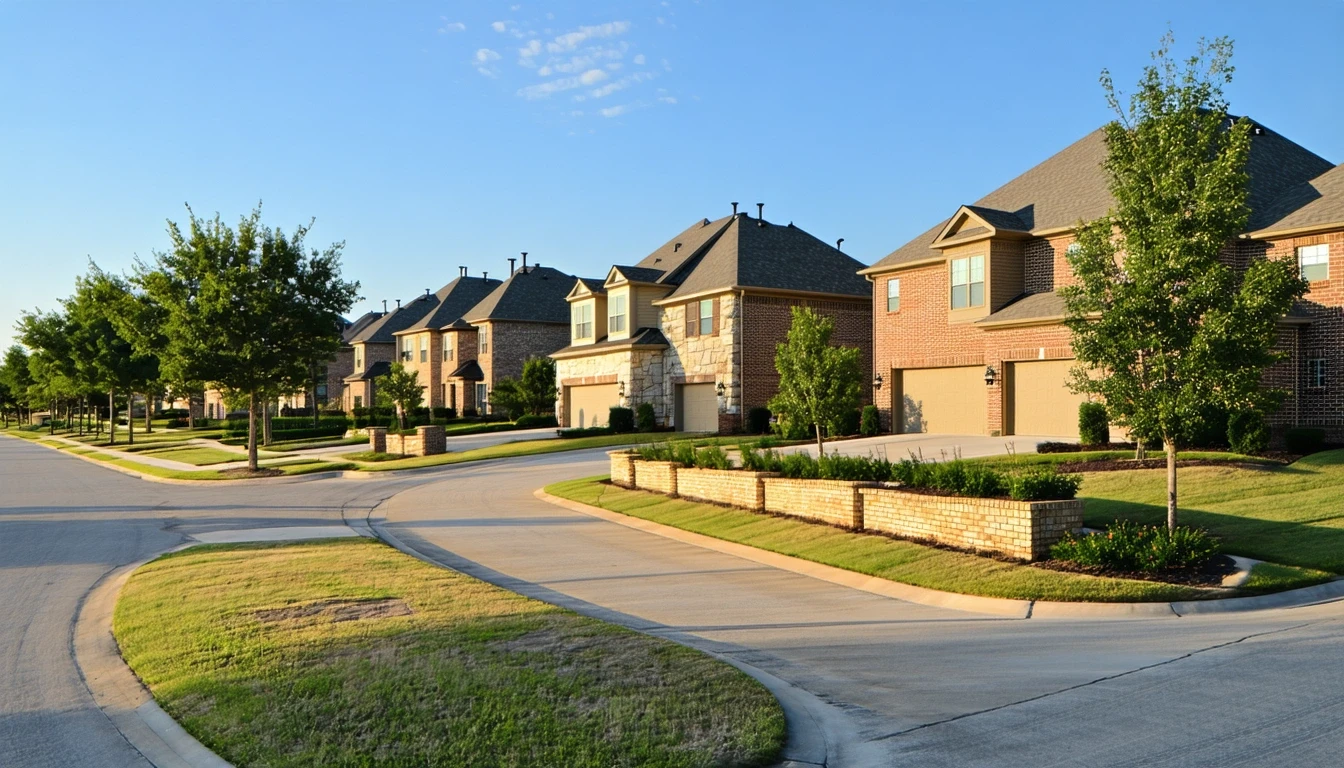
The Housing Market in Frisco Today
Frisco’s housing market is shaped by its role as a high-growth node in the Dallas metro, attracting families and professionals drawn to strong schools, corporate relocations, and newer housing stock. The $531,400 median home value reflects both demand pressure and the income capacity of households moving in. This isn’t a market where affordability drives volume—it’s one where income and employment stability support elevated prices.
What newcomers often misunderstand is that Frisco’s suburban label doesn’t mean uniform sprawl. The city has developed with pockets of higher-density, mixed-use character, and infrastructure that supports errands and daily movement without total car dependence. That’s unusual for a Texas suburb and creates variation in how different neighborhoods feel and function. Some areas offer walkable access to groceries and parks; others require driving for everything. That variation affects both rental appeal and long-term ownership satisfaction.
The regional price parity index of 103 indicates costs slightly above the national baseline, but the gap isn’t extreme. The real cost pressure comes from the combination of home values, property taxes (a primary revenue mechanism in Texas), and the expectation that growth will continue. Buyers aren’t just paying for today’s house—they’re paying for projected demand, school district reputation, and proximity to employment corridors.
Renting in Frisco
At $1,803 per month, median gross rent in Frisco sits well above what moderate-income households can comfortably manage without stretching. For context, the city’s high median income supports this rent level, but that also means renters without similar earnings face real pressure. Rental housing here tends to be newer, managed by larger operators, and located in complexes with amenities—but those features don’t reduce the baseline cost.
Rental availability varies by neighborhood and housing type. Multifamily developments cluster near commercial corridors and mixed-use zones, where access to groceries, dining, and services reduces the need for constant driving. Single-family rentals exist but are less common and often priced at a premium. Renters who prioritize walkability or transit access will find options, but they’ll pay for that convenience.
One advantage of renting in Frisco is insulation from property tax volatility and maintenance surprises. Texas property taxes can shift with appraisals and rate adjustments, and homeowners bear that exposure directly. Renters face lease renewals, which can bring increases, but those changes are bounded by lease terms and market competition. In a growing market, rent increases tend to track demand, but they don’t compound the way tax assessments and deferred maintenance can for owners.
Owning a Home in Frisco
Ownership in Frisco means taking on the full cost structure of a high-value suburban home in a state that funds local services primarily through property taxes. While the $531,400 median home value is the visible anchor, the ongoing exposure comes from taxes, insurance, maintenance, and—in many neighborhoods—homeowners association fees. These aren’t optional or deferrable; they’re structural costs that grow over time, often faster than income.
Property taxes in Texas are locally determined and can be substantial relative to home values. Appraisals tend to rise in growing markets, and while homestead exemptions and caps exist, they don’t eliminate exposure—they just slow it. Owners should expect tax bills to increase over time, particularly if the city or school district faces funding pressure. That’s a predictable feature of Texas governance, not a surprise.
Maintenance and insurance add another layer. Frisco’s climate brings hot summers with extended cooling seasons, which stress HVAC systems and roofing. Homes here are newer on average than in older suburbs, which reduces immediate repair risk, but systems still age and fail. Insurance costs reflect hail risk, storm exposure, and rising replacement costs. These aren’t one-time expenses—they’re recurring, and they escalate.
HOAs are common in Frisco’s newer developments, and fees vary widely depending on amenities and governance. Some cover landscaping and basic services; others fund pools, parks, and event programming. Buyers should clarify what’s included and whether the HOA has a history of special assessments. An HOA can stabilize neighborhood appearance and services, but it also removes control over cost timing.
Apartment vs House in Frisco — Cost Behavior Comparison
The choice between renting an apartment and owning a house in Frisco isn’t just about monthly payment size—it’s about which costs you control, which you absorb, and how exposure changes over time. The table below isolates categories where the difference is driven by Frisco’s housing stock, climate, or governance structure, not generic rental vs ownership distinctions.
| Expense Category | Apartment | House |
|---|---|---|
| Property Taxes | Embedded in rent, not separately visible or controllable | Direct annual bill; rises with appraisals and rate changes |
| Cooling Costs | Lower exposure due to shared walls and smaller conditioned space | Dominant summer expense; larger square footage and roof exposure increase load |
| Exterior Maintenance | Managed by landlord or property management | Owner responsibility; includes roof, siding, landscaping, and storm damage repair |
| HOA or Community Fees | Rare; typically included in rent if present | Common in newer developments; covers amenities, landscaping, sometimes utilities |
| Insurance | Renters insurance covers contents only; low cost | Homeowners insurance covers structure and liability; higher cost, sensitive to storm and hail risk |
Why these categories: Property taxes are a defining feature of Texas homeownership and create ongoing exposure that renters avoid. Cooling costs differ meaningfully due to Frisco’s extended summer heat and the size difference between apartments and houses. Maintenance and insurance reflect the structural and climate risks that owners bear directly. HOA fees are prevalent in Frisco’s newer housing stock and represent a recurring cost layer that apartment renters rarely encounter separately.
Categories like water, trash, and internet were excluded because they don’t vary predictably by housing type in Frisco—they depend on provider, usage, and lease terms, not structure. The table focuses on cost behavior that’s tied to how housing is built, governed, and exposed to local conditions.
Utilities & Upkeep Differences
Utility exposure in Frisco is dominated by cooling. Summer heat is persistent and intense, and homes here run air conditioning from late spring through early fall. At 16.04¢/kWh, electricity rates are moderate but not low, and the volume of usage during peak months drives the cost impact. Apartments benefit from smaller square footage and shared walls, which reduce cooling load. Houses, especially larger or older ones, face much higher exposure.
Natural gas, priced at $25.56/MCF, is used primarily for heating and water heating. Heating demand is light compared to northern climates, but gas water heaters run year-round. The cost impact is smaller than electricity, but it’s still a recurring line item.
Maintenance differences are structural. Apartment tenants call management when something breaks; homeowners hire contractors and pay directly. In Frisco, common maintenance drivers include HVAC repair or replacement (systems work hard during summer), roof damage from hail or storms, and irrigation system upkeep in neighborhoods with landscaping standards. Homes built in the last 10–15 years face lower immediate risk, but systems don’t last forever, and replacement costs are substantial.
Homeowners also manage pest control, gutter cleaning, and exterior painting—tasks that don’t exist for renters. These aren’t emergencies, but they’re non-negotiable if you want to preserve home value and avoid HOA violations.
Rent vs Buy: Long-Term Exposure in Frisco
The rent versus buy decision in Frisco hinges on how you value predictability, control, and exposure to cost growth. Renting offers insulation from property tax increases, maintenance surprises, and insurance volatility. Your costs are bounded by lease terms, and you can leave without selling. Ownership offers equity accumulation and protection from rent increases, but it also means absorbing every tax hike, repair bill, and insurance adjustment directly.
In a growing market like Frisco, both rent and ownership costs tend to rise, but they rise differently. Rent increases are episodic and tied to lease renewals; property taxes and insurance premiums increase annually and compound. Maintenance costs are irregular but inevitable. Over time, owners face more cost categories and less ability to defer or avoid them.
For households with stable, high income and long time horizons, ownership in Frisco makes sense. You’re paying for a known quantity in a desirable area, and equity builds as you pay down the mortgage. For households with income uncertainty, shorter timelines, or limited cash reserves, renting reduces risk. You’re not exposed to appraisal swings, special assessments, or sudden system failures.
The decision also depends on how you use the city. If you value the walkable pockets, integrated parks, and access to groceries and services without driving, certain neighborhoods reward ownership because those features are durable. If you’re here temporarily or expect to relocate, renting avoids transaction costs and the risk of selling into a softer market.
FAQs About Housing Costs in Frisco
What drives the high home values in Frisco, TX?
Home values in Frisco reflect strong demand from high-income households, corporate relocations, school district reputation, and the city’s role as a growth node in the Dallas metro. The housing stock is newer, and the income base supports elevated prices. It’s not affordability-driven—it’s demand-driven.
Is renting in Frisco cheaper than owning over time?
Not necessarily cheaper, but differently structured. Renters avoid property tax increases, maintenance costs, and insurance volatility, but they don’t build equity. Owners face more cost categories and less predictability, but they gain equity and protection from rent increases. The answer depends on income stability, time horizon, and risk tolerance.
How much do property taxes add to the cost of owning a home in Frisco?
Property taxes in Texas are locally determined and can be substantial. Exact rates aren’t provided here, but owners should expect annual bills that rise with home appraisals and local funding needs. Homestead exemptions help, but they don’t eliminate exposure. Taxes are a primary ongoing cost of ownership in Texas.
Do most neighborhoods in Frisco require HOA membership?
Many newer developments in Frisco include HOAs, particularly in master-planned communities. Fees vary based on amenities and services. Some HOAs are minimal; others are extensive and costly. Buyers should review HOA budgets, fee history, and rules before purchasing.
How does Frisco’s climate affect housing costs?
Frisco’s hot summers create dominant cooling costs, especially for single-family homes. HVAC systems work hard and require maintenance or replacement over time. Hail and storm risk affect insurance premiums and roof longevity. These are recurring, climate-driven cost factors that owners bear directly and renters experience indirectly through rent levels.
Making Housing Choices in Frisco
Housing costs in Frisco are shaped by income, growth, and the structural realities of Texas governance and climate. Home values and rents are high because the market supports them, and ownership exposes you to property taxes, maintenance, and insurance costs that grow over time. Renting offers simplicity and insulation from those risks, but it doesn’t build equity or protect you from lease renewals.
The city’s mixed character—walkable pockets, integrated parks, strong grocery access—means some neighborhoods offer more than typical suburban sprawl. That matters for daily life and long-term satisfaction, and it’s worth considering alongside the numbers. Where your money goes depends not just on what you pay, but on what you get in return: access, predictability, and control.
For high-income families planning to stay, ownership in Frisco makes sense. For households with shorter timelines or tighter budgets, renting reduces exposure and preserves flexibility. The market rewards clarity about what you need and how long you’ll stay. If you’re planning a move, understanding moving logistics and costs can help you time the transition and avoid unnecessary friction.
How this article was built: In addition to public economic data, this article incorporates location-based experiential signals derived from anonymized geographic patterns—such as access density, walkability, and land-use mix—to reflect how day-to-day living actually feels in Frisco, TX.