
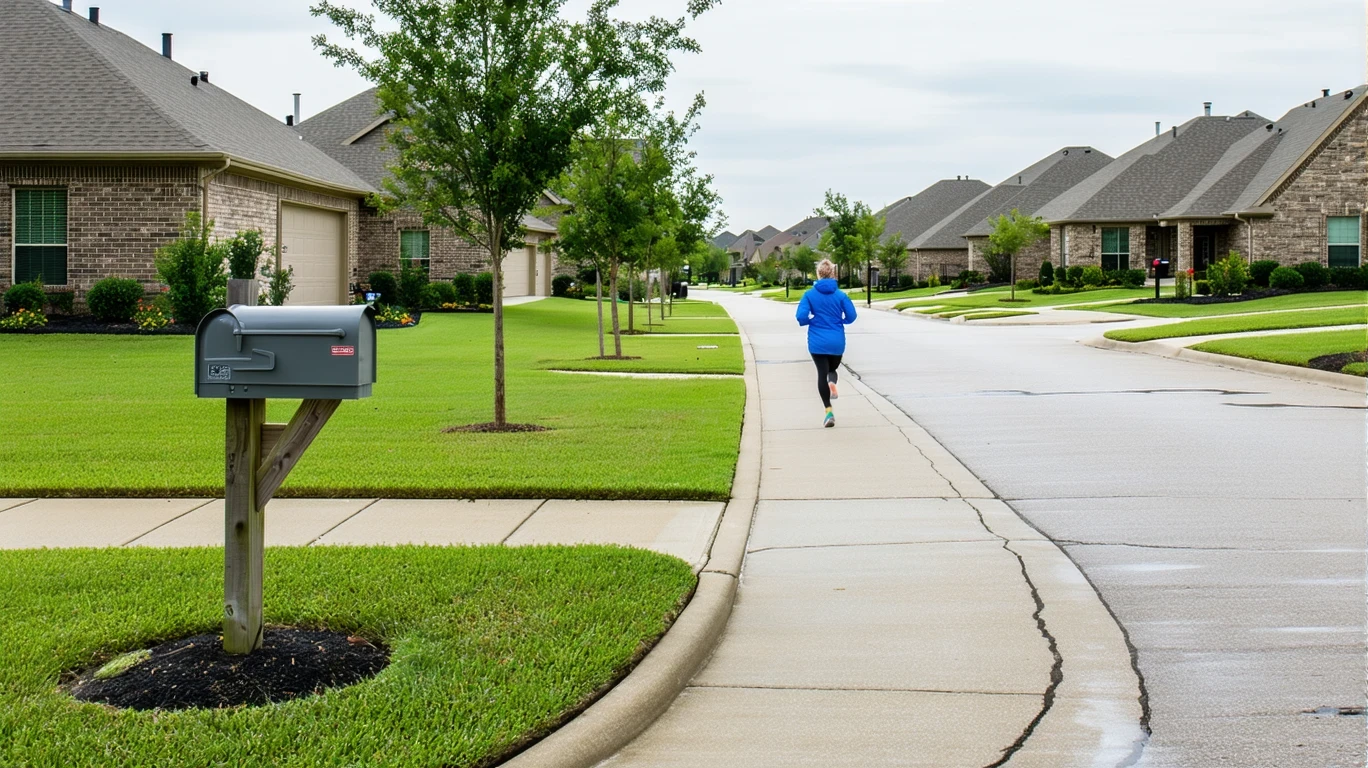
Flower Mound and Grand Prairie sit within the same Dallas-Fort Worth metro area, yet they represent distinctly different cost structures and lifestyle tradeoffs. Both cities attract households looking for suburban space and access to the broader metro economy, but the way expenses show up—and which households feel pressure most acutely—differs significantly between them. In 2026, the choice between these two cities isn’t about which is universally cheaper; it’s about understanding where cost pressure concentrates, how predictability and volatility trade off, and which household priorities align with each city’s structural realities.
Flower Mound tends to draw families and dual-income professionals willing to absorb higher housing entry costs in exchange for strong family infrastructure, integrated parks, and walkable pockets in certain neighborhoods. Grand Prairie appeals to households prioritizing lower housing barriers, rail transit access, and income flexibility, even when that means managing longer commutes and more limited family amenities. The financial decision hinges on whether front-loaded housing costs or ongoing time-and-logistics friction matters more to your household, and whether the infrastructure differences justify the gap in entry price.
This comparison examines how housing, utilities, daily expenses, transportation, and lifestyle factors create different cost experiences in each city. It explains which households are more exposed in each location, where flexibility exists, and how the same income level can feel stable in one city and stretched in another—without declaring either place universally better or calculating total monthly budgets.
Housing Costs
Housing represents the most dramatic structural difference between Flower Mound and Grand Prairie. Flower Mound’s median home value stands at $467,600, while Grand Prairie’s sits at $242,900—a gap that fundamentally shapes who can enter each market and what ongoing obligations follow. For renters, Flower Mound’s median gross rent reaches $2,039 per month compared to Grand Prairie’s $1,381 per month. These aren’t small variations in a shared market; they reflect different housing stock, land availability, school district reputations, and the types of households each city has historically attracted.
The difference in home values creates a steep entry barrier in Flower Mound. A household pursuing homeownership faces significantly higher down payment requirements, larger monthly mortgage obligations, and greater property tax exposure tied to assessed value. This front-loads financial pressure: the decision to buy in Flower Mound commits a household to a higher baseline cost structure that persists regardless of income fluctuations. Grand Prairie’s lower median home value reduces that entry friction, making ownership accessible to households with moderate savings and allowing more income to remain flexible for other priorities—whether that’s transportation, childcare, or building reserves.
For renters, the gap in median gross rent translates to different degrees of income flexibility. A single adult or couple renting in Grand Prairie retains more discretionary income after covering housing, which can absorb transportation costs, dining preferences, or savings goals. In Flower Mound, higher rent compresses that flexibility, requiring higher income to maintain similar financial breathing room. Families renting in Flower Mound may justify the cost by accessing stronger school and playground density (discussed below), but that tradeoff only works if income supports the baseline obligation without creating month-to-month strain.
| Housing Type | Flower Mound | Grand Prairie |
|---|---|---|
| Median Home Value | $467,600 | $242,900 |
| Median Gross Rent | $2,039/month | $1,381/month |
| Typical Housing Form | Single-family, some townhomes | Mix of single-family, apartments, duplexes |
The housing stock in each city also shapes ongoing cost exposure. Flower Mound’s higher-value homes often reflect newer construction, larger lots, and amenities that appeal to families prioritizing space and school access. This housing form tends to carry higher property tax obligations, homeowners association fees in some neighborhoods, and greater maintenance costs tied to square footage and landscaping. Grand Prairie’s more diverse housing stock—including older single-family homes, apartment complexes, and smaller lots—offers entry points across a wider range of price sensitivity, though older homes may introduce higher utility and repair costs.
Housing Takeaway: Flower Mound’s housing market fits households with higher dual incomes who prioritize family infrastructure and are willing to accept front-loaded costs and ongoing obligations in exchange for space, amenities, and school access. Grand Prairie fits households seeking lower entry barriers, income flexibility, and diverse housing options, even when that means managing older housing stock or accepting less family-oriented infrastructure. Renters sensitive to baseline monthly obligations will find more flexibility in Grand Prairie; buyers prioritizing long-term stability in family-friendly neighborhoods may justify Flower Mound’s higher entry costs if income supports the commitment.
Utilities and Energy Costs
Both Flower Mound and Grand Prairie face the same regional utility rates—16.04¢/kWh for electricity and $25.56/MCF for natural gas—but the way those rates translate into household exposure depends on housing stock, home size, and cooling demands driven by North Texas heat. The cost structure isn’t about price differences between cities; it’s about how housing form and square footage amplify or moderate utility volatility, and which households feel seasonal swings most acutely.
Flower Mound’s higher median home value typically correlates with larger single-family homes, which increases baseline cooling and heating loads. During extended summer heat—common in this region—air conditioning dominates utility bills, and larger homes with more square footage, higher ceilings, or older HVAC systems experience greater exposure. Newer construction in Flower Mound may include better insulation and more efficient systems, which moderates that exposure, but the baseline obligation remains higher than in smaller housing units. Families in Flower Mound should expect utility costs to spike during peak summer months, with some predictability returning in milder spring and fall periods.
Grand Prairie’s more diverse housing stock—including apartments, smaller single-family homes, and older construction—creates a wider range of utility experiences. Renters in multi-family buildings often benefit from shared wall insulation and smaller square footage, which reduces cooling loads and keeps baseline utility costs more predictable. However, older single-family homes in Grand Prairie may lack modern insulation or efficient HVAC systems, leading to higher-than-expected summer bills despite smaller square footage. Households renting or buying older homes should budget for greater utility volatility and consider efficiency upgrades as a way to regain control over seasonal swings.
The interaction between housing type and utility exposure matters most for households with fixed incomes or tight monthly budgets. A family in a large Flower Mound home may face $200–$300 summer utility swings that feel manageable with higher household income, while a similar swing in a Grand Prairie rental on a moderate income creates real strain. Conversely, a single adult or couple in a Grand Prairie apartment may experience minimal utility volatility, keeping monthly costs predictable and freeing income for other priorities. The key difference isn’t the rate—it’s how housing form amplifies or dampens the impact of that rate during seasonal extremes.
Both cities benefit from the same regional utility programs, including time-of-use billing options and efficiency incentives that exist at the state and federal level. Households in either city can reduce exposure by shifting high-energy tasks to off-peak hours, upgrading insulation, or replacing aging HVAC systems. These strategies work the same way in both locations, but the payoff feels larger in Flower Mound’s bigger homes and Grand Prairie’s older housing stock, where baseline usage starts higher.
Utility Takeaway: Flower Mound households face higher baseline utility exposure due to larger home sizes, with summer cooling driving the most significant volatility. Grand Prairie’s diverse housing stock creates a wider range of experiences—apartments and smaller homes offer more predictable costs, while older single-family homes may introduce unexpected seasonal swings. Households sensitive to monthly volatility should prioritize newer or smaller housing in either city; those with higher incomes and larger homes in Flower Mound should budget for elevated summer costs as a predictable trade-off for space.
Groceries and Daily Expenses
Grocery and everyday spending pressure in Flower Mound and Grand Prairie reflects access patterns, household size, and how much convenience costs in each city’s retail landscape. Both cities fall within the same regional price environment, but the concentration of grocery options, proximity to big-box retailers, and prevalence of specialty versus discount stores shape how much flexibility households have to manage costs through shopping strategy.
Flower Mound’s grocery accessibility clusters along commercial corridors, with food and grocery establishment density in the medium band. This means most households can access familiar grocery chains, but the layout favors car-based shopping trips rather than walkable errands. For families managing larger weekly grocery volumes, this structure works well—drive to a big-box store, stock up, and minimize trips. However, households relying on smaller, more frequent shopping trips may find fewer neighborhood-scale options, which can push spending toward convenience stores or prepared foods when time is tight. The cost pressure here isn’t about higher prices; it’s about whether your household’s shopping rhythm aligns with the car-dependent, bulk-shopping model that dominates the area.
Grand Prairie shows similar corridor-clustered grocery access, with food and grocery density also in the medium band. The city’s more diverse housing stock and rail transit presence create slightly different shopping behaviors. Households near commercial corridors can access discount grocers and big-box options with relative ease, while those relying on transit or living farther from main roads may face longer trips or higher reliance on smaller, pricier convenience options. For single adults or couples, this creates a tradeoff: lower rent in Grand Prairie frees income for groceries, but shopping logistics may require more planning or occasional convenience spending when time is limited.
Dining out and convenience spending—coffee runs, takeout, household goods—follow similar patterns in both cities. Flower Mound’s higher median household income correlates with more frequent dining and convenience purchases, which can quietly inflate monthly spending for households accustomed to those habits. Grand Prairie’s lower income baseline suggests more price-conscious dining behaviors, though proximity to Dallas’s broader metro dining scene means both cities offer access to a wide range of price points. The difference is less about availability and more about whether your household’s income supports frequent convenience spending or requires more intentional meal planning and bulk shopping.
Families managing larger grocery volumes feel cost pressure differently in each city. In Flower Mound, higher housing costs may compress grocery budgets, requiring more discipline around bulk buying and meal planning to avoid convenience spending creep. In Grand Prairie, lower housing costs create more flexibility, but families must still navigate the same car-dependent shopping landscape and plan trips efficiently to avoid multiple small purchases that add up. Single adults and couples in either city can moderate grocery costs by prioritizing discount chains and avoiding prepared foods, but the time cost of driving to those options matters more in Grand Prairie if transit isn’t practical for grocery trips.
Grocery Takeaway: Both cities require car-based grocery shopping, with corridor-clustered access favoring bulk trips over frequent walkable errands. Families in Flower Mound must balance higher housing costs with disciplined grocery planning to avoid convenience spending; families in Grand Prairie benefit from lower housing costs but still need efficient shopping strategies. Single adults and couples in Grand Prairie gain the most flexibility, as lower rent allows more room for grocery choices without requiring extreme frugality.
Taxes and Fees
Taxes and local fees in Flower Mound and Grand Prairie create different ongoing obligations, shaped primarily by property values and the types of services each city funds through property taxes, sales taxes, and recurring fees. Neither city’s tax structure appears explicitly in the data, but the housing value gap provides a clear signal: higher home values in Flower Mound translate directly into higher property tax bills, even if the underlying tax rate is similar or identical to Grand Prairie’s.
For homeowners, property taxes represent a predictable but substantial ongoing cost. Flower Mound’s median home value of $467,600 means a household pays property taxes on a significantly higher assessed value than a Grand Prairie homeowner with a $242,900 property. This difference compounds over time, creating a persistent gap in annual tax obligations that doesn’t fluctuate with income or lifestyle choices. Homeowners in Flower Mound must budget for this higher baseline, which reduces flexibility for other expenses and makes long-term ownership more expensive regardless of how well the home appreciates. Grand Prairie’s lower property values reduce that ongoing burden, freeing income for other priorities and making ownership more sustainable for households with moderate incomes.
Renters in both cities don’t pay property taxes directly, but landlords pass those costs through in rent. Flower Mound’s higher property tax exposure contributes to the elevated median rent, meaning renters indirectly absorb the tax burden without building equity. Grand Prairie renters benefit from lower property tax pass-through, which keeps rent more affordable and preserves income flexibility. This dynamic matters most for renters planning to stay several years: in Flower Mound, you’re funding higher taxes without ownership benefits, while in Grand Prairie, lower rent reduces that indirect tax exposure.
Sales taxes and local fees—trash collection, water, sewer, and in some neighborhoods, homeowners association dues—add another layer of ongoing cost. Both cities likely rely on a mix of property and sales taxes to fund services, but the prevalence of HOA fees varies by neighborhood and housing type. Flower Mound’s newer subdivisions and higher-value homes often include HOA fees that bundle landscaping, amenities, and shared services, which can add $50–$200 or more per month depending on the neighborhood. Grand Prairie’s older, more diverse housing stock includes fewer HOA-governed communities, reducing that recurring fee exposure for many households. However, older homes may require more out-of-pocket spending on maintenance and repairs, which can offset the savings from lower HOA fees.
The structure of taxes and fees matters most for long-term planning. Homeowners in Flower Mound face higher predictable obligations (property taxes, HOA fees) that don’t fluctuate much year-to-year, making budgeting straightforward but leaving less room for income variability. Grand Prairie homeowners face lower baseline obligations but may encounter more variable costs tied to aging infrastructure or deferred maintenance. Renters in Flower Mound pay a premium that reflects the city’s higher tax and fee structure, while Grand Prairie renters gain flexibility by avoiding that premium—though they may trade some predictability for older housing stock.
Taxes and Fees Takeaway: Flower Mound homeowners face significantly higher property tax exposure due to elevated home values, plus potential HOA fees in newer neighborhoods, creating predictable but substantial ongoing obligations. Grand Prairie homeowners benefit from lower property tax burdens and fewer HOA fees, though older homes may introduce variable maintenance costs. Renters in Flower Mound indirectly fund higher taxes through elevated rent without ownership benefits; Grand Prairie renters avoid that premium and retain more income flexibility.
Transportation and Commute Reality
Transportation costs and commute patterns reveal one of the most significant structural differences between Flower Mound and Grand Prairie. While both cities share the same regional gas price of $2.49/gal, the way households experience transportation pressure depends on commute length, transit availability, and whether car dependence is optional or mandatory. Grand Prairie provides concrete commute data: an average of 28 minutes, with 45.6% of workers facing long commutes and only 7.1% working from home. Flower Mound lacks equivalent data, but its location within the Dallas metro and experiential signals suggest different mobility dynamics.
Grand Prairie’s rail transit presence—confirmed by high-confidence experiential signals—offers an alternative to driving for some work trips, particularly for commuters heading into Dallas or other rail-connected employment centers. This doesn’t eliminate car dependence for most households, but it creates optionality: a household with one car and two workers might rely on rail for one commute while driving the other, reducing fuel costs, parking fees, and vehicle wear. However, the 45.6% long-commute figure suggests that many Grand Prairie residents work in locations not well-served by rail, requiring extended driving that adds time and fuel costs even with lower housing expenses. The 28-minute average commute masks significant variation—some households enjoy short, predictable trips, while others face 45+ minute drives that compound daily.
Flower Mound’s experiential signals show walkable pockets and some cycling infrastructure, but no rail transit. This suggests a more car-dependent baseline, where most households require at least one vehicle for commuting, errands, and daily logistics. The absence of commute data makes it harder to quantify time costs, but Flower Mound’s location suggests that many residents commute to Dallas, Plano, or other metro employment hubs—likely requiring 30–45 minute drives depending on traffic and destination. For dual-income households, this often means two cars, doubling fuel, insurance, and maintenance costs compared to a household that can rely on transit for one commute.
The time-versus-money tradeoff plays out differently in each city. Grand Prairie’s lower housing costs create income flexibility that can absorb higher fuel and vehicle expenses, but long commutes introduce time costs that affect quality of life, childcare logistics, and schedule flexibility. A household saving $600/month on rent in Grand Prairie might spend $200–$300 of that on additional fuel and vehicle wear, while also losing 8–10 hours per week to commuting. Flower Mound’s higher housing costs reduce income flexibility, but shorter or more predictable commutes (if working closer to home) can preserve time for family logistics, errands, and personal priorities. The better choice depends on whether your household values income flexibility or time flexibility more—and whether your job location aligns with each city’s transit and road infrastructure.
Car dependence also affects daily errands and household logistics. Both cities show corridor-clustered grocery and food access, meaning most trips require driving. Flower Mound’s walkable pockets may allow some households to walk for nearby errands in specific neighborhoods, reducing short car trips, but this benefit is localized and doesn’t eliminate the need for a vehicle. Grand Prairie’s rail access helps with work commutes but doesn’t extend to daily errands, meaning households still need cars for groceries, appointments, and family activities. The practical result: both cities require at least one vehicle per household, with dual-income families often needing two.
Transportation Takeaway: Grand Prairie offers rail transit that reduces car dependence for some work commutes, but long commute times (28 minutes average, 45.6% long commutes) create time costs that offset lower housing expenses. Flower Mound lacks rail access and requires car dependence for most trips, but walkable pockets in certain neighborhoods may reduce short errands. Households prioritizing income flexibility and willing to absorb longer commutes fit Grand Prairie; households prioritizing time flexibility and shorter commutes (if working nearby) may justify Flower Mound’s higher housing costs.
Cost Structure Comparison
The cost structures in Flower Mound and Grand Prairie differ not in total amount, but in where pressure concentrates and which households feel it most. Housing dominates the cost experience in Flower Mound, with elevated home values and rent creating front-loaded obligations that persist regardless of lifestyle choices. Grand Prairie distributes pressure differently: lower housing costs provide income flexibility, but longer commutes and limited family infrastructure introduce time costs and logistics friction that affect daily life in ways that don’t always show up in monthly budgets.
For housing, the gap between Flower Mound’s $467,600 median home value and Grand Prairie’s $242,900 shapes everything downstream. Homeowners in Flower Mound commit to higher property taxes, larger mortgage payments, and often HOA fees, which reduces flexibility for other expenses but provides access to strong family infrastructure, integrated parks, and hospital presence. Grand Prairie homeowners face lower baseline obligations, freeing income for transportation, groceries, or savings, but may encounter higher maintenance costs in older housing stock and fewer family-oriented amenities. Renters experience the same dynamic: Flower Mound’s $2,039 median rent compresses discretionary income, while Grand Prairie’s $1,381 rent preserves flexibility even as it requires more intentional planning around commutes and errands.
Utilities introduce similar volatility in both cities due to shared regional rates, but housing form amplifies exposure differently. Flower Mound’s larger homes increase baseline cooling loads during North Texas summers, creating predictable but elevated seasonal swings. Grand Prairie’s diverse housing stock—apartments, smaller homes, older construction—produces a wider range of utility experiences, with some households enjoying stable costs and others facing unexpected spikes in aging homes. The key difference isn’t the rate; it’s whether your housing type moderates or magnifies seasonal extremes.
Transportation patterns matter more in Grand Prairie, where 45.6% of workers face long commutes and rail transit provides only partial relief. Lower housing costs offset some fuel and vehicle expenses, but the time cost—8–10 hours per week for long commuters—affects childcare logistics, schedule flexibility, and household stress in ways that don’t translate directly to dollars. Flower Mound’s car dependence creates similar baseline vehicle costs, but the absence of extreme commute data suggests more variation: some households may work nearby and enjoy shorter trips, while others face metro-wide commutes comparable to Grand Prairie’s.
Daily living costs—groceries, errands, convenience spending—follow similar patterns in both cities, with corridor-clustered access requiring car-based shopping trips. Flower Mound households must balance higher housing costs with disciplined grocery planning to avoid convenience spending creep, while Grand Prairie households benefit from lower housing costs but still need efficient shopping strategies. The difference is less about price and more about how much income remains flexible after housing: Grand Prairie preserves more room for grocery choices, dining out, and discretionary spending, while Flower Mound requires tighter discipline unless income is significantly higher.
Family infrastructure creates a meaningful tradeoff. Flower Mound’s strong school and playground density—confirmed by high-confidence experiential signals—reduces logistics friction for families with children, making daily routines more predictable and potentially reducing childcare or after-school program costs. Grand Prairie’s limited family infrastructure means parents spend more time coordinating activities, driving to parks or programs, and managing schedules, which introduces time costs that don’t appear in budgets but affect quality of life and work flexibility.
The decision between Flower Mound and Grand Prairie isn’t about which city costs less overall; it’s about which cost structure aligns with your household’s income, priorities, and tolerance for tradeoffs. Households sensitive to housing entry barriers and ongoing obligations may prefer Grand Prairie’s lower baseline, even when that means managing longer commutes and limited family amenities. Households prioritizing family infrastructure, time flexibility, and predictable daily logistics may justify Flower Mound’s higher housing costs, especially if dual incomes support the commitment. For households where income is moderate and flexibility matters most, Grand Prairie offers more breathing room. For households where income is higher and family logistics dominate daily life, Flower Mound’s infrastructure may reduce friction enough to justify the premium.
How the Same Income Feels in Flower Mound vs Grand Prairie
Single Adult
A single adult in Flower Mound faces housing costs that consume a larger share of income, leaving less flexibility for discretionary spending, savings, or absorbing unexpected expenses. Car dependence is mandatory, adding fuel, insurance, and maintenance as non-negotiable baseline costs. Flexibility exists in dining and entertainment choices, but the higher rent baseline requires disciplined budgeting to avoid month-to-month strain. In Grand Prairie, the same income preserves significantly more flexibility after covering lower rent, allowing a single adult to prioritize savings, dining out, or travel without constant budget vigilance. Rail transit offers an alternative to driving for work commutes, reducing vehicle costs for some, though longer commute times introduce a time-versus-money tradeoff that affects schedule predictability and personal time.
Dual-Income Couple
A dual-income couple in Flower Mound must coordinate two incomes to cover elevated housing costs, with less room for income variability or single-earner periods. Car dependence typically requires two vehicles, doubling transportation costs, though walkable pockets in some neighborhoods may reduce short trips. Flexibility emerges in discretionary spending—dining, travel, home upgrades—but only if both incomes remain stable and housing costs don’t compress savings. In Grand Prairie, the same combined income creates more breathing room: lower housing costs allow one partner’s income to cover baseline expenses while the other’s builds savings or funds lifestyle priorities. Longer commutes for one or both partners introduce time costs that affect evening routines and weekend logistics, but rail transit can reduce driving for one commute if job location aligns, preserving some schedule flexibility.
Family with Kids
A family with children in Flower Mound absorbs higher housing costs but gains access to strong school and playground density, which reduces daily logistics friction and may lower childcare or after-school program expenses. Car dependence remains mandatory, but integrated parks and walkable pockets in certain neighborhoods allow some activities without driving, preserving time for family routines. Flexibility tightens around groceries and discretionary spending, requiring intentional meal planning and budgeting to avoid convenience spending creep. In Grand Prairie, the same family benefits from lower housing costs, freeing income for childcare, extracurriculars, or savings, but limited family infrastructure increases planning burden: parents drive more for parks, programs, and activities, adding time costs that compress evening and weekend schedules. Longer commutes for working parents compound this friction, making daily logistics more complex and reducing flexibility for unexpected schedule changes or sick days.
Decision Matrix: Which City Fits Which Household?
| Decision Factor | If You’re Sensitive to This… | Flower Mound Tends to Fit When… | Grand Prairie Tends to Fit When… |
|---|---|---|---|
| Housing entry + space needs | Down payment size, baseline monthly obligation, property tax exposure | You have higher dual incomes and prioritize family-oriented neighborhoods with strong infrastructure | You need lower entry barriers and want income flexibility for other priorities |
| Transportation dependence + commute friction | Commute time, fuel costs, vehicle wear, schedule predictability | You work nearby or value walkable pockets for some errands and shorter daily trips | You can use rail transit for work commutes or tolerate longer drives in exchange for housing savings |
| Utility variability + home size exposure | Seasonal bill swings, cooling costs, baseline usage tied to square footage | You can absorb elevated summer utility costs in larger homes with higher income | You prefer smaller housing or apartments that moderate seasonal volatility and keep bills predictable |