
When Jasmine opened her first full utility bill after moving into a townhouse in Falls Church, she expected maybe $150. The number was closer to $240—and it was only April. She hadn’t run the AC yet. The breakdown listed electricity, water, gas, and trash, but the “why” behind each line wasn’t obvious. For anyone settling into Falls Church, understanding how utilities behave here—and what drives the swings—makes budgeting far less stressful.
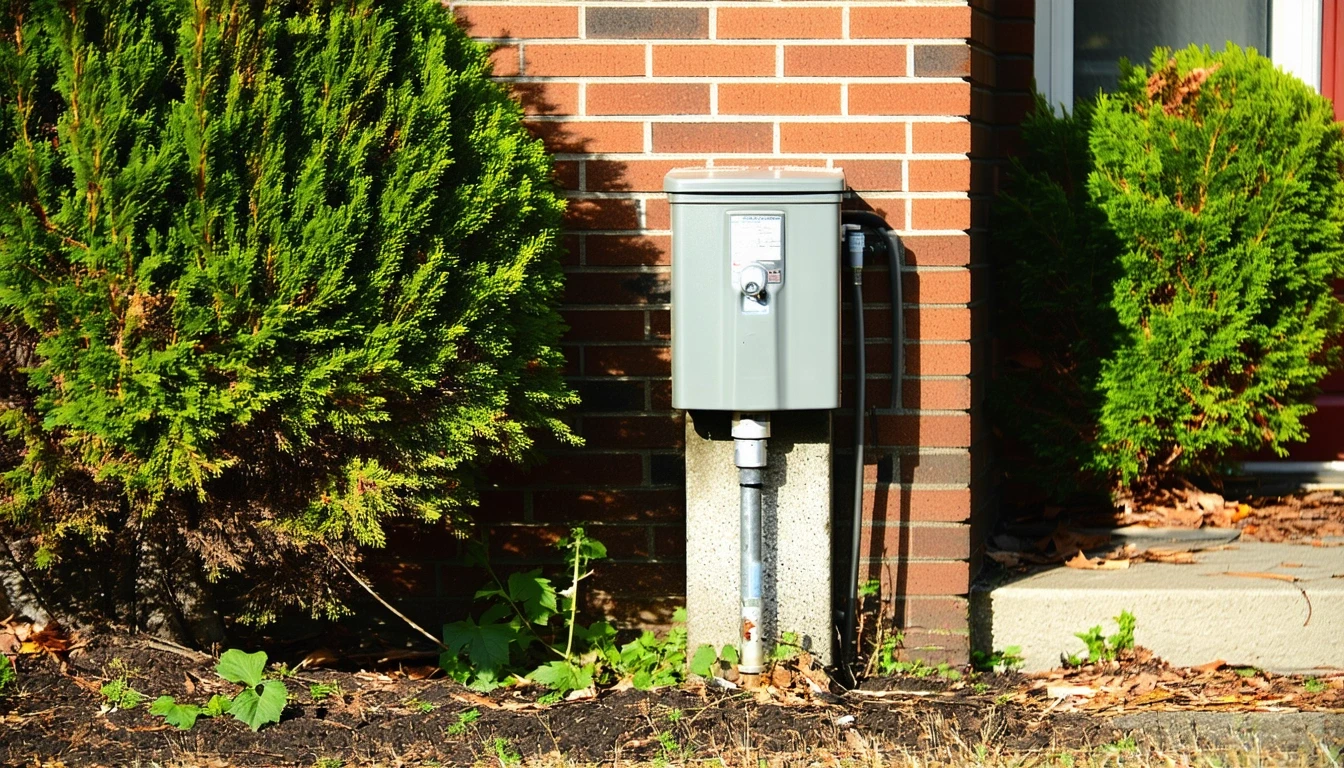
Understanding Utilities in Falls Church
Utilities cost in Falls Church reflects a mix of regional pricing, seasonal climate exposure, and how homes are built and billed. For most households, utilities rank as the second-largest monthly expense after housing, and unlike rent or a mortgage, they fluctuate with weather, usage habits, and infrastructure. In Falls Church, that means cooling dominates summer months, heating picks up in winter, and water and trash fees vary depending on whether you rent an apartment or own a single-family home.
Core utilities typically include electricity, water, natural gas, trash collection, and recycling. In apartments, some or all of these may be bundled into rent or covered by a flat fee. In single-family homes, residents usually pay each provider directly, which means more control over usage—but also more exposure to seasonal swings and rate changes. For newcomers, the difference between a $120 month and a $280 month often comes down to air conditioning runtime, not wasteful behavior.
Falls Church sits in a climate zone with warm, humid summers and cold enough winters to require consistent heating. That creates a double exposure: high electricity use when it’s hot, and natural gas or electric heating costs when it’s cold. Homes here also tend to be older, well-established properties where insulation quality and HVAC efficiency vary widely. Understanding the structure behind each bill—what’s fixed, what’s usage-driven, and what’s seasonal—gives households the leverage to plan, adjust, and avoid surprises.
Utilities at a Glance in Falls Church
The table below shows how core utility costs typically behave for a mid-size household in a single-family home in Falls Church. Where city-level prices are available in the data feed, they are shown directly. When exact figures are not provided, categories are described qualitatively to reflect how costs are structured and what drives variability.
| Utility | Cost Structure |
|---|---|
| Electricity | 15.27¢/kWh; usage-sensitive and seasonal |
| Water | Tiered pricing; usage-dependent |
| Natural Gas | $15.45/MCF; winter-driven, heating-dependent |
| Trash & Recycling | Bundled with water or HOA in many neighborhoods |
| Total | Seasonal variability driven by electricity and heating |
This table reflects utility cost structure for a mid-size household in a single-family home in Falls Church during 2026. Where exact figures are not provided in the IndexYard data feed, categories are described directionally to reflect how costs behave rather than a receipt-accurate total.
Electricity is typically the most exposure-sensitive utility in Falls Church, driven more by climate and home efficiency than by base rates. At 15.27¢ per kilowatt-hour, the rate itself sits near the regional average, but what matters more is how many hours the air conditioner runs in July or how much baseboard heating kicks on during a cold snap. Homes with older HVAC systems, poor insulation, or large square footage see the biggest swings. Even in moderate months, electricity covers lighting, appliances, and electronics—making it the utility with the widest range between low and high months.
Water costs in Falls Church are typically billed on a tiered structure, meaning the more you use, the higher the per-unit rate climbs. For a household that waters a lawn, runs a dishwasher daily, and takes long showers, the bill can climb quickly during dry summer months. In contrast, a small apartment household might stay in the lowest tier year-round. Water is also commonly bundled with sewer and stormwater fees, so the line item labeled “water” often includes more than just what comes out of the tap.
Natural gas in Falls Church is priced at $15.45 per thousand cubic feet (MCF), and it’s overwhelmingly a winter expense. Homes with gas furnaces, water heaters, or gas ranges see steady usage from November through March, with the highest bills typically landing in January and February. In spring and fall, gas bills drop to near-minimum levels, covering only the water heater and occasional cooking. Homes that rely on electric heat avoid this cost entirely but shift the burden to the electric bill instead.
Trash and recycling services in Falls Church are often bundled with water bills or included in homeowners association fees, especially in townhouse and condo communities. Standalone single-family homes may pay a separate monthly fee to a private hauler or the county, typically in the range of $20 to $40 per month. Recycling is usually included in the same service. Unlike utilities tied to usage, trash fees are fixed and predictable, making them one of the easiest costs to plan for.
How Weather Impacts Utilities in Falls Church
Falls Church experiences a humid continental climate with hot, sticky summers and cold, occasionally snowy winters. That means households face meaningful cost structure pressure from both ends of the thermometer. Summer cooling can easily double or triple electricity usage compared to spring, especially during stretches of high heat and humidity when air conditioners run nearly nonstop. Even a well-insulated home will see a noticeable jump in June, July, and August as indoor comfort competes with outdoor temperatures in the 80s and 90s.
Winter heating costs depend on the home’s primary system. Homes with natural gas furnaces see their gas bills climb significantly from December through February, while homes with electric heat pumps or baseboard heaters shift that burden to the electric bill. Falls Church winters are cold enough to require consistent heating—especially during overnight lows in the 20s and 30s—but they’re not as extreme as cities farther north. Still, a poorly insulated home or an aging furnace can drive heating costs up quickly, particularly during polar vortex events or extended cold snaps.
Spring and fall offer the most predictable utility months in Falls Church. Temperatures in the 50s and 60s mean minimal heating or cooling, and households often see their lowest combined utility bills during April, May, September, and October. These shoulder seasons are also when it becomes clear which homes have efficiency issues—if bills stay high even when the thermostat is off, it’s usually a sign of poor insulation, air leaks, or an inefficient water heater running in the background.
How to Save on Utilities in Falls Church
Reducing utility costs in Falls Church starts with understanding which expenses are fixed and which are controllable. Electricity and natural gas are the two categories where behavior, efficiency upgrades, and timing make the biggest difference. Water costs respond to conservation, and trash fees are typically non-negotiable. The key is focusing effort where it actually moves the needle—usually cooling, heating, and water heating—rather than obsessing over minor phantom loads or turning off lights in empty rooms.
Many utility providers in the Falls Church area offer time-of-use rates, budget billing, or efficiency rebate programs. Time-of-use plans reward households that shift heavy electricity use—like running the dishwasher or doing laundry—to off-peak hours, typically late evening or early morning. Budget billing smooths out seasonal swings by averaging costs over the year, which helps with cash flow even if it doesn’t reduce the total. Rebates for upgrading to energy-efficient HVAC systems, water heaters, or insulation improvements can offset upfront costs and deliver long-term savings, especially in older homes.
Practical steps that reduce exposure without major investment include:
- Installing a programmable or smart thermostat to avoid heating or cooling an empty home
- Sealing air leaks around windows, doors, and attic access points
- Replacing aging HVAC filters monthly during heavy-use seasons
- Using ceiling fans to circulate air and reduce AC runtime in summer
- Lowering the water heater temperature to 120°F to cut standby energy loss
- Planting shade trees on the south and west sides of the home to block afternoon sun
- Switching to LED bulbs in high-use fixtures
- Running full loads in dishwashers and washing machines to maximize water and energy efficiency
🏆 Tip: Check if your provider in Falls Church offers rebates for energy-efficient AC units or heating systems. Many utilities and state programs provide incentives that can cover 10–30% of the equipment cost, and the reduced runtime often pays back the rest within a few years.
FAQs About Utility Costs in Falls Church
Why are utility bills so high in Falls Church during summer?
Summer bills spike because air conditioning dominates electricity use during hot, humid months. Homes with older AC units, poor insulation, or large square footage see the biggest increases, sometimes doubling or tripling their spring costs.
Do HOAs in Falls Church usually include trash or water in their fees?
Many townhouse and condo communities in Falls Church bundle trash, recycling, and sometimes water or sewer into the monthly HOA fee. Single-family homeowners typically pay these separately, either to the county or a private provider.
How does seasonal weather affect monthly utility bills in Falls Church?
Falls Church has a humid continental climate, so households face high cooling costs in summer and moderate heating costs in winter. Spring and fall offer the lowest bills, often 40–60% less than peak months, because heating and cooling needs drop significantly.
Does Falls Church offer incentives for solar panels or energy-efficient appliances?
Virginia offers state-level solar incentives, and many utility providers in the Falls Church area provide rebates for energy-efficient HVAC systems, water heaters, and insulation upgrades. Federal tax credits for solar installations are also available, making renewable energy more accessible for homeowners.
What is the average winter heating cost in Falls Church compared to summer cooling?
Winter heating costs depend on the home’s system—natural gas furnaces shift the expense to the gas bill, while electric heat pumps increase electricity use. Summer cooling typically drives higher total utility costs because air conditioning runs more hours per day than heating, and humidity adds to the load.
How Utilities Fit Into the Cost Structure in Falls Church
Utilities in Falls Church represent a significant but manageable piece of the household budget, typically ranking second only to housing in monthly fixed expenses. Unlike rent or a mortgage, utility costs are partly controllable—households can reduce exposure through efficiency upgrades, behavioral changes, and seasonal planning. But they’re also tied to factors outside individual control, like rate changes, weather extremes, and the age and condition of the home itself. That makes utilities a source of both predictability and volatility, depending on how well a household understands and manages them.
For renters in apartments, utilities are often partially bundled or capped, which reduces exposure but also limits control. For single-family homeowners, utilities are a direct responsibility and a direct opportunity—investing in insulation, HVAC efficiency, or solar panels can lower costs for years. Families with kids, pets, or home offices tend to see higher baseline usage, while smaller households or those who work outside the home may stay in lower tiers. The key is recognizing that what drives expenses in Falls Church isn’t just the rate per kilowatt-hour or gallon—it’s how the home is used, when it’s occupied, and how well it’s maintained.
Falls Church’s walkable pockets and accessible errands mean many households can reduce car dependency for daily tasks, which indirectly affects at-home energy patterns. Less time driving and more predictable routines create steadier utility usage cycles, making it easier to spot inefficiencies or adjust habits. The city’s integrated green space and mixed land use also mean that outdoor time and neighborhood activity don’t require long drives, which keeps households more anchored to local rhythms and less reliant on energy-intensive travel. Understanding how place structure shapes daily behavior helps clarify why some homes see stable bills while others experience wide swings.
For a fuller picture of how utilities interact with housing, transportation, and other monthly expenses, explore IndexYard’s guide to monthly expenses in Falls Church. And for a broader look at how all these costs fit together, the cost of living overview provides the context needed to plan, compare, and make confident decisions about living in Falls Church.
How this article was built: In addition to public economic data, this article incorporates location-based experiential signals derived from anonymized geographic patterns—such as access density, walkability, and land-use mix—to reflect how day-to-day living actually feels in Falls Church, VA.