
How much is enough to feel at ease? In Falls Church, that question doesn’t have a single answer—but it does have a pattern. Comfort here isn’t about hitting a magic number; it’s about whether your income absorbs the city’s specific pressures without forcing you to manage tradeoffs every month.
Falls Church sits in the outer orbit of Washington, D.C., with a median household income of $164,536 per year and a housing market that reflects both its proximity to the capital and its reputation for walkable neighborhoods and strong schools. The median home value is $938,500, and median rent is $2,074 per month. Those figures set the baseline, but they don’t explain who thrives here and who feels stretched.
This article explains how income pressure works in Falls Church—where it shows up first, how it differs by household type, and what separates households that feel stable from those constantly recalibrating.
—
What “Living Comfortably” Means in Falls Church
Comfort in Falls Church means your income covers housing, utilities, transportation, and food without requiring you to defer maintenance, skip savings, or treat unexpected expenses as crises. It means you can choose where to live based on preference, not desperation, and that seasonal utility swings or a tank of gas don’t alter your behavior.
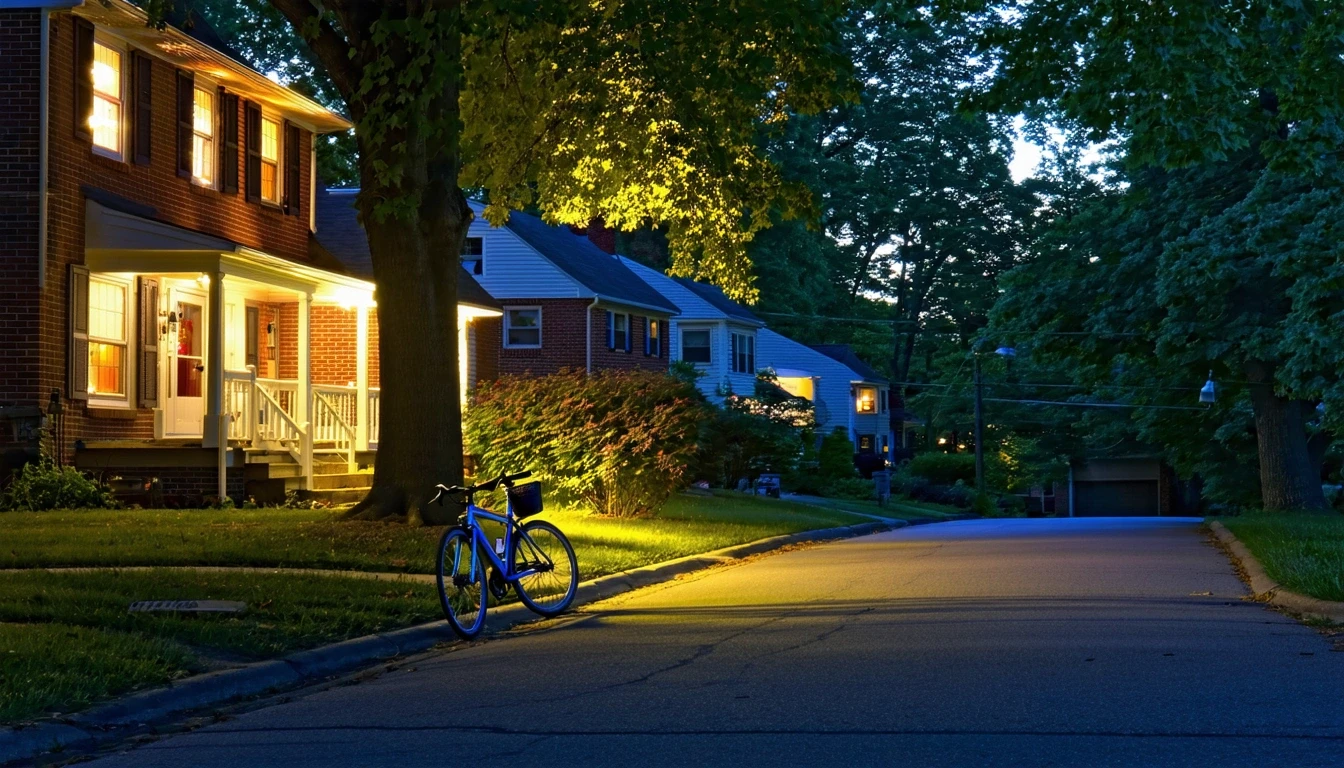
For many residents, comfort also means access to the things that make Falls Church appealing in the first place: walkable streets with dense access to groceries and cafes, abundant parks, strong schools, and rail connectivity that makes car-free or car-light living plausible. The city’s infrastructure supports a lifestyle where daily errands don’t require driving, and families can walk children to playgrounds and schools without logistical friction.
But comfort is contextual. A single professional renting a one-bedroom near the Metro experiences Falls Church very differently than a family of four trying to buy a home within the school district. The former may find the city’s walkability and transit access reduce costs and simplify routines; the latter faces a housing acquisition barrier that dominates every other financial consideration.
Comfort here isn’t about luxury—it’s about margin. It’s the difference between managing your money and your money managing you.
—
Where Income Pressure Shows Up First
In Falls Church, financial pressure begins with housing, but it doesn’t end there. The structure of the city—its density, walkability, and transit access—shapes how other costs layer on top.
Housing: The Dominant Variable
Rent at $2,074 per month is manageable for households earning well above the median, but it consumes a large share of income for those closer to the regional average. Ownership, with a median home value of $938,500, requires both substantial savings and sustained high income. For families seeking space and stability, the gap between renting and owning creates a persistent tension: pay rent indefinitely or stretch to buy in a market where entry costs are steep.
The pressure isn’t just the monthly payment—it’s the opportunity cost. Households that can afford rent but not ownership often feel stuck, unable to build equity or lock in long-term housing costs, even as their income rises.
Transportation: Time vs. Money
Falls Church’s rail access and walkable errands infrastructure reduce car dependency for daily life. Groceries, pharmacies, and cafes are broadly accessible on foot, and the pedestrian-to-road ratio supports a lifestyle where short trips don’t require driving. For households that work locally or use transit to commute into D.C., transportation costs stay modest.
But 42.3% of workers face long commutes, and only 6.1% work from home. For those driving to jobs outside the Metro corridor, the average 27-minute commute translates to fuel costs, vehicle wear, and time lost. Gas at $3.84 per gallon isn’t extreme, but it adds up when commuting is daily and unavoidable. The tradeoff becomes clear: live in Falls Church and commute, or move closer to work and lose the city’s infrastructure advantages.
Utilities: Seasonal Volatility
Electricity at 15.27¢/kWh and natural gas at $15.45/MCF are moderate, but Falls Church’s climate—hot, humid summers and cold winters—means both heating and cooling seasons drive usage. Households in older homes or larger spaces face higher bills, and those without budget billing experience monthly swings that require cash flow management.
The pressure isn’t the average—it’s the peaks. A household that budgets $150 for utilities in spring may see $250 in July or January, and that variability affects comfort more than the annual total.
Family-Specific Costs
Falls Church’s family infrastructure is strong: school density and playground density both exceed high thresholds, and parks are integrated throughout the city. This reduces logistical friction—families can walk to schools and playgrounds rather than driving across town—but it doesn’t eliminate the costs of raising children. Childcare, activities, and the need for more space all compound housing pressure, and the city’s appeal to families keeps demand (and prices) high.
—
How the Same Income Feels Different by Household
Income pressure in Falls Church isn’t uniform. Households at similar income levels experience very different financial realities depending on size, commute patterns, and housing expectations.
Single Adults
A single professional earning a solid income can rent comfortably in Falls Church, especially if they work in D.C. and use Metro. The city’s walkability means groceries, coffee, and errands are accessible without a car, and the density of food and retail options reduces the need for long trips. Utility costs are modest in a one-bedroom apartment, and the lack of dependents keeps discretionary spending flexible.
The challenge is ownership. Saving for a down payment on a $938,500 home while paying $2,074 in rent requires sustained discipline and high income. Many single adults find Falls Church works well as a renting city but becomes difficult as a long-term ownership market.
Couples
Dual-income couples experience less rent pressure than single adults, and they benefit from the same walkable infrastructure and transit access. If both partners work in D.C. or locally, transportation costs stay low, and the city’s parks and dining options support a high quality of life without requiring a car-dependent lifestyle.
Ownership becomes more plausible with two incomes, but it still requires both partners to earn well above the regional median. Couples without children often find Falls Church comfortable as renters, but those planning for family expansion face the same housing acquisition barrier that pressures families.
families
Families experience Falls Church’s strengths and pressures most acutely. The city’s school density, playground access, and park integration reduce daily logistical friction—children can walk to school, and parents can access green space without driving. The walkable errands infrastructure means grocery runs and daily tasks don’t require constant car trips, which matters when managing a household with children.
But housing pressure dominates. Families need more space, and the gap between a two-bedroom rental and a three- or four-bedroom home is steep. Ownership at $938,500 requires substantial savings and dual high incomes, and even families earning above the median often feel stretched. The city’s appeal to families keeps demand high, which sustains prices and limits options for those trying to enter the market.
Families that can afford Falls Church often do so by accepting longer commutes, deferring ownership, or relying on dual incomes with little margin for disruption. Those that can’t often leave for more affordable suburbs, even if it means losing walkability, schools, and transit access.
—
The Comfort Threshold (Qualitative)
There’s a point where income stops dictating behavior in Falls Church—where housing becomes a choice rather than a constraint, where utility bills and gas prices fade into background noise, and where saving becomes routine rather than aspirational.
That threshold isn’t a number. It’s the point where:
- You can rent or buy based on preference, not necessity.
- Seasonal utility swings don’t require budget adjustments.
- A car repair or medical bill doesn’t cascade into other tradeoffs.
- You can absorb Falls Church’s housing costs without sacrificing retirement contributions or emergency savings.
- Commute time becomes a lifestyle decision, not a financial compromise.
For single adults, this threshold arrives when rent consumes less than a quarter of gross income and ownership becomes plausible within a few years. For couples, it’s when dual incomes create enough margin to save for a down payment without lifestyle compression. For families, it’s when housing costs don’t force a choice between space, location, and financial stability.
Falls Church’s median household income of $164,536 per year suggests that many residents have crossed this threshold, but the city’s housing costs mean that even households earning well above the regional average can feel pressure if they’re trying to buy, support a family, or manage a long commute.
—
Why Online Cost Calculators Get Falls Church Wrong
Most cost-of-living calculators reduce Falls Church to a set of averages: median rent, typical utilities, estimated transportation. They produce a total and call it a budget, but they miss the texture of how costs actually behave here.
Calculators don’t account for the fact that Falls Church’s walkability and transit access reduce transportation costs for some households while doing nothing for those who commute by car to jobs outside the Metro corridor. They don’t capture the difference between renting at $2,074 and trying to buy at $938,500, or the way family size amplifies housing pressure. They don’t explain why two households with the same income can experience very different financial realities depending on commute patterns, housing expectations, and lifestyle needs.
Totals mislead because they assume uniform behavior. In Falls Church, the same income feels comfortable for a single professional using Metro and tight for a family trying to buy a home. The city’s infrastructure advantages—walkable errands, parks, schools—reduce friction for those who can access them, but they don’t eliminate the housing acquisition barrier that dominates financial planning for families and aspiring owners.
People feel surprised after moving because they underestimated how much housing would dominate their budget, or because they assumed walkability would fully offset transportation costs without realizing that commute patterns matter more than neighborhood design. The city works well for those whose income and lifestyle align with its structure, but it’s unforgiving for those who don’t.
—
How to Judge Whether Your Income Fits Falls Church
Rather than asking “How much do I need?” ask yourself these questions:
How sensitive are you to housing tradeoffs?
If you’re comfortable renting long-term and don’t need to own, Falls Church becomes more accessible. If ownership is non-negotiable, you’ll need both high income and substantial savings, and you’ll likely feel pressure even if you earn well above the median.
Can you absorb seasonal utility swings?
Falls Church’s climate drives both heating and cooling costs. If a $100 monthly swing in utility bills would require budget adjustments, you’ll feel more pressure than someone with deeper cash reserves.
Is time or money your limiting factor?
Falls Church’s walkability and transit access reduce transportation costs for those who work locally or commute via Metro. If you’re driving to a job outside the corridor, you’ll trade time and fuel costs for access to the city’s infrastructure. Which tradeoff matters more to you?
How much flexibility do you expect month to month?
Comfort in Falls Church requires margin. If your income barely covers rent, utilities, and transportation, you’ll feel every unexpected expense. If you have room to absorb variability, the city’s costs become manageable.
Does your household benefit from Falls Church’s infrastructure?
Families with school-age children benefit from the city’s school density, playground access, and park integration. Single adults and couples benefit from walkable errands and transit access. If your household doesn’t use these features, you’re paying for infrastructure you don’t need.
—
FAQs About Living Comfortably in Falls Church
Is Falls Church affordable for single adults?
Falls Church works well for single professionals earning above the regional median, especially those who rent and use transit. Ownership is harder—saving for a down payment while paying rent requires sustained high income and discipline.
Can families live comfortably in Falls Church?
Families can live comfortably here if they earn well above the median and can afford either rent for a larger unit or a down payment on a home. The city’s schools, parks, and walkability reduce logistical friction, but housing costs dominate the budget. Families earning closer to the regional average often feel stretched.
Does Falls Church require a car?
Not for daily errands. The city’s walkable infrastructure and rail access mean groceries, pharmacies, and cafes are accessible without driving. But if you commute to a job outside the Metro corridor, a car becomes necessary, and fuel and maintenance costs add up.
How does Falls Church compare to other D.C. suburbs?
Falls Church offers stronger walkability, denser errands access, and better transit connectivity than many outer suburbs, but housing costs reflect that advantage. You’re paying for infrastructure that reduces car dependency and supports a more urban lifestyle, but the entry cost—especially for ownership—is steep.
What’s the biggest financial surprise people face in Falls Church?
Most people underestimate the gap between renting and owning. Rent at $2,074 feels manageable, but buying at $938,500 requires both high income and substantial savings. Many renters find themselves stuck, unable to transition to ownership even as their income rises, because the acquisition barrier is so high.
—
How this article was built: In addition to public economic data, this article incorporates location-based experiential signals derived from anonymized geographic patterns—such as access density, walkability, and land-use mix—to reflect how day-to-day living actually feels in Falls Church, VA.
Falls Church can work well for some households—but only if expectations match reality. The city’s walkability, transit access, and family infrastructure reduce friction for those who can afford to live here, but housing costs dominate financial planning, and comfort requires income well above the regional median. If your income and lifestyle align with what Falls Church offers, it can feel like a rare combination of urban convenience and suburban calm. If they don’t, the pressure shows up quickly, and it doesn’t ease.
—