
Before you sign a lease or close on a home in Fairfax, double-check whether water is metered separately, whether trash is billed with your HOA, and whether your unit has electric or gas heat—three details that quietly determine whether your utility bills stay predictable or swing wildly with the seasons.
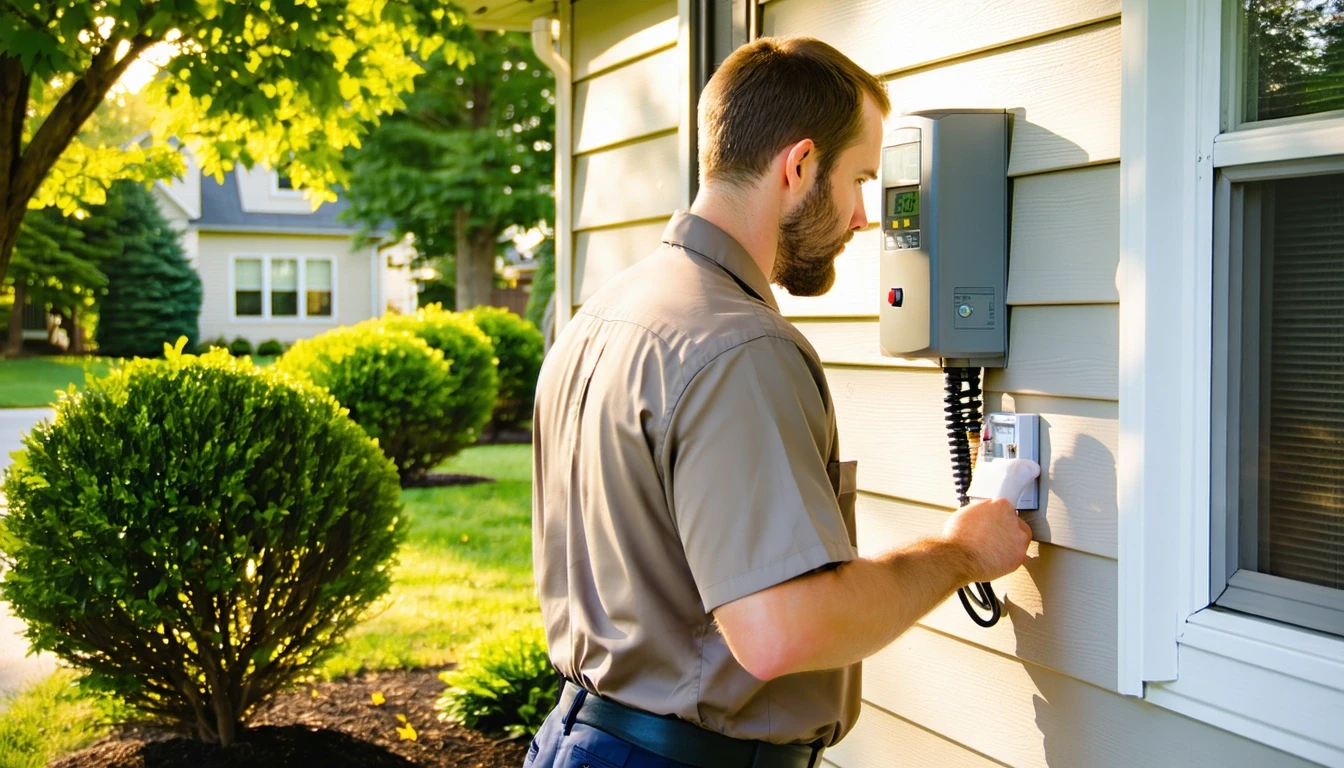
Understanding Utilities in Fairfax
Utility costs in Fairfax represent a significant and often underestimated slice of the monthly household budget. While housing typically claims the largest share of income, utilities—electricity, water, natural gas, trash, and recycling—consistently rank as the second-largest recurring expense for most residents. Unlike rent or a mortgage, which remain fixed month to month, utility bills fluctuate with usage, weather, and household behavior, making them harder to predict but easier to control once you understand the drivers.
In Fairfax, the typical utility bundle includes electricity for lighting, cooling, and appliances; natural gas for heating and hot water (in many homes); water and sewer service; and trash and recycling collection. Some of these services are billed directly by municipal or private providers, while others may be bundled into HOA fees or landlord charges, especially in apartments and townhomes. For newcomers, the distinction matters: a single-family home often means full responsibility for every utility line item, while renters in multi-unit buildings may find water, trash, or even heat included in their lease.
Understanding how utilities behave in Fairfax—what drives the bills, when they peak, and where you have control—turns a source of budget anxiety into a manageable, plannable expense. The goal isn’t to eliminate utility costs, but to know what you’re paying for and why, so you can make informed decisions about usage, efficiency, and timing throughout the year.
Utilities at a Glance in Fairfax
The table below shows how core utility costs typically behave for a mid-size household in a single-family home in Fairfax. Where city-level prices are available in the data feed, they are shown directly. When exact figures are not provided, categories are described qualitatively to reflect how costs are structured and what drives variability.
| Utility | Cost Structure |
|---|---|
| Electricity | 15.27¢/kWh; usage-sensitive, seasonal exposure |
| Water | Tiered pricing; usage-dependent |
| Natural Gas | $15.45/MCF; winter-driven, heating-dependent |
| Trash & Recycling | Often bundled with water or HOA |
| Total | Seasonal variability driven by electricity and heating |
This table reflects utility cost structure for a mid-size household in a single-family home in Fairfax during 2026. Where exact figures are not provided in the IndexYard data feed, categories are described directionally to reflect how costs behave rather than a receipt-accurate total.
Electricity is typically the most exposure-sensitive utility in Fairfax, driven more by climate and home efficiency than by base rates. At 15.27¢ per kilowatt-hour, the rate itself sits near the regional average, but what matters more is how much you use—and in Fairfax, that swings dramatically between summer cooling season and milder spring or fall months. Homes with central air conditioning, poor insulation, or older HVAC systems can see bills double or triple during peak heat, while energy-efficient units with programmable thermostats keep usage more stable.
Water costs in Fairfax are typically structured on a tiered system, meaning the more you use, the higher the per-unit rate climbs. For most households, water bills remain relatively modest and predictable unless you’re irrigating a lawn, filling a pool, or running older, inefficient appliances. Sewer charges are often bundled with water service, and together they represent a smaller but steady line item that doesn’t fluctuate much seasonally.
Natural gas, priced at $15.45 per thousand cubic feet, becomes the dominant cost driver during winter months when heating demand peaks. Homes with gas furnaces, water heaters, or gas ranges rely heavily on this fuel from November through March, and bills can climb sharply during cold snaps. Conversely, natural gas usage drops to near zero in summer for many households, making it the most seasonally concentrated utility expense in Fairfax.
Trash and recycling services are often bundled with water bills or included in HOA fees, particularly in planned communities and townhome developments. For single-family homes outside HOA coverage, trash service may be billed separately by the county or a private hauler. Either way, this cost tends to be the most stable and predictable utility, with little month-to-month variation.
How Weather Impacts Utilities in Fairfax
Fairfax experiences a full four-season climate, and that seasonal swing directly shapes your monthly budget in Fairfax. Summer heat drives air conditioning usage to its annual peak, with multi-week stretches of heat and humidity pushing cooling systems to run nearly around the clock. For homes with central AC, July and August electric bills can easily double compared to April or October, when windows stay open and HVAC systems rest. The combination of temperature and humidity—not just heat alone—determines how hard your cooling system works, and Fairfax’s muggy summer nights mean compressors rarely get a break.
Winter brings the opposite pressure: heating costs dominate, particularly for homes relying on natural gas furnaces or heat pumps operating in auxiliary mode during cold snaps. January and February typically see the highest heating bills of the year, and homes with poor insulation, drafty windows, or older HVAC equipment face steeper exposure. Unlike summer cooling, which peaks during afternoon hours, winter heating demand is more evenly distributed across the day and night, leading to sustained rather than spiked usage.
Spring and fall offer the most relief, with mild temperatures reducing both heating and cooling demand to near zero for weeks at a time. These shoulder seasons represent the baseline utility cost in Fairfax—what you’d pay if weather weren’t a factor—and they’re useful benchmarks for evaluating how much of your annual utility spending is driven purely by climate. Many Fairfax households experience noticeably lower electric bills during these months, a reminder that seasonal exposure, not the rate itself, drives the largest swings in cost.
How to Save on Utilities in Fairfax
Reducing utility costs in Fairfax starts with understanding where you have the most control: electricity and heating dominate exposure, so efficiency upgrades and behavioral changes in those categories deliver the largest impact. Unlike housing or transportation, where costs are largely fixed by location and commute, utilities respond directly to how you use energy, when you use it, and how well your home retains conditioned air.
One of the most effective levers is upgrading to a programmable or smart thermostat, which allows you to set heating and cooling schedules that match your actual occupancy rather than running systems around the clock. Pairing that with proper insulation—especially in attics, crawl spaces, and around windows—reduces the amount of energy needed to maintain comfort, cutting both electric and gas bills without sacrificing livability. Homes with older HVAC systems also benefit significantly from regular maintenance: clean filters, sealed ducts, and annual tune-ups keep efficiency high and prevent costly mid-season breakdowns.
- Enroll in off-peak or time-of-use billing programs if your provider offers them, shifting heavy usage (laundry, dishwashing) to lower-rate hours.
- Consider solar panel installation if you own your home; Virginia offers state and federal incentives that reduce upfront costs and long-term exposure to rate increases.
- Plant shade trees on south- and west-facing sides of your home to reduce direct sun exposure during peak summer heat.
- Replace incandescent bulbs with LEDs and upgrade to Energy Star–rated appliances when older units fail.
- Check whether your water heater is set above 120°F; lowering the temperature reduces both gas and electric usage without affecting daily comfort.
🏆 Tip: Check if your provider in Fairfax offers rebates for energy-efficient AC units or heating systems—many utilities subsidize upgrades that reduce peak demand, lowering your out-of-pocket cost and your monthly bills simultaneously.
FAQs About Utility Costs in Fairfax
Why do utility bills in Fairfax swing so much between summer and winter?
Fairfax’s climate drives distinct seasonal peaks: summer heat pushes air conditioning usage to its highest levels, while winter cold does the same for heating. Homes with electric cooling and gas heating face exposure on both fronts, leading to bills that can double or more during extreme months compared to mild spring or fall.
What is the average monthly electric bill for an apartment in Fairfax compared to a single-family home in 2026?
Apartments typically see lower electric bills due to smaller square footage, shared walls that reduce heating and cooling loss, and landlords sometimes covering certain utilities. Single-family homes carry full exposure to both heating and cooling costs, often resulting in bills that are 50–100% higher during peak seasons, though exact amounts depend on home size, efficiency, and usage habits.
Do HOAs in Fairfax usually include trash or water in their fees?
Many townhome and condo HOAs in Fairfax bundle trash, recycling, and sometimes water or sewer service into monthly dues, simplifying billing and reducing the number of separate utility accounts residents manage. Single-family homes in HOA communities may or may not include these services; it varies by neighborhood, so it’s worth confirming before you move in.
How does seasonal weather affect monthly utility bills in Fairfax?
Summer heat and winter cold create the two annual cost peaks, with electricity spiking during cooling season and natural gas climbing during heating months. Spring and fall offer the most predictable, lowest-cost months, when HVAC systems rest and usage reflects only baseload appliances, lighting, and water heating.
Does Fairfax offer incentives for solar panels or energy-efficient appliances?
Virginia provides state-level solar incentives, including net metering and property tax exemptions for solar installations, and federal tax credits remain available for qualifying systems. Some local utilities also offer rebates for Energy Star appliances, smart thermostats, and HVAC upgrades, reducing both upfront costs and long-term energy exposure.
How Utilities Fit Into the Cost Structure in Fairfax
Utilities in Fairfax function as a secondary but significant cost driver, sitting between housing and discretionary spending in most household budgets. Unlike rent or mortgage payments, which remain fixed, utility bills introduce volatility—summer cooling and winter heating create predictable seasonal peaks, but the exact magnitude depends on home efficiency, usage behavior, and weather severity. That variability makes utilities harder to budget for newcomers, but also more responsive to control once you understand the levers.
Fairfax’s walkable pockets and strong grocery accessibility reduce reliance on driving for daily errands, which indirectly lowers transportation-related energy costs—less fuel, fewer trips. However, utility costs remain structure-driven: electricity and heating dominate household exposure regardless of mobility patterns. Homes with poor insulation, older HVAC systems, or inefficient appliances face steeper bills, while energy-conscious households can reduce usage significantly through upgrades and behavioral changes without sacrificing comfort.
For a complete picture of how utilities interact with housing, transportation, and other recurring expenses, explore Fairfax affordability and what drives the overall cost structure. Understanding where utilities rank in your total spending—and where you have the most control—turns monthly bills from a source of uncertainty into a manageable, plannable part of life in Fairfax.
How this article was built: In addition to public economic data, this article incorporates location-based experiential signals derived from anonymized geographic patterns—such as access density, walkability, and land-use mix—to reflect how day-to-day living actually feels in Fairfax, VA.