
In El Mirage, summer electricity bills can run two to three times higher than winter months, driven almost entirely by air conditioning demand during the extended desert cooling season—a pattern that defines household utility budgets across the Phoenix metro.
Understanding Utilities in El Mirage
When planning a household budget in El Mirage, utilities cost in El Mirage represents the second-largest recurring expense after housing for most families. Unlike rent or mortgage payments that remain fixed month to month, utility bills fluctuate based on weather, household behavior, and infrastructure efficiency. For residents moving to El Mirage in 2026, understanding this variability is essential to avoiding budget surprises, particularly during the peak summer months when cooling demands dominate.
Typical utility expenses include electricity, water and sewer, natural gas, trash collection, and recycling services. In single-family homes, residents usually pay each utility directly to the provider, while apartment dwellers may find some services bundled into rent or HOA fees. The distinction matters because bundled utilities shift cost predictability but can obscure individual usage patterns. Households moving from regions with milder climates or different billing structures often underestimate how aggressively desert heat drives up electricity consumption, making advance planning critical.
El Mirage sits within the broader Phoenix metro, where infrastructure and provider networks reflect both regional economies of scale and localized service territories. Water costs carry added weight in desert communities due to scarcity and conservation mandates, while natural gas remains a minor expense given the limited heating season. Trash and recycling services vary by neighborhood, sometimes billed separately and sometimes consolidated with water. For newcomers, the key insight is that utilities in El Mirage are structured around seasonal electricity exposure rather than balanced year-round consumption, a pattern that shapes both monthly cash flow and annual planning.
Utilities at a Glance in El Mirage
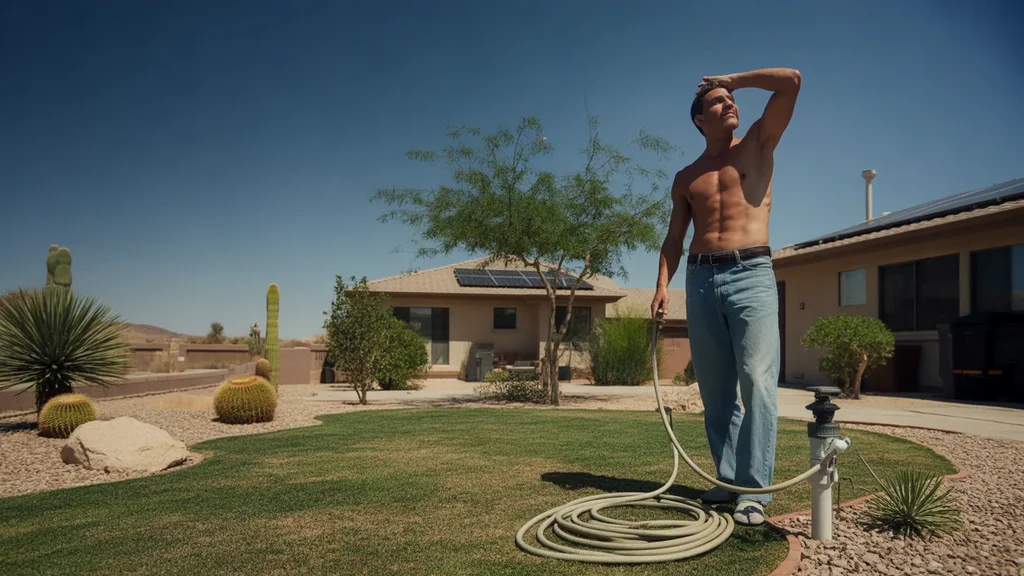
The table below shows how core utility costs typically behave for a mid-size household in a single-family home in El Mirage. Where city-level prices are available in the data feed, they are shown directly. When exact figures are not provided, categories are described qualitatively to reflect how costs are structured and what drives variability.
| Utility | Cost Structure |
|---|---|
| Electricity | 15.46¢/kWh; usage-sensitive, cooling-driven |
| Water | Tiered pricing; usage-dependent, conservation-focused |
| Natural Gas | $19.89/MCF; winter-driven, minimal heating demand |
| Trash & Recycling | Often bundled with water or HOA; fixed monthly fee |
| Total | Seasonal variability driven by electricity and minimal gas exposure |
This table reflects utility cost structure for a mid-size household in a single-family home in El Mirage during 2026. Where exact figures are not provided in the IndexYard data feed, categories are described directionally to reflect how costs behave rather than a receipt-accurate total.
Electricity is typically the most exposure-sensitive utility in El Mirage, driven more by climate and home efficiency than by base rates. At 15.46¢ per kilowatt-hour, the rate itself sits near regional averages, but consumption spikes dramatically during summer months when air conditioning runs continuously through triple-digit heat. Older homes with single-pane windows, poor insulation, or aging HVAC systems face the highest bills, while newer construction with efficient cooling systems and programmable thermostats can reduce exposure significantly. The key variable is not the rate—it’s how many kilowatt-hours a household uses between May and September.
Water costs in El Mirage reflect desert scarcity and tiered pricing structures designed to encourage conservation. Base rates cover essential indoor use—drinking, cooking, bathing—but outdoor irrigation, pool filling, and landscaping push households into higher pricing tiers quickly. Many neighborhoods enforce xeriscaping or desert-friendly landscaping to reduce water demand, and residents who maintain grass lawns or lush gardens face measurably higher bills. Water and sewer charges are often billed together, and some HOAs bundle these services into monthly dues, shifting the cost from variable to fixed.
Natural gas remains a minor line item for most El Mirage households, priced at $19.89 per thousand cubic feet. With rare freezing nights and minimal heating demand, gas consumption stays low outside of water heater and stove use. Homes with gas furnaces may see modest increases during December and January, but the heating season is short and mild compared to colder climates. For households accustomed to long winters and heavy heating bills, this represents a meaningful cost reduction, though it’s more than offset by summer electricity exposure.
Trash and recycling services vary by provider and neighborhood, with costs typically ranging as a fixed monthly fee. Some areas bill trash separately, while others consolidate it with water or include it in HOA assessments. Recycling is widely available, and bulk item pickup schedules vary by service territory. Because these fees remain stable year-round, they contribute little to seasonal volatility but still represent a predictable baseline expense that households should account for when comparing monthly expenses.
How Weather Impacts Utilities in El Mirage
Desert heat defines utility costs in El Mirage more than any other factor. During summer months—typically May through September—daytime temperatures regularly exceed 100°F, and nighttime lows often remain in the 80s. Air conditioning doesn’t cycle off; it runs continuously, pushing electricity consumption to levels that can triple spring or fall usage. Homes with west-facing exposure, minimal shade, or older insulation bear the brunt of this load, while properties with mature trees, reflective roofing, or upgraded HVAC systems see measurably lower bills. The extended cooling season means that summer utility exposure isn’t a brief spike—it’s a sustained, multi-month cost driver that shapes annual household budgets.
Winter months bring relief, both in temperature and in utility costs. With rare freezing nights and daytime highs typically in the 60s and 70s, heating demand remains minimal. Natural gas usage ticks up slightly for homes with gas furnaces or water heaters, but the increase is modest compared to the summer electricity surge. Many El Mirage households experience noticeably lower electric bills during winter compared to peak summer, creating a seasonal cash flow pattern that rewards advance planning. Households that budget based on average annual costs—rather than monthly actuals—avoid the trap of underfunding summer months and overfunding winter ones.
One regional quirk worth noting: desert nights cool quickly, even in summer, due to low humidity. Residents who open windows and use whole-house fans during evening hours can reduce overnight cooling costs, though this strategy works best in May, June, and September when nighttime temperatures drop into the 70s. July and August nights remain warm enough that most households keep air conditioning running around the clock. Water usage also follows a seasonal pattern, with outdoor irrigation demands peaking in late spring and early summer before monsoon rains arrive. Understanding these cycles helps households anticipate when bills will rise and when they’ll fall, reducing financial uncertainty throughout the year.
How to Save on Utilities in El Mirage
Reducing utility costs in El Mirage starts with controlling electricity exposure during the cooling season. Programmable or smart thermostats allow households to raise temperatures slightly when no one is home, reducing runtime without sacrificing comfort. Even a two- or three-degree adjustment during peak afternoon hours can lower consumption meaningfully over the course of a summer. Ceiling fans improve air circulation, making higher thermostat settings feel more comfortable, while blackout curtains or reflective window film block solar heat gain during the hottest part of the day. These changes don’t eliminate cooling costs, but they reduce the intensity of exposure and help stabilize bills.
Many utility providers in the Phoenix metro offer time-of-use rate plans, which charge lower rates during off-peak hours and higher rates during peak afternoon demand. Households that can shift electricity-intensive activities—laundry, dishwashing, pool pumps—to evening or early morning hours may see lower overall costs, though the savings depend on usage patterns and rate structure. Some providers also offer budget billing programs that average costs over twelve months, smoothing out seasonal spikes and making cash flow more predictable. While this doesn’t reduce total annual costs, it eliminates the monthly volatility that catches many households off guard.
- Upgrade to energy-efficient HVAC systems: Older air conditioners lose efficiency over time, consuming more electricity to deliver the same cooling output. Newer units with high SEER ratings reduce runtime and lower bills, and some utility providers offer rebates for qualifying upgrades.
- Improve home insulation and sealing: Gaps around doors, windows, and ductwork allow cooled air to escape, forcing systems to work harder. Weatherstripping, caulking, and attic insulation improvements reduce cooling load and stabilize indoor temperatures.
- Install solar panels or explore community solar programs: Arizona’s abundant sunshine makes solar energy economically viable for many households. Federal and state incentives can offset installation costs, and net metering programs allow households to sell excess generation back to the grid.
- Adopt desert-friendly landscaping: Replacing grass lawns with native plants, gravel, and xeriscaping reduces outdoor water use and lowers irrigation costs. Many local water districts offer rebates for turf removal and desert landscaping conversions.
- Use off-peak hours for high-consumption activities: Running dishwashers, washing machines, and pool pumps during evening or early morning hours takes advantage of lower time-of-use rates where available.
- Check for utility rebates and efficiency programs: Providers frequently offer incentives for LED lighting upgrades, smart thermostat installations, and appliance replacements. These programs reduce upfront costs and accelerate payback periods for efficiency investments.
🏆 Tip: Check if your provider in El Mirage offers rebates for energy-efficient AC units or heating systems. Many programs cover a portion of installation costs, and the long-term savings on electricity bills can be substantial, particularly for homes with older, inefficient equipment.
FAQs About Utility Costs in El Mirage
Why are utility bills so high in El Mirage during summer?
Triple-digit heat drives continuous air conditioning use from May through September, often tripling electricity consumption compared to milder months. Older homes with poor insulation or aging HVAC systems face the highest exposure, while efficient construction and programmable thermostats reduce costs.
What is the average monthly electric bill for an apartment in El Mirage compared to a single-family home?
Apartments typically see lower bills due to smaller square footage, shared walls that reduce heat gain, and newer construction with efficient cooling systems. Single-family homes, especially older or larger properties, face higher consumption due to greater exposure and standalone HVAC loads.
Do HOAs in El Mirage usually include trash or water in their fees?
Some HOAs bundle trash, water, or both into monthly dues, while others bill separately. The structure varies by neighborhood and development, so reviewing HOA disclosures before buying or renting clarifies which utilities remain variable and which are fixed.
How does seasonal weather affect monthly utility bills in El Mirage?
Summer electricity bills can run two to three times higher than winter months due to extended cooling demands, while natural gas costs remain low year-round given minimal heating needs. Water usage also peaks in late spring and early summer for outdoor irrigation before monsoon rains arrive.
Does El Mirage offer incentives for solar panels or energy-efficient appliances?
Arizona provides state-level solar incentives, and federal tax credits remain available for qualifying installations. Many utility providers also offer rebates for energy-efficient HVAC upgrades, LED lighting, and smart thermostats, reducing upfront costs and accelerating savings on monthly bills.
How Utilities Fit Into the Cost Structure in El Mirage
Utilities in El Mirage function as the primary source of monthly cost volatility for most households, driven almost entirely by summer electricity exposure. While housing costs—whether rent or mortgage—remain fixed, utility bills swing dramatically between seasons, creating cash flow challenges for households that don’t plan ahead. Electricity dominates this variability, with cooling costs spiking during the extended desert summer and falling sharply in winter. Water costs add a secondary layer of exposure, particularly for households with outdoor irrigation needs, while natural gas and trash remain minor, stable line items. Understanding this structure helps households allocate budgets more accurately and avoid the surprise of doubled or tripled bills during peak months.
The interplay between utilities and other cost categories also matters. Sparse errands accessibility and car-oriented mobility in El Mirage mean residents spend more time in vehicles during hot months, increasing both fuel costs and the desire for a well-cooled home upon return. Integrated park access provides some relief, offering shaded outdoor spaces that reduce the need to run air conditioning constantly, but the reality is that most daily activities—work, errands, and recreation—require either driving or staying indoors during peak heat. This pattern reinforces electricity as the dominant cost driver and makes efficiency investments in HVAC systems and insulation particularly valuable.
For a complete picture of how utilities interact with housing, transportation, and day-to-day expenses, the overall cost structure in El Mirage provides broader context. Utilities alone don’t define affordability, but they represent the most controllable variable expense in most household budgets. Residents who invest in efficiency upgrades, adopt conservation behaviors, and plan for seasonal swings gain meaningful control over monthly cash flow, reducing financial uncertainty and improving long-term budget stability. The key is recognizing that utility costs in El Mirage aren’t fixed—they’re exposure-driven, seasonal, and responsive to both household choices and infrastructure quality.
How this article was built: In addition to public economic data, this article incorporates location-based experiential signals derived from anonymized geographic patterns—such as access density, walkability, and land-use mix—to reflect how day-to-day living actually feels in El Mirage, AZ.
—