
“It’s a solid place to raise kids, but you’re definitely driving everywhere. The parks are great, though—I’ll give it that.” This kind of measured appreciation shows up constantly when people talk about Eagan. It’s not a city that inspires passionate declarations or fierce loyalty, but it’s not one that sparks regret, either. What emerges instead is a pattern: people who wanted suburban calm, green space, and family infrastructure tend to feel like they made the right call. People who hoped for walkable spontaneity, transit freedom, or urban texture tend to feel the friction.
Eagan sits in the southern Twin Cities metro, close enough to Minneapolis and St. Paul to make commuting feasible, far enough to feel distinctly suburban. It’s a city shaped by planned growth, corridor retail, and an abundance of parks. The vibe here isn’t about grit or charm—it’s about function, predictability, and outdoor access. Whether that feels like “home” or “compromise” depends entirely on what you were hoping to escape and what you were hoping to find.
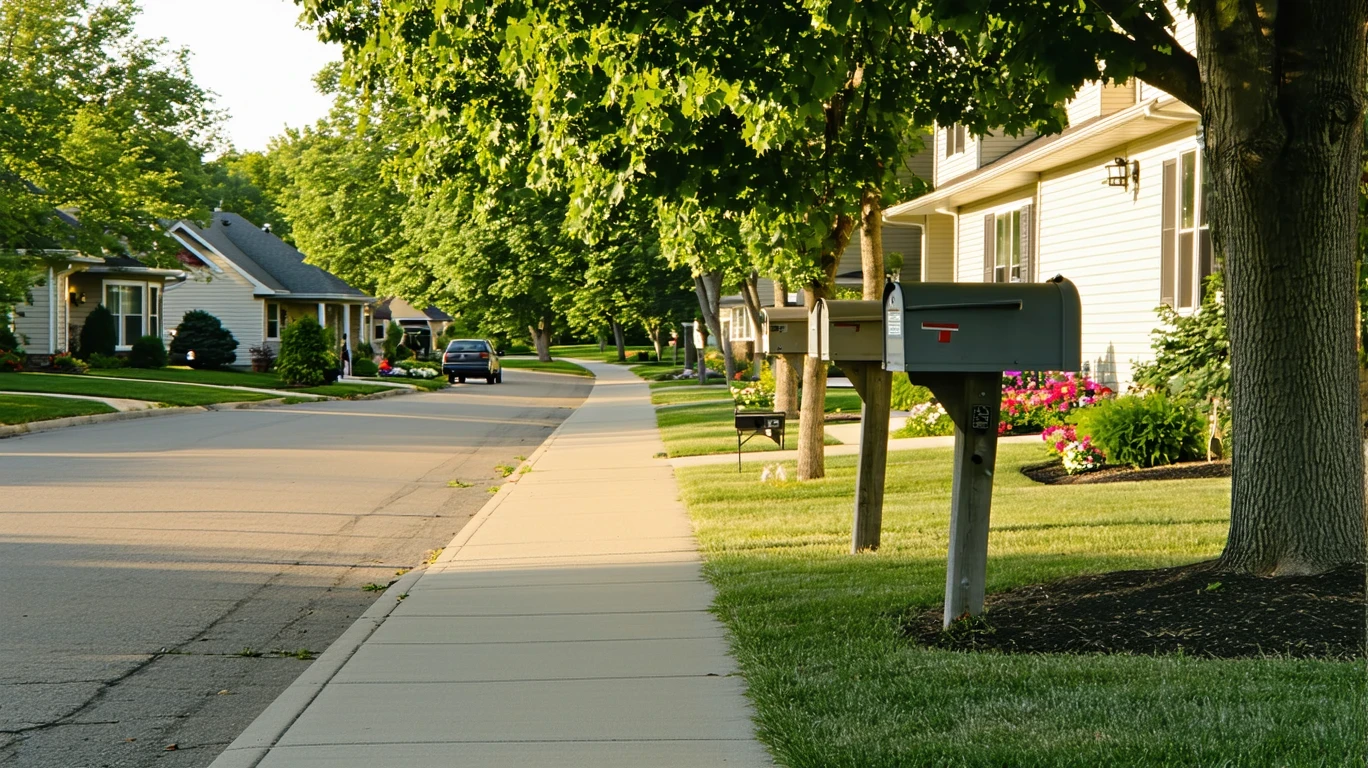
What Eagan Feels Like Day to Day
The emotional center of Eagan is its green space. Park density here exceeds typical suburban thresholds, and water features add texture to the landscape. For families with young kids, dog owners, and anyone who measures quality of life by trail access and open sky, this is a meaningful asset. It’s not incidental—it’s structural. The city was built with parks woven in, and people notice.
But the same planning that prioritized parks also created a retail and service landscape that clusters along commercial corridors rather than integrating into neighborhoods. Food and grocery options exist, but they’re concentrated in specific zones. That means errands require intention. You’re not walking out your door for milk or grabbing takeout on the way home from a stroll. You’re getting in the car, driving to a strip center, and checking off a list. For households accustomed to that rhythm, it’s fine. For people who value spontaneous access or hate driving for every small task, it’s a daily irritation.
Eagan does have pockets where pedestrian infrastructure is denser, and cycling infrastructure shows up more than you’d expect in a car-oriented suburb. But those features don’t change the fundamental structure: this is a place where most people drive most of the time. Bus service exists, but without rail and with limited route density, transit here functions as a backup option, not a primary mobility strategy. If you don’t own a car, Eagan becomes significantly harder to navigate.
Social Media Buzz in Eagan
Online, Eagan conversations tend to center on three themes: parks and trails, shopping and dining access, and the tension between growth and suburban character. There’s pride in the outdoor infrastructure and a sense that the city “did that part right.” There’s also frequent discussion about where to find specific services, which restaurants are worth the drive, and whether new development is improving convenience or just adding traffic.
“I love that I can bike with my kids on actual trails, not just sidewalks next to busy roads.”
“It’s clean and safe, but it’s also kind of boring. If you want anything interesting, you’re heading into the Cities.”
“The lack of walkable neighborhoods is real. You can’t just pop out for coffee—you have to plan it.”
The tone is rarely angry, but it’s often pragmatic. People describe Eagan as a place that works well for a specific phase of life—especially the years when parks matter more than nightlife and school access outweighs spontaneous culture. There’s less conversation about community identity or civic pride, and more about logistics: what’s convenient, what requires a drive, what’s missing.
Local News Tone
Coverage of Eagan tends to frame the city through the lens of growth management, retail development, and quality-of-life infrastructure. The tone is generally positive but not celebratory—more focused on function than character. Common topic buckets include:
- “New Retail and Dining Options Arrive Along Major Corridors”
- “Trail Expansions and Park Improvements Move Forward”
- “Residents Weigh Convenience of Growth Against Suburban Calm”
- “Commuters Balance Twin Cities Access with Local Costs”
- “Family-Friendly Amenities Remain Central to City Identity”
There’s little coverage of cultural tension, political controversy, or dramatic change. Eagan doesn’t generate headlines about transformation or conflict. It generates updates about incremental improvement and ongoing expansion. For people who find that reassuring, it signals stability. For people who find it bland, it confirms suspicions.
Review-Based Public Perception
On platforms where residents and visitors leave feedback about neighborhoods, services, and overall experience, Eagan earns consistent but rarely enthusiastic marks. The praise tends to focus on cleanliness, safety, parks, and school access. The complaints focus on car dependency, limited walkability, and a lack of distinct neighborhood character.
Families with young children often describe Eagan as exactly what they were looking for: quiet streets, good parks, easy access to big-box retail, and a predictable suburban rhythm. Remote workers and retirees sometimes express frustration with the need to drive for every errand and the absence of a walkable downtown or central gathering space. Younger professionals and transplants from denser cities frequently mention feeling isolated or bored, especially if they don’t own a car or prefer spontaneous social options.
Newer planned areas tend to feel more polished and amenity-rich, while older pockets can feel more established but less connected to the trail system and newer retail. That variation doesn’t create sharp neighborhood identity, but it does affect how integrated someone feels into the city’s recreational infrastructure.
Comparison to Nearby Cities
| Dimension | Eagan | Bloomington | Apple Valley |
|---|---|---|---|
| Overall Vibe | Suburban, park-focused, car-dependent | More urban texture, denser retail, transit access | Similar suburban feel, slightly more isolated |
| Walkability | Pockets exist, but errands require driving | More walkable corridors, better transit links | Very car-oriented, limited pedestrian infrastructure |
| Outdoor Access | Exceptional park density and trail integration | Parks present but less defining | Good park access, more spread out |
| Retail & Dining | Corridor-clustered, functional but not spontaneous | Denser options, Mall of America proximity | Similar corridor model, fewer unique options |
| Transit | Bus only, limited routes | Better bus network, light rail access | Minimal transit, very car-dependent |
Bloomington offers more urban texture and better transit access, which makes it a stronger fit for people who want to reduce car dependency or access the Twin Cities without driving. Eagan and Apple Valley share a similar suburban structure, but Eagan’s park system and slightly better pedestrian pockets give it an edge for families prioritizing outdoor access. Apple Valley feels more isolated and even more car-reliant, though it may offer slightly lower housing pressure depending on timing and neighborhood.
If you value spontaneous errands, walkable retail, and transit options, Bloomington will likely feel less frustrating. If you prioritize green space and don’t mind driving, Eagan delivers more park access than either alternative. If you want maximum suburban quiet and don’t care about walkability at all, Apple Valley might feel similar but with fewer amenities.
What Locals Are Saying
“We moved here for the schools and the parks, and on that front, it’s been great. But I do miss being able to walk to a coffee shop or grab dinner without getting in the car.”
“Eagan is perfect if you have kids and like being outside. It’s not perfect if you’re single and want things to do at night.”
“I’ve been here twenty years, and it’s changed a lot—more retail, more traffic, more people. But it still feels safe and green, which is what mattered to us.”
“The lack of a real downtown is noticeable. There’s no central place to just be. Everything is spread out along highways.”
“If you work in the Cities and want a yard and trails, Eagan makes sense. If you’re trying to live without a car, it’s going to be rough.”
“It’s a good place to raise a family, but it’s not a place where you feel like you’re part of something bigger. It’s more like a collection of neighborhoods near shopping centers.”
“The parks are honestly incredible. We use them constantly. That alone makes it worth it for us.”
Does Eagan Feel Like a Good Fit?
Eagan works best for people who already know they want suburban structure and are willing to trade walkable spontaneity for green space and family infrastructure. It’s a city that rewards car ownership, outdoor activity, and a tolerance for driving to access services. It doesn’t reward people who want to minimize driving, experience urban texture, or feel embedded in a culturally dense environment.
The parks are real, the safety is real, and the family-friendly infrastructure is real. So is the car dependency, the corridor-based retail, and the lack of a cohesive downtown or central gathering space. Whether that balance feels like relief or compromise depends on what you’re leaving behind and what you’re prioritizing now.
If you’re trying to decide whether Eagan fits your lifestyle needs, consider how much of your daily routine depends on spontaneous access, how much you value trail systems and open space, and whether you’re comfortable with a car-dependent rhythm. The city won’t surprise you with hidden walkable gems or unexpected nightlife. But it also won’t surprise you with neglected parks or unreliable suburban infrastructure. It delivers exactly what it looks like—and for some households, that’s exactly enough.
For a clearer sense of how these tradeoffs translate into day-to-day costs, exploring the financial structure can help clarify whether the suburban model here aligns with your budget and priorities.
How this article was built: In addition to public economic data, this article incorporates location-based experiential signals derived from anonymized geographic patterns—such as access density, walkability, and land-use mix—to reflect how day-to-day living actually feels in Eagan, MN.
The perspectives shown reflect commonly expressed local sentiment and recurring themes in public discussion, rather than individual accounts.