
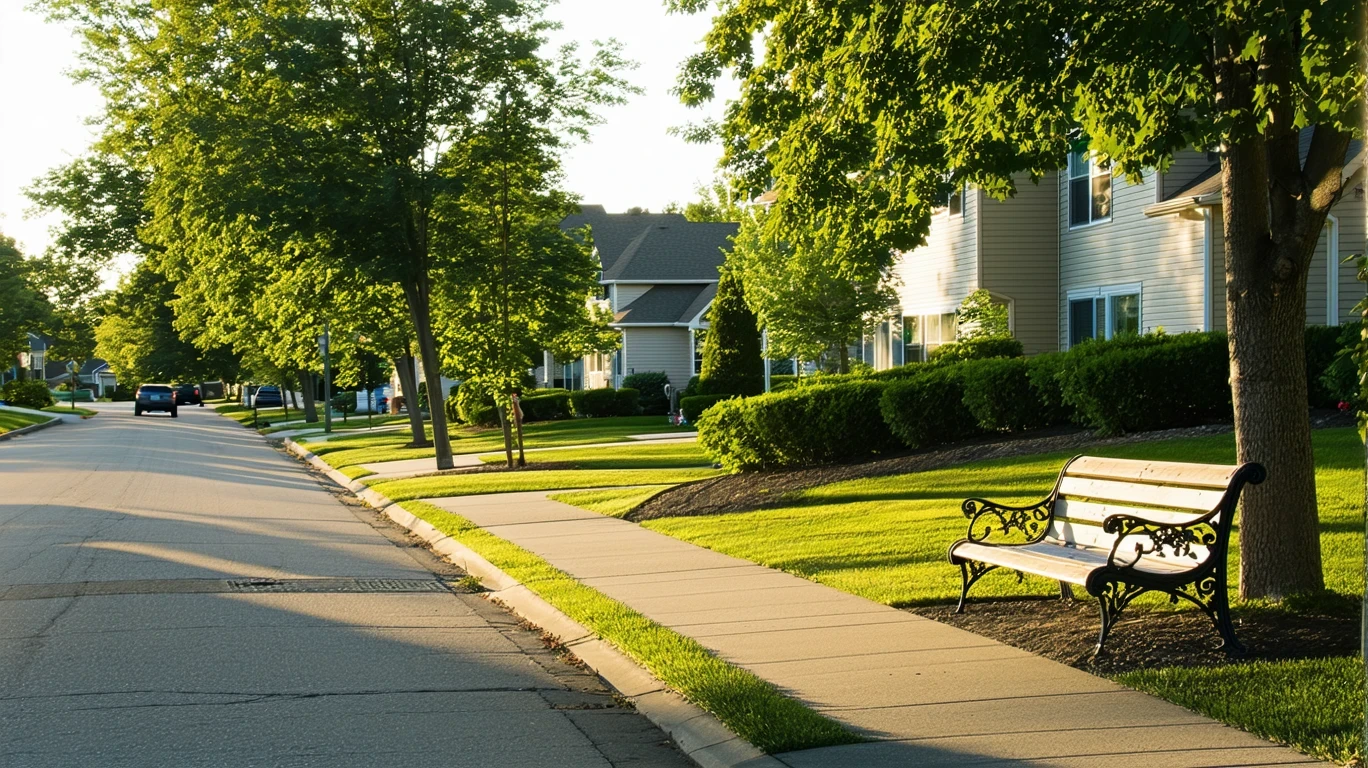
Myth: Saint Paul is always cheaper than Eagan because it’s closer to downtown and has older housing stock. The truth? Cost pressure shows up differently depending on what you’re sensitive to—and for some households, Eagan’s structure actually creates more predictability, even when entry costs look higher on paper.
Eagan and Saint Paul sit just miles apart in the Minneapolis–Saint Paul metro, yet they attract different households for different reasons. Eagan offers newer suburban development, strong school infrastructure, and integrated park access. Saint Paul brings urban core proximity, established neighborhoods, and a different mix of housing ages and types. The decision between them in 2026 isn’t about which city costs less overall—it’s about where cost pressure concentrates, how predictable that pressure feels, and which household types absorb it most easily.
This comparison explains how housing, utilities, transportation, groceries, and taxes behave differently in each city. It’s written for households deciding where cost structure aligns with income stability, commute tolerance, and long-term plans—not for those chasing the lowest sticker price.
Housing Costs
Housing is where the two cities diverge most visibly. In Eagan, the median home value sits at $362,200, and median gross rent reaches $1,490 per month. These figures reflect a suburban market dominated by single-family homes built in the past few decades, with newer construction, larger lots, and amenities like attached garages and finished basements. The entry barrier is higher, but the housing stock tends to be more uniform and predictable in condition.
Saint Paul’s housing data isn’t available in the current feed, but the city’s market behaves differently in structure. Saint Paul includes a wider mix of housing ages, from pre-war bungalows and duplexes to mid-century apartments and newer infill development. This diversity often creates more variation in rent and purchase price within the city, and it means that condition, location, and building age play a larger role in what you pay. For renters, Saint Paul’s older stock can offer lower entry points in some neighborhoods, but it also introduces more variability in maintenance quality, utility efficiency, and landlord responsiveness.
For first-time buyers, Eagan’s higher median home value translates to a steeper down payment and larger monthly mortgage obligation, but it also means access to newer homes with lower immediate maintenance needs and more energy-efficient construction. Families prioritizing space, school access, and predictable upkeep costs often find Eagan’s housing structure easier to plan around, even when the entry cost is higher. Renters in Eagan face a similar dynamic: higher baseline rent, but more consistent unit quality and fewer surprises in lease renewals.
Saint Paul’s housing diversity creates more opportunity for households willing to trade condition variability for lower entry costs or proximity to urban amenities. Renters who prioritize walkability, transit access, or neighborhood character over unit age may find Saint Paul’s market more flexible. Buyers comfortable with older homes and potential renovation needs can access Saint Paul’s market at different price tiers, though the tradeoff is less predictability in ongoing maintenance and utility exposure.
Housing takeaway: Eagan imposes higher entry costs but delivers more predictable housing quality and lower maintenance volatility. Saint Paul offers more housing diversity and potentially lower entry points, but introduces more variability in condition, efficiency, and ongoing costs. Families and first-time buyers sensitive to predictability tend to prefer Eagan’s structure; renters and buyers comfortable with older housing stock and willing to navigate condition differences may find Saint Paul’s market more accessible.
Utilities and Energy Costs
Utility costs in both cities are shaped by Minnesota’s long heating season and the age and efficiency of housing stock. Eagan’s electricity rate sits at 14.96¢/kWh, while Saint Paul’s rate is slightly higher at 16.37¢/kWh. Natural gas prices follow a similar pattern: Eagan pays $9.43/MCF, and Saint Paul pays $9.99/MCF. These differences are modest in isolation, but they compound over months of heating exposure, especially in older or less-efficient homes.
Eagan’s newer housing stock—predominantly single-family homes built in the past 20 to 30 years—tends to feature better insulation, modern HVAC systems, and energy-efficient windows. This reduces baseline heating and cooling usage, even when the home is larger. Families in Eagan often experience more predictable utility bills because the housing infrastructure limits waste. Apartments and townhomes in Eagan benefit from shared-wall construction, which further reduces heating exposure during Minnesota’s coldest months.
Saint Paul’s older housing stock introduces more variability. Pre-war bungalows, duplexes, and mid-century apartments often lack modern insulation, feature single-pane windows, and rely on older furnaces or boilers. This means that two households in Saint Paul can experience vastly different utility costs depending on building age, landlord investment in efficiency upgrades, and unit location within a building. Renters in older Saint Paul buildings may face higher winter heating bills despite the city’s slightly higher natural gas price, simply because the building envelope allows more heat loss.
Cooling costs matter less in both cities compared to heating, but Eagan’s newer construction again provides an edge in predictability. Central air conditioning is standard in most Eagan homes, and modern systems cycle efficiently. In Saint Paul, cooling infrastructure varies widely: some units have central air, others rely on window units, and some older buildings offer no cooling at all. This creates uneven summer comfort and cost exposure.
Utility takeaway: Eagan’s newer housing stock reduces utility volatility and makes heating costs more predictable, even with larger homes. Saint Paul’s older buildings introduce more variability—households in well-maintained units may see comparable costs, but those in older or poorly insulated buildings face higher heating exposure. Renters and buyers sensitive to seasonal bill swings should prioritize housing age and efficiency over city-level rate differences.
Groceries and Daily Expenses
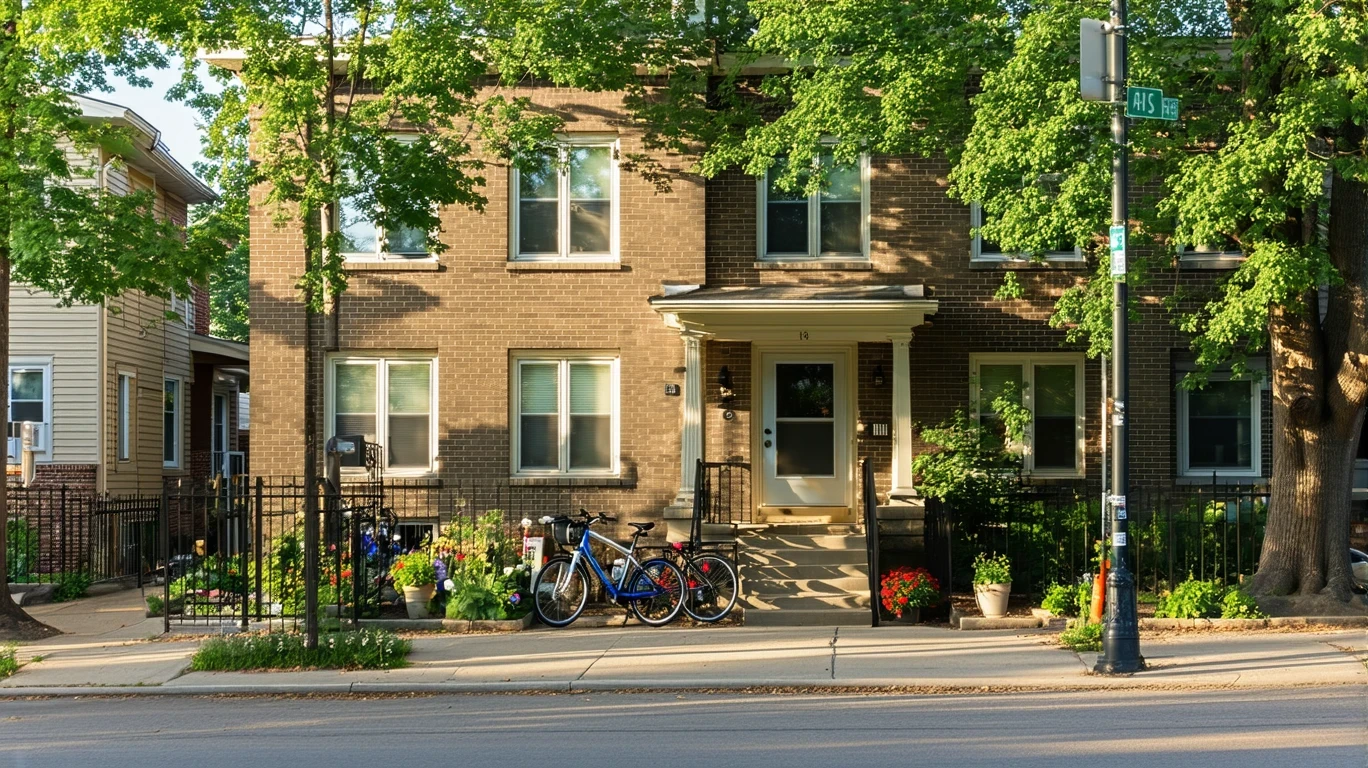
Both Eagan and Saint Paul share the same regional price parity index of 98, meaning grocery prices at the category level don’t differ meaningfully between the two cities. What does differ is access structure, store concentration, and how households navigate daily errands. These differences don’t change the price of milk or eggs, but they do affect how much time, gas, and convenience spending creeps into weekly routines.
Eagan’s grocery landscape is corridor-clustered, with medium-density food and grocery options concentrated along major commercial strips. This means most households drive to a primary grocery store, often combining the trip with other errands at nearby big-box retailers or chain restaurants. The structure favors bulk shopping, weekly stock-ups, and planned meal prep. Families with cars and storage space benefit from this model—they can access discount chains, warehouse clubs, and specialty stores within a short drive, and they can buy in volume to reduce per-unit costs.
Saint Paul’s grocery access varies more by neighborhood. Some areas offer walkable access to smaller grocers, co-ops, or corner markets; others require a car trip to reach full-service supermarkets. The city’s older commercial corridors support more independent grocers and ethnic markets, which can offer price advantages on specific staples but may not provide the same breadth of discount options as suburban big-box chains. Households without cars or with limited storage space may rely more on frequent, smaller trips, which can increase per-unit costs and reduce the ability to take advantage of bulk pricing.
Dining out and convenience spending follow similar patterns. Eagan’s commercial corridors feature chain restaurants, fast-casual options, and coffee shops clustered near shopping centers. These are car-accessible and designed for planned visits. Saint Paul’s dining landscape includes more neighborhood cafes, independent restaurants, and walkable takeout options, which can increase spontaneous spending for households living near commercial nodes. The convenience of grabbing coffee or takeout on foot can feel like a lifestyle benefit, but it also introduces more frequent small purchases that add up over time.
For single adults and couples, the difference often comes down to shopping habits and car access. Those who meal-prep and shop weekly may find Eagan’s big-box access more cost-effective. Those who value walkable errands and neighborhood dining may prefer Saint Paul’s structure, even if per-trip costs are slightly higher. Families managing larger grocery volumes and multiple weekly errands tend to benefit more from Eagan’s car-oriented, bulk-shopping infrastructure.
Grocery takeaway: Price parity is identical, but access structure differs. Eagan favors planned, car-based shopping with bulk pricing advantages. Saint Paul offers more walkable, neighborhood-scale access in some areas, but less consistent discount infrastructure. Families and bulk shoppers tend to experience lower friction in Eagan; smaller households and walkable-lifestyle prioritizers may find Saint Paul’s structure more convenient, even if per-trip costs are higher.
Taxes and Fees
Property taxes, sales taxes, and local fees shape ongoing cost obligations in both cities, but the structure and predictability differ. Minnesota’s property tax system is complex, with rates varying by county, city, school district, and special taxing districts. Both Eagan and Saint Paul sit in the same metro region, but their reliance on property taxes versus other revenue sources creates different exposure profiles for homeowners and renters.
Eagan, as a suburban city with newer development and a strong commercial tax base, tends to distribute tax burden more evenly across residential and commercial properties. Homeowners in Eagan face property taxes that reflect the city’s investment in parks, schools, and infrastructure, but the presence of retail corridors and corporate campuses helps offset residential tax pressure. Newer homes in Eagan are often assessed at higher values, which increases the tax base, but the city’s relatively low service density (fewer transit routes, less dense infrastructure) can keep per-household tax obligations more predictable.
Saint Paul, as the state capital and an older urban core, carries more infrastructure maintenance obligations and a denser service footprint. Property taxes in Saint Paul reflect the cost of maintaining older streets, transit systems, and public services across a more compact, higher-density area. Homeowners in Saint Paul may experience more variability in tax bills depending on neighborhood, building age, and proximity to commercial corridors. Renters in both cities absorb property taxes indirectly through rent, but the pass-through is more visible in Saint Paul’s older rental stock, where landlords may adjust rents to cover tax increases or deferred maintenance.
Sales taxes in Minnesota are set at the state level, but local jurisdictions can add incremental taxes for specific purposes (transit, infrastructure, public safety). Both Eagan and Saint Paul are subject to similar sales tax structures, so the difference in consumption tax burden is minimal. What does differ is the prevalence of fees: trash collection, water and sewer charges, parking permits, and special assessments. Eagan’s newer development often includes HOA fees for townhomes and condos, which bundle services like landscaping, snow removal, and exterior maintenance. These fees are predictable but non-negotiable, and they add a fixed monthly cost that doesn’t fluctuate with usage.
Saint Paul’s older housing stock is less likely to include HOA fees, but individual homeowners and renters may face higher utility connection fees, water and sewer charges, and special assessments for street or sidewalk repairs. These costs are less predictable and can spike when infrastructure needs arise. Renters in Saint Paul may also encounter separate billing for trash, water, or parking, which increases the number of monthly obligations to track.
Taxes and fees takeaway: Eagan’s property tax burden is offset by a strong commercial base and newer infrastructure, making costs more predictable for homeowners. Saint Paul’s older infrastructure and denser service footprint create more variability in taxes and fees, especially for homeowners in older neighborhoods. Renters in both cities absorb taxes indirectly, but Saint Paul’s fee structure introduces more line items and less predictability. Long-term homeowners planning to stay several years should prioritize tax predictability; renters should focus on understanding which utilities and fees are bundled versus billed separately.
Transportation & Commute Reality
Transportation costs and commute patterns reveal one of the sharpest structural differences between Eagan and Saint Paul. Eagan’s average commute time is 23 minutes, with 31.6% of workers experiencing long commutes and only 3.6% working from home. These figures reflect a suburban commute pattern: most Eagan residents drive to work, often traveling to Minneapolis, Saint Paul, or other metro employment centers. The city’s bus service is present, but the low work-from-home percentage and high long-commute share suggest that transit isn’t a practical primary option for most households.
Gas prices in Eagan sit at $3.24/gal, compared to $2.63/gal in Saint Paul—a meaningful difference for households driving daily. Over weeks and months, this gap compounds, especially for two-car households or those with longer commutes. Eagan’s walkable pockets and notable cycling infrastructure (bike-to-road ratio exceeds high thresholds) offer some relief for short trips and errands, but the city’s overall structure still requires a car for most daily needs. Families in Eagan typically plan around two vehicles, and the cost of fuel, insurance, and maintenance becomes a fixed household obligation.
Saint Paul’s commute data isn’t available in the current feed, but the city’s denser, older urban form and proximity to downtown Minneapolis create different transportation dynamics. Saint Paul’s transit network includes bus routes and light rail connections, and the city’s walkable neighborhoods reduce car dependence for some households. The lower gas price in Saint Paul reflects regional pricing variation, but it also matters less for households who can walk, bike, or take transit for a larger share of trips. Single adults and couples living near transit corridors or within walking distance of work may find Saint Paul’s structure reduces transportation costs significantly, even without numeric commute data.
Eagan’s experiential signals show corridor-clustered errands accessibility and walkable pockets with notable bike presence, meaning that some daily trips—grocery runs, coffee stops, park visits—can happen without a car if you live near the right corridors. But the city’s low work-from-home percentage and high long-commute share suggest that most households still depend on cars for the majority of weekly travel. Saint Paul’s older, mixed-use neighborhoods often place grocery stores, schools, and services within walking or biking distance, reducing the need for a second car or frequent long drives.
Transportation takeaway: Eagan’s commute structure and higher gas prices create more car dependence and higher fuel costs, especially for two-car households. Saint Paul’s lower gas price and denser urban form reduce transportation pressure for households who can walk, bike, or use transit. Families with two working adults and school-age kids tend to experience higher transportation costs in Eagan; single adults and couples prioritizing transit access or walkable neighborhoods may find Saint Paul’s structure more cost-effective, even without precise commute data.
Cost Structure Comparison
Housing dominates the cost experience in Eagan. The median home value of $362,200 and median gross rent of $1,490 per month create a high entry barrier, but they also deliver predictable housing quality, lower maintenance volatility, and newer, more efficient building stock. Families and first-time buyers who can clear the entry threshold often find that Eagan’s housing structure reduces ongoing surprises—fewer emergency repairs, more consistent utility performance, and less variability in lease renewals. Saint Paul’s housing market, without available numeric data, operates differently: more diversity in age, condition, and price, which creates opportunity for lower entry costs but introduces more variability in maintenance, efficiency, and landlord quality.
Utilities introduce more volatility in Saint Paul, not because rates are dramatically higher (electricity is 16.37¢/kWh versus 14.96¢/kWh in Eagan, and natural gas is $9.99/MCF versus $9.43/MCF), but because the older housing stock amplifies exposure. A household in a well-maintained Saint Paul duplex may see utility costs comparable to Eagan, but a household in a poorly insulated pre-war bungalow will experience much higher heating bills during Minnesota’s long winter. Eagan’s newer construction limits this variability—most homes are built to modern efficiency standards, so utility costs are more predictable across the housing stock.
Transportation patterns matter more in Eagan. The 23-minute average commute, 31.6% long-commute share, and $3.24/gal gas price create higher ongoing transportation costs, especially for two-car households. Eagan’s walkable pockets and notable cycling infrastructure reduce some short-trip car dependence, but the city’s overall structure still requires driving for most errands and commutes. Saint Paul’s lower gas price ($2.63/gal) and denser urban form reduce transportation pressure for households who can walk, bike, or use transit, though the lack of numeric commute data limits precise comparison.
Groceries and daily expenses don’t differ in price parity (both cities share an RPP index of 98), but access structure shapes how households shop and spend. Eagan’s corridor-clustered grocery access favors planned, car-based shopping with bulk pricing advantages, which benefits families and households with storage space. Saint Paul’s more varied neighborhood-scale access supports walkable errands in some areas, but less consistent discount infrastructure can increase per-trip costs or push households toward more frequent, smaller purchases.
Taxes and fees are more predictable in Eagan, where a strong commercial tax base and newer infrastructure reduce property tax volatility and limit special assessments. Saint Paul’s older infrastructure and denser service footprint create more variability in property taxes and fees, especially for homeowners in older neighborhoods. Renters in both cities absorb these costs indirectly, but Saint Paul’s fee structure introduces more line items and less bundling.
The better choice depends on which costs dominate your household. For families sensitive to housing entry barriers but prioritizing long-term predictability, Eagan’s structure reduces ongoing volatility even when upfront costs are higher. For households sensitive to transportation costs or utility exposure in older buildings, Saint Paul’s lower gas prices and potential for walkable, transit-accessible living reduce pressure—but only if you can navigate housing variability and accept less predictability in maintenance and efficiency. The decision is less about total cost and more about which cost categories you can absorb, plan around, or avoid entirely.
How the Same Income Feels in Eagan vs Saint Paul
Single Adult
For a single adult, housing becomes the first non-negotiable cost, and the difference between Eagan and Saint Paul shows up immediately in what that housing delivers. In Eagan, higher rent buys newer construction, predictable utility performance, and lower maintenance surprises, but it also locks in a larger fixed monthly obligation. Flexibility exists in transportation—if you live near Eagan’s walkable pockets or cycling corridors, you can reduce car dependence for some trips—but most single adults still need a car for commuting and errands. In Saint Paul, lower entry-point housing options exist in older buildings, which frees up cash for other priorities, but utility costs and maintenance variability become less predictable. The role of commute friction matters more in Eagan, where longer average commutes and higher gas prices increase time and fuel costs; Saint Paul’s denser form and lower gas prices reduce transportation pressure for those who can walk or use transit.
Dual-Income Couple
For a dual-income couple, the non-negotiable costs expand to include two commutes, potentially two cars, and housing large enough for shared space and storage. In Eagan, higher housing costs are offset by predictable utility bills and lower maintenance exposure, but transportation becomes a larger ongoing obligation—two cars, higher gas prices, and longer commutes compound quickly. Flexibility exists in grocery strategy: Eagan’s big-box access and bulk pricing reduce per-unit costs if you can shop weekly and store volume. In Saint Paul, housing variability creates more opportunity to find lower entry costs, but it also introduces more risk in utility exposure and building condition. The role of car dependence diminishes if both partners can walk, bike, or use transit, which shifts cost pressure from transportation to housing quality and neighborhood fit. Time cost versus cash cost becomes the central tradeoff: Eagan offers more predictable cash outlays but requires more driving and planning; Saint Paul offers more walkable convenience in some areas but less predictability in housing and utility performance.
Family with Kids
For a family with kids, school access, outdoor space, and household logistics complexity become non-negotiable. In Eagan, higher housing entry costs buy access to integrated parks, medium-density school infrastructure, and newer homes with space for storage, play, and multiple bedrooms. Flexibility disappears in transportation—families almost always need two cars, and the combination of longer commutes, higher gas prices, and school drop-offs increases both time and fuel costs. Grocery strategy favors bulk shopping and meal prep, which Eagan’s corridor-clustered big-box access supports well. In Saint Paul, housing variability means families must navigate condition differences and efficiency exposure more carefully, but lower entry costs in some neighborhoods create opportunity for larger or better-located units. The role of commute friction and car dependence depends heavily on neighborhood: families near walkable schools and parks can reduce transportation pressure, but those in car-dependent pockets face similar or higher costs than Eagan without the same housing predictability. Front-loaded costs dominate in Eagan (higher rent or mortgage, two cars, upfront housing quality), while ongoing exposure dominates in Saint Paul (utility variability, maintenance surprises, transportation flexibility that depends on location).
Decision Matrix: Which City Fits Which Household?
| Decision factor | If you’re sensitive to this… | Eagan tends to fit when… | Saint Paul tends to fit when… |
|---|---|---|---|
| Housing entry + space needs | You need predictable housing quality and low maintenance exposure | You can clear the higher entry barrier and prioritize newer construction with consistent utility performance | You’re willing to navigate condition variability and older building stock in exchange for lower entry costs or neighborhood character |
| Transportation dependence + commute friction | You want to minimize car dependence or avoid long commutes | You live near walkable pockets or cycling corridors and can absorb higher gas prices for remaining car trips | You can walk, bike, or use transit for most trips and benefit from lower gas prices when driving is necessary |
| Utility variability + home size exposure | You want predictable seasonal bills and low heating exposure | You prioritize newer construction with modern insulation and efficient HVAC systems that limit winter heating volatility | You can identify well-maintained units in newer or renovated buildings and accept that older stock introduces more seasonal cost swings |
| Grocery strategy + convenience spending creep | You want to minimize per-unit costs and control spontaneous purchases | You shop weekly, buy in bulk, and have storage space to take advantage of big-box pricing and planned meal prep | You value walkable errands and neighborhood dining even if per-trip costs are higher and spontaneous spending increases |
| Fees + friction costs (HOA, services, upkeep) | You want predictable monthly obligations with minimal surprise assessments | You accept bundled HOA fees in exchange for predictable landscaping, snow removal, and exterior maintenance | You prefer fewer fixed fees and are willing to manage individual service contracts and absorb variability in special assessments |
| Time budget (schedule flexibility, errands, logistics) | You want to minimize driving time and errand complexity | You can consolidate errands into planned weekly trips and accept that most daily needs require a car | You live near walkable corridors where errands, dining, and services are accessible on foot or by bike |
Lifestyle Fit
Eagan and Saint Paul offer distinct lifestyle textures that extend beyond cost structure. Eagan’s suburban form emphasizes outdoor access, family infrastructure, and newer development. The city’s park density exceeds high thresholds, and water features are present throughout, creating integrated green space that supports walking, biking, and recreational activities. Schools are distributed at medium density, and playgrounds are present, though below low-density thresholds. The city’s mixed building height character and corridor-clustered commercial development create pockets of walkability and cycling infrastructure, but the overall structure still requires a car for most households. Families prioritizing outdoor space, school access, and predictable housing quality often find Eagan’s lifestyle infrastructure aligns well with their needs.
Saint Paul’s lifestyle character is shaped by its older urban form, proximity to downtown Minneapolis, and denser neighborhood structure. The city’s established residential corridors support more walkable errands in some areas, and its cultural institutions, independent restaurants, and historic architecture create a different sense of place. Saint Paul’s transit connections and lower car dependence in certain neighborhoods appeal to households who value urban convenience and shorter distances to services. The city’s older housing stock and varied neighborhood character create more diversity in lifestyle options, but also more variability in what each neighborhood delivers.
Commute times and transportation patterns shape daily routines in both cities. Eagan’s 23-minute average commute and 31.6% long-commute share reflect a suburban commute pattern where most residents drive to work, often traveling to employment centers outside the city. Saint Paul’s denser form and transit access reduce commute friction for some households, especially those working downtown or along transit corridors. The lifestyle difference isn’t just about commute time—it’s about how much of your day is spent in a car versus on foot, and how much flexibility you have to walk to a coffee shop, bike to a park, or take transit to dinner.
Quick facts: Eagan’s park density exceeds high thresholds, with water features integrated throughout the city. Saint Paul’s lower gas price ($2.63/gal versus $3.24/gal in Eagan) reduces fuel costs for households who still drive regularly.
Frequently Asked Questions
Is Eagan or Saint Paul cheaper for renters in 2026?
Eagan’s median gross rent is $1,490 per month, which reflects newer construction, predictable utility performance, and lower maintenance exposure. Saint Paul’s rental market includes more variability in age, condition, and price, which can create lower entry points in some neighborhoods but also introduces more risk in utility costs and building quality. Renters sensitive to predictable monthly obligations and consistent housing quality tend to prefer Eagan’s structure; those willing to navigate older buildings and condition variability may find lower entry costs in Saint Paul, though ongoing utility and maintenance exposure is less predictable.
How do utility costs differ between Eagan and Saint Paul in 2026?
Saint Paul’s electricity rate is slightly higher (16.37¢/kWh versus 14.96¢/kWh in Eagan), and natural gas costs more ($9.99/MCF versus $9.43/MCF). But the larger difference comes from housing stock: Eagan’s newer construction limits heating and cooling waste, making utility bills more predictable. Saint Paul’s older buildings introduce more variability—well-maintained units may see comparable costs, but poorly insulated buildings experience much higher winter heating exposure. Households sensitive to seasonal bill swings should prioritize housing age and efficiency over city-level rate differences.
Which city is better for families with kids in 2026, E