
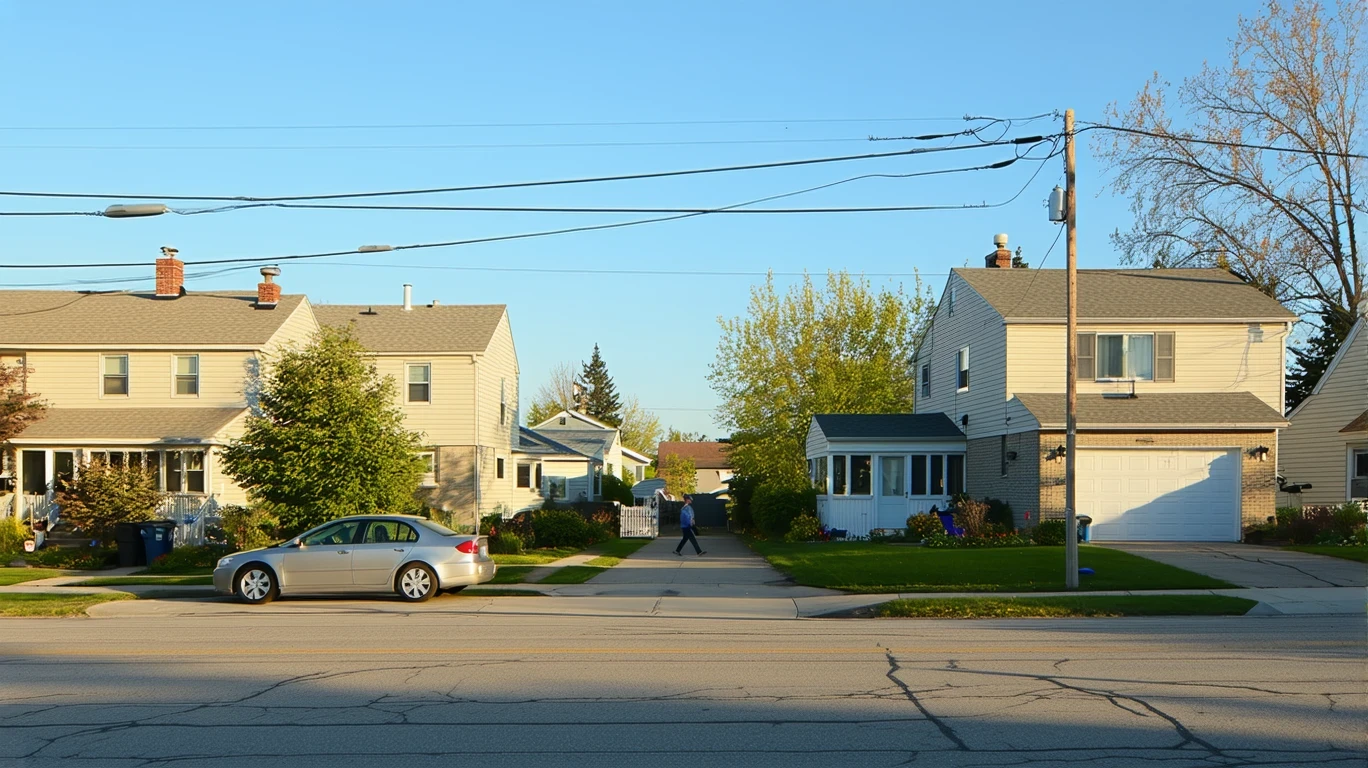
Eagan vs Brooklyn Park: housing entry in Eagan is higher, but commute patterns and green space access differ. Brooklyn Park offers lower rent and home prices, but utility rates and family infrastructure create different cost pressures. Both cities share the same regional price environment and similar transit options, yet the way costs show up—and which households feel them most—depends on housing form, commute sensitivity, and how much predictability matters in your monthly obligations.
People compare these two Twin Cities suburbs because they’re both in the Minneapolis-St. Paul metro, both offer suburban housing stock, and both provide access to regional employment centers. But the decision isn’t about which city is “cheaper”—it’s about where cost pressure concentrates for your household in 2026. Eagan tends to attract dual-income professionals and families prioritizing school density and park access, while Brooklyn Park appeals to cost-sensitive renters and first-time buyers looking for lower housing entry barriers. The lifestyle tradeoffs revolve around housing form, commute friction, and whether you value walkable pockets or prioritize minimizing upfront housing costs.
This comparison explains how housing, utilities, transportation, groceries, taxes, and daily logistics behave differently in each city—not to declare a winner, but to help you understand which cost structure fits your household’s priorities, income stability, and tolerance for volatility.
Housing Costs
Housing is the primary cost differentiator between Eagan and Brooklyn Park. Eagan’s median home value sits at $362,200, while Brooklyn Park’s is $289,400. For renters, Eagan’s median gross rent is $1,490 per month compared to Brooklyn Park’s $1,244 per month. These aren’t small differences—they represent distinct entry barriers and ongoing obligations that shape which households can access each city and how much flexibility remains after housing is paid.
In Eagan, the higher housing entry barrier reflects demand for school access, park density, and proximity to employment corridors. The housing stock skews toward single-family homes and townhomes, with walkable pockets offering pedestrian infrastructure in select neighborhoods. Renters face tighter inventory and higher baseline costs, but the tradeoff is access to family-oriented amenities and green space that exceeds high density thresholds. Homebuyers in Eagan are typically dual-income households or families willing to absorb higher mortgage obligations in exchange for school quality and outdoor access.
Brooklyn Park’s lower housing costs create more accessible entry points for first-time buyers and cost-sensitive renters. The housing stock includes a broader mix of apartments, older single-family homes, and newer construction, with less concentration in walkable pockets. The lower rent and home values don’t reflect lower quality—they reflect different demand drivers and a housing market less dominated by families prioritizing school density. For renters, the $246 per month difference in median gross rent represents meaningful flexibility in other budget categories. For buyers, the roughly $73,000 difference in median home value translates to lower down payment requirements and smaller monthly mortgage obligations.
| Housing Type | Eagan | Brooklyn Park |
|---|---|---|
| Median Home Value | $362,200 | $289,400 |
| Median Gross Rent | $1,490/month | $1,244/month |
The housing cost difference matters most for households where income stability is uncertain or where housing represents a disproportionate share of gross monthly income. In Eagan, housing costs demand higher baseline income to maintain flexibility in other categories. In Brooklyn Park, the lower housing entry barrier leaves more room for discretionary spending, savings, or absorbing unexpected expenses. Families prioritizing school access and park density may find Eagan’s higher housing costs justified by the infrastructure that supports daily life. Households prioritizing lower fixed obligations and more financial breathing room will find Brooklyn Park’s housing market more forgiving.
Housing takeaway: Eagan’s housing costs create a higher entry barrier but deliver access to family infrastructure and green space. Brooklyn Park’s lower housing costs reduce upfront pressure and ongoing obligations, making it more accessible for renters and first-time buyers. The decision depends on whether your household values amenity access over cost flexibility—or vice versa.
Utilities and Energy Costs
Utility costs in both cities are shaped by Minnesota’s long heating season and the need for reliable cooling during summer months. Eagan’s electricity rate is 14.96¢/kWh, while Brooklyn Park’s is 15.67¢/kWh. Natural gas prices are $9.43/MCF in Eagan and $9.99/MCF in Brooklyn Park. These differences are small in isolation, but they compound over months of heating exposure and interact with housing stock, home age, and household size to create different cost pressures.
In Eagan, the slightly lower electricity and natural gas rates mean marginally lower baseline exposure for households in newer construction or well-insulated homes. The housing stock includes a mix of older single-family homes and newer builds, with energy efficiency varying widely. Families in larger homes face higher absolute usage, but the lower rates provide modest relief. The integrated green space and mixed building height profile suggest a suburban form where heating dominates winter utility bills and cooling becomes a secondary summer expense. Predictability is moderate—households can anticipate seasonal spikes, but the magnitude depends on home size, insulation quality, and thermostat discipline.
Brooklyn Park’s slightly higher utility rates create incrementally more exposure for households in older homes or larger single-family properties. The housing stock skews older in some neighborhoods, meaning less efficient heating systems and more thermal loss during Minnesota’s coldest months. The difference between 14.96¢/kWh and 15.67¢/kWh isn’t dramatic on a monthly basis, but over a full heating season, it adds friction for households already managing tight budgets. Natural gas exposure follows the same pattern—$9.99/MCF versus $9.43/MCF compounds over months of furnace use, especially in homes with older HVAC systems or poor insulation.
Utility cost exposure varies most by housing type and household size. Single adults in apartments face lower absolute usage and benefit from shared-wall insulation, making the rate difference between cities less material. Families in single-family homes experience higher baseline usage and more volatility, with heating costs dominating winter months and cooling adding pressure during summer heat. Older homes in both cities amplify exposure, but Brooklyn Park’s slightly higher rates mean less margin for error when managing seasonal spikes.
Utility takeaway: Eagan’s lower electricity and natural gas rates provide modest relief for households in larger homes or older construction. Brooklyn Park’s slightly higher rates create incrementally more exposure, especially for families managing heating costs in older single-family homes. The difference is driven more by housing stock and home age than by rate structure alone—households in newer, well-insulated homes will feel less impact regardless of city.
Groceries and Daily Expenses
Both Eagan and Brooklyn Park share the same regional price parity index (98), meaning grocery and everyday spending pressure is structurally similar across the metro. The differences show up in access patterns, store concentration, and how much convenience spending creeps into weekly routines. Experiential signals indicate that both cities have food and grocery options concentrated along corridors rather than broadly distributed, which means households rely on planned trips rather than spontaneous neighborhood errands.
In Eagan, grocery access clusters along commercial corridors with a mix of big-box retailers and regional chains. The corridor-clustered pattern means households with cars can access discount options and bulk buying, but walkable grocery access is limited to select pockets. Families managing larger grocery volumes benefit from proximity to warehouse stores and multi-aisle supermarkets, while single adults or couples may find themselves driving for routine purchases rather than walking to neighborhood stores. Dining out and convenience spending opportunities exist but aren’t saturated—households can control frequency and avoid lifestyle creep if they’re disciplined.
Brooklyn Park follows a similar corridor-clustered pattern, with grocery options concentrated along major roads and commercial strips. The mix includes discount grocers, regional chains, and some specialty stores, but walkable access remains limited outside of specific neighborhoods. Households managing tighter budgets benefit from the presence of discount options, but the need to drive for groceries adds friction and time cost. Convenience spending—coffee shops, takeout, prepared foods—is present but less dense than in more urbanized areas, which can help households avoid incremental spending that compounds over weeks.
Grocery cost pressure differs most by household size and shopping habits. Single adults can minimize spending by focusing on staples and avoiding convenience purchases, but the corridor-clustered access pattern means every trip requires planning. Couples with dual incomes may absorb convenience spending more easily but face the same access friction. Families managing larger grocery volumes benefit from bulk buying and discount options in both cities, but the time cost of driving to stores and managing weekly trips adds logistical burden. Price sensitivity matters more in Brooklyn Park, where lower housing costs leave less income cushion for discretionary spending.
Grocery takeaway: Both cities share similar grocery price environments and corridor-clustered access patterns. Eagan’s higher median income suggests more flexibility for convenience spending, while Brooklyn Park’s lower housing costs mean grocery discipline matters more for maintaining budget balance. Households sensitive to time cost and planning burden will feel the corridor-clustered pattern equally in both cities—car access is essential, and spontaneous errands aren’t practical.
Taxes and Fees

Property taxes, sales taxes, and local fees shape ongoing cost obligations in both cities, but the structural differences are subtle. Minnesota’s statewide sales tax applies equally to both Eagan and Brooklyn Park, so the variation comes from property tax rates, special assessments, and city-specific fees like trash collection, water, and stormwater management. Neither city is a low-tax haven, but the way taxes and fees interact with housing values creates different exposure levels for homeowners and renters.
In Eagan, property taxes are applied to higher median home values, which means homeowners face larger absolute tax bills even if the millage rate is comparable to Brooklyn Park. The higher home values amplify the impact of any special assessments or local improvement districts, and HOA fees are more common in newer developments and townhome communities. Renters don’t pay property taxes directly, but landlords pass through some portion of the tax burden in monthly rent. The predictability is moderate—property taxes adjust annually based on assessed value, and fees for services like trash and water are typically bundled or billed separately depending on housing type.
Brooklyn Park’s lower median home values mean smaller absolute property tax bills for homeowners, even if the effective tax rate is similar to Eagan. The housing stock includes more older single-family homes and apartments, where HOA fees are less common but maintenance and repair obligations fall directly on homeowners. Special assessments for infrastructure improvements can create unexpected costs, but the baseline tax exposure is lower due to the lower home values. Renters benefit indirectly from the lower property tax base, though the extent of pass-through depends on landlord pricing strategies and local rental market competition.
Tax and fee exposure differs most by housing tenure and length of ownership. Homeowners in Eagan face higher baseline property tax obligations but benefit from access to family infrastructure and green space that justifies the cost. Homeowners in Brooklyn Park face lower absolute tax bills but must manage maintenance and repair costs without the amenity access that Eagan provides. Renters in both cities are somewhat insulated from property tax volatility, but the pass-through effect means higher rents in Eagan reflect higher underlying tax obligations. Long-term residents in both cities face gradual increases in property taxes as home values appreciate, but the magnitude depends on local assessment practices and voter-approved levies.
Tax and fee takeaway: Eagan’s higher home values create larger absolute property tax obligations for homeowners, while Brooklyn Park’s lower values reduce baseline tax exposure. The difference is driven more by housing stock and assessed value than by rate structure alone. Households planning to stay several years should account for property tax growth in both cities, but the starting point is lower in Brooklyn Park.
Transportation & Commute Reality
Transportation costs in both cities are shaped by car dependence, commute patterns, and the limited reach of public transit. Eagan’s average commute is 23 minutes, with 31.6% of workers facing long commutes and only 3.6% working from home. Brooklyn Park lacks commute data in the input feed, but both cities share bus-only transit service and notable cycling infrastructure, suggesting similar reliance on personal vehicles for most daily trips.
In Eagan, the 23-minute average commute reflects proximity to employment centers along I-35E and Highway 77, but the 31.6% long commute percentage indicates that a significant share of workers travel outside the immediate area. Gas prices in Eagan are $3.24/gal, which compounds over weeks of commuting for households making regular trips to Minneapolis, St. Paul, or other metro employment hubs. The walkable pockets and notable bike infrastructure provide alternatives for short trips within neighborhoods, but the corridor-clustered errands pattern and limited transit coverage mean most households rely on cars for groceries, healthcare, and daily logistics.
Brooklyn Park’s gas price is $2.63/gal, which creates lower baseline fuel costs for households making similar commute distances. The lack of commute data in the feed prevents direct comparison, but the shared bus-only transit service and walkable pockets suggest that car dependence is comparable to Eagan. The lower gas price provides modest relief for households managing long commutes or frequent errands, but the time cost and planning burden remain similar. Cycling infrastructure is notable in both cities, but winter weather and suburban road design limit year-round bike commuting for most residents.
Commute and transportation exposure differs most by work location and household structure. Single adults commuting to downtown Minneapolis or St. Paul face higher time and fuel costs in both cities, with Eagan’s higher gas price adding incremental pressure. Dual-income couples managing two commutes benefit from Brooklyn Park’s lower gas price but face the same time cost and planning burden. Families managing school drop-offs, errands, and extracurriculars rely on cars in both cities, with the corridor-clustered access pattern amplifying the need for reliable transportation.
Cost Structure Comparison
Housing dominates the cost experience in both cities, but the entry barrier and ongoing obligations differ meaningfully. Eagan’s higher home values and rents create front-loaded pressure that demands higher baseline income, while Brooklyn Park’s lower housing costs reduce upfront barriers and leave more flexibility for other categories. Households sensitive to housing entry costs will find Brooklyn Park more accessible, while those prioritizing family infrastructure and green space may justify Eagan’s higher housing obligations.
Utilities introduce more volatility in Brooklyn Park due to slightly higher electricity and natural gas rates, especially for households in older homes or larger single-family properties. Eagan’s lower rates provide modest relief, but the difference is incremental rather than transformative. Both cities face the same seasonal heating and cooling exposure, so the primary driver is housing stock and home age rather than rate structure alone.
Transportation patterns matter more in Eagan due to higher gas prices and documented commute friction, with nearly one-third of workers facing long commutes. Brooklyn Park’s lower gas price reduces baseline fuel costs, but the lack of commute data prevents direct comparison. Both cities rely on cars for most daily trips, with bus-only transit and corridor-clustered errands limiting alternatives.
For households sensitive to housing entry barriers, Brooklyn Park offers lower rent and home prices that reduce upfront pressure and ongoing obligations. For households prioritizing family infrastructure, school access, and integrated green space, Eagan’s higher housing costs deliver amenities that justify the expense. The decision is less about which city is cheaper overall and more about which cost structure aligns with your household’s income stability, commute patterns, and tolerance for front-loaded versus ongoing expenses.
How the Same Income Feels in Eagan vs Brooklyn Park
Single Adult
Housing becomes the first non-negotiable cost, and the difference between $1,490 rent in Eagan and $1,244 in Brooklyn Park determines how much flexibility remains for transportation, groceries, and discretionary spending. In Eagan, the higher rent leaves less cushion for absorbing unexpected expenses or building savings, but the walkable pockets and integrated green space reduce the need for paid recreation. In Brooklyn Park, the lower rent creates more breathing room, but the corridor-clustered errands pattern and car dependence add time cost and planning burden. Commute friction matters more in Eagan due to higher gas prices, while Brooklyn Park’s lower fuel costs provide modest relief for workers making long trips.
Dual-Income Couple
Housing pressure eases with two incomes, but the choice between Eagan and Brooklyn Park still hinges on whether you prioritize lower fixed obligations or access to family infrastructure and green space. In Eagan, the higher housing costs are more manageable with dual incomes, and the walkable pockets and notable bike infrastructure support active lifestyles without adding discretionary spending. In Brooklyn Park, the lower housing entry barrier leaves more flexibility for savings, travel, or absorbing one partner’s income volatility. Transportation costs compound with two commutes, making Brooklyn Park’s lower gas price more meaningful for couples managing daily trips to separate employment centers.
Family with Kids
School access and park density become non-negotiable, and Eagan’s family infrastructure—moderate school density and integrated green space—justifies the higher housing costs for families prioritizing outdoor access and educational options. In Brooklyn Park, the limited family infrastructure and lower school density create more friction for families managing school drop-offs and extracurriculars, but the lower housing costs leave more flexibility for childcare, activities, and unexpected expenses. Utility exposure increases with larger homes and more occupants, making Eagan’s lower electricity and natural gas rates more meaningful for families in single-family properties. The corridor-clustered errands pattern in both cities adds logistical burden, but Eagan’s integrated green space reduces the need for paid recreation and weekend trips.
Decision Matrix: Which City Fits Which Household?
| Decision factor | If you’re sensitive to this… | Eagan tends to fit when… | Brooklyn Park tends to fit when… |
|---|---|---|---|
| Housing entry + space needs | You need lower upfront costs or more flexibility after rent/mortgage | You can absorb higher housing costs in exchange for family infrastructure and green space access | You prioritize lower rent or home prices to reduce fixed obligations and maintain budget flexibility |
| Transportation dependence + commute friction | You make long commutes or manage multiple daily trips | You work locally or value shorter average commute times despite higher gas prices | You benefit from lower gas prices and can tolerate corridor-clustered errands requiring car access |
| Utility variability + home size exposure | You live in an older home or larger single-family property | You benefit from slightly lower electricity and natural gas rates that reduce seasonal volatility | You can manage incrementally higher utility rates or live in newer, well-insulated housing |
| Grocery strategy + convenience spending creep | You need to minimize discretionary spending and control lifestyle inflation | You have income flexibility to absorb convenience spending without budget strain | You prioritize grocery discipline and benefit from discount options along commercial corridors |
| Fees + friction costs (HOA, services, upkeep) | You want predictable monthly obligations without surprise assessments | You can absorb higher property taxes and occasional HOA fees in exchange for amenity access | You prefer lower baseline property taxes and can manage maintenance obligations directly |
| Time budget (schedule flexibility, errands, logistics) | You need to minimize planning burden and maximize spontaneous access | You value walkable pockets and integrated green space that reduce the need for weekend trips | You can tolerate corridor-clustered errands and car dependence in exchange for lower housing costs |
Lifestyle Fit
Eagan and Brooklyn Park share the same metro area and similar suburban form, but the lifestyle differences show up in family infrastructure, green space access, and how much planning daily errands require. Eagan’s 23-minute average commute and integrated park density make it appealing for families prioritizing outdoor access and school quality, while Brooklyn Park’s lower housing costs and similar transit options attract cost-sensitive renters and first-time buyers willing to trade amenity access for financial flexibility.
Both cities offer walkable pockets with notable bike infrastructure, but the corridor-clustered errands pattern means most households rely on cars for groceries, healthcare, and daily logistics. Eagan’s higher park density and family infrastructure create more opportunities for free recreation and neighborhood-based activities, reducing the need for paid entertainment or weekend trips. Brooklyn Park’s limited family infrastructure and lower school density create more friction for families managing extracurriculars and school drop-offs, but the lower housing costs leave more flexibility for childcare, activities, and discretionary spending. Eagan’s median household income is $104,101 per year, while Brooklyn Park’s is $82,271 per year.
Climate exposure is identical in both cities—long heating seasons, cold winters, and the need for reliable cooling during summer months. The lifestyle cost difference comes from housing stock and home age, with older homes in both cities amplifying utility exposure and newer construction providing better insulation and energy efficiency. Households prioritizing outdoor access and family amenities will find Eagan’s higher housing costs justified by the infrastructure that supports daily life, while those prioritizing lower fixed obligations and more financial breathing room will find Brooklyn Park’s housing market more forgiving. Both cities have unemployment rates near 2.7–2.8%, reflecting stable regional employment.
Frequently Asked Questions
Is Eagan or Brooklyn Park better for renters in 2026?
Brooklyn Park offers lower median gross rent ($1,244 per month versus $1,490 in Eagan), which reduces upfront housing pressure and leaves more flexibility for transportation, groceries, and discretionary spending. Eagan’s higher rent reflects demand for family infrastructure and green space access, making it more appealing for renters prioritizing school quality and park density. The decision depends on whether you value lower fixed obligations or access to amenities that reduce the need for paid recreation.
How do utility costs compare between Eagan and Brooklyn Park in 2026?
Eagan’s electricity rate is 14.96¢/kWh and natural gas is $9.43/MCF, while Brooklyn Park’s rates are 15.67¢/kWh and $9.99/MCF. The differences are small but compound over months of heating exposure, especially for households in older homes or larger single-family properties. Both cities face the same seasonal volatility, so the primary driver is housing stock and home age rather than rate structure alone.
Which city has lower transportation costs in 2026?
Brooklyn Park’s gas price is $2.63/gal compared to Eagan’s $3.24/gal, which creates lower baseline fuel costs for households making long commutes or frequent errands. Eagan’s average commute is 23 minutes, with 31.6% of workers facing long commutes, while Brooklyn Park lacks commute data in the feed. Both cities rely on cars for most daily trips due to corridor-clustered errands and bus-only transit, so the gas price difference matters most for households managing multiple commutes or regular trips outside the immediate area.
Does Eagan or Brooklyn Park offer better family infrastructure in 2026?
Eagan’s family infrastructure is rated as present, with moderate school density and integrated green space that exceeds high density thresholds. Brooklyn Park’s family infrastructure is limited, with lower school and playground density that creates more friction for families managing extracurriculars and outdoor activities. The difference matters most for families prioritizing school access and park availability, while cost-sensitive households may accept Brooklyn Park’s limited infrastructure in exchange for lower housing entry barriers.
How do property taxes differ between Eagan and Brooklyn Park in 2026?
Eagan’s higher median home value ($362,200 versus $289,400 in Brooklyn Park) creates larger absolute property tax bills for homeowners, even if the effective tax rate is similar. Brooklyn Park’s lower home values reduce baseline tax exposure, but both cities face gradual increases in property taxes as home values appreciate. The difference is driven more by housing stock and assessed value than by rate structure alone, so homeowners planning to stay several years should account for property tax growth in both cities.
Conclusion
Eagan and Brooklyn Park offer distinct cost structures shaped by housing entry barriers, utility rates, transportation exposure, and family infrastructure access. Eagan’s higher housing costs create front-loaded pressure that demands higher baseline income, but the tradeoff is access to integrated green space, moderate school density, and walkable pockets that reduce the need for paid recreation. Brooklyn Park’s lower housing costs reduce upfront barriers and ongoing obligations, making it more accessible for renters and first-time buyers willing to trade amenity access for financial flexibility.
The decision depends on which costs dominate your household’s priorities and which tradeoffs you’re willing to accept. Households sensitive to housing entry barriers and ongoing fixed obligations will find Brooklyn Park more forgiving, while those prioritizing family infrastructure and outdoor access may justify Eagan’s higher housing costs. Neither city is universally cheaper—the better fit depends on your income stability, commute patterns, and whether you value predictability over flexibility in your monthly budget.
How this article was built: In addition to public economic data, this article incorporates location-based experiential signals derived from anonymized geographic patterns—such as access density, walkability, and land-use mix—to reflect how day-to-day living actually feels in Eagan, MN.