
Is Des Plaines the kind of place you grow roots—or just pass through? That question cuts to the heart of what makes this northwest Chicago suburb both appealing and polarizing. For some, it’s the sweet spot: affordable, connected, and family-friendly. For others, it’s a compromise—close enough to the city to commute, but far enough that you’re trading texture for square footage. The vibe here isn’t loud or flashy. It’s steady, practical, and deeply shaped by its role as a commuter hub with Metra access, decent parks, and a layout that rewards car owners more than pedestrians in most pockets.
What Des Plaines Feels Like Day to Day
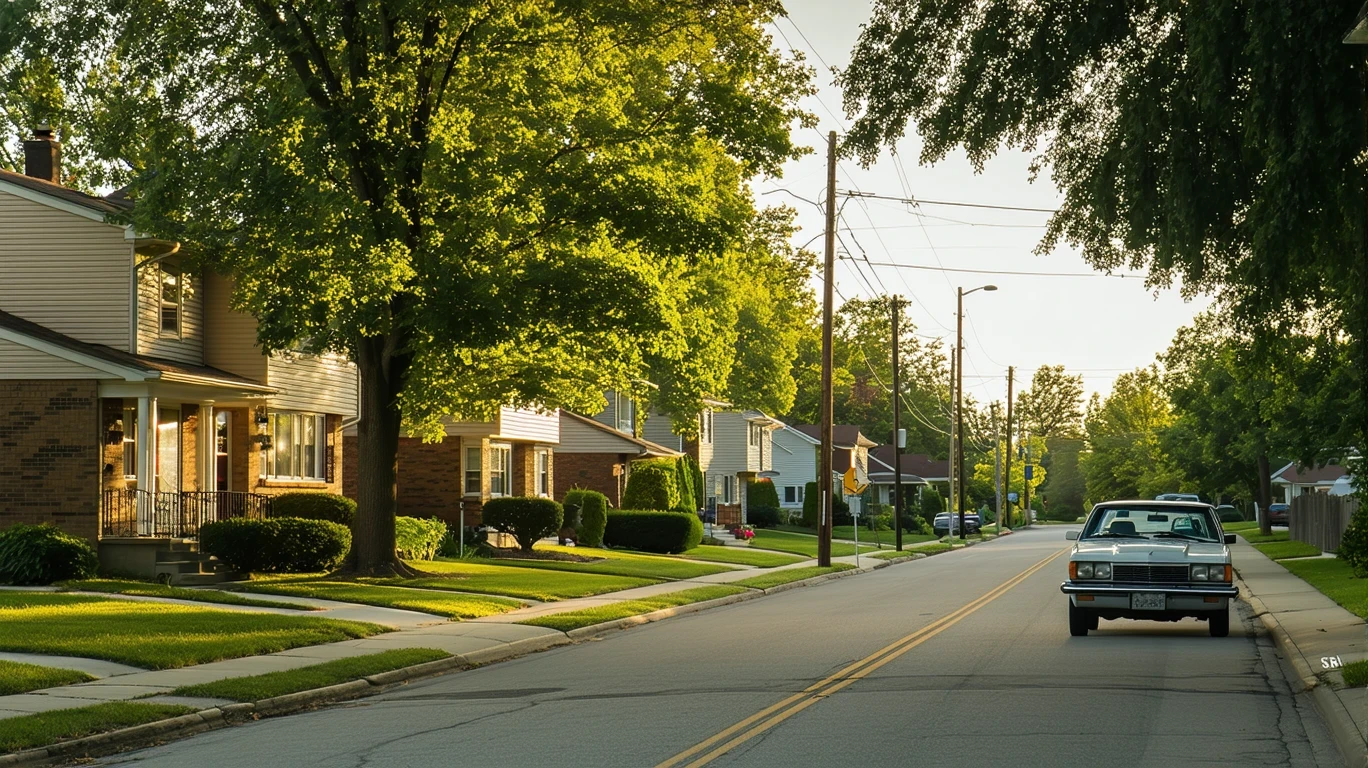
Des Plaines occupies an interesting middle ground. It’s not trying to be a downtown, but it’s not purely residential either. The city has rail service, a hospital, plenty of schools and playgrounds, and grocery options that cluster along commercial corridors. That infrastructure matters—it means families can settle in without feeling isolated, and Chicago commuters can get downtown in under an hour. But the tradeoff is texture. Outside of a few walkable pockets where sidewalks and local shops align, much of daily life here assumes you’ll drive. Errands are doable, but they’re rarely spontaneous. You plan your route, hit three stops, and head home.
The emotional tone tends to reflect that structure. People who value predictability, safety, and access to green space often feel right at home. The parks are plentiful, playgrounds are well-maintained, and the overall pace is calm. But if you’re someone who craves walkable coffee runs, dense dining scenes, or the kind of neighborhood where you bump into people on the street, Des Plaines can feel a little flat. It’s not that the city lacks amenities—it’s that those amenities are spread out, and the experience of accessing them feels more logistical than organic.
What People Talk About Online
Public discussion around Des Plaines tends to circle a few recurring themes: commute convenience, housing value, and the tension between quiet suburban life and the desire for more local energy. On platforms like Reddit and local Facebook groups, you’ll see threads about Metra schedules, comparisons to pricier suburbs closer to the city, and debates about whether the town has enough to do locally or if it’s mainly a place to sleep between Chicago trips.
“It’s a solid place to raise kids, but don’t expect much of a nightlife. You’re driving to Arlington Heights or heading into the city if you want options.”
“I like that it’s not as expensive as Park Ridge, and the Metra makes my commute bearable. But yeah, it’s quiet. Sometimes too quiet.”
“People complain it’s boring, but that’s exactly why I moved here. I wanted a yard, good schools, and to not worry about parking every time I come home.”
The tone is rarely extreme. Des Plaines doesn’t inspire passionate love or deep frustration—it inspires pragmatic assessment. People weigh what they’re getting (space, affordability, access) against what they’re giving up (walkability, spontaneity, local character). And for many, that tradeoff works.
How Local Coverage Frames the City
Local news and community coverage tend to focus on steady, incremental change rather than dramatic transformation. You’ll see stories about infrastructure improvements, school district updates, and debates over development that reflect a community trying to balance growth with preserving its suburban character. The framing is rarely urgent—it’s more about managing evolution than reacting to crisis.
Typical themes include:
- “New Retail and Dining Options Arrive Along Major Corridors”
- “Residents Weigh Density vs Charm as Development Proposals Move Forward”
- “Commuter Rail Upgrades Aim to Ease Chicago Connections”
- “Parks and Recreation Investments Keep Families Engaged Locally”
- “Long-Time Residents Reflect on Decades of Gradual Change”
The overall narrative is one of a place that’s functional, stable, and slowly modernizing—but not in a hurry. That appeals to people who want predictability. It can feel stagnant to those who want momentum.
Review-Based Public Perception
On platforms like Google Reviews, Yelp, and Nextdoor-style forums, Des Plaines earns steady, middle-of-the-road feedback. People praise the parks, the school infrastructure, and the relative affordability compared to closer-in suburbs. Complaints tend to focus on limited walkability outside a few areas, a lack of local dining variety, and the sense that you’re always driving somewhere to do something interesting.
Families with young kids often highlight the playgrounds, green space, and safe, quiet streets. Remote workers and younger professionals are more likely to note the lack of coworking spaces, coffee shop culture, and walkable errands. Retirees appreciate the hospital access and the calm pace, though some wish there were more senior-focused programming and gathering spots.
Neighborhood variation exists, but it’s not dramatic. Newer planned areas tend to feel more car-dependent and uniform, while older pockets closer to the Metra station offer a bit more walkability and street-level character. But even in those walkable zones, the overall vibe skews suburban—you’re not going to mistake it for a dense urban neighborhood.
How Des Plaines Compares to Nearby Suburbs
| City | Overall Vibe | Commute Feel | Local Texture |
|---|---|---|---|
| Des Plaines | Steady, practical, family-focused | Metra access makes Chicago doable | Corridor-based, car-dependent in most areas |
| Arlington Heights | More polished, slightly pricier | Similar rail access, slightly longer | Stronger downtown core, more walkable dining |
| Park Ridge | Closer to city, tighter-knit feel | Shorter commute, higher housing costs | More walkable pockets, established character |
Des Plaines sits in a comparison zone where it’s often evaluated against slightly pricier, slightly closer, or slightly more walkable neighbors. It’s not the most affordable option in the metro, but it’s more accessible than Park Ridge. It’s not the most walkable, but it has better transit than many outer suburbs. It’s not the most vibrant, but it’s also not isolated. The city works best for people who see those tradeoffs as reasonable—not for those hoping it will overdeliver on urban texture or underdeliver on suburban sprawl.
Voices from Different Life Stages
“We moved here from the city when our second kid was born. The schools are solid, the parks are everywhere, and we actually have a yard. Do I miss being able to walk to dinner? Yeah. But I don’t miss paying $2,500 for a two-bedroom.”
“I’m remote now, and honestly, Des Plaines feels a little isolating. There’s nowhere to just go work for a few hours that isn’t a chain. I end up driving to Arlington Heights or into the city when I need a change of scenery.”
“It’s quiet, which is exactly what I wanted after years of city noise. I can take the train when I need to, but most of the time I’m happy staying local. It’s not exciting, but it’s comfortable.”
“I grew up here, and it’s changed a lot—but also not that much. It’s still a place where people know their neighbors, even if it’s not as tight-knit as it used to be. You get what you put in.”
“For the price, it’s hard to beat if you need to commute. But if you’re not commuting, I’m not sure what the draw is. You’re basically paying for proximity and space, not for the town itself.”
“We’re retirees, and we like that it’s calm and we have access to good healthcare. But we do wish there were more local activities that didn’t require driving or that felt geared toward older adults.”
“It’s a good starter suburb. You get more space than you would closer in, and the train makes it work. But I don’t know if we’ll stay long-term. It depends on whether we end up working downtown forever or not.”
Does Des Plaines Feel Like a Good Fit?
Des Plaines works best for people who see suburban life as a series of intentional tradeoffs rather than compromises. If you value housing pressure relief, access to green space, strong family infrastructure, and a manageable commute into Chicago, the city delivers. If you need walkable spontaneity, dense local dining, or a strong sense of hyperlocal identity, you’ll likely feel the gaps.
The city’s structure—rail access, corridor-based errands, pockets of walkability, and widespread car dependency—means that your experience will vary depending on where you live and how you move through your day. Families with kids, Chicago commuters seeking space, and people who prioritize calm over stimulation tend to feel at home. Remote workers, young professionals, and anyone hoping to minimize car use may find the rhythm frustrating.
Ultimately, Des Plaines doesn’t ask you to fall in love with it. It asks you to decide whether what it offers aligns with what you need. For many, that’s enough. For others, it’s a stepping stone—a place that works for now, but not forever. Understanding which camp you fall into is the real question worth answering before you commit.
If you’re still weighing whether Des Plaines fits your priorities, you might find it helpful to explore your monthly budget in Des Plaines to understand what drives expenses day to day, or dig into what makes life feel tight depending on your household type and expectations.
How this article was built: In addition to public economic data, this article incorporates location-based experiential signals derived from anonymized geographic patterns—such as access density, walkability, and land-use mix—to reflect how day-to-day living actually feels in Des Plaines, IL.
The perspectives shown reflect commonly expressed local sentiment and recurring themes in public discussion, rather than individual accounts.