
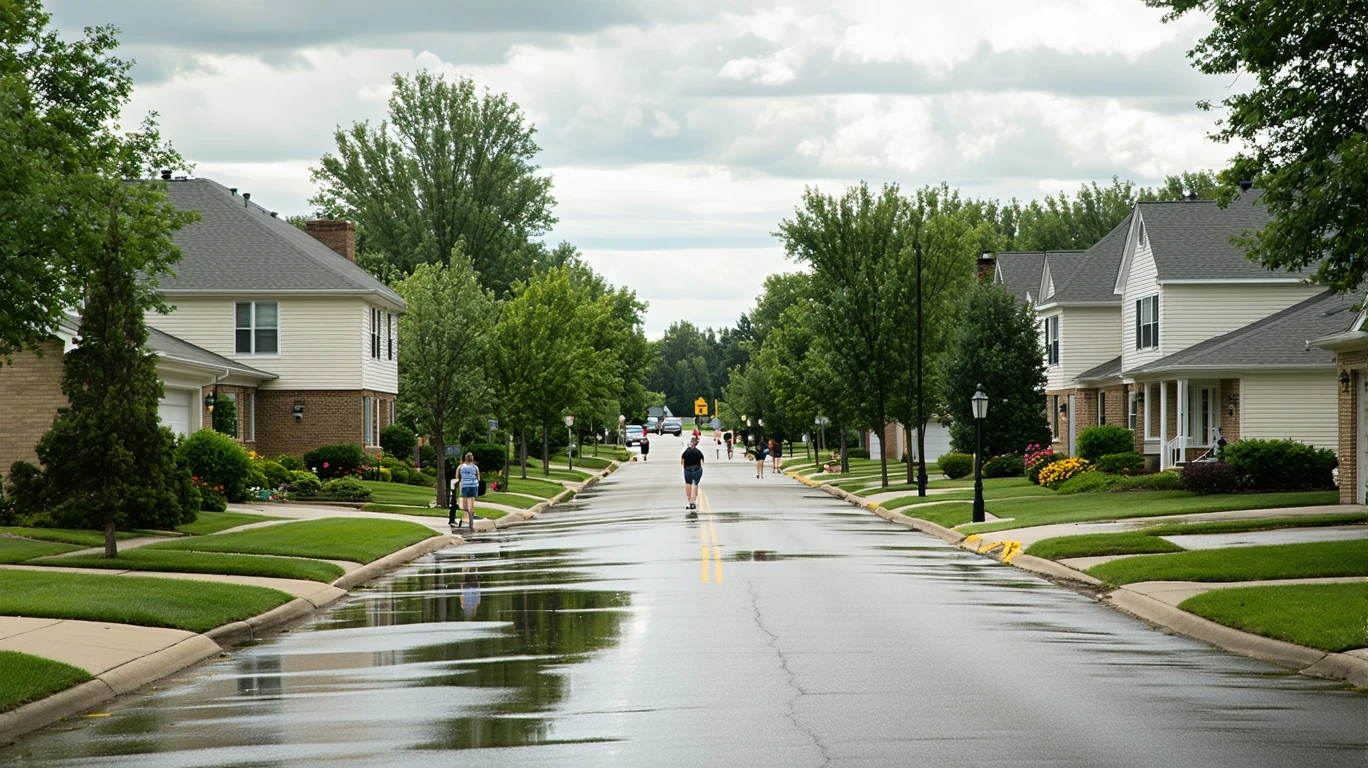
Which city gives you more for your money? Des Plaines and Joliet sit within the same Chicago metro area, share the same regional price index, and attract households looking for suburban stability without downtown price tags. Yet the two cities distribute cost pressure very differently. Des Plaines offers closer proximity to Chicago’s core, established transit connections, and walkable pockets that reduce car dependence. Joliet provides lower housing entry costs and more space per dollar, but relies more heavily on driving and exposes households to higher utility rates—especially for heating. The better choice in 2026 depends less on which city costs less overall and more on which cost structure aligns with how your household actually lives.
Both cities appeal to families, commuters, and working professionals, but the tradeoffs matter. Des Plaines concentrates cost pressure at the front end: higher home values and rents create a steeper entry barrier, but ongoing transportation and utility expenses remain more predictable. Joliet spreads cost pressure across time: lower housing costs make entry easier, but natural gas rates and car dependence introduce volatility that compounds over months and years. Understanding where costs show up—and which households feel them most—makes the difference between a stable budget and one that tightens unexpectedly.
This comparison explains how housing, utilities, groceries, transportation, and taxes behave differently in Des Plaines and Joliet, and which households are more exposed to each city’s dominant cost drivers. It does not calculate total cost of living or declare a universal winner. Instead, it shows where pressure concentrates, where flexibility exists, and how the same income can feel stable in one city and tight in the other.
Housing Costs
Housing creates the sharpest structural difference between Des Plaines and Joliet. Des Plaines’ median home value sits at $304,100, while Joliet’s median home value is $233,800—a gap that reflects proximity to Chicago, transit access, and the density of walkable infrastructure. For renters, Des Plaines’ median gross rent is $1,300 per month compared to Joliet’s $1,174 per month. These differences shape not just monthly obligations, but the entire trajectory of housing cost exposure.
In Des Plaines, the housing market favors households willing to pay more upfront for predictability and access. Higher home values mean larger down payments, higher property tax assessments, and steeper mortgage obligations for buyers. Renters face tighter inventory in certain neighborhoods, especially near rail stations and commercial corridors where walkability reduces transportation costs. The tradeoff: once housing is secured, Des Plaines offers infrastructure that lowers car dependence, shortens errands, and reduces the friction costs that accumulate invisibly over time. Families with school-age children benefit from strong family infrastructure, including higher playground density and moderate school availability, which reduces the need to drive kids to activities.
Joliet’s housing market prioritizes entry affordability and space. Lower home values make ownership accessible to first-time buyers and households stretching to leave rental markets. Renters find more options across price tiers, and single-family homes dominate the housing stock, offering yards, garages, and room to grow. The tradeoff: lower housing costs come with higher ongoing exposure to utilities and transportation. Larger homes in Joliet mean more square footage to heat and cool, and car dependence is the default for most errands, commutes, and household logistics. Families gain space but lose the convenience infrastructure that reduces daily driving.
| Housing Type | Des Plaines | Joliet |
|---|---|---|
| Median Home Value | $304,100 | $233,800 |
| Median Gross Rent | $1,300/month | $1,174/month |
| Typical Housing Form | Mixed low-rise, walkable pockets | Single-family, car-oriented |
First-time buyers face different barriers in each city. In Des Plaines, the challenge is accumulating enough for a down payment and competing in a market where proximity to transit and walkability commands a premium. In Joliet, the entry barrier is lower, but buyers must account for higher heating costs during cold months and the likelihood of needing two vehicles per household. Renters in Des Plaines experience tighter availability but gain access to rail transit and denser errand options. Renters in Joliet find more units and more space, but shoulder the full cost of car ownership and fuel volatility.
Housing takeaway: Des Plaines front-loads housing costs but reduces ongoing transportation and convenience expenses. Joliet lowers the entry barrier but increases exposure to utilities and car dependence. Households sensitive to upfront costs may prefer Joliet; households prioritizing predictability and infrastructure access may prefer Des Plaines. The decision hinges on whether you value lower entry or lower friction over time.
Utilities and Energy Costs
Utility cost structures in Des Plaines and Joliet diverge sharply, driven by differences in natural gas pricing and housing form. Des Plaines’ electricity rate is 17.07¢/kWh, while Joliet’s rate is 18.74¢/kWh—a modest difference that matters more for larger homes running central air or electric heating. The more significant gap appears in natural gas: Des Plaines pays $9.48/MCF, while Joliet pays $15.48/MCF. For households heating single-family homes through long Chicago-area winters, that difference compounds month after month.
In Des Plaines, utility exposure is shaped by housing type and density. Apartments and townhomes share walls, reducing heating and cooling loads. Mixed building heights and moderate density mean smaller average living spaces, which translates to lower baseline energy consumption. Households in older single-family homes still face seasonal volatility, but the lower natural gas rate softens the impact during peak heating months. Predictability is higher for renters in multi-unit buildings, where landlords sometimes include heat or where smaller square footage keeps bills manageable even during cold snaps.
Joliet’s utility exposure is driven by housing stock and car-oriented development patterns. Single-family homes dominate, and larger floor plans mean more space to heat in winter and cool in summer. The higher natural gas rate creates sharper seasonal swings, especially for households in older homes with less insulation or aging HVAC systems. Electricity costs also rise for families running multiple appliances, charging vehicles, or cooling multi-story homes during humid summer months. Renters in single-family homes often pay utilities separately, which means full exposure to rate volatility without the buffering effect of shared walls or landlord-included heat.
Household size and home age interact differently in each city. In Des Plaines, a family of four in a newer townhome experiences moderate utility costs year-round, with natural gas bills spiking modestly in winter but remaining predictable. In Joliet, the same family in a 2,000-square-foot single-family home faces higher baseline costs and sharper seasonal swings, especially if the home was built before modern efficiency standards. Single adults and couples in Des Plaines can find smaller units with lower exposure; in Joliet, even modest homes carry higher heating obligations due to the natural gas rate and housing form.
Utility takeaway: Des Plaines offers more predictable utility costs, especially for households in multi-unit buildings or smaller homes. Joliet’s higher natural gas rate and single-family housing stock create greater seasonal volatility, particularly for larger homes and families. Households sensitive to heating costs or managing tight winter budgets face more exposure in Joliet. Households in newer, smaller, or shared-wall housing experience less volatility in Des Plaines.
Groceries and Daily Expenses
Both Des Plaines and Joliet share the same regional price parity index (103), meaning grocery prices reflect similar baseline costs adjusted for the Chicago metro area. Yet how households experience grocery spending differs based on access, convenience infrastructure, and the friction costs of running errands. Des Plaines’ corridor-clustered food and grocery density—with grocery density exceeding high thresholds—means shorter trips, more frequent small shops, and less reliance on bulk buying to avoid repeat drives. Joliet’s car-oriented layout pushes households toward fewer, larger shopping trips, often to big-box stores on the city’s edges.
In Des Plaines, grocery strategies benefit from density and walkability. Households near commercial corridors can walk or make quick drives to grocery stores, ethnic markets, and smaller food retailers. This reduces the pressure to stock up or plan weeks in advance, which lowers food waste and allows households to respond to sales or seasonal pricing. Dining out and convenience spending—coffee shops, takeout, casual restaurants—are more accessible, which can increase spending for households prone to grabbing meals on the go. Families managing school schedules and activities benefit from the ability to pick up groceries between errands without adding significant drive time.
Joliet’s grocery landscape favors bulk buying and planned trips. Big-box retailers and regional chains dominate, offering competitive pricing on staples but requiring longer drives and larger purchases to make trips worthwhile. Households with storage space and the ability to plan meals in advance can take advantage of volume discounts, but smaller households or those without deep pantries face pressure to overbuy or make frequent trips that add fuel costs. Dining out options are more spread out, which reduces convenience spending but also limits flexibility for households juggling unpredictable schedules.
Price sensitivity plays out differently depending on household composition. Single adults in Des Plaines can shop more frequently and adjust spending week to week, but face temptation from accessible prepared food options. Single adults in Joliet save on convenience spending but must plan more carefully to avoid wasting bulk purchases. Couples in Des Plaines benefit from flexibility and variety; couples in Joliet benefit from lower per-unit costs if they can commit to larger shopping trips. Families in Des Plaines experience higher convenience spending but lower time costs; families in Joliet experience lower grocery prices but higher time and fuel costs managing logistics.
Grocery takeaway: Des Plaines offers more flexibility and lower friction for grocery shopping, but accessible convenience options can increase spending for households prone to takeout or quick meals. Joliet offers lower per-unit grocery costs through big-box access, but requires more planning, storage, and driving. Households managing tight schedules or small living spaces may prefer Des Plaines’ accessibility. Households with time to plan and space to store bulk purchases may prefer Joliet’s pricing structure.
Taxes and Fees
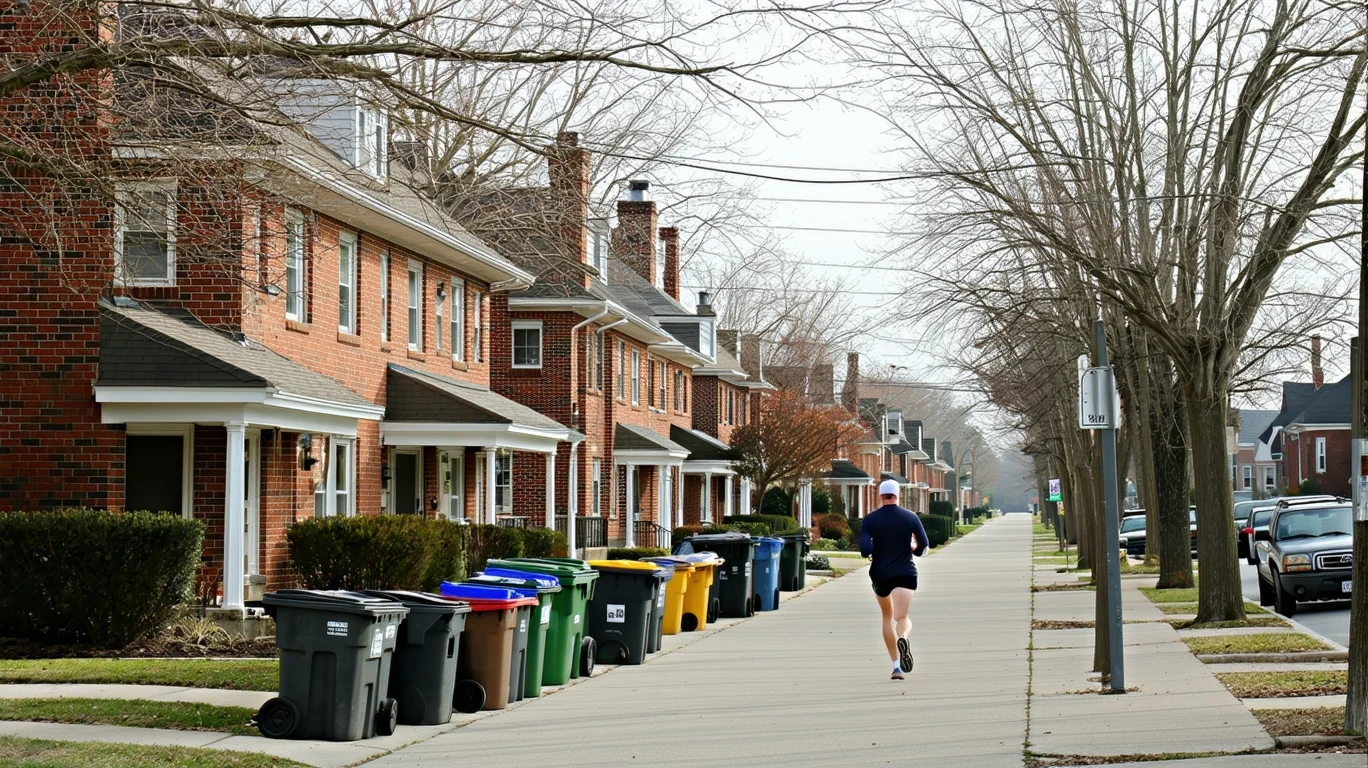
Property taxes in both Des Plaines and Joliet reflect Illinois’ reliance on local property tax revenue to fund schools, infrastructure, and municipal services. While exact millage rates are not provided in the data, the structural difference in home values creates divergent tax exposure. Des Plaines’ higher median home value ($304,100) means higher assessed values and correspondingly higher annual property tax bills for homeowners. Joliet’s lower median home value ($233,800) reduces the baseline tax obligation, but homeowners must still account for Illinois’ relatively high effective property tax rates compared to other states.
For renters, property taxes are indirect but real. Landlords in Des Plaines pass higher property tax costs into rent, which contributes to the city’s higher median gross rent ($1,300/month). Renters in Joliet benefit from lower property tax exposure embedded in rent ($1,174/month), though the difference is modest. Long-term residents in either city face the risk of reassessments and levy increases, which can tighten budgets unexpectedly. Homeowners planning to stay several years must account for the likelihood of rising tax obligations, especially in Des Plaines where property values and assessments trend upward with proximity to transit and infrastructure investment.
Sales taxes, local fees, and service charges operate similarly across both cities, as they fall within the same metro area and state tax structure. Households in either city pay the same state sales tax rate, though local municipal add-ons may vary slightly. Fees for utilities, trash collection, water, and sewer are typically structured as recurring monthly or quarterly charges. In Joliet, households in single-family homes often pay these fees separately, which increases the number of bills to track but also provides more visibility into usage. In Des Plaines, renters in multi-unit buildings may have some fees bundled into rent, reducing administrative friction but limiting control over usage-based savings.
Taxes and fees takeaway: Des Plaines homeowners face higher property tax exposure due to higher home values, which translates to larger annual bills and greater sensitivity to reassessments. Joliet homeowners benefit from lower baseline tax obligations but remain exposed to Illinois’ overall tax structure. Renters in Des Plaines absorb higher taxes indirectly through rent; renters in Joliet gain modest savings but often manage more separate utility and service bills. Households planning to own long-term in Des Plaines must budget for higher ongoing tax costs. Households prioritizing lower tax entry points may prefer Joliet.
Transportation & Commute Reality
Transportation costs in Des Plaines and Joliet are shaped less by commute time—both cities average 29 minutes—and more by how households get around day to day. Des Plaines’ gas price sits at $3.68/gallon, while Joliet’s gas price is $2.91/gallon, a significant difference that matters most for households driving frequently. Yet fuel costs alone don’t capture the full transportation picture. Des Plaines offers rail transit access, walkable pockets, and notable cycling infrastructure, which reduces the necessity of driving for errands, commuting, and household logistics. Joliet’s car-oriented layout makes driving the default, even with lower gas prices.
In Des Plaines, 11.7% of workers work from home, and 45.8% have long commutes (typically defined as over 30 minutes). The presence of rail transit—part of the Chicago metro’s Metra system—gives commuters an alternative to driving, especially for trips into the city or to nearby employment centers. Households near rail stations can reduce or eliminate the need for a second vehicle, which lowers insurance, maintenance, and depreciation costs. Walkable pockets and higher pedestrian-to-road ratios mean shorter trips for groceries, school drop-offs, and errands, which reduces weekly mileage even for households that own cars. Cycling infrastructure adds another option for short trips, particularly in warmer months.
Joliet’s transportation structure assumes car ownership. 12.5% of workers work from home, and 45.0% have long commutes, similar to Des Plaines. But without comparable transit or walkability infrastructure, most households rely on personal vehicles for all trips. Lower gas prices soften the cost of frequent driving, but the need for multiple vehicles per household—common in car-dependent suburbs—adds insurance, registration, and maintenance costs that persist regardless of fuel prices. Families managing school runs, activities, and shopping trips accumulate mileage quickly, and the lack of transit alternatives means no fallback during vehicle breakdowns or high gas price periods.
Commute friction differs more in texture than in time. Des Plaines commuters who drive face the same congestion and time costs as Joliet commuters, but those with access to rail can trade driving stress for predictable transit schedules. Joliet commuters gain no such option and remain fully exposed to traffic variability, road construction, and fuel price swings. For households with one working adult, the difference may be modest. For dual-income households or families managing multiple daily trips, Des Plaines’ infrastructure reduces the cumulative time and cost burden of getting around.
Transportation takeaway: Des Plaines reduces car dependence through rail transit, walkability, and cycling infrastructure, which lowers the need for multiple vehicles despite higher gas prices. Joliet’s lower gas prices are offset by near-total reliance on driving, which increases vehicle ownership costs and exposes households to mileage accumulation. Households willing to use transit or reduce driving frequency benefit more in Des Plaines. Households committed to car ownership but sensitive to fuel costs may prefer Joliet’s lower gas prices, though the savings depend on driving less than the infrastructure encourages.
Cost Structure Comparison
Housing dominates the cost experience in Des Plaines, creating a steeper entry barrier that filters for households with higher incomes or accumulated savings. Once inside the market, however, Des Plaines offers infrastructure that reduces ongoing transportation and convenience costs. Rail transit, walkable commercial corridors, and strong family amenities mean fewer trips, shorter drives, and less dependence on owning multiple vehicles. For families, the presence of high playground density and moderate school availability reduces the need to drive children to activities, lowering both time and fuel costs. Renters in multi-unit buildings benefit from shared-wall efficiency and sometimes-included utilities, which smooths seasonal volatility.
Joliet distributes cost pressure differently, lowering the entry barrier but increasing exposure to ongoing expenses that compound over time. Lower home values and rents make ownership and rental markets more accessible, but the city’s car-oriented layout and higher utility rates introduce volatility that shows up in heating bills, fuel costs, and vehicle maintenance. Single-family housing stock means larger spaces to heat and cool, and the higher natural gas rate ($15.48/MCF compared to Des Plaines’ $9.48/MCF) creates sharp seasonal swings during winter months. Households must plan for these fluctuations or risk budget strain during peak usage periods.
Utilities introduce more volatility in Joliet, particularly for families in older or larger homes. The combination of higher natural gas rates and single-family housing form means heating costs can spike unpredictably, especially during prolonged cold periods. Des Plaines households in smaller or newer units experience more predictable utility bills, with the lower natural gas rate and shared-wall construction dampening seasonal extremes. For households managing fixed incomes or tight monthly budgets, this predictability matters as much as the absolute cost.
Transportation patterns matter more in Des Plaines, where infrastructure creates real alternatives to driving. Households near rail stations can eliminate a second vehicle, which removes insurance, registration, and depreciation costs that persist regardless of fuel prices. In Joliet, lower gas prices reduce per-mile costs, but the lack of transit or walkable errands means households accumulate more miles and depend on multiple vehicles. The savings from cheaper fuel are real, but they don’t offset the fixed costs of car ownership or the time burden of driving for every errand.
The better choice depends on which costs dominate your household. Households sensitive to housing entry costs may prefer Joliet’s lower home values and rents, accepting higher utility and transportation exposure in exchange for immediate affordability. Households sensitive to ongoing volatility—especially heating costs and car dependence—may prefer Des Plaines, where higher housing costs buy access to infrastructure that reduces friction and smooths monthly expenses. For families, the difference is less about price and more about predictability: Des Plaines offers stability through infrastructure; Joliet offers flexibility through lower entry, but with more variables to manage over time.
How the Same Income Feels in Des Plaines vs Joliet
Single Adult
For a single adult, housing becomes the first non-negotiable expense, and Des Plaines’ higher rent compresses what’s left for discretionary spending. Flexibility exists in transportation—rail access and walkability reduce the need for a car, which frees up hundreds per month otherwise spent on insurance, gas, and maintenance. In Joliet, lower rent creates more breathing room upfront, but car ownership becomes mandatory, and the lack of transit or walkable errands means fuel and vehicle costs consume the savings. Utility bills in Des Plaines remain modest in smaller units; in Joliet, even a one-bedroom apartment in a single-family conversion can carry higher heating exposure during winter months.
Dual-Income Couple
For a dual-income couple, Des Plaines’ higher housing costs feel more manageable with two incomes, and the ability to rely on one vehicle or transit for one commuter reduces transportation pressure significantly. Flexibility appears in daily logistics—walkable errands and accessible dining options reduce the time cost of managing a household, though convenience spending can creep upward if not monitored. In Joliet, lower housing costs and cheaper gas create more financial cushion, but the need for two vehicles and the time burden of driving for every errand introduce friction that tightens schedules even when budgets feel stable. Heating bills during winter become less predictable, especially in larger rental units or starter homes.
Family with Kids
For a family with kids, Des Plaines’ strong family infrastructure—high playground density, moderate school availability, and walkable access to parks—reduces the logistical burden of managing school runs, activities, and outdoor time. Housing costs dominate the budget, but the infrastructure reduces the need for constant driving, which lowers both fuel costs and the time cost of coordinating multiple schedules. In Joliet, lower housing costs provide more space and room to grow, but car dependence becomes non-negotiable, and managing multiple vehicles, school drop-offs, and activity shuttles consumes both time and fuel. Heating a larger home during winter months introduces seasonal budget strain that families in Des Plaines’ smaller or multi-unit housing avoid.
Decision Matrix: Which City Fits Which Household?
| Decision Factor | If You’re Sensitive to This… | Des Plaines Tends to Fit When… | Joliet Tends to Fit When… |
|---|---|---|---|
| Housing entry + space needs | Down payment size, monthly rent, immediate affordability | You prioritize access to transit and infrastructure over lower entry costs | You need lower entry costs and more space per dollar |
| Transportation dependence + commute friction | Car ownership costs, fuel volatility, commute flexibility | You can use rail transit or reduce driving through walkability | You accept car dependence in exchange for lower gas prices |
| Utility variability + home size exposure | Seasonal heating bills, cooling costs, budget predictability | You prefer smaller or shared-wall housing with lower natural gas rates | You can manage higher heating exposure in exchange for more living space |
| Grocery strategy + convenience spending creep | Frequency of shopping trips, access to variety, takeout temptation | You value flexible, frequent shopping and accept higher convenience spending risk | You plan bulk trips and have storage space to reduce per-unit costs |
| Fees + friction costs (HOA, services, upkeep) | Property taxes, recurring fees, administrative complexity | You accept higher property tax exposure for bundled infrastructure benefits | You prefer lower baseline tax obligations despite managing more separate bills |
| Time budget (schedule flexibility, errands, logistics) | Driving time, errand consolidation, household coordination | You prioritize reducing daily driving and logistical friction | You can absorb more driving time in exchange for lower housing and fuel costs |
Lifestyle Fit
Des Plaines and Joliet offer distinct lifestyle textures shaped by infrastructure, density, and proximity to Chicago. Des Plaines functions as a closer-in suburb with rail access, walkable commercial corridors, and integrated green space. Park density exceeds high thresholds, and water features add recreational variety. Families benefit from strong infrastructure—playgrounds, schools, and accessible outdoor space—that reduces the need to drive for weekend activities. The city’s mixed building heights and land-use mix create pockets where errands, dining, and daily needs cluster within walking or short driving distance. For households that value reducing car dependence and accessing Chicago without downtown living costs, Des Plaines delivers infrastructure that supports that lifestyle.
Joliet offers more space, lower density, and a car-oriented suburban form that appeals to households prioritizing room to grow and lower entry costs. The city’s single-family housing stock provides yards, garages, and separation from neighbors, which suits families seeking privacy and outdoor space at home. Recreation and amenities are more spread out, requiring intentional trips rather than spontaneous walks. For households comfortable with driving as the primary mode of transportation and seeking affordability over convenience infrastructure, Joliet provides a straightforward suburban experience with fewer logistical constraints on vehicle ownership.
Commute times average 29 minutes in both cities, but the experience differs. Des Plaines commuters near rail stations can trade driving for predictable transit schedules, which reduces stress and vehicle wear. Joliet commuters rely entirely on personal vehicles, facing the same congestion but without transit fallback options. Both cities see similar shares of long commutes (over 30 minutes), but Des Plaines’ infrastructure offers more ways to manage that time—reading on the train, avoiding parking costs, or skipping vehicle maintenance tied to high mileage. Joliet’s lower gas prices soften the cost of driving, but the lack of alternatives means full exposure to traffic, road conditions, and fuel price swings.
Quick facts: Des Plaines offers rail transit access and walkable pockets that reduce daily driving needs. Joliet provides more space per dollar and lower gas prices, but assumes car ownership for all trips. Both cities experience cold Chicago-area winters with extended heating seasons, though Des Plaines’ lower natural gas rate and denser housing stock reduce seasonal utility volatility. Joliet’s single-family housing form and higher natural gas rate increase heating exposure, especially in older or larger homes.
Frequently Asked Questions
Is Des Plaines or Joliet cheaper for renters in 2026? Joliet’s median gross rent ($1,174/month) is lower than Des Plaines’ ($1,300/month), which reduces the immediate housing cost barrier. However, renters in Joliet typically need a car for all errands and commutes, which adds insurance, fuel, and maintenance costs. Renters in Des Plaines near rail stations or walkable corridors can reduce or eliminate car ownership, which offsets the higher rent for households able to use transit or walk for daily needs. The cheaper option depends on whether you value lower rent or lower transportation dependence.
Which city has lower utility bills, Des Plaines or Joliet? Des Plaines has lower natural gas rates ($9.48/MCF vs Joliet’s $15.48/MCF), which reduces heating costs during Chicago’s long winters. Joliet’s electricity rate is slightly higher (18.74¢/kWh vs Des Plaines’ 17.07¢/kWh), and its single-family housing stock means more square footage to heat and cool. Households in Des Plaines’ multi-unit buildings or smaller homes experience more predictable utility costs. Households in Joliet’s larger single-family homes face greater seasonal volatility, especially during peak heating months.
How do transportation costs compare between Des Plaines and Joliet in 2026? Joliet’s gas price ($2.91/gallon) is significantly lower than Des Plaines’ ($3.68/gallon), which reduces per-mile driving costs. However, Joliet’s car-oriented layout requires driving for nearly all trips, which increases total mileage and the need for multiple vehicles per household. Des Plaines offers rail transit, walkable errands, and cycling infrastructure, which allows some households to reduce or eliminate car ownership. Transportation costs depend more on how much you drive and whether you can use alternatives than on fuel prices alone.
Are groceries more expensive in Des Plaines or Joliet? Both cities share the same regional price parity index (103), meaning baseline grocery prices are similar. The difference lies in access and shopping patterns. Des Plaines’ corridor-clustered grocery density allows more frequent, smaller shopping trips, which reduces waste but increases exposure to convenience spending