
“We thought our electric bill was high in July—then August hit and it doubled. That’s when we started looking at what we could actually control.” For households settling into Dallas, utility costs quickly become the second-largest line item after housing, and understanding how they behave throughout the year is essential for financial planning.
Understanding Utilities in Dallas
Utility expenses in Dallas reflect a cost structure shaped more by climate intensity and household behavior than by base rates alone. While rent or mortgage payments remain fixed month to month, utilities fluctuate with seasonal demand, home efficiency, and usage patterns—making them one of the most variable components of a household budget.
For most Dallas residents, “utilities” means electricity, water, natural gas, trash collection, and recycling services. Electricity typically dominates during the extended cooling season, while natural gas becomes relevant during the brief heating months. Water costs are usage-sensitive and often billed on tiered schedules, meaning higher consumption triggers higher per-unit rates. Trash and recycling fees vary by provider and are sometimes bundled with water service or included in homeowners association (HOA) dues.
For those moving to Dallas, the structure of utility billing can differ significantly depending on housing type. Apartment dwellers may find some utilities included in rent or split across units, reducing individual exposure. Single-family homeowners, by contrast, bear full responsibility for all services and face greater seasonal swings, particularly in older homes with less efficient HVAC systems. Understanding these differences early helps households budget more accurately and identify where they have the most control over monthly costs.
Utilities at a Glance in Dallas
The table below shows how core utility costs typically behave for a mid-size household in a single-family home in Dallas. Where city-level prices are available in the data feed, they are shown directly. When exact figures are not provided, categories are described qualitatively to reflect how costs are structured and what drives variability.
| Utility | Cost Structure |
|---|---|
| Electricity | ~$160/month illustrative (based on 1,000 kWh at 16.04¢/kWh, before fees) |
| Water | Tiered pricing; usage-dependent |
| Natural Gas | $30.71/MCF; winter-driven, heating-dependent |
| Trash & Recycling | Bundled with water or HOA in many areas |
| Total | Seasonal variability driven by electricity and heating |
This table reflects utility cost structure for a mid-size household in a single-family home in Dallas during 2026. Where exact figures are not provided in the IndexYard data feed, categories are described directionally to reflect how costs behave rather than a receipt-accurate total.
Electricity is billed per kilowatt-hour (kWh) in Dallas, with rates around 16.04¢/kWh as of 2026. For a household using roughly 1,000 kWh per month—a common baseline for a mid-size home—illustrative costs before fees and taxes land near $160. However, actual bills swing widely depending on cooling demand, home insulation, and thermostat habits. Summer months often push usage well above 1,000 kWh, while spring and fall see much lower consumption.
Water costs in Dallas are structured on tiered pricing, meaning the more you use, the higher the per-unit rate climbs. Base charges cover meter access and a small allowance, but irrigation, pools, and large households can quickly move into higher tiers. Because exact per-gallon pricing isn’t available in the feed, it’s best understood as usage-sensitive and neighborhood-variable, with some areas served by different municipal or private providers.
Natural gas is priced at $30.71 per thousand cubic feet (MCF) in Dallas, and it primarily drives heating costs during the winter months. Because Dallas experiences relatively mild winters compared to northern climates, natural gas bills remain modest for most households. Homes with gas water heaters or ranges may see year-round usage, but the bulk of exposure occurs between December and February.
Trash and recycling services in Dallas are often bundled with water bills or included in HOA fees, particularly in newer subdivisions and managed communities. Standalone service fees vary by provider and pickup frequency, but many residents don’t see a separate line item for waste collection. For those who do, costs are typically stable month to month and represent a minor share of total utility spending.
Electricity is typically the most exposure-sensitive utility in Dallas, driven more by climate and home efficiency than by base rates.
How Weather Impacts Utilities in Dallas
Dallas sits in a climate zone defined by triple-digit summer heat and extended cooling seasons that stretch from May through September. Air conditioning isn’t optional—it’s a baseline requirement for habitability. During peak summer months, electricity usage can double or triple compared to spring, as HVAC systems run nearly continuously to combat both high temperatures and humidity. Homes with older AC units, poor insulation, or west-facing windows face even steeper bills, as cooling demand intensifies throughout the afternoon and evening.
Winter in Dallas brings a different cost profile. Heating needs are modest compared to northern climates, with only occasional freezing nights and brief cold snaps. Natural gas becomes the primary heating fuel for most homes, and while usage rises in December and January, the overall exposure remains far lower than summer cooling costs. Electric heating systems, common in some apartments and older homes, can drive up electricity bills during winter, but the season is short enough that annual impact stays limited.
Spring and fall offer the most predictable and lowest utility costs in Dallas. Mild temperatures reduce both heating and cooling demand, and many households can rely on open windows and fans for weeks at a time. These shoulder seasons provide a natural opportunity to assess baseline usage—what the home consumes when climate isn’t a factor—and identify inefficiencies that might otherwise be masked by seasonal swings.
How to Save on Utilities in Dallas
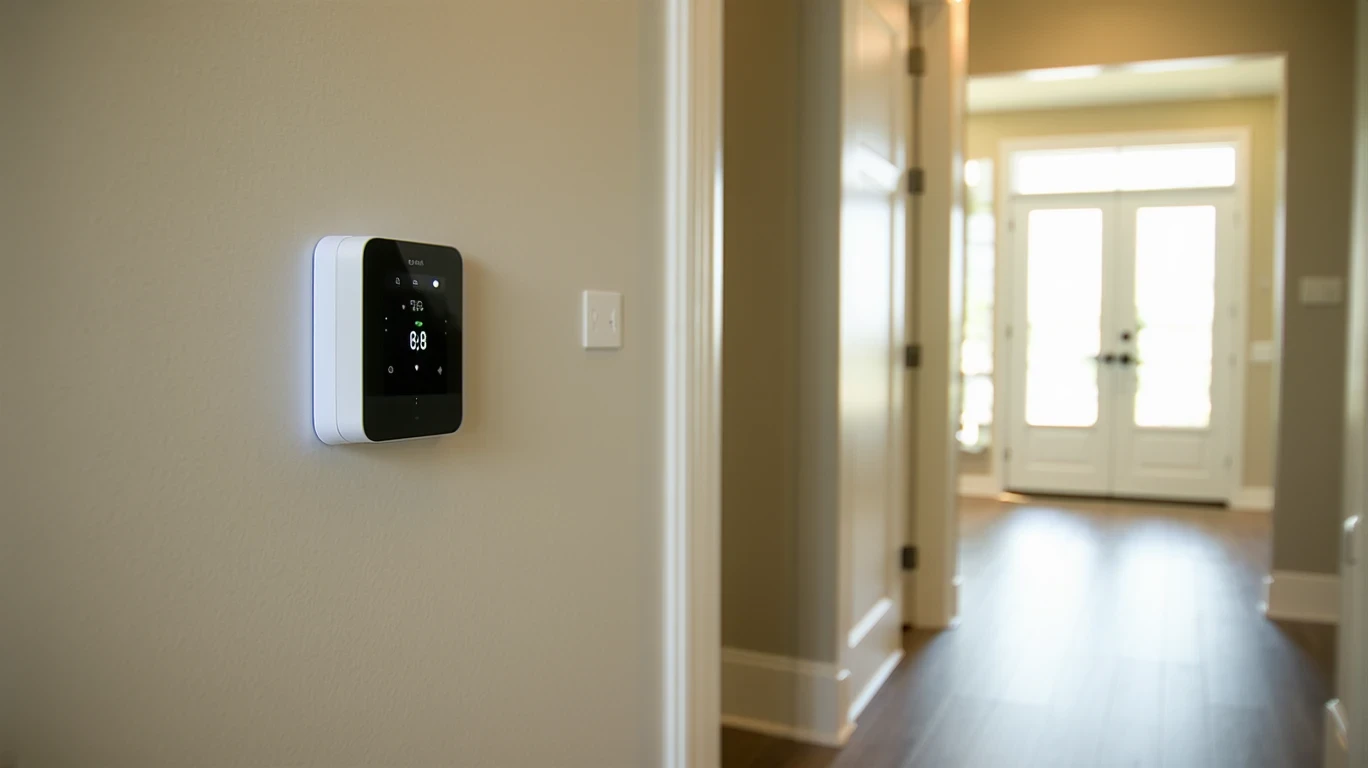
Reducing utility costs in Dallas starts with understanding where exposure is highest: cooling. Homes that can lower peak summer electricity usage see the most meaningful savings, and that often means focusing on HVAC efficiency, insulation, and behavioral adjustments. Programmable or smart thermostats allow households to raise temperatures during the day when no one is home and pre-cool before evening, reducing runtime without sacrificing comfort. Even small thermostat changes—raising the setpoint by two or three degrees—can lower monthly bills noticeably during the hottest months.
Beyond HVAC, several strategies help Dallas households manage utility costs year-round:
- Enroll in time-of-use or off-peak billing programs offered by some electricity providers, which reward shifting usage away from peak afternoon hours.
- Explore solar panel incentives at the federal and state level, which can offset installation costs and reduce long-term electricity exposure, particularly valuable in a high-sun region like Dallas.
- Upgrade to energy-efficient appliances when replacing older units—many providers offer rebates for ENERGY STAR-rated AC systems, water heaters, and refrigerators.
- Plant shade trees on the west and south sides of the home to reduce direct sun exposure during peak heat, lowering indoor temperatures naturally.
- Seal air leaks around windows, doors, and ductwork to prevent conditioned air from escaping, which forces HVAC systems to work harder and longer.
- Install low-flow fixtures to reduce water usage and avoid climbing into higher pricing tiers, particularly if the household irrigates landscaping or fills pools.
- Request a home energy audit from your utility provider, which can identify specific inefficiencies and recommend targeted improvements.
🏆 Tip: Check if your provider in Dallas offers rebates for energy-efficient AC units or heating systems—many programs cover a portion of upgrade costs and can be combined with federal tax credits.
FAQs About Utility Costs in Dallas
Why are utility bills so high in Dallas during the summer?
Dallas experiences triple-digit heat and extended cooling seasons, which push electricity usage well above baseline levels. Homes with older HVAC systems or poor insulation face the steepest bills, as air conditioning runs nearly continuously from June through September.
What is the average monthly electric bill for an apartment in Dallas compared to a single-family home?
Apartments typically see lower per-unit electricity costs due to shared walls, smaller square footage, and centralized HVAC systems. Single-family homes, especially older ones, bear full cooling exposure and often use significantly more electricity during peak summer months.
Do HOAs in Dallas usually include trash or water in their fees?
Many HOAs in Dallas bundle trash, recycling, and sometimes water into monthly dues, particularly in newer subdivisions and managed communities. It’s common for residents to see no separate line item for waste collection, though water usage may still be metered individually.
How do water costs in Dallas compare to nearby suburbs?
Water pricing varies by provider and municipality, with some suburbs served by different utility districts that use distinct rate structures. Tiered pricing is common across the region, meaning higher usage triggers higher per-unit costs regardless of location.
Does Dallas offer incentives for solar panels or energy-efficient appliances?
Federal tax credits are available for solar panel installations, and some electricity providers in the Dallas area offer rebates for energy-efficient HVAC systems, water heaters, and appliances. Availability and amounts vary by provider, so it’s worth checking directly with your utility company.
How Utilities Fit Into the Cost Structure in Dallas
Utilities represent a significant and variable component of monthly expenses in Dallas, second only to housing in most household budgets. Unlike rent or mortgage payments, which remain fixed, utility costs fluctuate with seasonal demand, home efficiency, and usage patterns. Electricity dominates during the extended cooling season, while natural gas and water contribute more modestly. For households planning their finances, understanding this variability is essential—summer bills can easily run double or triple spring costs, and that swing affects cash flow and savings capacity throughout the year.
The broader cost structure in Dallas reflects a regional price parity slightly above the national baseline, meaning goods and services—including utilities—cost marginally more than the U.S. average. However, utility exposure in Dallas is driven less by base rates and more by climate intensity and housing type. Single-family homeowners in older neighborhoods face the highest seasonal swings, while apartment dwellers in newer buildings with efficient HVAC systems experience more predictable costs. For those weighing housing tradeoffs, utility volatility should factor into the decision alongside rent or mortgage affordability.
Managing utility costs effectively requires a combination of behavioral adjustments, efficiency upgrades, and strategic enrollment in provider programs. Households that invest in insulation, programmable thermostats, and energy-efficient appliances see the most meaningful reductions, particularly during peak summer months. For a fuller picture of how utilities interact with transportation, groceries, and other day-to-day expenses, explore IndexYard’s detailed breakdowns and city-specific resources to build a complete financial plan for life in Dallas.
How this article was built: In addition to public economic data, this article incorporates location-based experiential signals derived from anonymized geographic patterns—such as access density, walkability, and land-use mix—to reflect how day-to-day living actually feels in Dallas, TX.
—