
Is Dallas the kind of place you grow roots—or just pass through? For a city often painted in broad strokes—cowboy hats, sprawl, and highways—the emotional reality of living here is far more layered. Dallas sits at the intersection of urban ambition and Texas tradition, and that tension shapes how people experience daily life. Some find it energizing: a place where you can walk to dinner, catch a train downtown, and still claim Texas pride. Others feel the friction: traffic that tests patience, rapid growth that reshapes neighborhoods faster than community can settle, and a cost of living that no longer feels like the bargain it once was.
The people who thrive here tend to be those who want big-city amenities without leaving the South, who appreciate density and diversity, and who don’t mind navigating a metro that’s still figuring out its identity. The people who struggle are often those expecting uniform suburban calm, minimal change, or the kind of affordability that defined Dallas a decade ago. Understanding whether Dallas feels like home depends less on what the city is and more on what you’re hoping it will give you.
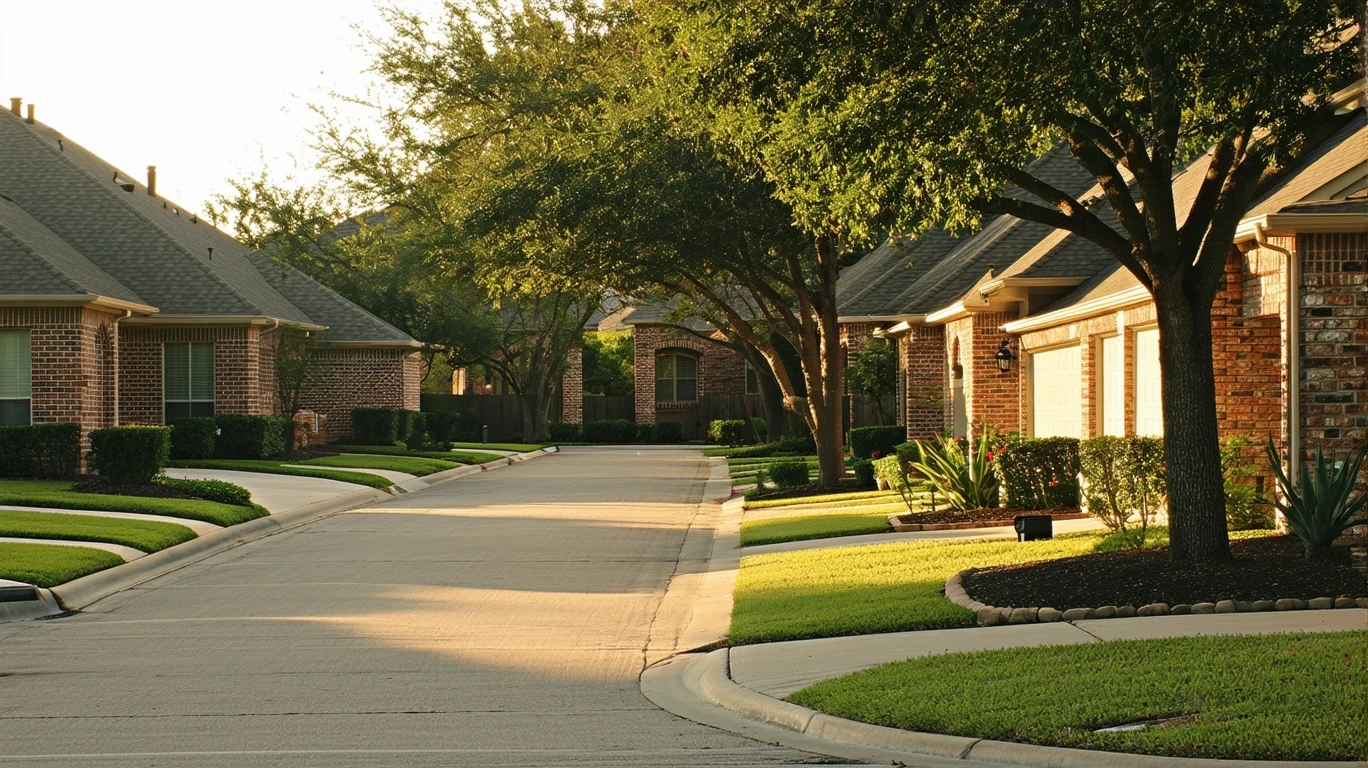
The Emotional Landscape of Dallas
Dallas carries a reputation for ambition and reinvention, and that shows up in how residents talk about the city. There’s pride in the food scene, the parks, the walkable pockets that surprise newcomers who assumed all of Texas was strip malls and parking lots. People appreciate that you can find excellent tacos at 10 p.m., that green space is woven throughout the city, and that public transit exists—even if it’s not comprehensive. The urban core and inner neighborhoods offer a texture that feels more like a traditional city than the sprawl stereotype suggests.
But that same growth brings frustration. Traffic is a constant topic, and not in the resigned way of cities that have always been congested—Dallas traffic feels like it’s getting worse in real time, with infrastructure struggling to keep pace. Housing pressure is another recurring theme. People who moved here five or ten years ago for affordability now watch rents climb and home prices stretch beyond what feels reasonable for a city that’s supposed to be “affordable Texas.” There’s also a cultural tension: longtime residents sometimes feel the city is losing its character, while newcomers feel judged for changing it.
The people who feel at home here tend to be urban-leaning but pragmatic—they want walkability and transit options, but they’re not expecting New York or San Francisco. They value diversity, food culture, and the ability to live in a vertical building without apology. The people who feel out of place are often those who came expecting suburban ease and yard space, or those who assumed Dallas would stay frozen in time.
Social Media Buzz in Dallas
On platforms like Reddit, Facebook groups, and X, Dallas conversation tends to cluster around a few recurring themes: traffic and commute frustration, housing cost anxiety, neighborhood change debates, and fierce pride in local food and culture. There’s also a protective streak—residents push back hard when outsiders dismiss Dallas as “just sprawl” or “not a real city.”
The tone is often a mix of affection and exasperation. One common sentiment: “I love this city, but I’m spending two hours a day in my car and I don’t know how much longer I can do it.” Another: “People who say Dallas has no culture have never left Uptown—there’s so much here if you know where to look.” And frequently: “I moved here for affordability and now I’m priced out of the neighborhoods I actually want to live in.”
There’s also a lot of conversation about what Dallas is becoming. Growth is both celebrated and mourned. People talk about new restaurants and developments with excitement, but also worry about displacement and whether the city is building the right kind of density. The emotional undercurrent is one of transition: Dallas is changing fast, and not everyone feels like they’re part of the plan.
Local News Tone
Local coverage in Dallas tends to frame the city through the lens of growth, infrastructure strain, and identity evolution. The tone is rarely celebratory or critical in isolation—it’s more observational, reflecting a city in the middle of something. Common topic buckets include:
- “New Development Brings Amenities—and Questions About Affordability”
- “Commuters Weigh Tradeoffs as Metro Expands”
- “Neighborhoods Debate What Growth Should Look Like”
- “Residents Seek Balance Between Urban Energy and Livability”
- “City Explores How to Preserve Character While Adding Density”
The framing often reflects tension without resolution: growth is happening, infrastructure is adapting, and residents are adjusting. There’s less “Dallas is thriving” or “Dallas is failing” and more “Dallas is figuring it out in real time.” For people who like being part of a city in motion, that’s energizing. For people who want stability and predictability, it’s unsettling.
Review-Based Public Perception
On platforms like Google Reviews, Yelp, and Nextdoor, Dallas earns praise for its food diversity, park access, and pockets of walkability. People who moved from other parts of Texas or the South often express pleasant surprise: “I didn’t expect to be able to walk to dinner or take a train downtown—Dallas has more urban texture than I thought.” Families appreciate that schools and playgrounds exist, even if density varies by neighborhood. Healthcare access gets positive mentions, particularly the presence of hospitals and clinics.
Complaints tend to focus on traffic, inconsistent walkability outside certain areas, and the feeling that the city is “still car-dependent in too many places.” People who expected uniform suburban comfort sometimes feel disappointed by noise, density, or the pace of change. There’s also frustration about cost: “I moved here because it was supposed to be affordable, and now I’m paying what I would in other cities without the same level of transit or walkability.”
Neighborhood variation matters. Newer planned areas tend to get praise for convenience and amenities but criticism for lack of character. Older pockets get appreciation for charm and tree cover but complaints about inconsistent infrastructure. The emotional takeaway: Dallas rewards people who are willing to be selective about where they live and flexible about tradeoffs.
Comparison to Nearby Cities
| Aspect | Dallas | Fort Worth | Plano |
|---|---|---|---|
| Overall Vibe | Urban energy, diverse, fast-growing, mixed density | Slower pace, Western heritage, more consistent suburban feel | Planned suburban comfort, family-focused, corporate presence |
| Walkability | Strong in pockets, transit present, vertical living options | Limited, more car-dependent overall | Minimal, designed for driving |
| Cultural Tone | Cosmopolitan, food-driven, identity in flux | Traditional Texas, community-oriented, slower to change | Corporate-suburban, newer development, less distinct character |
| Traffic & Commute | Heavy, growing frustration, transit helps in limited areas | Moderate, less dense but still car-reliant | Suburban commute patterns, highway-dependent |
| Affordability Perception | Eroding, housing pressure visible | Slightly more stable, less rapid growth | Higher baseline, but predictable suburban costs |
Dallas, Fort Worth, and Plano represent different emotional contracts. Dallas offers urban amenities, diversity, and transit—but you pay for it in traffic, cost pressure, and constant change. Fort Worth feels more rooted in Texas tradition, with a slower pace and less density, appealing to those who want suburban ease without losing regional identity. Plano delivers planned suburban predictability and strong schools, but lacks the cultural texture and walkability that some crave.
If you want big-city energy and are willing to navigate growth pains, Dallas fits. If you want Texas character without the urban intensity, Fort Worth may feel more comfortable. If you prioritize family infrastructure and don’t need walkability, Plano offers that clarity. None is objectively better—it depends entirely on what you’re optimizing for.
What Locals Are Saying
“I moved here from the Midwest expecting sprawl and cowboys, and instead I found incredible food, walkable neighborhoods, and a light rail that actually works. Dallas surprised me in the best way.” — Young professional, recent transplant
“I love the diversity and the energy, but the traffic is wearing me down. I spend so much time in my car, and it’s hard to enjoy the city when you’re always stuck on 75.” — Mid-career professional, inner-ring suburb
“We moved here for the schools and the space, but we didn’t realize how much the city would change in just a few years. It feels like a different place now—busier, more expensive, less predictable.” — Parent, outer suburb
“Dallas gets a bad rap, but if you know where to go, it’s one of the best food cities in the country. The park access is underrated too—I can walk to green space from my apartment.” — Urban core resident
“I’ve been here my whole life, and I barely recognize parts of the city anymore. Growth is good, but it feels like we’re losing what made Dallas feel like home.” — Long-time resident
“I work remotely and chose Dallas because I wanted city amenities without New York or LA prices. It’s not as cheap as it used to be, but I still get more for my money here than I would on the coasts.” — Remote worker, early 30s
“The healthcare access is solid, the parks are great, and I can actually take transit downtown. For a Texas city, Dallas feels more urban than people give it credit for.” — Retiree, inner neighborhood
Does Dallas Feel Like a Good Fit?
Dallas doesn’t ask you to choose between urban and suburban—it offers both, often within the same metro. But that flexibility comes with tradeoffs: traffic, cost pressure, and a sense that the city is still becoming what it will be. The people who feel at home here are those who want big-city amenities, appreciate diversity and food culture, and don’t mind navigating a place that’s growing faster than its infrastructure. They value walkable pockets, transit options, and vertical living, and they’re willing to be strategic about where they settle.
The people who feel friction are often those expecting uniform suburban calm, minimal density, or the affordability that defined Dallas a generation ago. If you need predictability, slow change, or a city that feels “finished,” Dallas may feel unsettling. If you want urban texture but aren’t sure you’re ready for the intensity of a coastal city, Dallas offers a middle path—but you’ll need to accept that it’s still figuring itself out.
Ultimately, Dallas rewards people who are flexible, curious, and willing to engage with a city in transition. If that sounds like you, the energy here can feel like opportunity. If it doesn’t, the friction may outweigh the benefits. Understanding where money goes and what daily life requires can help clarify whether the tradeoffs align with what you’re hoping to find. And if you’re weighing housing tradeoffs, knowing how the city’s growth shapes those decisions can make the difference between feeling at home and feeling like you’re always catching up.
How this article was built: In addition to public economic data, this article incorporates location-based experiential signals derived from anonymized geographic patterns—such as access density, walkability, and land-use mix—to reflect how day-to-day living actually feels in Dallas, TX.
The perspectives shown reflect commonly expressed local sentiment and recurring themes in public discussion, rather than individual accounts.