

Dallas and Plano sit within the same North Texas metro, share the same regional price environment, and experience nearly identical utility rates and fuel costs. Yet the financial experience of living in each city diverges sharply—not because one is universally cheaper, but because cost pressure concentrates in different categories and affects different household types with unequal force. In 2026, the decision between Dallas and Plano hinges less on total affordability and more on which costs dominate your household’s structure, how much control you have over daily logistics, and whether your income can absorb front-loaded housing expenses or benefits more from predictable ongoing costs.
Dallas offers a more urban texture with substantial pedestrian infrastructure, rail transit service, and high food and grocery establishment density. Its building stock trends more vertical, and mixed residential and commercial land use is present throughout much of the city. Plano, by contrast, reflects a suburban commuter profile with higher housing entry costs, longer average commutes, and a lower percentage of residents working from home. Both cities serve families, young professionals, and retirees, but the tradeoffs between entry barriers, transportation dependence, and day-to-day convenience differ in ways that reshape monthly financial pressure.
This article compares how cost structure behaves in Dallas versus Plano across housing, utilities, groceries, taxes, and transportation. It does not calculate total cost of living or declare a winner. Instead, it explains where cost pressure shows up, which households feel it most, and how the same gross income can produce very different financial experiences depending on which city you choose.
Housing Costs
Housing represents the starkest numeric difference between Dallas and Plano. Dallas reports a median home value of $270,700 and median gross rent of $1,305 per month. Plano’s median home value reaches $412,500, with median gross rent at $1,699 per month. These figures reflect not just price levels but fundamentally different housing markets: Dallas accommodates a wider range of entry points, including older single-family homes, mid-rise apartments, and mixed-use developments near transit corridors. Plano’s housing stock skews newer, larger, and more uniformly suburban, with single-family homes dominating inventory and apartment complexes typically offering more square footage and amenities than comparable Dallas units.
For renters, the difference in median gross rent—nearly $400 per month—translates to different household strategies. In Dallas, renters can access neighborhoods with walkable errands, shorter commutes, and integrated park access without stretching into premium pricing. Plano renters pay more for space, newer construction, and lower-density surroundings, but they also face longer average commutes (30 minutes versus 26 minutes in Dallas) and higher car dependence. Families prioritizing square footage, school district reputation, or quiet residential streets may find Plano’s rent premium worthwhile. Single adults or couples who value proximity to work, transit access, or the ability to consolidate errands on foot may find Dallas rent levels easier to manage alongside other fixed costs.
Homeownership entry barriers diverge even more sharply. Plano’s median home value sits more than $140,000 above Dallas, requiring larger down payments, higher monthly mortgage obligations, and greater sensitivity to interest rate fluctuations. First-time buyers in Dallas can enter ownership with less capital and lower ongoing housing expense, preserving flexibility for other priorities like retirement contributions, childcare, or emergency savings. Plano homeownership, by contrast, demands stronger income stability and longer time horizons to justify the upfront investment. Property taxes, insurance, and maintenance costs scale with home value, meaning Plano homeowners face not just higher entry costs but also higher ongoing obligations tied to housing wealth.
| Housing Type | Dallas | Plano |
|---|---|---|
| Median Home Value | $270,700 | $412,500 |
| Median Gross Rent | $1,305/month | $1,699/month |
The housing takeaway depends entirely on household composition and financial priorities. Renters sensitive to ongoing cash flow, commute friction, or lifestyle access may find Dallas housing costs easier to integrate into a balanced budget. Families seeking space, newer homes, or suburban school environments may accept Plano’s higher entry and ongoing costs as worthwhile tradeoffs. Homebuyers with limited savings or variable income face lower risk in Dallas; those with stable, higher incomes and long-term plans may find Plano’s housing stock better aligned with family growth and wealth-building goals. The primary difference is not affordability in the abstract but where housing cost pressure concentrates: Dallas front-loads less and distributes costs across transportation and convenience; Plano front-loads more and assumes households can absorb higher fixed obligations in exchange for space and predictability.
Utilities and Energy Costs
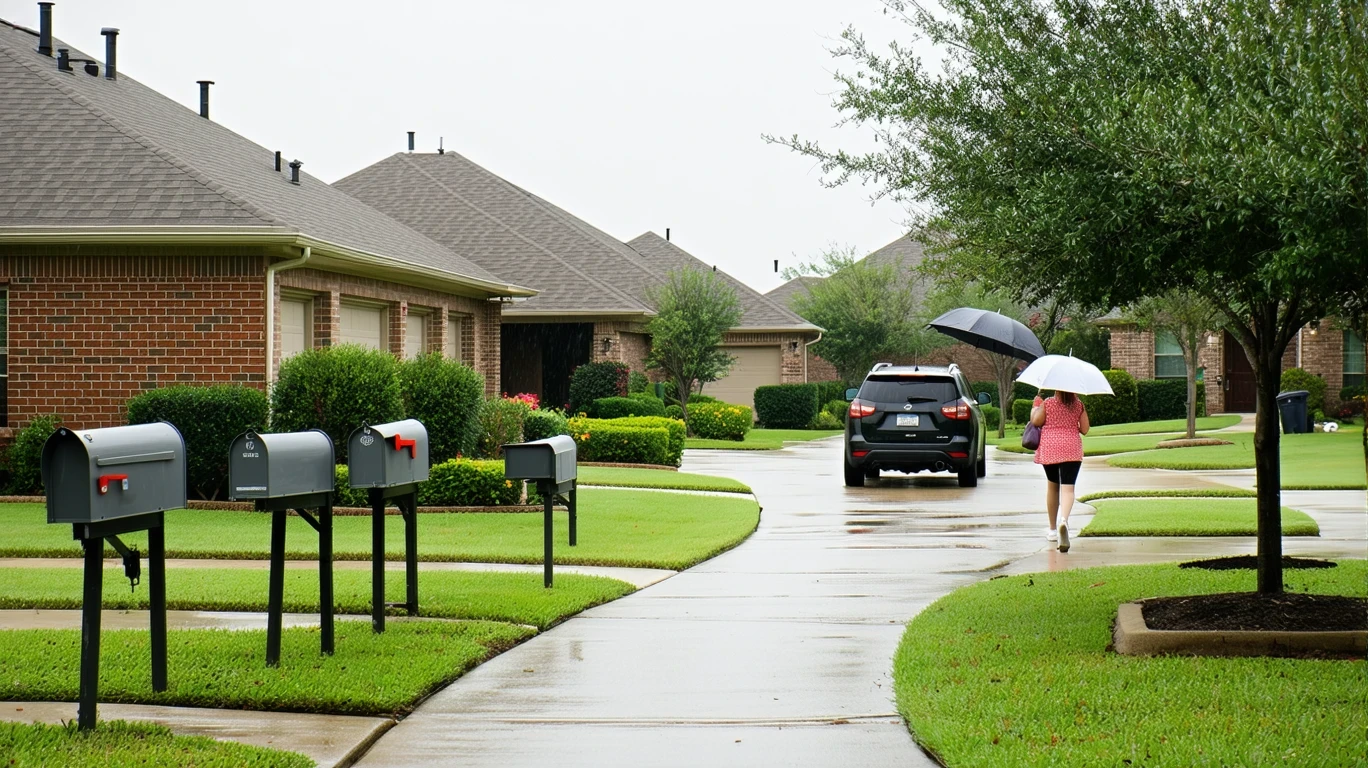
Utility cost behavior in Dallas and Plano reflects nearly identical rate structures—Dallas electricity runs 16.04¢/kWh, Plano 16.11¢/kWh, and both cities share the same natural gas price of $30.71/MCF—but the housing stock, building age, and household size distributions create different exposure profiles. North Texas summers demand extended air conditioning, and triple-digit heat drives cooling costs well above national norms for both cities. Winters remain mild, with rare freezing nights and minimal heating demand. The result is a cost structure heavily weighted toward electricity, with natural gas playing a minor role except in older homes with gas heating or households using gas appliances for cooking and water heating.
Dallas housing stock includes more mid-rise apartments, older single-family homes, and mixed-use buildings with shared walls, which can moderate cooling loads through reduced exterior surface area and shared thermal mass. Plano’s suburban single-family homes, many built in the past two decades, feature larger floor plans, higher ceilings, and more exterior wall exposure, increasing cooling demand even with modern insulation standards. Families in Plano managing 2,500+ square-foot homes face meaningfully higher summer electricity bills than Dallas households in 1,200-square-foot apartments or townhomes, even at identical rates. The difference isn’t price—it’s exposure driven by housing form.
Predictability also varies by housing type and age. Newer Plano homes with updated HVAC systems, programmable thermostats, and energy-efficient windows offer more control over usage and more stable monthly bills. Older Dallas housing stock, particularly pre-2000 construction, may experience higher volatility due to aging equipment, poor insulation, or inefficient ductwork. Renters in both cities face less control over structural efficiency but benefit from smaller square footage in Dallas apartments versus larger Plano units. Homeowners in Plano gain long-term control through upgrades and maintenance but must budget for higher baseline usage. Homeowners in Dallas may face lower absolute bills but encounter more variability depending on building age and prior owner investment in efficiency.
Household size amplifies these differences. Single adults or couples in Dallas apartments can manage summer cooling costs with minimal lifestyle compromise, often keeping bills predictable through modest thermostat discipline. Families with children in Plano single-family homes face higher baseline usage, less flexibility to reduce cooling without affecting comfort, and greater sensitivity to rate changes or unusually hot summers. Utility cost exposure in Plano is less about rates and more about the structural commitment to cooling larger spaces. In Dallas, exposure is more about housing age and the tradeoff between rent savings and efficiency risk.
Utility takeaway: Households prioritizing predictable, controllable utility costs may find Plano’s newer housing stock and suburban form easier to manage, especially if they can invest in efficiency upgrades and accept higher baseline usage. Households seeking lower absolute utility exposure, or those renting without control over infrastructure, may find Dallas housing forms—smaller units, shared walls, denser layouts—reduce cooling demand and limit seasonal volatility. The primary driver is not the rate but the housing type and size you occupy, and whether your household can absorb higher usage in exchange for space or benefits more from lower baseline exposure.
Groceries and Daily Expenses
Dallas and Plano share the same regional price environment, with identical RPP indices of 103, meaning grocery staples, household goods, and everyday purchases reflect the same baseline cost structure. Yet the experience of managing grocery spending diverges based on access density, shopping patterns, and how much time and transportation friction households tolerate to optimize price. Dallas benefits from high food and grocery establishment density, with options broadly accessible throughout the city. Plano, lacking detailed experiential signals, reflects a more typical suburban grocery landscape: larger-format stores, more driving between errands, and fewer walkable alternatives for quick top-up trips.
In Dallas, the concentration of grocery options—ranging from discount chains to specialty markets—creates more flexibility for households to shop strategically. Families can mix bulk purchases at big-box stores with smaller trips to neighborhood grocers, ethnic markets, or discount outlets, often without adding significant drive time. The presence of mixed land use and walkable pockets means some households can consolidate errands on foot or via short drives, reducing both transportation costs and the temptation to overspend on convenience items during longer shopping trips. Single adults and couples, in particular, benefit from this density: quick stops for fresh produce, prepared foods, or household essentials become low-friction decisions rather than planned excursions.
Plano’s suburban form typically requires more intentional trip planning. Grocery runs involve longer drives, and the distance between home, work, and shopping destinations increases the likelihood of convenience spending—grabbing takeout, stopping for coffee, or purchasing prepared meals to avoid additional trips. Families managing larger grocery volumes may find Plano’s big-box access efficient for weekly stock-ups, but the lack of nearby alternatives for forgotten items or last-minute needs can drive up spending on premium convenience options. The cost isn’t necessarily higher per item; it’s the behavioral pressure created by access friction and the time cost of optimizing price across multiple stores.
Dining out and convenience spending also reflect different pressures. Dallas offers dense restaurant corridors, food trucks, and quick-service options that compete on price and accessibility, giving households more control over when and how much they spend on prepared food. Plano’s dining landscape, while ample, skews toward sit-down chains and higher-check-average establishments, with fewer low-cost grab-and-go alternatives within walking distance of residential areas. For single adults or couples who eat out frequently, Dallas provides more opportunities to keep per-meal costs modest without sacrificing variety. Families in Plano may find themselves spending more per dining occasion simply because nearby options trend upscale or require driving to access budget-friendly alternatives.
Grocery and daily expense takeaway: Households sensitive to grocery price optimization, convenience spending creep, or the time cost of errands may find Dallas access density reduces both cash outflow and logistical friction. Families comfortable with bulk shopping, meal planning, and longer drives may find Plano’s suburban grocery infrastructure efficient and predictable, especially if they can resist convenience purchases driven by access gaps. The primary difference is not price level but how much control and flexibility your household needs to manage day-to-day spending without lifestyle compromise or behavioral drift.
Taxes and Fees
Texas relies heavily on property taxes to fund local services, and both Dallas and Plano operate within this framework, but the magnitude and structure of tax obligations differ due to housing values, local tax rates, and the prevalence of additional fees. Plano homeowners face higher absolute property tax bills because median home values sit significantly above Dallas levels. Even if effective tax rates were identical—which they rarely are, given variations in school district levies, municipal rates, and special assessments—a $412,500 home in Plano generates a larger annual tax obligation than a $270,700 home in Dallas. For homeowners, this difference compounds over time, affecting long-term affordability and the true cost of ownership beyond mortgage payments.
Renters in both cities do not pay property taxes directly, but landlords pass through a portion of tax costs via rent levels. Plano’s higher home values and property tax exposure likely contribute to the $394 median rent gap between the two cities, meaning renters indirectly bear some of the tax burden without gaining the wealth-building benefits of ownership. Dallas renters benefit from lower property tax exposure embedded in rent, though they may face other costs—such as parking fees, pet deposits, or utility surcharges—depending on building type and location. The key distinction is predictability: property taxes adjust annually based on assessed values and rate changes, creating variability for homeowners, while renters face tax exposure only indirectly through lease renewals.
HOA fees and special assessments also shape the cost landscape differently. Plano’s suburban neighborhoods often include HOAs that bundle landscaping, shared amenities, and exterior maintenance into monthly or annual fees. These fees add predictability—homeowners know what they’ll pay—but they also add rigidity, as opting out or reducing services isn’t possible. Dallas housing stock includes more older neighborhoods without HOAs, giving homeowners full control over maintenance spending but also full responsibility for upkeep and variability. For households that value control and can manage irregular expenses, Dallas offers more flexibility. For those who prefer predictable, bundled costs and don’t want to manage contractors or landscaping, Plano’s HOA prevalence may feel like a feature rather than a burden.
Sales taxes, trash collection fees, water and sewer charges, and other municipal costs remain relatively comparable between the two cities, as both operate within the same regional tax and regulatory environment. Differences emerge more in how costs are structured—bundled versus itemized, predictable versus variable—than in absolute amounts. Homeowners planning to stay long-term must account for property tax trajectories and the compounding effect of higher home values on tax obligations. Renters should consider how tax exposure and fee structures affect lease renewal volatility and whether landlords in each city tend to absorb or pass through cost increases.
Tax and fee takeaway: Homeowners in Plano face higher absolute property tax exposure due to higher home values, with less flexibility to reduce obligations but more predictability through HOA bundling. Homeowners in Dallas benefit from lower entry-level tax obligations and more control over discretionary spending, though they assume more responsibility for managing irregular costs. Renters in both cities experience tax exposure indirectly, but Dallas rent levels reflect lower embedded property tax costs, while Plano renters pay a premium that partially funds higher suburban service levels and newer infrastructure. The primary difference is whether your household benefits more from predictable, bundled obligations or from lower baseline costs with greater control over spending variability.
Transportation & Commute Reality
Transportation costs in Dallas and Plano reflect not just fuel prices—Dallas at $2.47/gallon, Plano at $2.41/gallon—but fundamentally different mobility structures and the time-versus-money tradeoffs embedded in each city’s form. Dallas benefits from rail transit service, substantial pedestrian infrastructure in certain areas, and high food and grocery density that reduces the need for frequent long-distance errands. Plano, with a 30-minute average commute compared to Dallas’s 26 minutes and a lower work-from-home percentage (5.9% versus 7.2%), reflects a more car-dependent commuter profile where transportation exposure comes less from fuel costs and more from the compounding effects of distance, time, and limited alternatives.
Dallas households, particularly those in neighborhoods with walkable pockets and rail access, can reduce car dependence for daily errands, work commutes, and recreational trips. The presence of rail service means some households can eliminate or defer second-car ownership, cutting insurance, maintenance, registration, and depreciation costs that dwarf fuel savings. Even households that own cars benefit from the ability to consolidate trips, walk to nearby groceries or pharmacies, or use transit for peak-hour commutes, reducing wear and preserving flexibility. The 40.2% long-commute percentage in Dallas suggests significant variation: some residents enjoy short, low-friction commutes, while others face extended drives, but the availability of transit and denser land use provides more options to mitigate exposure.
Plano’s transportation reality centers on car ownership as a non-negotiable baseline. Longer average commutes, lower work-from-home rates, and suburban residential patterns mean most households require at least one vehicle, and families often need two. The 21.5% long-commute percentage in Plano is lower than Dallas, suggesting more residents work within reasonable driving distances, but the lack of transit alternatives and lower walkability means every trip—work, errands, school drop-offs, recreation—requires a car. Fuel costs remain modest in both cities, but the cumulative cost of maintaining, insuring, and replacing vehicles over time represents a larger share of household budgets in Plano, especially for families managing multiple cars.
Time costs also differ. Dallas households in transit-accessible or walkable areas can trade driving time for walking, biking, or rail commutes, often gaining predictability and reducing stress during peak hours. Plano households face more driving but may experience less congestion on suburban arterials and highways, making commutes feel more predictable even if slightly longer. For households where both adults work, the difference between a 26-minute and 30-minute commute may feel negligible, but the inability to reduce car dependence or consolidate errands without driving adds friction that compounds over weeks and months.
Transportation takeaway: Households that can leverage Dallas transit, walkability, or dense errands access may reduce transportation costs significantly by deferring or eliminating second-car ownership and lowering vehicle usage. Households in Plano must budget for full car dependence, with transportation exposure driven more by vehicle ownership costs, maintenance, and insurance than by fuel prices. The primary difference is not the cost per gallon but whether your household can reduce car dependence or must accept it as a fixed baseline, and whether you value time savings from shorter commutes or flexibility from transit and walkability alternatives.
Cost Structure Comparison
Housing dominates the cost experience in Plano, with higher entry barriers, higher ongoing obligations, and greater sensitivity to interest rates, property taxes, and maintenance expenses. Dallas housing costs remain substantial but allow more entry points, more flexibility for renters, and more opportunities to trade space for location, walkability, or transit access. For first-time buyers or households with limited savings, Dallas reduces front-loaded pressure and preserves flexibility for other financial priorities. For families seeking space, newer construction, or suburban school districts, Plano’s housing premium may feel justified, but it requires stable, higher income and longer time horizons to absorb.
Utilities introduce more volatility in Dallas due to older housing stock and greater variation in building age and efficiency, though smaller unit sizes and shared-wall construction can moderate absolute usage. Plano offers more predictability through newer homes and better insulation, but larger square footage and single-family form increase baseline cooling demand, raising absolute costs even with more control. Households managing tight budgets or renting without control over infrastructure may find Dallas utility exposure easier to manage. Families in Plano benefit from predictability and the ability to invest in efficiency, but they must accept higher baseline usage as the cost of space.
Transportation patterns matter more in Plano, where car dependence is non-negotiable and longer average commutes increase vehicle ownership costs, maintenance, and time spent driving. Dallas offers more flexibility through rail transit, walkable errands access, and denser land use, allowing some households to reduce or eliminate second-car ownership and lower cumulative transportation exposure. For single adults or couples who value mobility options and lower car dependence, Dallas provides structural advantages. For families managing multiple vehicles and longer suburban commutes, Plano’s transportation costs may feel unavoidable but predictable.
Groceries and daily expenses reflect similar price levels but different access friction. Dallas density reduces the time and transportation cost of shopping strategically, consolidating errands, or avoiding convenience spending driven by access gaps. Plano’s suburban form requires more intentional trip planning and increases the likelihood of convenience purchases or higher per-meal dining costs due to limited walkable alternatives. Households sensitive to grocery optimization or convenience spending creep may find Dallas access density reduces both cash outflow and logistical friction. Families comfortable with bulk shopping and meal planning may find Plano’s big-box access efficient and predictable.
The better choice depends entirely on which costs dominate your household. Households sensitive to housing entry barriers, transportation flexibility, or day-to-day errands friction may prefer Dallas. Households prioritizing space, predictability, and suburban infrastructure—and able to absorb higher front-loaded housing costs—may find Plano a better fit. The difference is less about total affordability and more about where cost pressure concentrates, how much control you have over spending variability, and whether your income can absorb front-loaded obligations or benefits more from distributed, flexible costs.
How the Same Income Feels in Dallas vs Plano
Single Adult
Housing becomes the first non-negotiable cost, and the rent gap between Dallas and Plano reshapes what remains for transportation, dining, and savings. In Dallas, lower rent preserves flexibility for discretionary spending, emergency funds, or retirement contributions, especially if rail access or walkability reduces car dependence. In Plano, higher rent consumes more of gross income upfront, and car ownership becomes mandatory, compounding fixed obligations before groceries or utilities enter the picture. Flexibility exists in Dallas through proximity and access density; in Plano, it disappears into housing and transportation baselines.
Dual-Income Couple
Housing costs still dominate, but two incomes create more capacity to absorb Plano’s higher rent or mortgage obligations if both partners work and commute predictably. In Dallas, the couple gains more flexibility to reduce car dependence, consolidate errands, or live closer to work, lowering transportation exposure and preserving time for other priorities. In Plano, both partners likely need cars, and longer commutes increase time costs even if fuel prices remain modest. Predictability favors Plano if both incomes are stable and the couple values space over access; flexibility favors Dallas if the couple prioritizes lower fixed costs and more control over transportation and daily logistics.
Family with Kids
Housing, transportation, and daily logistics costs all escalate simultaneously, and the tradeoffs between space, school access, and convenience become more acute. In Plano, higher housing costs and mandatory multi-car ownership front-load expenses, but families gain space, newer homes, and suburban school districts that may justify the premium. In Dallas, lower housing entry costs and better transit or walkability options reduce car dependence and errands friction, but families may sacrifice square footage or face more variability in housing age and utility efficiency. Predictability and space favor Plano for families with stable, higher incomes; flexibility and lower front-loaded costs favor Dallas for families managing tighter budgets or prioritizing access over square footage.
Decision Matrix: Which City Fits Which Household?
| Decision factor | If you’re sensitive to this… | Dallas tends to fit when… | Plano tends to fit when… |
|---|---|---|---|
| Housing entry + space needs | Down payment size, ongoing mortgage or rent obligations, square footage tradeoffs | You need lower entry barriers, more rental flexibility, or can trade space for location and walkability | You can absorb higher upfront costs, prioritize newer construction and larger homes, and value suburban school access |
| Transportation dependence + commute friction | Car ownership costs, commute time, transit alternatives, errands consolidation | You can leverage rail transit or walkability to reduce or eliminate second-car ownership and lower vehicle usage | You accept car dependence as baseline, value predictable suburban commutes, and manage multiple vehicles without strain |
| Utility variability + home size exposure | Seasonal bill volatility, cooling costs, control over efficiency upgrades | You benefit from smaller units or shared-wall construction that moderates cooling demand despite older housing stock | You gain predictability from newer homes and can invest in efficiency while accepting higher baseline usage from larger square footage |
| Grocery strategy + convenience spending creep | Access to discount options, trip frequency, prepared food temptation, errands friction | You value dense grocery access that allows strategic shopping, quick top-ups, and low-friction errands without driving | You prefer bulk shopping at big-box stores, plan meals intentionally, and resist convenience purchases driven by access gaps |
| Fees + friction costs (HOA, services, upkeep) | Predictability of bundled costs versus control over discretionary spending | You prefer lower baseline obligations, more control over maintenance timing, and flexibility to manage irregular expenses | You value predictable HOA-bundled services, prefer not to manage contractors, and accept higher fixed costs for convenience |
| Time budget (schedule flexibility, errands, logistics) | Commute duration, errands consolidation, household logistics complexity | You benefit from shorter commutes, walkable errands, or transit options that reduce driving time and logistical friction | You accept longer commutes and driving-based errands in exchange for space, predictability, and suburban residential character |
Lifestyle Fit
Dallas and Plano offer distinct lifestyle textures that extend beyond cost structure into how daily life feels, how much time households spend managing logistics, and what recreational and cultural opportunities shape weekends and evenings. Dallas benefits from more vertical building forms, mixed land use, and integrated park access, creating neighborhoods where errands, dining, and recreation can happen within walking distance or short drives. Rail transit service connects residential areas to employment centers, entertainment districts, and cultural institutions, giving households without cars—or those seeking to reduce driving—viable alternatives for commuting and weekend outings. The presence of water features and high park density means outdoor recreation integrates into daily routines rather than requiring dedicated trips to distant green spaces.
Plano reflects a more suburban lifestyle, with larger homes, quieter residential streets, and recreational amenities that typically require driving to access. Families value the space, the prevalence of newer construction, and the perceived safety and school quality that come with suburban density. Cultural and dining options exist but trend toward chain restaurants, shopping centers, and planned entertainment districts rather than the organic, mixed-use corridors common in Dallas. For households that prioritize yard space, single-family home ownership, and a more car-centric routine, Plano delivers predictability and comfort. For those who value spontaneity, walkable access to diverse dining and cultural options, or the ability to reduce car dependence, Dallas offers more flexibility and variety.
Commute times in both cities remain manageable—26 minutes average in Dallas, 30 minutes in Plano—but the experience differs. Dallas commuters benefit from rail options and shorter distances in walkable neighborhoods, reducing stress and preserving time for other activities. Plano commuters face more driving but often experience less congestion on suburban arterials, making commutes feel predictable even if slightly longer. The 40.2% long-commute percentage in Dallas suggests significant variation, with some residents enjoying short trips and others facing extended drives, while Plano’s 21.5% long-commute rate reflects more uniform suburban commute patterns. Work-from-home rates remain low in both cities (7.2% in Dallas, 5.9% in Plano), meaning most households must plan around daily commutes rather than remote flexibility.
Dallas median household income: $63,985 per year
Plano median household income: $105,679 per year
Frequently Asked Questions
Is Dallas or Plano cheaper for renters in 2026?
Dallas offers lower median gross rent at $1,305 per month compared to Plano’s $1,699 per month, reducing front-loaded housing pressure for renters. However, the decision depends on what you’re optimizing for: Dallas renters gain access to walkable neighborhoods, rail transit, and denser errands access, which can lower transportation and convenience spending. Plano renters pay more for space, newer construction, and suburban residential character, but they must budget for car ownership and longer commutes. The cheaper option depends on whether your household benefits more from lower rent and reduced car dependence or from larger units and suburban amenities.
How do housing costs in Dallas compare to Plano for first-time homebuyers in 2026?
Dallas median home values sit at $270,700, while Plano reaches $412,500, creating a substantial entry barrier difference. First-time buyers in Dallas face lower down payment requirements, smaller mortgage obligations, and less sensitivity to interest rate changes, preserving flexibility for other financial goals. Plano homeownership demands more upfront capital and higher ongoing costs tied to property taxes, insurance, and maintenance, but buyers gain access to newer homes, larger lots, and suburban school districts. The better choice depends on your savings capacity, income stability, and whether you prioritize lower entry costs or long-term space and predictability.
Which city