
Sam and Elena sat at their kitchen table on a Sunday morning in early February, laptop open, coffee cooling, spreadsheet glowing with their first full month of expenses in Apopka. “I thought we budgeted for everything,” Elena said, scrolling past the third line item they hadn’t anticipated. Sam nodded. “We did. But we didn’t budget for how everything stacks here.”
That’s the reality of understanding the monthly budget in Apopka — not that any single cost is shocking, but that the combination of housing exposure, extended cooling seasons, and commute-dependent geography creates a budget structure that behaves differently than it does in denser or more temperate cities. Newcomers who plan around rent or mortgage alone often underestimate how utilities, transportation fuel, and the steady accumulation of friction costs reshape where money actually goes each month.
Budgeting Smarter in Apopka
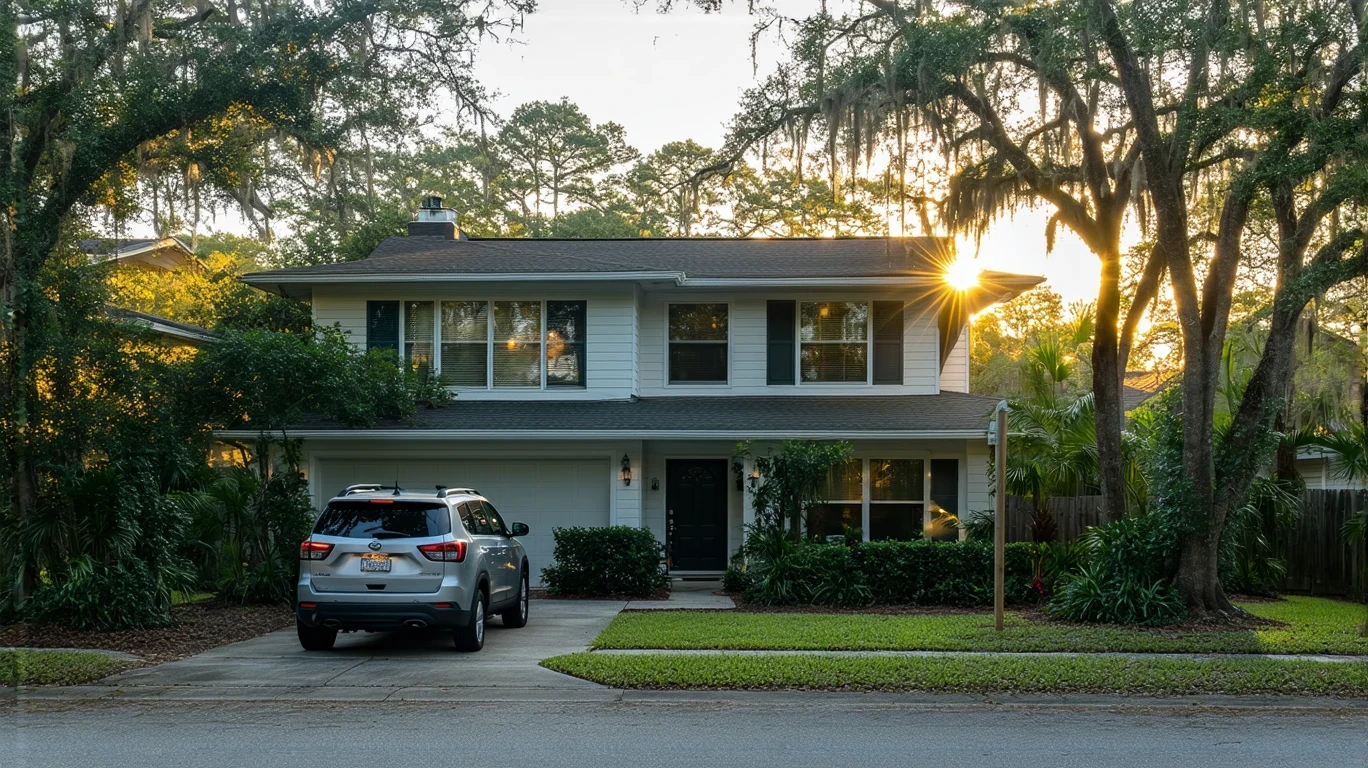
Apopka sits in Central Florida’s suburban belt north of Orlando, where the housing stock is a mix of single-family homes and apartment complexes, the climate demands cooling for most of the year, and getting around almost always means driving. The budget pressure here isn’t dramatic — it’s structural. Rent or mortgage anchors the month, but cooling costs stretch from April into October, commutes add fuel exposure that scales with distance and schedule, and a quiet layer of fees (HOA dues, water and sewer billing, trash collection, HVAC servicing) shows up after move-in, not before.
What newcomers usually underestimate is how little control they have over the timing of these costs. A lease renewal might be negotiable, but the cooling season is not. Fuel prices fluctuate, but the commute distance is fixed. The result is a budget that feels stable on paper but tightens unpredictably in practice, especially for households that haven’t built margin into the categories that vary with behavior, season, and external pricing.
A Simple Budget Map: How Costs Behave by Household Type
The table below illustrates how cost behavior and exposure differ across three household types in Apopka. Because no single budget total fits every household, the focus here is on how each category behaves — whether it’s stable or volatile, fixed or flexible, and what drives variation within it.
| Category | Jasmine (single renter) | Sam & Elena (couple) | Ortiz family (2 kids, owners) |
|---|---|---|---|
| Housing (Rent or Mortgage) | Volatile at renewal; exposure to landlord timing | Stable if locked lease or fixed mortgage | Predictable monthly; tax and insurance episodic |
| Utilities | Seasonal; solo cooling load in summer months | Shared baseline; efficiency-sensitive | Size-driven; peak exposure May–September |
| Food (Groceries + Eating Out) | Flexible; dining out compresses under pressure | Shared grocery efficiency; discretionary dining | Volume-driven; meal planning reduces volatility |
| Transportation | Commute-dependent; fuel price exposure | Dual commute or carpool opportunity | Multi-trip coordination; school and activity runs |
| Fees / Friction Costs | Minimal if apartment; trash often bundled | HOA or service fees if applicable | Admin-heavy; HOA, lawn, storm prep, servicing |
| Discretionary (life + surprises) | Compressed by fixed costs; limited buffer | Moderate flexibility; shared discretionary pool | Constrained by coordination costs and episodic needs |
| What Changes This Most | Lease renewal timing and commute distance | Efficiency habits and dual-income stability | Home size, cooling season length, and fee stack |
Methodology: This guide uses only city-level figures provided in the IndexYard data feed for 2026. Where exact category totals aren’t provided, categories are described directionally to show budget behavior rather than a receipt-accurate total.
The Real Cost Drivers in Apopka
Three forces shape the housing tradeoffs and broader budget structure in Apopka: housing exposure, cooling-season utilities, and transportation footprint. Housing anchors the month — whether through rent that resets annually or a mortgage that stays fixed but carries episodic tax and insurance adjustments. In either case, the predictability of the payment matters less than the household’s ability to absorb what comes after it.
Utilities in Apopka are seasonal by design. The extended cooling season means air conditioning isn’t a summer luxury — it’s a baseline operating cost from late spring through early fall. Humidity amplifies the load, and homes with poor insulation or older HVAC systems see the impact first. Electricity drives the exposure, but water and sewer costs add a second layer, especially in neighborhoods where billing is separated from rent or HOA fees. The result is a utility structure that feels stable in winter and tightens sharply once temperatures climb.
Transportation completes the triad. Apopka is car-dependent, and commute distance determines fuel exposure more than driving habits ever will. A 25-mile round trip to Orlando or surrounding employment centers, combined with fluctuating fuel prices, creates a budget line that varies week to week without any change in household behavior. Carpooling helps, but only if schedules align. Public transit options are limited, so most households treat transportation as a fixed cost with variable execution — predictable in need, unpredictable in price.
In Apopka, the budget stress point is rarely one big bill — it’s the stack of small friction costs that show up after move-in.
Below are common friction costs that add administrative weight and financial texture to monthly budgets in Apopka:
- HOA or association dues: Common in planned communities and townhome developments; often cover landscaping, shared amenities, and exterior maintenance, but billed separately from mortgage or rent.
- Trash and recycling fees: Sometimes bundled into rent or HOA dues, sometimes billed separately by the city or a private hauler; structure varies by neighborhood.
- Water and sewer billing: Frequently separated from housing payments; may include stormwater or environmental fees that aren’t labeled as “water” but appear on the same bill.
- Parking permits: Rare in most of Apopka, but applicable in certain apartment complexes or mixed-use developments.
- HVAC servicing: Seasonal maintenance (filter changes, coolant checks) to maintain efficiency and avoid emergency repairs during peak cooling months.
- Lawn maintenance: For homeowners without HOA coverage, regular mowing, edging, and pest control to meet neighborhood standards and avoid code violations.
- Storm preparation supplies: Batteries, tarps, water storage, and generator fuel during hurricane season; infrequent but necessary in Central Florida.
How Households Keep the Budget Under Control (Without Living Like a Monk)
Control in Apopka’s budget environment comes from timing, habit, and tradeoff clarity — not from cutting out coffee or skipping meals. The households that manage month-to-month volatility best are the ones who treat utilities, transportation, and food costs as flexible within limits, not fixed obligations. They shift cooling to off-peak hours when possible, batch errands to reduce fuel trips, and cook at home during high-expense months without treating it as deprivation.
Behavioral controls don’t eliminate costs — they reduce exposure to the variables that make budgets unpredictable. Using fans and shade management before turning on the AC doesn’t cut the cooling season short, but it does flatten the peak. Carpooling or adjusting commute timing doesn’t change the distance, but it does reduce fuel burn and wear. Monitoring utility usage weekly doesn’t lower the rate, but it does surface waste before it compounds. Negotiating lease renewals early doesn’t cap rent, but it does remove surprise timing from the equation.
The goal isn’t to optimize every dollar — it’s to know which categories respond to behavior and which ones don’t, and to build margin into the ones that don’t.
Below are practical tactics that Apopka households use to manage budget volatility without sacrificing quality of life:
- Shift cooling to off-peak hours and use programmable thermostats to avoid running AC during the hottest part of the day when no one is home.
- Batch errands and plan routes to minimize fuel trips, especially during weeks when gas prices spike.
- Cook at home during high-expense months (summer cooling season, holiday periods) and reserve dining out for lower-pressure weeks.
- Use fans, blackout curtains, and shade management to delay AC usage in shoulder seasons (April, October).
- Carpool with coworkers or neighbors when commute schedules align, reducing both fuel costs and vehicle wear.
- Monitor utility usage weekly through provider apps or smart meters to catch inefficiency before it shows up on the bill.
- Negotiate lease renewals early (60–90 days before expiration) to avoid last-minute rent increases or rushed decisions.
- Bundle internet, phone, and streaming services to reduce per-service fees and simplify billing cycles.
FAQs About Monthly Budgets in Apopka (2026)
What’s the biggest budget surprise for people moving to Apopka?
The extended cooling season. Newcomers from temperate climates often underestimate how much of the year requires air conditioning, and how quickly electricity costs climb once humidity sets in. It’s not a summer expense — it’s a seven-month baseline.
How does commuting affect the monthly budget in Apopka?
Commuting is the second-largest variable cost after utilities for most households. Apopka is car-dependent, and fuel exposure scales directly with commute distance and schedule. A round trip to Orlando or surrounding job centers, combined with fluctuating gas prices, creates a budget line that varies week to week without any change in driving habits.
Are there hidden fees in Apopka that renters should know about?
Yes. Trash collection, water and sewer billing, and parking permits are sometimes separated from rent, depending on the property. Homeowners face HOA dues, lawn maintenance expectations, and HVAC servicing costs that aren’t always disclosed upfront. The fees aren’t large individually, but they stack quickly.
How do couples and families budget differently in Apopka compared to single renters?
Couples benefit from shared fixed costs (rent, utilities baseline, internet) and dual-income flexibility, which creates more discretionary room. Families face size-driven cooling costs, multi-trip transportation coordination (school, activities), and admin-heavy fee structures (HOA, lawn care, storm prep). Single renters carry the full weight of fixed costs alone, with less ability to absorb seasonal spikes or lease renewal increases.
What’s the best way to prepare for getting around Apopka on a budget?
Plan for car dependency. Public transit options are limited, so fuel costs and vehicle maintenance are non-negotiable budget lines. Build margin into transportation by estimating commute distance, tracking fuel price trends, and identifying carpool opportunities early. If possible, choose housing closer to work or major corridors to reduce daily mileage and time exposure.
Planning Your Next Step
The monthly budget in Apopka is shaped by three forces: housing exposure (whether renting or owning), cooling-season utilities that stretch across most of the year, and transportation costs driven by commute-dependent geography. None of these forces are optional, but all of them respond to planning, timing, and behavioral clarity. The households that manage budgets successfully in Apopka are the ones who treat volatility as a feature of the system, not a failure of discipline, and who build margin into the categories that don’t respond to effort.
Start by understanding your housing structure and what drives your largest fixed cost. Then map your cooling exposure — how much square footage you’re conditioning, how efficient your HVAC system is, and whether your lease or ownership structure gives you control over efficiency upgrades. Finally, calculate your transportation footprint: commute distance, fuel price sensitivity, and whether carpooling or schedule flexibility can reduce weekly mileage.
Apopka’s budget environment rewards preparation, not perfection. Know what you control, know what you don’t, and build your financial cushion around the variables that matter most.
—