
Understanding utilities cost in Altamonte Springs starts with recognizing how Florida’s subtropical climate and local infrastructure shape monthly bills. For most households, electricity dominates utility spending due to extended cooling demands, while water, trash, and natural gas play supporting roles that vary by housing type and provider. Whether you’re moving into an apartment or managing a single-family home, knowing what drives these costs helps you plan accurately and avoid surprises when the first bills arrive.
Understanding Utilities in Altamonte Springs
Utility costs represent the second-largest recurring expense for most households after housing, and in Altamonte Springs, they behave differently than in many other parts of the country. The extended cooling season—driven by hot, humid summers and mild winters—means air conditioning runs far longer than heating systems, creating a cost structure where electricity exposure dwarfs natural gas or heating oil. For renters and homeowners alike, understanding this seasonal rhythm is essential to budgeting effectively throughout the year.
Typical utility bills in Altamonte Springs include electricity, water, trash and recycling, and in some cases, natural gas. Electricity powers cooling, lighting, appliances, and water heating in most homes. Water costs are usually tiered, meaning higher usage triggers higher per-gallon rates. Trash and recycling are often bundled with water service or included in homeowners association (HOA) fees, particularly in planned communities and apartment complexes. Natural gas, where available, is used primarily for water heaters, dryers, or stovetops, but plays a minimal role in heating due to the region’s mild winters.
For movers, one of the biggest adjustments is understanding what’s included in rent versus what you’ll pay separately. In Altamonte Springs, most apartment leases require tenants to set up their own electricity accounts, while water, trash, and sometimes sewer are either included in rent or billed separately by the landlord or utility provider. Single-family homes typically require residents to manage all utility accounts directly, and costs can vary significantly depending on home size, insulation quality, and landscaping. Newer homes with energy-efficient windows and HVAC systems often see lower electricity bills than older properties, even when square footage is similar.
Utilities at a Glance in Altamonte Springs
The table below shows how core utility costs typically behave for a mid-size household in a single-family home in Altamonte Springs. Where city-level prices are available in the data feed, they are shown directly. When exact figures are not provided, categories are described qualitatively to reflect how costs are structured and what drives variability.
| Utility | Cost Structure |
|---|---|
| Electricity | ~$157 (illustrative, 1,000 kWh at 15.70¢/kWh, before fees/taxes) |
| Water | Tiered pricing; usage-dependent |
| Natural Gas | $32.82/MCF; minimal heating exposure |
| Trash & Recycling | Often bundled with water or HOA |
| Total | Seasonal variability driven by electricity and cooling exposure |
This table reflects utility cost structure for a mid-size household in a single-family home in Altamonte Springs during 2026. Where exact figures are not provided in the IndexYard data feed, categories are described directionally to reflect how costs behave rather than a receipt-accurate total.
Electricity is billed per kilowatt-hour (kWh) at 15.70¢/kWh in Altamonte Springs, with total monthly costs driven primarily by air conditioning runtime during the extended cooling season. Homes with older HVAC systems, poor insulation, or large square footage see significantly higher usage, while energy-efficient upgrades and programmable thermostats help reduce exposure. Peak summer months often push bills well above spring or fall levels, making electricity the most volatile utility category for most households.
Water costs in Altamonte Springs are structured using tiered pricing, meaning the per-gallon rate increases as monthly usage rises. Households with irrigation systems, pools, or large families typically hit higher tiers, while apartment residents and smaller homes stay in lower brackets. Water bills are often bundled with sewer and stormwater fees, so the line item labeled “water” on your bill may include multiple services.
Natural gas is priced at $32.82 per thousand cubic feet (MCF) and plays a limited role in most Altamonte Springs homes due to minimal heating demand. Where natural gas is available, it’s used primarily for water heaters, dryers, or cooking appliances. Winter bills remain low because space heating is rarely needed, and even during occasional cold snaps, usage stays far below what households in northern climates experience.
Trash and recycling services are typically bundled with water bills or included in HOA fees, particularly in planned communities and apartment complexes. For single-family homes outside HOA-managed neighborhoods, trash service may be billed separately by the city or a private hauler. Costs are generally stable month-to-month, with occasional adjustments for bulk pickup or special waste disposal.
Electricity is typically the most exposure-sensitive utility in Altamonte Springs, driven more by climate and home efficiency than by base rates.
How Weather Impacts Utilities in Altamonte Springs
Altamonte Springs experiences an extended cooling season that stretches from late spring through early fall, with summer temperatures regularly climbing into the low 90s and high humidity making it feel even hotter. Air conditioning isn’t optional—it’s the primary driver of electricity usage for most households. During peak summer months, many residents see their electric bills double or even triple compared to milder periods in late fall or early spring. Homes with poor insulation, older AC units, or west-facing windows absorb more heat, forcing cooling systems to run longer and consume more power.
Winter in Altamonte Springs is mild, with rare freezing nights and daytime temperatures typically in the 60s and 70s. Heating costs remain minimal because most homes rely on electric heat pumps or resistance heating, which run only occasionally. Natural gas heating, where available, sees very low usage compared to northern climates. The result is a cost structure where summer electricity exposure far outweighs winter heating, creating a predictable seasonal pattern: high bills from June through September, moderate bills in spring and fall, and lower bills in winter.
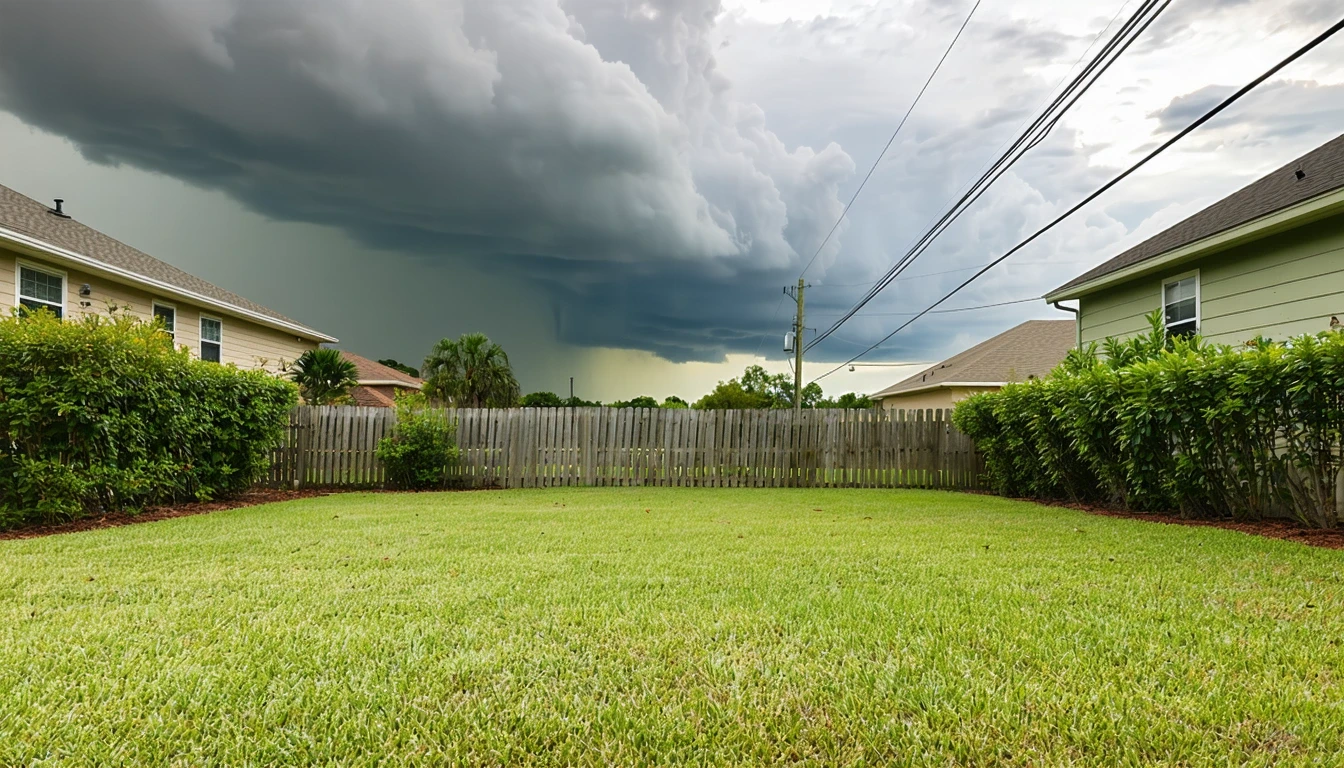
One regional quirk worth noting is the impact of afternoon thunderstorms during summer months. While these storms provide temporary cooling relief, they also increase humidity levels, which forces air conditioners to work harder to remove moisture from indoor air. Homes with dehumidifiers or HVAC systems that manage humidity efficiently see less strain on their cooling equipment, translating to lower electricity usage over time. Additionally, Florida’s intense sun exposure means that shade trees, awnings, and reflective roofing materials can significantly reduce cooling costs by blocking direct heat gain.
How to Save on Utilities in Altamonte Springs
Reducing utility costs in Altamonte Springs starts with managing electricity exposure, since cooling dominates most household bills. Programmable or smart thermostats allow you to raise temperatures when you’re away and cool the home before you return, reducing runtime without sacrificing comfort. Sealing air leaks around windows, doors, and ductwork prevents conditioned air from escaping, while ceiling fans help circulate air and make rooms feel cooler at higher thermostat settings. Upgrading to energy-efficient HVAC systems, particularly those with high SEER (Seasonal Energy Efficiency Ratio) ratings, can lower electricity usage substantially over time.
Water conservation strategies also help control costs, especially for households with irrigation systems or pools. Installing low-flow showerheads and faucet aerators reduces water usage without noticeable changes in pressure. Adjusting irrigation schedules to water early in the morning or late in the evening minimizes evaporation and keeps usage within lower pricing tiers. For single-family homeowners, replacing older toilets with WaterSense-labeled models can cut water consumption significantly, particularly in homes with multiple bathrooms.
Many utility providers in Florida offer rebate programs for energy-efficient upgrades, including air conditioning units, insulation improvements, and solar panel installations. Some providers also offer budget billing or equalized payment plans, which spread costs evenly across the year to avoid large summer spikes. Checking with your local provider about off-peak billing programs or time-of-use rates can help you shift high-energy activities—like running dishwashers or laundry—to lower-cost hours.
- Enroll in budget billing to smooth out seasonal electricity swings
- Plant shade trees on south- and west-facing sides of your home to block direct sun
- Upgrade to a smart thermostat with humidity control to reduce AC runtime
- Check for utility rebates on HVAC upgrades, insulation, and water heaters
- Install reflective window film or cellular shades to reduce heat gain
- Adjust irrigation timers seasonally to avoid overwatering during cooler months
- Use LED bulbs throughout your home to reduce lighting-related electricity usage
🏆 Tip: Check if your provider in Altamonte Springs offers rebates for energy-efficient AC units or heat pump water heaters—these upgrades often pay for themselves through lower monthly bills over time.
FAQs About Utility Costs in Altamonte Springs
Why are utility bills so high in Altamonte Springs during summer?
Summer bills spike because air conditioning runs nearly continuously to combat heat and humidity, often doubling or tripling electricity usage compared to milder months. Homes with older HVAC systems or poor insulation see the largest increases, while energy-efficient upgrades help moderate exposure.
Do HOAs in Altamonte Springs usually include trash or water in their fees?
Many planned communities and townhome developments include trash, water, and sometimes sewer in monthly HOA fees, but this varies by neighborhood. Single-family homes outside HOA-managed areas typically pay for these services separately, either through the city or a private provider.
How does seasonal weather affect monthly utility bills in Altamonte Springs?
The extended cooling season from late spring through early fall drives the highest electricity costs, while mild winters keep heating expenses minimal. Most households see their largest bills between June and September, with noticeable drops in late fall and winter when cooling demand decreases.
Are trash and recycling billed separately in Altamonte Springs or included with water service?
It depends on your housing type and location. Many areas bundle trash and recycling with water bills, while others—particularly single-family homes outside HOA communities—receive separate invoices from the city or a contracted hauler. Checking with your landlord or local utility office clarifies what’s included.
Does Altamonte Springs offer incentives for solar panels or energy-efficient appliances?
Florida utilities and state programs periodically offer rebates for solar installations, high-efficiency air conditioners, and water heaters, though availability and amounts vary by provider and year. Residents should check with their electricity provider and explore federal tax credits for renewable energy upgrades to maximize savings.
How Utilities Fit Into the Cost Structure in Altamonte Springs
Utilities in Altamonte Springs function as a significant cost driver, particularly during summer months when electricity exposure peaks. Unlike fixed expenses such as rent or mortgage payments, utility bills fluctuate based on weather, household behavior, and home efficiency, making them one of the more controllable elements of monthly spending. Understanding which utilities dominate—electricity first, water second, with natural gas and trash playing minor roles—helps households prioritize where efficiency upgrades and behavioral changes will have the greatest impact.
The mixed suburban form of Altamonte Springs, with walkable pockets and corridor-clustered errands accessibility, means that housing types vary widely across the city. Apartment residents often see lower electricity costs due to smaller square footage and shared walls that reduce heat gain, while single-family homeowners face higher exposure from larger spaces and standalone structures. Renters benefit from landlords covering some utilities, but homeowners gain more control over efficiency investments like insulation, HVAC upgrades, and solar panels that reduce long-term costs.
For a complete picture of how utilities interact with housing, transportation, and other expenses, explore Altamonte Springs Affordability: What’s Easy, What’s Expensive to see where utility costs fit within the broader financial landscape. If you’re planning a household budget and want to understand how electricity, water, and other recurring bills shape monthly cash flow, Your Monthly Budget in Altamonte Springs: Where It Breaks provides detailed guidance on balancing fixed and variable expenses throughout the year.
How this article was built: In addition to public economic data, this article incorporates location-based experiential signals derived from anonymized geographic patterns—such as access density, walkability, and land-use mix—to reflect how day-to-day living actually feels in Altamonte Springs, FL.
—