
If you’re weighing renting versus buying in Allen, the decision hinges less on generic affordability math and more on how housing costs behave in this particular suburb. Allen sits in the Dallas metro with a median home value of $390,200 and median rent of $1,747 per month—figures that reflect both the city’s appeal and the structural pressures newcomers face. Understanding what drives those numbers, and how they interact with ownership, taxes, and long-term exposure, determines whether renting or buying makes sense for your household here.
The Housing Market in Allen Today
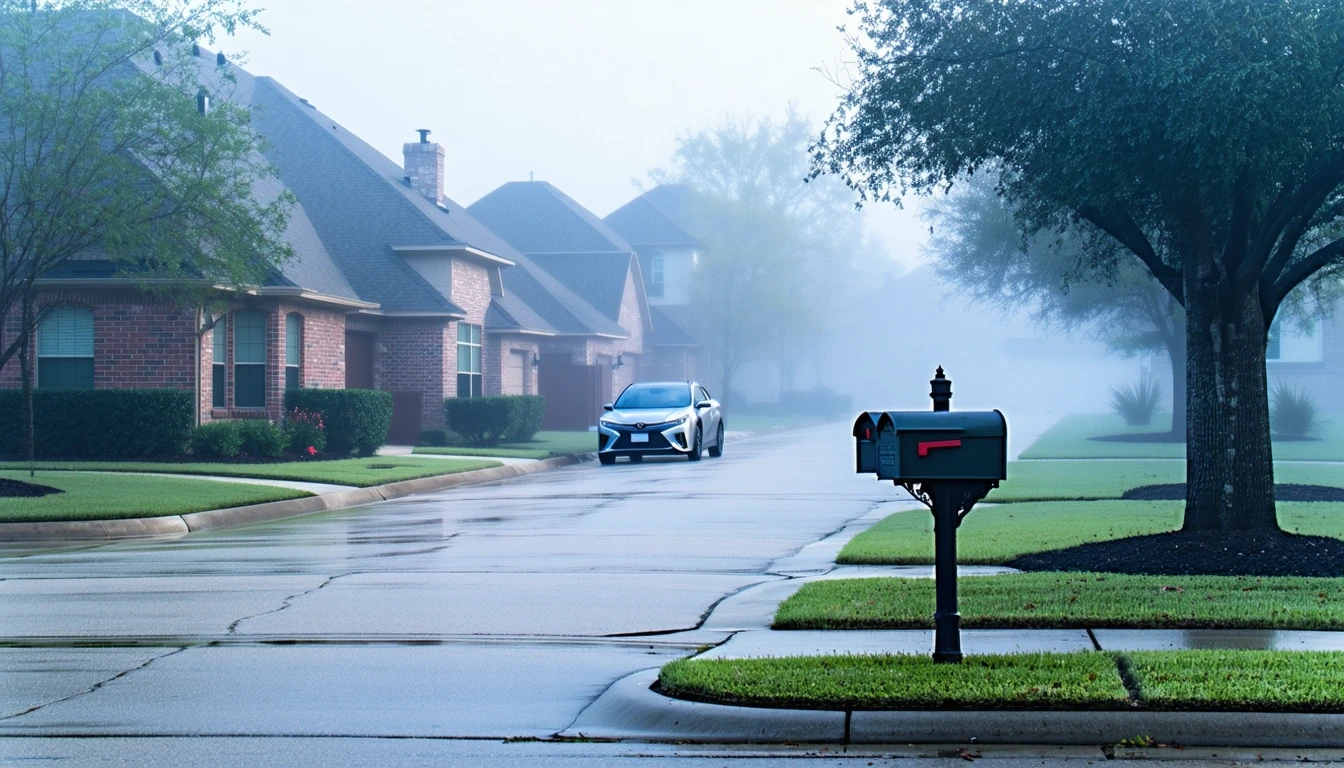
Allen’s housing market reflects its role as an established, family-oriented suburb with strong schools, low unemployment (3.8%), and a median household income of $121,259. Home values here aren’t shaped by speculative development or rapid population swings—they’re supported by steady demand from households seeking stability, access to quality education, and proximity to Dallas employment centers without urban density.
What newcomers often misunderstand is that Allen’s housing stock isn’t uniform. The city includes older single-family neighborhoods, newer master-planned communities, and a mix of townhomes and apartments clustered near commercial corridors. That variation means housing cost experience differs significantly depending on where you land. Older homes may carry lower purchase prices but higher maintenance exposure; newer builds often come with HOA governance and stricter design standards that add predictability but reduce flexibility.
The regional price parity index of 103 signals that Allen’s overall cost structure runs slightly above the national baseline, and housing is the primary driver. This isn’t a market where you’ll find bargain entry points, but it’s also not experiencing the extreme volatility seen in faster-growing exurbs or urban cores. The pressure here is steady, not speculative.
Renting in Allen
At $1,747 per month, median gross rent in Allen reflects competition for a limited rental stock in a market dominated by ownership. Renters here are typically in transition—relocating for work, waiting to buy, or testing the area before committing. That transience creates pressure: landlords know demand is consistent, and turnover costs are low when replacement tenants are readily available.
Rental availability clusters near major corridors and mixed-use developments, where apartments and townhomes offer access to grocery stores, dining, and services without requiring a car for every errand. The city’s infrastructure supports this: food and grocery density exceeds high thresholds, and pedestrian-to-road ratios in certain pockets make local errands manageable on foot or bike. For renters, that accessibility reduces the hidden costs of car dependency—gas, wear, and time—that often inflate the true cost of cheaper rent in more isolated locations.
Rental volatility in Allen isn’t driven by sudden market shocks; it’s driven by landlord discretion at lease renewal. Texas law imposes few restrictions on rent increases, and in a market where ownership is the norm, rental properties are often managed as investment assets rather than long-term housing solutions. Renters should expect modest annual increases and plan accordingly, especially if household income growth doesn’t keep pace.
Owning a Home in Allen
Ownership in Allen means navigating Texas property tax structure, which funds local schools, infrastructure, and services without a state income tax. While no specific tax rate is provided here, Texas property taxes are widely recognized as a significant recurring cost—often exceeding what homeowners in other states pay annually. That exposure doesn’t disappear after the mortgage is paid off; it’s a permanent feature of ownership here.
Home values at $390,200 reflect the quality of Allen’s housing stock and the amenities that come with it—well-maintained neighborhoods, access to parks (park density here exceeds high thresholds), and proximity to healthcare (a hospital is present, along with pharmacies). But ownership also means assuming responsibility for maintenance, insurance, and utilities in a climate where triple-digit summer heat dominates cooling costs and occasional winter freezes create episodic heating and pipe-protection expenses.
Many neighborhoods in Allen operate under HOA governance, which can add $50 to several hundred dollars per month depending on the community. HOAs provide predictability—landscaping, common area maintenance, and sometimes trash or water services are bundled—but they also limit control. Homeowners can’t make exterior changes freely, and fee increases are decided by the board, not the market.
Ownership here rewards households with stable income, long time horizons, and tolerance for Texas tax exposure. It punishes those who underestimate recurring costs or assume that paying off a mortgage eliminates financial pressure.
Apartment vs House in Allen — Cost Behavior Comparison
The table below isolates cost categories where apartments and houses behave differently in Allen, based on local housing stock, climate, and governance patterns. Omitted categories either don’t vary meaningfully here or depend entirely on individual lease or purchase terms.
| Expense Category | Apartment | House |
|---|---|---|
| Cooling (Summer) | Lower exposure; smaller square footage and shared walls reduce load during extended triple-digit heat | Dominant cost driver; larger footprint and full sun exposure create sustained high usage from May through September |
| Heating (Winter) | Minimal; shared walls and compact layout buffer against rare freezing nights | Moderate episodic cost; detached structure and larger volume require more energy during cold snaps |
| Water/Sewer | Often included in rent or billed as flat fee; usage variability absorbed by landlord | Billed directly; irrigation for lawns during dry months adds seasonal variability |
| Maintenance | Landlord responsibility; tenant exposure limited to lease-specified damages | Owner responsibility; HVAC, roof, and foundation issues common in Texas heat and soil conditions |
| Governance Fees | None; landlord absorbs any HOA or association costs | HOA fees common in newer neighborhoods; cover common areas, sometimes trash or exterior maintenance |
Methodology note: This comparison reflects Allen’s climate (extended cooling season, rare but sharp winter cold), housing stock (mix of older single-family and newer HOA-governed communities), and infrastructure (water billed separately for houses, often bundled for apartments). Categories like insurance, internet, and trash vary by lease or purchase terms and are excluded because they don’t differ structurally between housing types here.
Utilities & Upkeep Differences
Utility exposure in Allen is dominated by electricity, which powers air conditioning during the long, hot summer. At 16.11¢ per kWh, the rate is moderate, but usage intensity is not. Apartments benefit from smaller square footage and shared walls, which reduce cooling load. Houses, especially those with poor insulation or older HVAC systems, face sustained high usage from late spring through early fall. The difference isn’t marginal—it’s a structural cost gap that persists every year.
Natural gas, priced at $30.71 per MCF, plays a smaller role. Heating demand is episodic, triggered by occasional winter cold snaps rather than sustained freezing temperatures. Houses with gas heating see noticeable but short-lived spikes; apartments often avoid gas entirely, relying on electric heat that blends into baseline usage.
Maintenance exposure in Allen is shaped by soil conditions and weather. Foundation issues are common in North Texas due to expansive clay soils that shift with moisture changes. Houses built on slab foundations are particularly vulnerable, and repairs can be costly. HVAC systems work harder here than in milder climates, shortening their lifespan and increasing replacement frequency. Apartment renters are insulated from these costs; homeowners are not.
Upkeep also includes landscaping and irrigation. Texas summers are dry, and maintaining a lawn requires consistent watering. Houses with in-ground sprinkler systems face higher water bills during peak months; those without must either accept dormant grass or invest time and money in manual watering. Apartments typically handle landscaping as part of the lease, removing both the cost and the control.
Rent vs Buy: Long-Term Exposure in Allen
The rent-versus-buy decision in Allen isn’t about which option costs less in year one—it’s about which cost structure fits your household’s risk tolerance, time horizon, and income stability over time.
Renting offers predictability within the lease term but no protection beyond it. Rent can increase at renewal, and in a market where ownership dominates, landlords have pricing power. Renters avoid property tax exposure, maintenance surprises, and the upfront cost of a down payment, but they also build no equity and retain no control over long-term housing costs. For households with uncertain income, short time horizons, or plans to relocate, renting minimizes risk.
Ownership in Allen shifts risk from the landlord to the homeowner. Property taxes, insurance, and maintenance costs fluctuate, and Texas property taxes in particular represent ongoing exposure that doesn’t diminish as the mortgage is paid down. But ownership also provides control: you can make efficiency upgrades, lock in a fixed-rate mortgage, and benefit from home value appreciation if the market continues to support demand. Over time, ownership rewards households with stable income and long time horizons, especially those who can absorb short-term cost shocks without financial strain.
The tradeoff isn’t about which option is cheaper—it’s about which risks you’re willing to manage. Renters face renewal volatility and no equity accumulation. Owners face tax exposure, maintenance unpredictability, and the opportunity cost of capital tied up in a down payment. Both paths are viable in Allen; the right choice depends on how your household income, savings, and plans align with the city’s housing cost structure.
FAQs About Housing Costs in Allen
Is renting or buying more affordable in Allen, TX?
Affordability depends on time horizon and cost tolerance. Renting at $1,747 per month avoids upfront costs and maintenance exposure but offers no equity. Buying at $390,200 requires significant capital and exposes you to property taxes and upkeep, but rewards long-term stability and control.
How do property taxes affect homeownership costs in Allen?
Texas funds local services through property taxes rather than state income tax, making property taxes a significant recurring cost for homeowners. This exposure persists regardless of whether you carry a mortgage, and it increases if home values or tax rates rise.
What drives utility costs for renters versus owners in Allen?
Cooling dominates utility costs due to extended summer heat. Apartments benefit from smaller square footage and shared walls, reducing electricity usage. Houses face higher cooling costs, especially older homes with less efficient HVAC systems or poor insulation.
Are HOA fees common in Allen, TX?
Many newer neighborhoods in Allen operate under HOA governance, which adds monthly fees in exchange for common area maintenance, landscaping, and sometimes utilities. Fees vary widely by community and are a recurring cost that doesn’t disappear after the mortgage is paid off.
How does Allen’s housing market compare to nearby Dallas suburbs?
Allen’s median home value of $390,200 reflects its established status, strong schools, and family-oriented amenities. It sits in the middle range among Dallas suburbs—less expensive than exclusive enclaves, more expensive than outer-ring communities with longer commutes or fewer services.
Making Housing Choices in Allen
Housing costs in Allen are shaped by ownership structure, Texas tax policy, and climate exposure. Renters face lease renewal volatility but avoid maintenance and tax risk. Owners gain equity and control but assume property tax exposure, utility intensity from summer heat, and maintenance responsibility in a climate that stresses foundations and HVAC systems.
The city’s infrastructure supports both paths. Broadly accessible grocery and food options reduce the need for frequent long trips, and integrated park access provides outdoor amenities without travel cost. For families, limited school and playground density may require more intentional planning around childcare and education logistics, which can influence where you choose to live within Allen.
Households with stable income, long time horizons, and tolerance for recurring ownership costs will find Allen’s housing market rewards commitment. Those with uncertain plans, limited savings, or preference for flexibility may find renting offers lower risk, even if it means forgoing equity. Both paths are viable here—what matters is understanding how Allen’s cost structure aligns with your household’s financial position and plans.
How this article was built: In addition to public economic data, this article incorporates location-based experiential signals derived from anonymized geographic patterns—such as access density, walkability, and land-use mix—to reflect how day-to-day living actually feels in Allen, TX.