
West Jordan sits in Utah’s Salt Lake Valley, where suburban housing stock meets rail access and a cost structure that rewards planning. The median home here is $412,100, while median rent runs $1,489 per month—figures that reflect a market where ownership requires capital but renting remains accessible relative to the metro’s core. With a median household income of $99,002 per year, many households can afford rent comfortably, but buying demands a substantial down payment and tolerance for the variable costs that come with detached housing in a climate of hot, dry summers and occasional winter cold.
What sets West Jordan apart is its infrastructure mix: rail service connects commuters to the broader metro, grocery and food density exceeds regional norms, and park access is woven throughout the city. These aren’t luxuries—they’re structural features that reduce day-to-day cost friction. A household that can walk to groceries or take rail to work spends less on gas, parking, and time. A family with integrated park access spends less on private recreation. But the housing stock itself—largely single-family, detached homes—creates exposure to cooling costs, yard upkeep, and maintenance cycles that renters in multi-family buildings avoid entirely.
This article explains how housing costs behave in West Jordan: what drives rent, what ownership actually exposes you to, and how the choice between apartment and house plays out over time in a city where the built environment shapes your budget as much as the lease or mortgage payment does.
The Housing Market in West Jordan Today
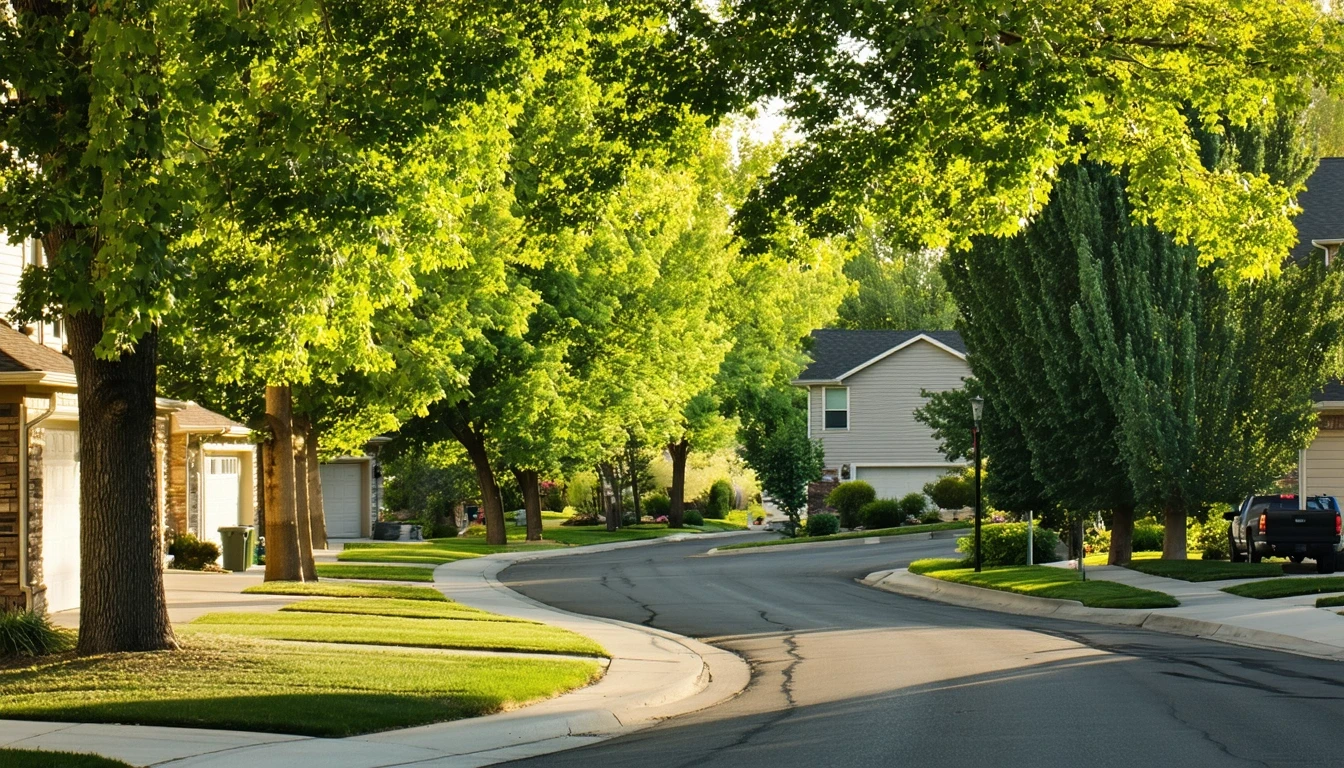
West Jordan’s housing market reflects its role as a suburban anchor in the Salt Lake Valley—close enough to downtown Salt Lake City for rail commuters, far enough out that land allowed for detached single-family development. The result is a city where homeownership dominates the housing stock, but rental options exist in pockets, particularly near transit corridors and mixed-use nodes where commercial and residential land use overlap.
The median home value of $412,100 is not an entry-level figure. It reflects a market where demand has been sustained by proximity to employment centers, access to outdoor recreation, and a regional price parity index of 96—meaning costs here run slightly below the national baseline. But “below national average” doesn’t mean cheap. It means you’re not paying the premium you’d face in coastal metros, but you’re still navigating a market where home values have climbed faster than many households’ ability to save for down payments.
Newcomers often misunderstand West Jordan as interchangeable with other Salt Lake suburbs. It’s not. The presence of rail transit, the density of grocery and food establishments, and the integration of parks create a different cost experience than car-dependent exurbs farther south. You’re not buying into a place where every errand requires a 20-minute drive. You’re buying into a place where walkable pockets exist, but the housing stock itself—mostly single-family homes—still assumes car ownership, yard maintenance, and climate-driven utility swings.
The rental market is tighter than ownership. Median gross rent of $1,489 per month represents roughly 18% of median household income if paid annually, well within traditional affordability heuristics. But availability is the constraint. Multi-family housing is less common here than in denser urban cores, and turnover is slower. If you’re renting, you’re competing for a smaller pool of units, and lease renewals can bring sharp increases when landlords reset to market rates.
Renting in West Jordan
Renting in West Jordan means navigating a market where supply is limited by the dominance of single-family ownership. Most of the rental stock is concentrated in apartment complexes near commercial corridors and transit nodes, where land use supports higher density. If you’re looking for a rental house, expect fewer options and higher prices than comparable apartments.
At $1,489 per month, median rent is accessible for households earning near the city’s median income, but it’s not immune to volatility. Lease renewals are the pressure point. Landlords in suburban markets like West Jordan often adjust rents annually to match regional demand, and because rental supply is constrained, tenants have less leverage to negotiate. If your lease renews during a tight market, expect an increase. If you’re month-to-month, expect even less predictability.
Location within West Jordan matters more for renters than owners. Proximity to rail stations reduces commute costs and time. Proximity to grocery clusters—and West Jordan has high food and grocery establishment density—reduces the need for long drives and bulk shopping trips. Renters who prioritize these factors can offset some of the cost of rent by lowering transportation and convenience expenses. Those who rent farther from these nodes will find themselves more car-dependent, which adds fuel, maintenance, and time costs that don’t show up in the lease.
The rental experience here is also shaped by climate. Most apartments include some utilities, but if you’re responsible for electricity, expect summer cooling to dominate your bill. West Jordan’s hot, dry summers push air conditioning into daily use for months, and even well-insulated apartments see noticeable seasonal swings. Winter heating is less intense but still present during cold snaps. If utilities aren’t included, budget for variability.
Owning a Home in West Jordan
Ownership in West Jordan is a bet on stability and a willingness to absorb variable costs that renters avoid. The median home value of $412,100 is the entry price, but it’s not the total cost. Property taxes, insurance, maintenance, and utilities all fluctuate, and in a city where single-family homes dominate, those fluctuations are tied to square footage, lot size, and climate exposure.
Property taxes in Utah are governed by county assessments and local levies, and while the state’s overall tax burden is moderate, reassessments can shift your annual obligation. West Jordan homeowners should expect taxes to adjust as home values change, and because the city has seen sustained demand, that often means upward pressure. There’s no way to lock in your tax bill the way you lock in a mortgage rate.
Insurance is another variable. West Jordan’s climate—hot summers, occasional winter storms—creates exposure to HVAC failure, roof wear, and exterior maintenance. Insurers price for these risks, and premiums adjust as claims data and replacement costs shift. If you’re comparing ownership to renting, understand that insurance is not optional and not fixed.
Maintenance is where ownership diverges most sharply from renting. A single-family home in West Jordan typically includes a yard, exterior walls, roof, HVAC system, and appliances—all of which age and fail on schedules you don’t control. Cooling systems work hard here, and when they fail in July, replacement is urgent and expensive. Roofs take sun damage. Sprinkler systems require seasonal upkeep. These aren’t surprises; they’re structural features of owning a detached house in this climate.
The upside is control and predictability of housing cost itself. Your mortgage principal and interest don’t change (assuming a fixed-rate loan). You’re not subject to lease renewals or landlord decisions. You can modify the property, invest in efficiency upgrades, and benefit from any appreciation. But you’re also the first call when something breaks, and in West Jordan’s housing stock, things break on a schedule driven by heat, age, and use.
Apartment vs House in West Jordan — Cost Behavior Comparison
The choice between renting an apartment and owning a house in West Jordan isn’t just about monthly payment—it’s about which costs you control, which you avoid, and which you inherit. The table below reflects distinctions that matter specifically in West Jordan’s housing market and climate, not generic differences that apply everywhere.
| Expense Category | Apartment | House |
|---|---|---|
| Base Housing Cost | Median rent $1,489/month; subject to annual lease renewal increases | Median home value $412,100; mortgage principal and interest fixed, but property taxes and insurance adjust over time |
| Utility Exposure | Often partially included; shared walls reduce heating/cooling load; lower square footage limits total consumption | Full responsibility; detached structure and larger square footage increase cooling costs during hot, dry summers; winter heating moderate but present |
| Maintenance & Upkeep | Landlord responsible for exterior, HVAC, appliances, and grounds; tenant handles only interior care | Owner responsible for all systems, roof, yard, and seasonal upkeep; climate drives HVAC replacement cycles and exterior wear |
| Predictability Over Time | Rent resets annually; tenant has limited control over increases; exit is low-friction | Mortgage payment fixed; taxes and insurance adjust with market and risk; maintenance costs episodic and variable |
| Mobility & Exit Flexibility | Lease terms allow exit with notice; no transaction costs beyond deposits | Sale requires market timing, transaction costs, and agent fees; exit is slower and costlier |
Methodology note: Rows included reflect cost behaviors that differ meaningfully in West Jordan due to housing stock (detached single-family dominance), climate (cooling-dominated summers, moderate winter heating), and market structure (rental supply constraints, ownership prevalence). Omitted categories—such as parking costs and HOA fees—either do not vary significantly between housing types here or lack sufficient local data to justify inclusion. This is a diagnostic comparison, not an exhaustive checklist.
Utilities & Upkeep Differences
Utility and maintenance costs in West Jordan are shaped by two forces: climate and housing form. The city’s hot, dry summers create sustained cooling demand, and because most owned housing is detached and single-story or two-story, square footage and exposure drive consumption. Renters in multi-family buildings benefit from shared walls and often smaller floor plans, which reduce both heating and cooling loads.
Electricity rates in West Jordan run 12.88¢ per kWh, and natural gas is priced at $11.28 per MCF. These are the unit costs, but your bill is determined by how much you use—and in a detached house with full sun exposure and no shared thermal mass, you use more. Air conditioning dominates summer bills, and while winter heating is less intense, it’s still present during cold snaps. Homeowners should expect noticeable seasonal swings, with summer representing the peak exposure.
Apartments, by contrast, often include some utilities in rent, and even when they don’t, consumption is lower. Shared walls mean your neighbor’s cooling helps stabilize your temperature. Smaller square footage means less air to condition. These aren’t minor differences—they’re structural advantages that reduce monthly variability and total cost.
Maintenance exposure is even more pronounced. A house in West Jordan typically includes a yard (front and back), irrigation system, exterior paint or siding, roof, and HVAC equipment. All of these age and require upkeep. The climate accelerates some of this: roofs take intense sun exposure, HVAC systems run hard during summer, and irrigation systems require seasonal activation and winterization. These are not optional tasks. They’re part of the cost structure of owning a detached home here.
Renters avoid nearly all of this. The landlord handles HVAC failure, roof leaks, and exterior wear. The tenant’s responsibility is limited to interior care and reporting problems. This isn’t just a convenience—it’s a fundamental difference in cost exposure and risk.
Rent vs Buy: Long-Term Exposure in West Jordan
The decision to rent or buy in West Jordan is not a math problem with a single answer. It’s a choice between two different risk profiles, each shaped by the city’s housing stock, climate, and market structure.
Renting offers flexibility and limited exposure. Your cost is the rent, and while it can increase at renewal, you’re not responsible for property taxes, insurance, or maintenance. If the HVAC fails, you call the landlord. If the roof leaks, it’s not your problem. If you need to leave, you give notice and go. This makes renting well-suited for households that value mobility, want to avoid capital lockup, or prefer predictable monthly costs without episodic repair bills.
But renting also means you’re subject to the landlord’s decisions. Lease renewals can bring sharp increases, especially in a market where rental supply is constrained. You can’t modify the property, invest in efficiency upgrades, or benefit from appreciation. And in West Jordan, where rental stock is limited and concentrated near transit and commercial nodes, your location options are narrower than they’d be if you were buying.
Ownership offers control and long-term cost stability in exchange for upfront capital and variable expenses. Your mortgage principal and interest are fixed (assuming a fixed-rate loan), which insulates you from the kind of rent increases that can destabilize a renter’s budget. You can invest in the property, improve efficiency, and benefit from any appreciation. And in a city where home values have been sustained by demand and limited supply, ownership has historically rewarded those who could afford the entry price.
But ownership also exposes you to costs that renters avoid. Property taxes adjust with assessed value. Insurance premiums shift with risk and replacement cost. Maintenance is episodic and unpredictable—your HVAC might last 15 years or fail in year 10, and when it fails, replacement is your responsibility. In West Jordan, where cooling systems work hard and housing stock is largely detached, these aren’t rare events. They’re part of the ownership experience.
Over time, ownership tends to reward stability. If you stay in place, your fixed mortgage payment becomes a smaller share of your income as wages rise. If you leave, you face transaction costs and market timing risk. Renting rewards flexibility but exposes you to ongoing rent resets. Neither is universally better. The right choice depends on how long you plan to stay, how much capital you have, and how much cost variability you can tolerate.
FAQs About Housing Costs in West Jordan
Is renting or buying more affordable in West Jordan?
Renting is more accessible in the short term—median rent of $1,489 per month requires less upfront capital than buying a home valued at $412,100. But affordability over time depends on how rent and ownership costs behave. Rent can increase annually, while a fixed-rate mortgage locks in your principal and interest. Ownership adds property taxes, insurance, and maintenance, all of which vary. If you plan to stay for several years and can afford the down payment, ownership may offer more long-term cost stability. If you value flexibility or lack capital, renting is the lower-risk choice.
How do utility costs differ between apartments and houses in West Jordan?
Houses in West Jordan typically cost more to heat and cool because they’re detached, have more square footage, and lack the shared walls that help stabilize temperature in apartments. Summer cooling dominates utility bills here due to hot, dry conditions, and detached homes bear the full load. Apartments often include some utilities in rent, and even when they don’t, consumption is lower due to smaller size and shared thermal mass. If you’re comparing housing types, expect noticeable utility savings in an apartment.
What maintenance costs should I expect as a homeowner in West Jordan?
Homeowners in West Jordan face maintenance driven by climate and housing form. HVAC systems work hard during summer and may require replacement every 10–15 years. Roofs take intense sun exposure and need periodic replacement. Yards require irrigation, seasonal upkeep, and winterization. Exterior paint or siding weathers over time. These aren’t optional—they’re structural costs of owning a detached home here. Renters avoid most of this, as landlords handle major systems and exterior care.
Does West Jordan’s rail access affect housing costs?
Rail access doesn’t directly change home values or rent, but it affects total cost of living. Households near rail stations can reduce commute costs, avoid parking fees, and spend less time in traffic. This makes proximity to transit valuable, especially for single-car households or those commuting to downtown Salt Lake City. Rental and ownership options near transit tend to be more competitive, but the savings in transportation and time can offset higher housing costs.
How does West Jordan’s cost of living compare to other Salt Lake Valley suburbs?
West Jordan’s regional price parity index of 96 suggests costs run slightly below the national baseline, but that doesn’t mean it’s the cheapest option in the valley. What distinguishes West Jordan is its mix of rail access, grocery density, and park integration—features that reduce day-to-day cost friction. Compared to more car-dependent suburbs farther south, West Jordan offers more walkable pockets and transit options. Compared to denser urban cores, it offers more detached housing and yard space. The cost structure reflects that middle position: not the lowest entry price, but also not the highest total cost of living once transportation and convenience are factored in.
Making Housing Choices in West Jordan
Housing costs in West Jordan are shaped by structure, not just price. The median home value and median rent are starting points, but the real cost depends on how you live: whether you’re near rail or car-dependent, whether you’re in a detached house or multi-family building, whether you’re absorbing maintenance and utility swings or outsourcing them to a landlord.
Renters gain flexibility and limited exposure but face lease renewal volatility and constrained supply. Owners gain control and long-term stability but inherit property taxes, insurance, and maintenance cycles tied to climate and housing form. Neither choice is universally better. The right decision depends on how long you plan to stay, how much capital you have, and how much cost variability you can manage.
West Jordan’s infrastructure—rail access, grocery density, integrated parks—reduces some of the cost friction common in car-dependent suburbs. But the housing stock itself, largely detached and single-family, creates exposure to cooling costs, yard upkeep, and episodic repairs that renters avoid. Understanding these tradeoffs is how you move from comparing numbers to making a decision that fits your household.
For more context on monthly expenses and how housing fits into the broader cost structure, see our breakdown of what a month of living in West Jordan actually feels like. And if you’re weighing the real cost pressures across categories, that guide explains where money goes and why.
How this article was built: In addition to public economic data, this article incorporates location-based experiential signals derived from anonymized geographic patterns—such as access density, walkability, and land-use mix—to reflect how day-to-day living actually feels in West Jordan, UT.