
Garland’s housing market sits in the middle of the Dallas metro sprawl, where proximity to downtown Dallas and the presence of rail transit create a distinct cost profile. The median home value of $229,000 positions Garland as an accessible entry point compared to closer-in Dallas neighborhoods, but ownership here still carries the full weight of Texas property taxes, maintenance exposure tied to extended cooling seasons, and the governance complexity common to suburban developments. Renters face a median gross rent of $1,421 per month, which reflects both the city’s commuter appeal and the clustering of rental stock near transit corridors and commercial zones. Understanding what costs people most in Garland requires looking beyond the sticker price to the structural differences in how renters and owners experience volatility, control, and long-term exposure.
What shapes Garland’s housing market today is its role as a bedroom community with rail access to Dallas. The DART Blue Line connects Garland to downtown Dallas, which reduces car dependency for commuters willing to live near stations. This transit link concentrates demand in walkable pockets near rail stops, where both rental and ownership inventory tend to cluster. Away from these corridors, the city’s texture shifts toward car-oriented neighborhoods with mixed building heights and land-use patterns that blend residential and commercial zones. Grocery density exceeds high thresholds, but food establishment density sits in the medium band, suggesting that daily errands are accessible but require intentional routing rather than spontaneous walkability. For newcomers, the mistake is assuming Garland offers uniform access across the city—proximity to rail and grocery corridors determines whether daily logistics feel frictionless or require planning.
The regional price parity index of 103 indicates that Garland’s overall cost level runs slightly above the national baseline, but this modest premium is driven more by housing and transportation exposure than by groceries or utilities. The unemployment rate of 4.1% reflects a stable local labor market, though many Garland residents commute to Dallas for work. This commuter dynamic shapes housing demand: renters and buyers who prioritize rail access pay a premium for location, while those willing to drive gain more space at lower per-square-foot costs. The city’s climate—characterized by triple-digit summer heat and mild winters—creates predictable utility exposure that affects both renters and owners, but the structure of that exposure differs sharply depending on housing type and lease terms.
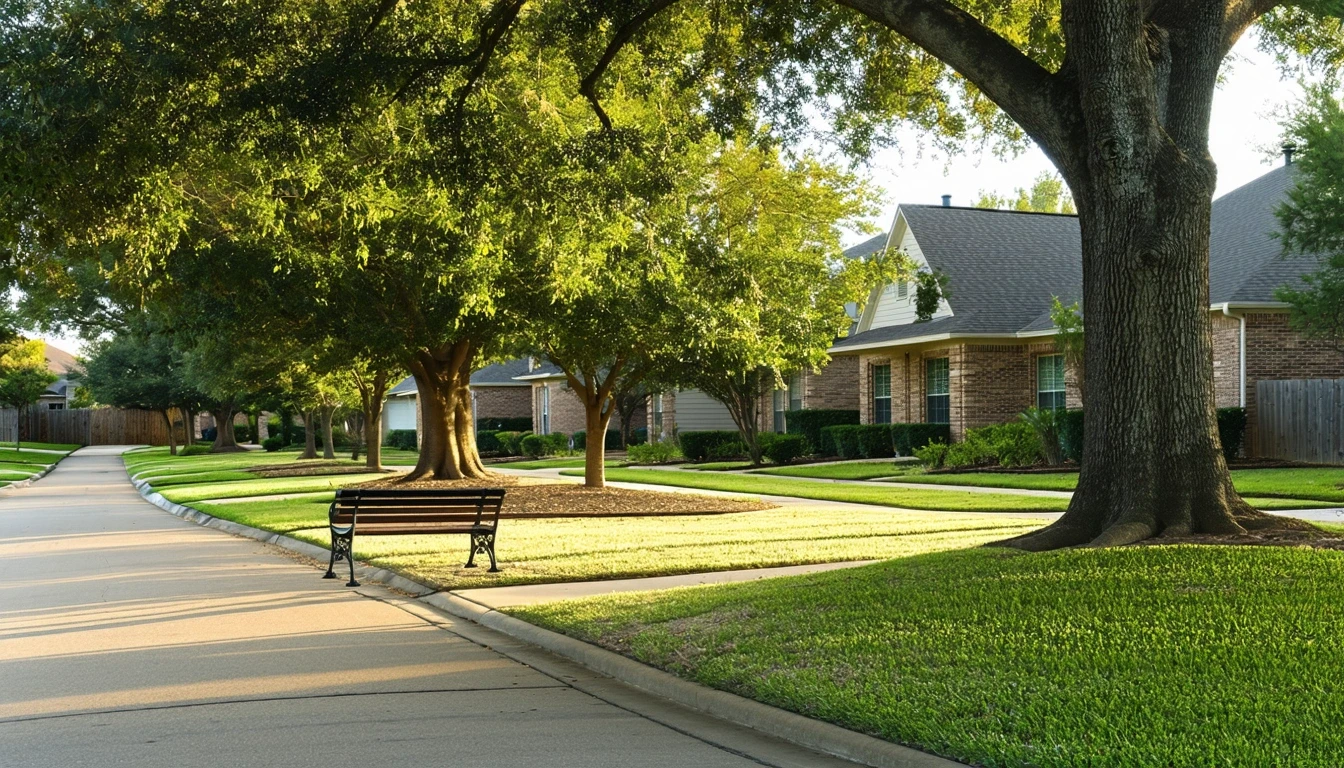
Renting in Garland
At $1,421 per month, Garland’s median gross rent reflects a market where location and access drive variation. Renters near DART stations or along major commercial corridors face tighter inventory and faster turnover, while those in car-dependent pockets farther from transit find more availability but lose the flexibility of rail commuting. Rental stock in Garland skews toward apartments and smaller single-family homes, with mixed building heights creating a range of unit types from low-rise garden complexes to mid-rise structures near commercial zones. The presence of both residential and commercial land use in the same areas means renters can often access grocery stores and essential errands without long drives, but the corridor-clustered pattern means not all neighborhoods offer the same convenience.
Renters in Garland face predictable exposure to cooling costs during the extended summer season, when electricity rates of 15.87¢/kWh translate into noticeable monthly bills for units without efficient HVAC systems or adequate insulation. Lease terms typically pass utility responsibility to tenants, which means renters absorb seasonal volatility directly. However, renters avoid property tax increases, special assessments, and the maintenance unpredictability that owners face. For households prioritizing flexibility—especially those commuting to Dallas or uncertain about long-term plans—renting in Garland offers lower entry costs and the ability to relocate without transaction friction. The tradeoff is lack of control over rent renewals and limited ability to stabilize housing costs over time.
The rental experience in Garland also depends on proximity to family infrastructure. School density and playground density both fall below low thresholds, which means families with young children may find themselves driving to parks, schools, or recreational facilities even if they live in otherwise walkable pockets. This creates a hidden logistics burden that doesn’t show up in rent figures but affects day-to-day convenience. Renters without school-age children or those willing to accept longer drives for family amenities face fewer constraints, but the limited family infrastructure signals that Garland’s rental market is better suited to commuters, couples, and remote workers than to households managing complex child-centered routines.
Owning a Home in Garland
The $229,000 median home value in Garland represents a lower entry point than many Dallas-area suburbs, but ownership here still requires navigating Texas property taxes, which are among the highest in the nation. While the input feed does not provide a specific tax rate for Garland, Texas homeowners typically face annual property tax bills that exceed 2% of assessed value, meaning a $229,000 home could generate several thousand dollars in annual tax liability. These taxes fund schools, infrastructure, and local services, but they also introduce ongoing cost exposure that renters avoid entirely. Property tax bills can rise with reassessments, and unlike mortgage principal, taxes never decrease or disappear.
Ownership in Garland also means taking on maintenance and repair exposure tied to the city’s climate. Extended periods of triple-digit heat stress HVAC systems, roofing materials, and exterior finishes, creating a predictable cycle of replacement and upkeep. Homeowners must budget for air conditioning repairs, insulation upgrades, and seasonal wear that renters can offload to landlords. The presence of mixed building heights and land-use patterns suggests that some Garland neighborhoods include HOA-governed developments, though the feed does not specify prevalence or fee structures. Where HOAs exist, they add another layer of monthly cost and governance complexity, often bundling services like landscaping, common-area maintenance, or neighborhood amenities.
What ownership in Garland offers is control and predictability over the largest single housing cost: the mortgage payment. Fixed-rate financing locks in principal and interest for decades, insulating owners from the rent increases that renters face during tight markets or high-demand periods. Owners also gain the ability to modify their homes, invest in efficiency upgrades, and build equity over time. For households planning to stay in the Dallas metro area and willing to absorb the upfront transaction costs and ongoing tax-and-maintenance exposure, ownership in Garland provides a path to long-term cost stability that renting cannot match. The tradeoff is reduced flexibility and the risk of unexpected repair costs that can destabilize budgets in ways that fixed rent payments do not.
Apartment vs House in Garland — Cost Behavior Comparison
| Expense Category | Apartment | House |
|---|---|---|
| Cooling Exposure | Shared walls and smaller square footage reduce cooling load; tenant pays seasonal spikes but avoids HVAC replacement | Larger square footage and standalone structure increase cooling demand; owner pays both seasonal bills and system replacement costs |
| Maintenance Responsibility | Landlord handles repairs, HVAC service, and exterior upkeep; tenant avoids capital expenditure risk | Owner absorbs all repair costs, including heat-related wear on roofing, siding, and mechanical systems |
| Property Tax Exposure | Not directly billed; indirectly reflected in rent but not subject to reassessment volatility | Directly billed annually; subject to reassessment increases and local rate changes |
| Transit Access Tradeoff | Apartments cluster near DART rail and commercial corridors, reducing car dependency for commuters | Houses more common in car-dependent pockets; rail access requires intentional location choice and higher purchase price |
Why these categories differ in Garland: The city’s extended cooling season and triple-digit summer heat create a meaningful cost gap between apartments (which benefit from shared-wall insulation and smaller footprints) and houses (which face higher cooling and maintenance exposure). The presence of rail transit and corridor-clustered grocery density means that apartment renters near DART stations gain access advantages that house buyers in car-oriented neighborhoods do not. Property tax exposure is a structural difference in Texas, where owners face direct annual bills that renters avoid. Categories like water, trash, or internet were excluded because they do not vary meaningfully by housing type in Garland’s market.
Utilities & Upkeep Differences
Garland’s climate drives a clear distinction in utility exposure between apartments and houses. The extended cooling season—running from late spring through early fall—means that air conditioning dominates electricity bills for both renters and owners. At 15.87¢/kWh, electricity rates are moderate, but consumption volume matters more than the rate itself. Apartments with shared walls, smaller square footage, and centrally located units benefit from passive insulation that reduces cooling demand. Houses, especially older single-family homes with larger floor plans and standalone construction, face higher cooling loads and longer HVAC run times. Owners also bear the cost of replacing aging air conditioning systems, which can fail under the stress of sustained triple-digit heat.
Natural gas prices of $19.31 per MCF reflect the fuel cost for heating during Garland’s mild winters, but heating exposure is minor compared to cooling. Most Garland households use natural gas for water heating and cooking rather than space heating, which means gas bills remain relatively stable year-round. The real upkeep difference between apartments and houses in Garland is tied to exterior maintenance and heat-related wear. Apartment tenants avoid responsibility for roof repairs, siding replacement, and landscaping costs, all of which escalate in climates with intense sun exposure and occasional severe weather. Homeowners face these costs directly, and the expense is neither predictable nor evenly distributed—one summer hailstorm or HVAC failure can create a multi-thousand-dollar bill that renters never see.
The limited family infrastructure in Garland also affects upkeep indirectly. Homeowners with children may invest in private yard improvements, play equipment, or landscaping to compensate for low playground density, adding to maintenance and water costs. Renters in apartments avoid these discretionary expenses but lose the ability to create private outdoor space. For households without children or those willing to drive to parks and recreational facilities, this distinction matters less. The key takeaway is that Garland’s climate and infrastructure patterns create upkeep exposure that varies more by housing type than by neighborhood, and that exposure is ongoing rather than one-time.
Rent vs Buy: Long-Term Exposure in Garland
The structural difference between renting and owning in Garland is not about monthly payment size—it’s about volatility, control, and long-term cost trajectory. Renters face the risk of rent increases at lease renewal, especially in high-demand areas near rail transit or commercial corridors. Garland’s role as a commuter city with DART access means that rental demand can tighten quickly when job growth in Dallas accelerates, pushing rents upward in desirable pockets. Renters have no mechanism to lock in housing costs beyond the current lease term, which creates ongoing exposure to market conditions they cannot control. However, renters also avoid property tax increases, special assessments, and the capital expenditure risk that comes with aging homes and heat-stressed systems.
Owners in Garland gain cost predictability through fixed-rate mortgages, which lock in principal and interest payments for the life of the loan. This insulation from market rent increases is the primary financial advantage of ownership, but it comes with tradeoffs. Property taxes can rise with reassessments, and Texas offers no statewide cap on annual increases for all homeowners. Maintenance and repair costs are unpredictable and can spike without warning, especially in a climate that accelerates wear on HVAC, roofing, and exterior materials. Owners also face transaction costs when selling, which reduces flexibility and makes short-term ownership financially inefficient.
Over time, ownership in Garland shifts cost exposure from rent volatility to tax-and-maintenance volatility. For households planning to stay in the area for many years, this tradeoff favors ownership because the mortgage payment becomes a smaller share of income as wages rise, while renters face the risk of rent growing faster than income. For households uncertain about long-term plans, prioritizing career mobility, or unwilling to absorb repair risk, renting preserves flexibility and avoids the capital lockup that ownership requires. The decision is not about which option costs less in year one—it’s about which risk profile and cost structure align with the household’s planning horizon and tolerance for unpredictability.
How this article was built: In addition to public economic data, this article incorporates location-based experiential signals derived from anonymized geographic patterns—such as access density, walkability, and land-use mix—to reflect how day-to-day living actually feels in Garland, TX.
FAQs About Housing Costs in Garland
Is $229,000 a realistic home price in Garland for first-time buyers?
The $229,000 median home value represents the middle of Garland’s market, meaning half of homes sell for less. First-time buyers can find entry-level inventory below this figure, especially in neighborhoods farther from DART rail stations or outside walkable pockets. However, lower purchase prices often come with higher maintenance exposure due to older construction or deferred upkeep. Buyers should account for property taxes, insurance, and cooling-season utility costs when evaluating affordability, as these ongoing expenses add significantly to the total cost of ownership.
How does renting in Garland compare to nearby Dallas suburbs?
Garland’s $1,421 median gross rent reflects its position as a commuter city with rail access to Dallas. Renters pay a premium for proximity to DART stations and commercial corridors, but this premium is typically lower than in closer-in Dallas neighborhoods or suburbs with higher walkability. Renters willing to live in car-dependent areas of Garland can find lower rents, but they trade convenience and transit access for affordability. The tradeoff depends on commute priorities and tolerance for driving to daily errands.
What drives utility costs higher in Garland houses versus apartments?
Garland’s extended cooling season and triple-digit summer heat create the primary utility cost gap. Houses have larger square footage, standalone construction, and no shared-wall insulation, which increases air conditioning demand. Apartment units, especially those with neighbors on multiple sides, benefit from passive cooling and smaller floor plans. Owners also pay for HVAC repairs and replacements, while renters offload that risk to landlords. The electricity rate of 15.87¢/kWh is moderate, but consumption volume—not the rate—determines total cooling costs.
Does Garland’s rail transit access affect housing costs?
Yes. Proximity to DART Blue Line stations increases both rent and home prices because it reduces car dependency for Dallas commuters. Walkable pockets near rail stops see tighter inventory and faster turnover, which pushes costs upward. Buyers and renters willing to live farther from transit gain more space and lower prices but lose the flexibility of rail commuting and must rely on cars for daily logistics. The cost premium for transit access is real but varies by station and neighborhood.
Are property taxes in Garland higher than in other Texas cities?
The input feed does not provide Garland’s specific property tax rate, but Texas as a state has some of the highest property tax burdens in the nation. Garland homeowners face annual tax bills that fund schools, infrastructure, and local services, and these bills can rise with property reassessments. Unlike mortgage payments, property taxes do not decrease over time and represent ongoing cost exposure that renters avoid. Buyers should research current tax rates and reassessment policies before purchasing, as this cost can significantly affect long-term affordability.
Making Housing Choices in Garland
Housing costs in Garland are shaped by the city’s role as a commuter suburb with rail access, its extended cooling season, and the structural differences between renting and owning in a state with high property taxes and climate-driven maintenance exposure. Renters gain flexibility and avoid tax-and-repair risk but face ongoing exposure to rent increases and lack of control over monthly spending stability. Owners lock in mortgage payments and gain long-term cost predictability but absorb property tax volatility, maintenance unpredictability, and the capital costs of heat-related wear on homes and systems.
The households that fit Garland best are those who value rail transit access to Dallas, can tolerate corridor-clustered errands accessibility, and understand that family infrastructure is limited. First-time buyers find an accessible entry point compared to closer-in Dallas neighborhoods, but they must budget for Texas property taxes and cooling-season utility exposure. Renters prioritizing flexibility and lower upfront costs benefit from Garland’s moderate rent levels, especially if they live near DART stations and can avoid car dependency. Families with young children face logistics challenges due to low school and playground density, which adds hidden friction to daily routines regardless of housing type.
The decision between renting and owning in Garland is not about which option costs less today—it’s about which cost structure aligns with your planning horizon, risk tolerance, and willingness to absorb volatility. Renters trade long-term stability for short-term flexibility. Owners trade flexibility for control and the ability to lock in the largest single housing cost. Both paths carry exposure, but the nature of that exposure differs fundamentally, and understanding that difference is what turns housing data into actionable decisions. For more context on how housing fits into Garland’s broader cost structure, see what costs people most in Garland. If you’re planning a move, review our 2025 moving company picks to manage relocation logistics efficiently.