
Housing in Flower Mound, TX reflects the tension between suburban space, strong schools, and the financial commitment required to access them. With a median home value of $467,600 and median gross rent at $2,039 per month, the market favors households with dual incomes or accumulated equity. The town’s appeal—rooted in family infrastructure, integrated parks, and proximity to Dallas—comes with ownership costs that extend well beyond the purchase price. Property taxes, cooling expenses driven by triple-digit summer heat, and maintenance demands shape the long-term experience in ways that aren’t immediately visible at closing.
Understanding cost of living in Flower Mound requires recognizing how housing structure determines day-to-day financial exposure. Renters face predictable monthly obligations but limited control over renewal increases. Owners gain stability and equity potential but absorb volatility in taxes, insurance, and upkeep. The choice between renting and buying isn’t just about affordability—it’s about which risks you’re prepared to manage and how Flower Mound’s suburban infrastructure aligns with your household logistics.
—
The Housing Market in Flower Mound Today
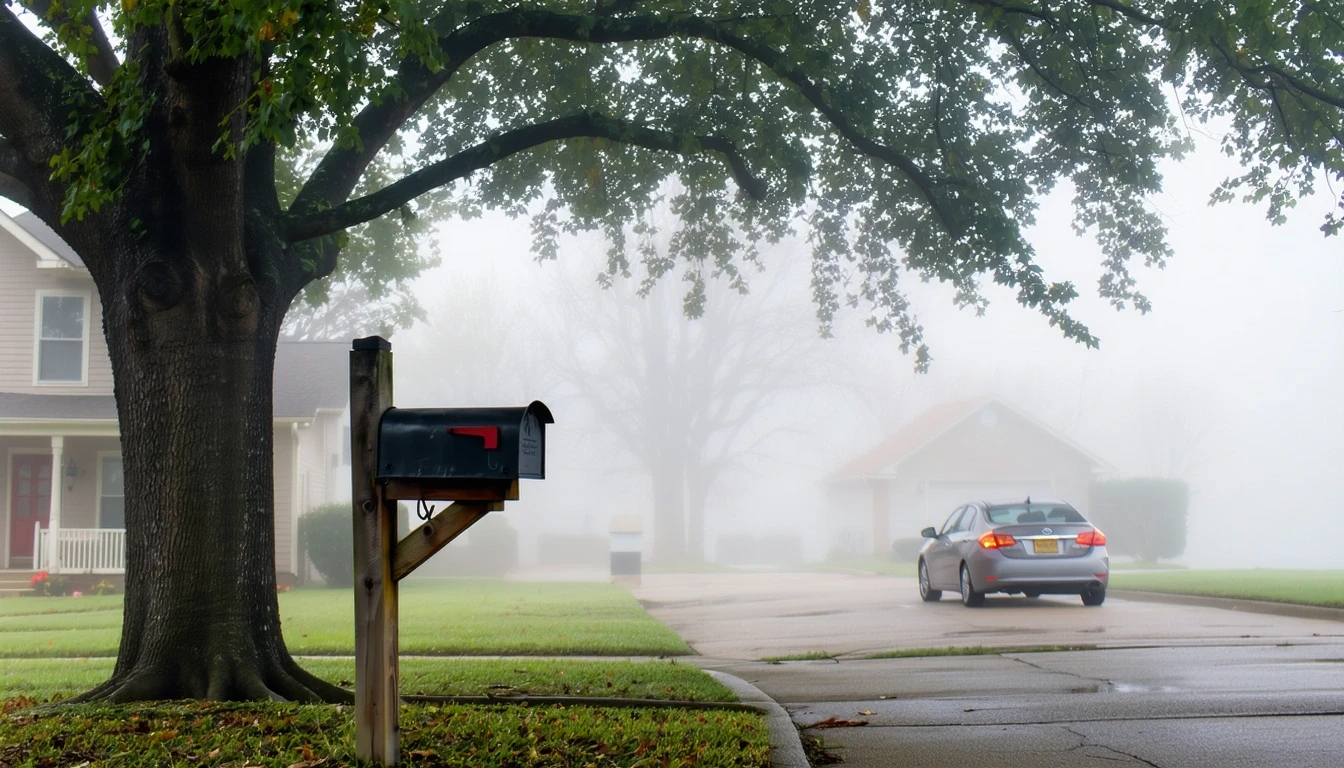
Flower Mound’s housing market is shaped by its role as a commuter suburb within the Dallas-Fort Worth metro, offering space, schools, and parks without the density or walkability of urban cores. Homes here are predominantly single-family, with neighborhoods designed around car access rather than transit or pedestrian networks. While the town includes walkable pockets with higher pedestrian-to-road ratios and mixed building heights in select areas, errands remain corridor-clustered—meaning grocery runs, dining, and services typically require driving to commercial strips rather than walking from your doorstep.
The median home value of $467,600 reflects demand for family-oriented suburban living, supported by strong school density and playground infrastructure that exceeds regional thresholds. Buyers are often dual-income professionals prioritizing yard space, low crime, and access to parks over urban convenience. This demand keeps inventory tight and prices elevated relative to more car-dependent exurbs farther from the metro core.
What newcomers often misunderstand is that Flower Mound’s housing costs don’t stop at the mortgage. Texas property taxes—among the highest in the nation—add substantial annual expense, and summer cooling bills driven by extended heat exposure can rival winter heating costs in colder climates. The town’s appeal is real, but the financial commitment extends well beyond the purchase price, and renters aren’t insulated from these pressures either.
—
Renting in Flower Mound
Renting in Flower Mound offers access to suburban amenities without the long-term capital commitment or maintenance burden of ownership. At a median gross rent of $2,039 per month, tenants pay for proximity to Dallas, quality schools, and family infrastructure, but they also absorb the landlord’s property tax and insurance costs indirectly. Rental inventory skews toward apartments and townhomes clustered along major corridors, with single-family rentals less common and typically priced at a premium.
Rental pressure in Flower Mound is tied to the broader Dallas metro housing market. When ownership becomes less accessible due to rising rates or tight inventory, rental demand increases, pushing rents upward during lease renewals. Renters gain predictability within a lease term but face exposure to market-driven increases annually. Unlike ownership, renting doesn’t build equity, and long-term tenants may find themselves paying more over five years than they would have in mortgage interest—without gaining any stake in the property.
For households testing the Dallas metro or uncertain about long-term plans, renting provides flexibility. But in a market where home values and rents both reflect strong demand, renters should expect limited leverage during renewals and plan for the possibility that staying in Flower Mound long-term may eventually require ownership to stabilize housing costs.
—
Owning a Home in Flower Mound
Owning a home in Flower Mound means taking on the full cost structure of suburban Texas living: mortgage, property taxes, insurance, utilities, and maintenance. The median home value of $467,600 represents the entry point, but the ongoing expenses—particularly property taxes—are where ownership diverges sharply from renting. Texas funds local services primarily through property taxes rather than state income tax, and Flower Mound’s strong schools and infrastructure come with corresponding tax bills that recur annually and tend to rise over time as property values appreciate or local budgets expand.
Homeowners also absorb the full cost of cooling during Flower Mound’s extended summer heat. With electricity priced at 16.04¢/kWh, air conditioning dominates household energy use from late spring through early fall. Older homes or those with poor insulation face higher exposure, and unlike renters, owners must fund efficiency upgrades, HVAC replacement, and weatherization out of pocket. These aren’t one-time costs—they’re recurring pressures that shape the ownership experience year after year.
Maintenance and upkeep add another layer. Roofs, foundations, and landscaping all require attention in a climate with intense heat and occasional severe weather. Homeowners in neighborhoods with homeowner associations may face additional monthly or annual fees, though HOA presence and cost vary widely across Flower Mound. The tradeoff is control: owners can renovate, landscape, and modify their property in ways renters cannot, and they build equity as the mortgage principal decreases and property values potentially appreciate.
Ownership in Flower Mound fits households with stable income, long-term plans, and the financial capacity to handle both predictable and unexpected expenses. It’s not a path to immediate savings—it’s a structure that trades short-term flexibility for long-term stability and wealth accumulation.
—
Apartment vs House in Flower Mound — Cost Behavior Comparison
| Expense Category | Apartment | House |
|---|---|---|
| Base Housing Cost | Median gross rent $2,039/month, includes some utilities and maintenance | Mortgage on $467,600 median home, plus property taxes, insurance, and HOA (if applicable) |
| Cooling Exposure | Shared walls and smaller square footage reduce cooling load; landlord may cover some utility costs | Full exposure to triple-digit summer heat; larger square footage and standalone structure increase cooling costs significantly |
| Maintenance Responsibility | Landlord covers structural repairs, HVAC replacement, and exterior upkeep | Owner funds all repairs, replacements, and preventive maintenance; costs unpredictable and recurring |
| Property Tax Exposure | Indirect; embedded in rent but not separately billed | Direct annual bill; rises with property value or local budget changes |
| Outdoor Space & Privacy | Limited or shared; balconies or small patios typical | Private yards common; space for pets, play, and landscaping |
Methodology note: This comparison reflects cost behavior differences driven by Flower Mound’s suburban housing stock, extended cooling season, and Texas property tax structure. Categories like utilities and insurance were omitted because their variation depends more on individual usage and coverage choices than on housing type. The table focuses on structural cost differences that apply broadly across the market, not household-specific scenarios.
—
Utilities & Upkeep Differences
Utility and maintenance costs in Flower Mound vary significantly between apartments and houses, driven primarily by square footage, building design, and exposure to the region’s intense summer heat. Apartments benefit from shared walls that reduce cooling load and smaller floor plans that require less energy to maintain comfortable temperatures. Many apartment complexes also include water, trash, or even electricity in the rent, shifting the volatility risk to the landlord rather than the tenant.
Houses, by contrast, face full exposure. Standalone structures with larger square footage, multiple stories, and aging HVAC systems can see cooling costs dominate monthly spending in Flower Mound from May through September. Homeowners with poor insulation, single-pane windows, or undersized air conditioning units face even higher bills. Unlike renters, owners must fund efficiency upgrades—programmable thermostats, attic insulation, or HVAC replacement—out of pocket, often with no immediate payoff beyond reduced exposure.
Maintenance differences extend beyond utilities. Apartment dwellers avoid costs like roof replacement, foundation repair, and exterior painting, all of which fall to the landlord. Homeowners absorb these expenses as they arise, and in a climate with heat stress and occasional severe weather, the frequency and cost of upkeep can be substantial. Landscaping, pest control, and gutter maintenance add recurring obligations that renters typically don’t face.
The upkeep gap is most noticeable over time. A renter’s monthly cost remains relatively stable within a lease term, while a homeowner’s expenses fluctuate with equipment failure, weather damage, and deferred maintenance coming due. This volatility is a defining feature of ownership in Flower Mound, where the housing stock and climate combine to create ongoing financial exposure that renting avoids.
—
Rent vs Buy: Long-Term Exposure in Flower Mound
The choice between renting and buying in Flower Mound isn’t primarily about monthly cost—it’s about which financial risks you’re willing to manage and how long you plan to stay. Renters face predictable costs within a lease term but no control over renewal increases or long-term stability. Owners face higher upfront costs and ongoing volatility but gain equity, tax benefits, and the ability to lock in a portion of their housing expense through a fixed-rate mortgage.
Over time, ownership shifts financial exposure from the landlord to the homeowner. Property taxes can rise as home values appreciate or local budgets expand. Insurance premiums may increase due to weather risk or market conditions. Maintenance costs accumulate as roofs age, HVAC systems fail, and foundations settle. These aren’t predictable line items—they’re structural features of ownership that require financial reserves and long-term planning.
Renters avoid this volatility but pay for it indirectly through rent that reflects the landlord’s cost structure. In a market like Flower Mound, where property taxes and cooling costs are significant, landlords price these risks into rent, and tenants absorb them without building equity. Over a decade, renters may pay more in total housing costs than owners, but they also retain flexibility to relocate without selling, avoid maintenance burdens, and sidestep the risk of property value declines.
Ownership makes sense for households with stable income, long-term plans, and the financial capacity to handle both predictable and unexpected expenses. Renting fits those prioritizing flexibility, testing the market, or unwilling to absorb the volatility that comes with suburban homeownership in Texas. Neither path is universally cheaper—they simply allocate risk and reward differently, and the right choice depends on how your household values control, equity, and predictability.
—
FAQs About Housing Costs in Flower Mound
What is the median home price in Flower Mound, TX?
The median home value in Flower Mound is $467,600. This reflects demand for suburban space, strong schools, and family infrastructure, but it also means ownership requires substantial capital and the ability to manage ongoing costs like property taxes, insurance, and maintenance.
How much does it cost to rent in Flower Mound?
Median gross rent in Flower Mound is $2,039 per month. This typically includes some utilities and maintenance, but renters should expect annual increases tied to the broader Dallas metro housing market and limited leverage during lease renewals.
Are property taxes high in Flower Mound, TX?
Texas property taxes are among the highest in the nation, and Flower Mound is no exception. While the exact rate isn’t provided here, homeowners should expect property taxes to represent a significant portion of annual housing costs, often rivaling or exceeding mortgage interest in the early years of ownership. These taxes fund local schools and infrastructure and tend to rise over time.
Is it cheaper to rent or buy in Flower Mound?
Neither path is universally cheaper—it depends on how long you stay and which risks you’re prepared to manage. Renting offers predictability and flexibility but builds no equity. Buying requires higher upfront costs and exposes you to property tax and maintenance volatility, but it locks in a portion of your housing cost and allows you to build wealth over time. Short-term residents often favor renting; long-term households with stable income typically benefit from ownership.
What drives utility costs in Flower Mound homes?
Cooling costs dominate utility bills in Flower Mound due to extended summer heat and triple-digit temperatures. Electricity is priced at 16.04¢/kWh, and homes with poor insulation, older HVAC systems, or large square footage face higher exposure. Homeowners can reduce costs through efficiency upgrades, but renters typically have limited control over building performance and must accept the energy profile of their unit.
—
Making Housing Choices in Flower Mound
Housing costs in Flower Mound are shaped by suburban infrastructure, Texas property tax structure, and climate exposure that drives cooling bills for much of the year. The town offers strong family amenities, integrated parks, and access to quality schools, but these benefits come with financial commitments that extend well beyond the purchase price or monthly rent. Ownership provides stability and equity but requires managing volatility in taxes, insurance, and maintenance. Renting offers flexibility and predictability within a lease term but limits long-term control and wealth accumulation.
The households that thrive in Flower Mound are those with stable income, long-term plans, and the financial capacity to absorb both predictable and unexpected expenses. Dual-income families, established professionals, and those prioritizing space and schools over urban density find strong alignment here. Entry-level earners, single-income households without savings, and those requiring walkable access to daily errands face steeper tradeoffs.
For more insight into how housing costs interact with other expenses, see the guide to cost of living in Flower Mound. If you’re planning a move, the best moving companies guide offers practical advice on logistics and cost management. Housing is the foundation of financial stability in Flower Mound—understanding its structure is the first step toward making a choice that fits your household’s needs and risk tolerance.
How this article was built: In addition to public economic data, this article incorporates location-based experiential signals derived from anonymized geographic patterns—such as access density, walkability, and land-use mix—to reflect how day-to-day living actually feels in Flower Mound, TX.