

Imagine two households earning the same gross monthly income, sitting down in early 2026 to compare their options. One opens a spreadsheet for Taylorsville: rent at $1,345 per month, a gallon of gas at $4.19, and a grocery store within walking distance of most neighborhoods. The other pulls up Lehi: rent at $1,681 per month, gas at $2.75 per gallon, and a FrontRunner station offering rail access to the broader Salt Lake City metro. Same income, same state, same regional price environment—but the pressure points land differently.
Taylorsville and Lehi sit within the same metro area, share similar weather patterns, and operate under the same state tax structure. Yet the cost experience diverges in ways that matter for day-to-day decisions. Taylorsville offers a lower housing entry barrier and broadly accessible grocery options, but higher fuel costs and bus-only transit. Lehi presents a steeper upfront housing cost, rail connectivity, and notably lower gas prices, but groceries and errands cluster along corridors rather than spreading evenly across neighborhoods. For households deciding between the two in 2026, the question isn’t which city costs less overall—it’s which cost structure aligns with how they actually live.
This comparison explains where expenses concentrate, how predictability and volatility differ, and which households feel each city’s tradeoffs most acutely. It does not calculate total cost of living or declare a winner. Instead, it clarifies the mechanics: what drives pressure in each place, and for whom those differences matter most.
Housing Costs
Housing establishes the baseline obligation in both cities, but the entry barrier and ongoing commitment differ substantially. Taylorsville’s median home value sits at $358,900, while Lehi’s reaches $500,100—a difference of $141,200 that translates directly into down payment requirements, mortgage principal, and property tax exposure for buyers. For renters, Taylorsville’s median gross rent of $1,345 per month compares to Lehi’s $1,681 per month, a $336 monthly gap that accumulates over lease terms and affects how much flexibility remains for other expenses.
The housing stock in each city shapes how these numbers play out in practice. Taylorsville’s mix includes older single-family homes and apartment complexes that serve a range of household sizes and budgets, with walkable pockets offering pedestrian access to daily needs. Lehi’s development skews newer, with more recent subdivisions and townhome communities that appeal to families seeking modern construction and rail transit proximity. The difference isn’t just price—it’s what that price buys in terms of space, age, and location within each city’s infrastructure.
For first-time buyers, Taylorsville’s lower median home value reduces the cash required to close and the monthly mortgage obligation, making ownership accessible to households with moderate savings. Lehi’s higher entry cost favors buyers with larger down payments or dual incomes, but delivers newer homes with lower near-term maintenance exposure and access to rail lines that reduce car dependency for some commutes. Renters face a similar tradeoff: Taylorsville offers lower monthly rent and broader access to grocery stores and errands on foot, while Lehi’s higher rent often comes with newer construction, attached garages, and proximity to FrontRunner stations.
| Housing Type | Taylorsville | Lehi |
|---|---|---|
| Median Home Value | $358,900 | $500,100 |
| Median Gross Rent | $1,345/month | $1,681/month |
Housing takeaway: Taylorsville fits households for whom housing entry cost is the primary constraint, particularly first-time buyers or renters managing tighter monthly budgets. Lehi fits households that can absorb a higher upfront cost in exchange for newer construction, rail access, and reduced fuel exposure. The decision hinges on whether the household prioritizes lower baseline obligation or infrastructure that reduces other costs over time.
Utilities and Energy Costs
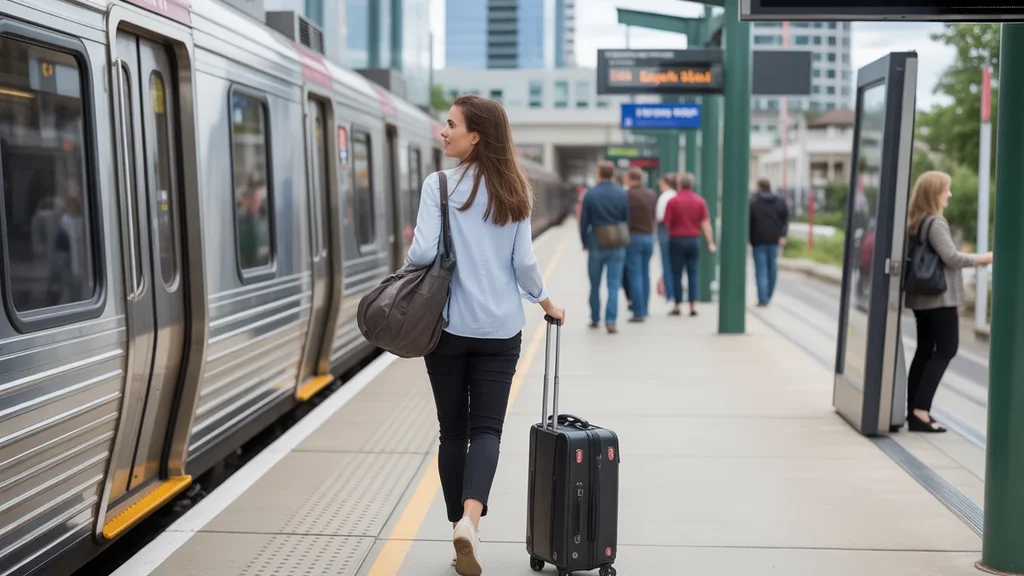
Utility costs in Taylorsville and Lehi operate within a narrow band—electricity rates differ by less than a fifth of a cent per kilowatt-hour (12.88¢ in Taylorsville, 13.07¢ in Lehi), and natural gas prices sit nearly identical ($11.28 per thousand cubic feet in Taylorsville, $11.40 in Lehi). The similarity reflects their shared position within Utah’s energy infrastructure and the same regional climate patterns: hot, dry summers that drive cooling demand, and cold winters that require heating. The real differences emerge not from rates, but from housing stock age, insulation quality, and household size.
Older homes in Taylorsville—common in neighborhoods developed before modern energy codes—tend to experience higher heating and cooling loads due to less effective insulation, single-pane windows, and aging HVAC systems. Families in larger single-family homes face compounding exposure: more square footage to condition, more occupants generating baseline usage, and older infrastructure that runs less efficiently. In Lehi, newer construction typically includes better insulation, dual-pane windows, and more efficient heating and cooling systems, which moderate seasonal swings even in larger homes. Apartments in both cities benefit from shared walls that reduce heating and cooling needs, though older Taylorsville complexes may still show higher usage than newer Lehi units.
Seasonality drives the volatility. Summer cooling dominates utility bills in both cities, with extended periods of triple-digit heat pushing air conditioning usage for weeks at a time. Winter heating introduces a second peak, though natural gas heating costs remain more predictable than electric cooling due to steadier usage patterns. Households in older Taylorsville homes may see sharper seasonal swings, while those in newer Lehi homes experience more moderate peaks. Renters in apartments face lower absolute exposure in both cities, but those in older buildings still feel the seasonal pressure more acutely.
Utility takeaway: Households in older, larger homes face greater utility volatility in Taylorsville due to housing stock age and insulation gaps. Lehi’s newer construction offers more predictable energy costs, particularly for families in single-family homes. Apartment dwellers in both cities experience lower baseline exposure, but Taylorsville renters in older complexes may still encounter higher seasonal bills. The primary driver isn’t the rate—it’s the building’s ability to retain conditioned air during summer heat and winter cold.
Groceries and Daily Expenses
Grocery costs in Taylorsville and Lehi reflect the same regional price environment—both cities fall within the Salt Lake City metro area and share a regional price parity index of 96, meaning prices track closely to national baselines adjusted for the region. The structural difference lies not in what items cost, but in how accessible those items are and how that accessibility shapes household spending patterns. Taylorsville’s broadly accessible grocery infrastructure means food and household goods sit within reach of most neighborhoods, reducing the friction of restocking staples and making it easier to avoid convenience markups. Lehi’s corridor-clustered grocery options concentrate along main roads, requiring more intentional trips and increasing the likelihood that households supplement with convenience store purchases or takeout when time is tight.
For single adults and couples, the difference shows up in how often small errands require a dedicated trip. In Taylorsville, picking up milk, bread, or a forgotten ingredient often means a short walk or a quick detour on the way home. In Lehi, the same errand may require driving to a corridor, navigating parking, and spending more time—or opting for a higher-priced convenience option closer to home. Families managing larger grocery volumes feel the tradeoff differently: Taylorsville’s distributed access reduces the need to batch all shopping into one weekly trip, while Lehi’s corridor clustering can actually work in favor of households that prefer big-box stores and bulk purchasing, as those options tend to anchor the corridors.
Dining out and convenience spending layer additional texture onto the grocery picture. Both cities offer a mix of chain restaurants and local spots, but Lehi’s newer development patterns tend to cluster dining options near shopping corridors and transit hubs, making them easy to access for households already driving those routes. Taylorsville’s more distributed layout means dining options appear in more neighborhoods, which can either reduce the friction of eating out or increase the temptation to do so more frequently. The cost pressure isn’t about menu prices—it’s about how often the household defaults to convenience because planning ahead feels harder.
Groceries takeaway: Taylorsville fits households that value distributed access and want to minimize the friction of daily errands, particularly those without predictable schedules or those managing frequent small trips. Lehi fits households comfortable with corridor-based shopping and those who benefit from clustering errands into fewer, more intentional trips. Families that prioritize bulk purchasing may find Lehi’s big-box concentration advantageous, while smaller households or those with variable routines may feel more flexibility in Taylorsville’s broadly accessible layout.
Taxes and Fees
Property taxes, sales taxes, and local fees operate under Utah’s statewide framework in both Taylorsville and Lehi, meaning the baseline structure remains consistent. Both cities levy property taxes that fund schools, public safety, and infrastructure, and both collect the same state sales tax on goods and services. The differences emerge in how property values translate into annual tax bills and in the prevalence of homeowner association fees that bundle services or impose additional obligations.
For homeowners, property tax exposure scales with home value. Lehi’s higher median home value of $500,100 generates a larger annual property tax bill than Taylorsville’s $358,900 median, even under identical millage rates. That difference compounds over time, particularly for households planning to stay several years, as property taxes represent a recurring obligation that doesn’t decline with mortgage payoff. Renters don’t pay property taxes directly, but landlords factor those costs into rent, meaning Lehi’s higher property tax burden likely contributes to its higher median gross rent of $1,681 per month compared to Taylorsville’s $1,345 per month.
Homeowner association fees appear more frequently in Lehi’s newer subdivisions and townhome communities, where they often cover landscaping, snow removal, and shared amenities like parks or trails. These fees add a predictable monthly cost that doesn’t fluctuate with usage, but they also reduce the household’s control over those expenses—there’s no option to skip landscaping or defer maintenance to save money in a given month. Taylorsville’s older neighborhoods include fewer HOA-governed communities, meaning homeowners retain more control over maintenance spending but also bear full responsibility for upkeep and seasonal services like snow removal.
Taxes and fees takeaway: Lehi’s higher home values generate greater property tax exposure for owners and contribute to higher rent for tenants. HOA fees in Lehi’s newer communities add predictability but reduce flexibility, while Taylorsville’s older neighborhoods offer more control over maintenance spending at the cost of less predictable seasonal expenses. Long-term homeowners in Lehi face sustained higher tax obligations, while Taylorsville’s lower property values moderate that recurring cost.
Transportation and Commute Reality
Transportation costs in Taylorsville and Lehi diverge sharply at the fuel pump and the transit stop. Taylorsville’s gas price sits at $4.19 per gallon, while Lehi’s drops to $2.75 per gallon—a difference of $1.44 per gallon that accumulates quickly for households driving daily. For a commuter covering typical distances, that gap translates into sustained higher fuel exposure in Taylorsville, particularly for households running multiple errands or managing longer drives. Lehi’s lower gas price reduces the per-mile cost of driving, making car dependency less expensive in absolute terms even as the household logs similar or greater distances.
Transit infrastructure introduces a second structural difference. Lehi offers rail service via FrontRunner, providing a car-free option for commuters heading to other parts of the Salt Lake City metro. The presence of rail reduces the household’s reliance on driving for work trips, particularly for those whose employers sit near other FrontRunner stops. Taylorsville operates bus-only transit, which serves local routes but lacks the speed and reach of rail for longer commutes. Households in Taylorsville that need to reach downtown Salt Lake City or other metro employment centers face a choice: drive and absorb higher fuel costs, or rely on bus connections that may add time and transfers.
Commute patterns in Lehi show an average of 21 minutes, with 28.8% of workers facing long commutes and just 3.4% working from home. The data suggests that most Lehi households drive, but the availability of rail and the lower gas price soften the cost impact of that car dependency. Taylorsville lacks comparable commute data in the available records, but the combination of higher gas prices and bus-only transit suggests that households driving for work feel more acute fuel cost pressure, while those relying on transit face longer trip times due to the absence of rail.
Transportation takeaway: Taylorsville’s higher gas prices create sustained fuel cost exposure for driving households, while bus-only transit limits car-free commute options. Lehi’s lower gas prices reduce per-mile driving costs, and rail service offers a viable alternative for metro commutes. Households that drive frequently or cover longer distances feel Taylorsville’s fuel premium more acutely, while those who can use rail or work from home benefit from Lehi’s infrastructure and lower pump prices.
Where Cost Pressure Concentrates
Housing dominates the cost experience in both cities, but the nature of that dominance differs. In Taylorsville, housing pressure shows up as a lower baseline obligation—both for renters paying $1,345 per month and for buyers entering at a $358,900 median home value. That lower entry point leaves more room in the monthly budget for other expenses, but it also means households absorb higher fuel costs and rely on bus-only transit. In Lehi, housing pressure front-loads: the $500,100 median home value and $1,681 median rent establish a higher baseline obligation that persists month after month, but the household gains access to rail transit, lower gas prices, and newer construction that moderates utility volatility.
Utilities introduce more volatility in Taylorsville, particularly for households in older homes where insulation gaps and aging HVAC systems amplify seasonal swings. Lehi’s newer housing stock dampens that volatility, making energy costs more predictable even as absolute rates remain nearly identical. The difference isn’t magnitude—it’s the household’s ability to anticipate and plan for seasonal peaks without facing sharp surprises.
Transportation patterns matter more in Taylorsville due to the combination of higher gas prices and limited transit alternatives. Households that drive daily feel the $4.19 per gallon price acutely, and those seeking car-free options face longer bus commutes. In Lehi, transportation pressure eases: lower gas prices reduce per-mile costs, and rail service provides a faster, more reliable alternative for metro commutes. The household still needs to manage transportation, but the cost and time friction decline.
Daily living and groceries shift the friction rather than the price. Taylorsville’s broadly accessible grocery infrastructure reduces the time and planning burden of restocking staples, making it easier to avoid convenience markups. Lehi’s corridor-clustered options require more intentional trips, which can increase convenience spending for households with unpredictable schedules but may benefit those who prefer batching errands and shopping at big-box stores.
The better choice depends on which costs dominate the household’s daily reality. Households sensitive to housing entry barriers and those who value distributed grocery access may prefer Taylorsville, accepting higher fuel costs and bus-only transit in exchange for lower baseline obligations. Households that can absorb higher housing costs and those who benefit from rail access or lower gas prices may find Lehi’s structure more aligned with their needs, particularly if they prioritize newer construction and reduced utility volatility. For many households, the difference is less about total price and more about predictability: which city’s cost structure matches how they actually move, shop, and manage day-to-day logistics.
How the Same Income Feels in Taylorsville vs Lehi
Single Adult
For a single adult, housing becomes the first non-negotiable cost, and the $336 monthly rent difference between Taylorsville and Lehi determines how much flexibility remains for discretionary spending. In Taylorsville, lower rent and broadly accessible groceries reduce the baseline obligation, but higher gas prices and bus-only transit increase the cost and time burden of commuting. In Lehi, higher rent absorbs more of the monthly budget upfront, but lower gas prices and rail access reduce transportation friction, and newer apartments often include amenities that eliminate separate gym or parking fees. Flexibility exists in Taylorsville if the household can minimize driving, but disappears quickly for those commuting daily by car. In Lehi, flexibility depends on whether the household can absorb the higher rent without stretching other categories.
Dual-Income Couple
For a dual-income couple, the non-negotiable costs expand to include two commutes, more frequent errands, and often a larger living space. Taylorsville’s lower housing entry point—whether renting or buying—frees up budget capacity, but the couple faces compounding fuel exposure if both partners drive, and bus-only transit may not serve both workplaces efficiently. Lehi’s higher housing cost tightens the baseline obligation, but rail access and lower gas prices reduce the per-person transportation burden, and corridor-clustered errands allow the couple to batch shopping trips and minimize convenience spending. Flexibility in Taylorsville hinges on whether one or both partners can reduce driving or work from home; in Lehi, it depends on whether the couple’s combined income can comfortably cover the higher rent or mortgage without sacrificing savings or discretionary spending.
Family with Kids
For a family with kids, non-negotiable costs multiply: larger housing, higher utility usage, more groceries, school-related expenses, and the logistical complexity of managing multiple schedules. Taylorsville’s lower housing entry cost provides more breathing room for families managing tight budgets, and broadly accessible groceries reduce the time cost of frequent restocking trips. However, older homes increase utility volatility, higher gas prices compound the cost of school drop-offs and activity shuttles, and bus-only transit limits car-free options for older children. Lehi’s higher housing cost strains the baseline budget, but newer homes moderate utility bills, lower gas prices reduce the per-mile cost of family logistics, and rail access offers a car-free option for older kids traveling independently. Flexibility in Taylorsville exists if the family can absorb fuel costs and manage utility swings; in Lehi, it depends on whether the family’s income can sustain the higher housing obligation while still covering the expanded needs of multiple dependents.
Decision Matrix: Which City Fits Which Household?
| Decision Factor | If You’re Sensitive to This… | Taylorsville Tends to Fit When… | Lehi Tends to Fit When… |
|---|---|---|---|
| Housing entry + space needs | Down payment size, monthly baseline obligation, and ability to enter ownership or secure rental | Lower entry cost is the primary constraint and household can accept older housing stock | Household can absorb higher upfront cost in exchange for newer construction and rail proximity |
| Transportation dependence + commute friction | Fuel cost exposure, transit alternatives, and time spent commuting | Household can minimize driving or accept bus-only transit despite higher gas prices | Household drives frequently and benefits from lower gas prices or can use rail for metro commutes |
| Utility variability + home size exposure | Seasonal bill swings, insulation quality, and predictability of energy costs | Household can manage seasonal volatility or rents an apartment with lower baseline exposure | Household prioritizes predictable utility costs and benefits from newer home insulation and efficiency |
| Grocery strategy + convenience spending creep | Frequency of small errands, access to staples, and temptation to substitute convenience purchases | Household values distributed access and wants to minimize friction of daily restocking trips | Household prefers corridor-based shopping and can batch errands or benefits from big-box concentration |
| Fees + friction costs (HOA, services, upkeep) | Predictability vs control over maintenance spending and bundled service obligations | Household wants control over maintenance timing and spending and can manage seasonal upkeep independently | Household values predictable HOA-bundled services and prefers reduced responsibility for landscaping and snow removal |
| Time budget (schedule flexibility, errands, logistics) | How much time household can dedicate to planning, driving, and managing daily logistics | Household has flexible schedule and can navigate distributed errands and bus connections efficiently | Household benefits from clustering errands along corridors and values rail speed for reducing commute time |
Lifestyle Fit
Taylorsville and Lehi both offer access to outdoor recreation, family amenities, and the broader Salt Lake City metro, but the texture of daily life differs in ways that indirectly affect cost exposure. Taylorsville’s walkable pockets and broadly accessible grocery infrastructure mean households can accomplish more errands on foot or with shorter drives, reducing the frequency of car trips and the associated fuel costs. Parks and water features integrate into neighborhoods, and the mixed building heights and land use create a more varied streetscape. Lehi’s rail access via FrontRunner opens up car-free commuting to downtown Salt Lake City and other metro employment centers, reducing transportation costs for households that can use it. The city’s notable cycling infrastructure supports bike commuting or recreational riding, and its newer development patterns cluster amenities along corridors, making it easier to batch errands but requiring more intentional planning.
Both cities offer moderate park density and family infrastructure, with schools and playgrounds present but not uniformly distributed. Taylorsville’s older neighborhoods include a mix of single-family homes and apartments, with some areas showing more pedestrian-friendly design than others. Lehi’s newer subdivisions favor single-family homes and townhomes, often with HOA-managed common areas that reduce individual maintenance burdens but add monthly fees. For families, Lehi’s newer construction and rail access may justify the higher housing cost if the household values reduced utility volatility and car-free commute options. For singles or couples prioritizing lower baseline costs and walkable errands, Taylorsville’s distributed access and lower rent may better align with daily routines.
Healthcare access in both cities centers on clinics and pharmacies rather than hospitals, meaning households needing routine care can find it locally, but those requiring emergency or specialized services will travel to larger facilities in the metro. The absence of a hospital in either city doesn’t create a cost difference, but it does mean that location within the metro and proximity to major medical centers may influence where households choose to live. Taylorsville’s unemployment rate sits at 3.2%, while Lehi’s reaches 3.3%—both reflecting a tight labor market with limited difference in job availability. Lehi’s average commute time of 21 minutes suggests that most workers drive, but the presence of rail offers an alternative that Taylorsville’s bus-only system cannot match for speed or metro reach.
Frequently Asked Questions
Is Taylorsville or Lehi better for renters trying to keep monthly costs predictable in 2026?
Taylorsville offers lower median rent at $1,345 per month compared to Lehi’s $1,681 per month, which reduces the baseline housing obligation and leaves more room for other expenses. However, renters in Taylorsville face higher gas prices at $4.19 per gallon and bus-only transit, which increases transportation costs for those commuting by car. Lehi’s higher rent comes with access to rail transit via FrontRunner and lower gas prices at $2.75 per gallon, which can offset the rent difference for renters who drive frequently or can use rail for their commute. Predictability depends on whether the renter prioritizes lower housing costs or reduced transportation friction.
How do grocery and errand costs differ between Taylorsville and Lehi in 2026?
Grocery prices in Taylorsville and Lehi track closely due to their shared regional price environment, but access patterns differ. Taylorsville’s broadly accessible grocery infrastructure means food and household goods sit within reach of most neighborhoods, reducing the need for dedicated trips and lowering the temptation to rely on convenience stores or takeout. Lehi’s corridor-clustered grocery options require more intentional trips, which can increase convenience spending for households with unpredictable schedules but may benefit those who prefer batching errands and shopping at big-box stores. The cost difference emerges from how access shapes behavior, not from price differences on the shelf.
Which city has lower transportation costs for a household that drives daily in 2026?
Lehi’s gas price of $2.75 per gallon creates lower per-mile driving costs compared to Taylorsville’s $4.19 per gallon, making Lehi more favorable for households that drive daily. The $1.44 per gallon difference accumulates quickly for commuters or those running frequent errands. Taylorsville’s higher gas prices increase fuel exposure, particularly for households without access to reliable transit alternatives. Lehi also offers rail service via FrontRunner, which provides a car-free option for metro commutes, further reducing transportation costs for households that can use it.
Do utility bills vary significantly between Taylorsville and Lehi in 2026?
Electricity and natural gas rates in Taylorsville and Lehi differ minimally—less than a fifth of a cent per kilowatt-hour for electricity and just 12 cents per thousand cubic feet for natural gas. The real difference in utility costs comes from housing stock age and insulation quality. Taylorsville’s older homes tend to experience higher heating and cooling loads due to less effective insulation and aging HVAC systems, leading to greater seasonal volatility. Lehi’s newer construction typically includes better insulation and more efficient systems, which moderate utility bills even in larger homes. Households in older Taylorsville homes face sharper seasonal swings, while those in newer Lehi homes enjoy more predictable energy costs.
How does the housing entry barrier differ between Taylorsville and Lehi for first-time buyers in 2026?
Taylorsville’s median home value of $358,900 requires a smaller down payment and generates a lower monthly mortgage obligation compared to Lehi’s $500,100 median home value, which demands $141