
You’re standing at a bus stop on a Tuesday morning in Taylorsville, backpack slung over one shoulder, watching a sedan roll past at a measured pace. The bench is shaded, the sidewalk clean, and the bus is due in a few minutes. For some residents, this is a workable routine—predictable, low-cost, and aligned with a straightforward commute. For others, it’s a compromise that only covers part of the week’s mobility needs. Understanding transportation options in Taylorsville means recognizing that while public transit exists and certain neighborhoods support walking, most households still depend on a car to navigate daily life. The question isn’t whether you can use transit here—it’s whether transit can realistically cover the trips you need to make, and what happens when it can’t.
Taylorsville sits within the Salt Lake City metro area, a region where suburban density and car-oriented infrastructure shape how people move. The city has walkable pockets with pedestrian infrastructure that exceeds typical suburban ratios, and food and grocery options are broadly accessible, meaning many errands can be completed without long drives. But that accessibility doesn’t eliminate the need for a vehicle. Public transit is present—bus service operates throughout the area—but it’s not comprehensive. Coverage is strongest along main corridors, and service frequency, span, and route density fall short of what would allow most residents to go car-free. The result is a transportation landscape where transit works well for specific trips and specific people, but where car ownership remains the default for flexibility, speed, and reach.
How People Get Around Taylorsville
Most people in Taylorsville drive. That’s the baseline reality, shaped by the city’s layout, the spacing of destinations, and the structure of the regional road network. But within that car-first framework, there’s variation. Some residents use transit occasionally—for commutes to downtown Salt Lake City, for errands along bus routes, or to avoid parking hassles in denser areas. Others walk frequently within their own neighborhoods, especially in pockets where sidewalks, crosswalks, and nearby retail make short trips practical. A smaller share bikes, particularly in areas where cycling infrastructure is present, though bike-to-road ratios remain moderate and cycling is more recreational than utilitarian for most households.
What newcomers often misunderstand is that Taylorsville’s walkability and transit presence don’t translate into car-free viability for the majority of residents. The city’s pedestrian-to-road ratio is high in certain areas, and parks, schools, and grocery stores are well-distributed. But those assets support convenience and reduce trip frequency—they don’t replace the car. If your job is outside a bus corridor, if you need to make multiple stops in a day, or if you have children with activities across town, driving becomes non-negotiable. The infrastructure supports walking and occasional transit use, but it doesn’t remove the structural need for a vehicle.
Public Transit Availability in Taylorsville
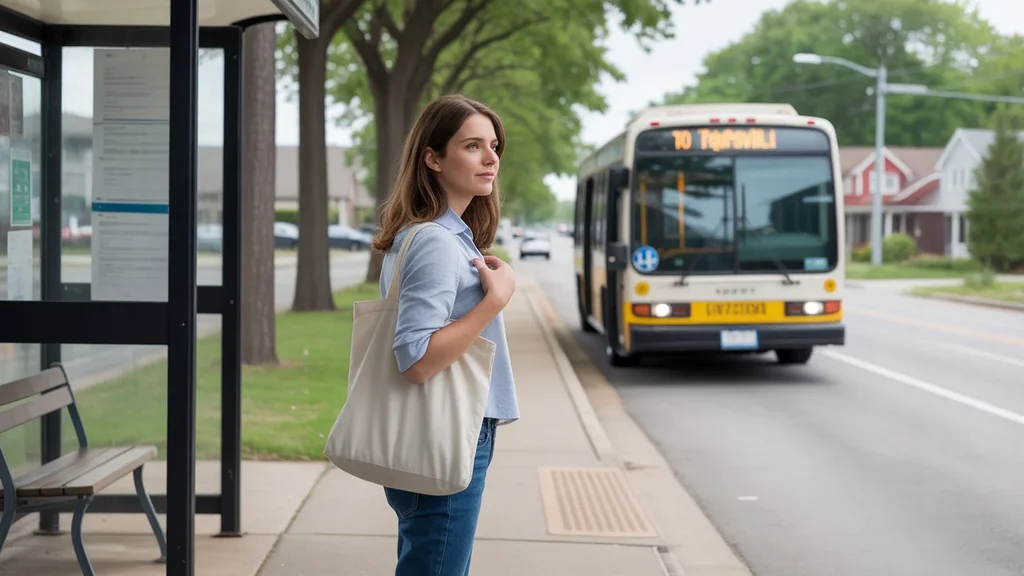
Public transit in Taylorsville often centers around systems such as the Utah Transit Authority (UTA), which operates bus routes connecting the city to Salt Lake City and neighboring communities. Bus stops are present throughout Taylorsville, and service is most reliable along major corridors where ridership and development density justify frequent stops. For residents living near these routes, transit can be a practical option for commuting to downtown employment centers or accessing regional destinations without the cost and hassle of parking.
But transit’s role is limited. Coverage thins out in peripheral neighborhoods, and evening and weekend service is less frequent, which constrains its usefulness for non-traditional work schedules or spontaneous trips. There’s no rail service within Taylorsville itself, so transit users rely entirely on buses, which are subject to traffic, weather, and route timing. For someone commuting to a single destination five days a week along a well-served route, transit can work. For someone juggling errands, childcare, and variable hours, it often doesn’t.
The city’s mixed-use land development—both residential and commercial land use types are present—means that some transit stops are near grocery stores, clinics, and schools, which improves the practicality of bus use for daily errands. But that proximity is inconsistent. In some areas, a bus stop might be a short walk from your front door and a block from a supermarket. In others, it’s a half-mile walk with no sidewalk continuity, and the nearest grocery store requires a transfer or a drive. Transit availability in Taylorsville is real, but it’s not uniform, and it doesn’t cover the full range of trips most households need to make.
Driving & Car Dependence Reality
Driving in Taylorsville is straightforward. Roads are wide, traffic is generally manageable, and parking is abundant at most destinations. The city’s layout favors car travel: residential streets connect to arterials, arterials connect to highways, and most commercial development includes surface parking. For families, this structure offers flexibility—you can chain errands, adjust routes on the fly, and accommodate multiple passengers without coordinating schedules or transfers.
But car dependence comes with exposure. Gas prices in the area run higher than the national average, and while the city’s relatively compact errands accessibility reduces the number of trips, it doesn’t eliminate the need to drive regularly. Maintenance, insurance, registration, and depreciation are fixed costs that don’t scale down just because some weeks require fewer miles. And for households with multiple drivers or multiple vehicles, those costs multiply.
The tradeoff is control. A car lets you leave when you want, stop where you need to, and avoid the constraints of fixed routes and schedules. In a city where transit doesn’t reach everywhere and where daily life often involves dispersed destinations—work in one direction, school in another, grocery shopping in a third—that control is worth the cost for most residents. The question isn’t whether driving is expensive; it’s whether the alternatives can realistically replace it.
Commuting Patterns & Daily Mobility
Commuting in Taylorsville varies by job location, household structure, and schedule flexibility. For residents working in downtown Salt Lake City or along major transit corridors, a bus commute is feasible, especially if work hours align with peak service times. For those working in suburban office parks, industrial areas, or locations without direct transit access, driving is the only practical option.
Daily mobility extends beyond the commute. Parents drop off kids, pick up groceries, attend appointments, and manage errands that don’t follow a linear path. Even in neighborhoods with strong errands accessibility—where food and grocery density is high—those trips often require a car because they’re time-sensitive, involve carrying bulk items, or need to be combined with other stops. Transit works best for single-destination, predictable trips. It struggles with the multi-stop, variable-timing reality of household logistics.
Proximity matters. Residents living near bus routes and within walking distance of schools, parks, and retail have more flexibility to reduce car trips. Those in peripheral areas or in neighborhoods where pedestrian infrastructure is sparse face longer drives and fewer alternatives. The city’s walkable pockets and moderate building density create variation in how much driving is required, but they don’t eliminate it.
Who Transit Works For — and Who It Doesn’t
Transit in Taylorsville works best for individuals or couples without children, living near bus corridors, commuting to a single destination with regular hours. If your job is downtown, your schedule is consistent, and your errands are concentrated near home or along your route, bus service can cover most of your needs. Add a bike or a willingness to walk, and you might reduce car trips significantly—though most transit users in Taylorsville still own a vehicle for trips that buses don’t serve.
Transit works less well for families, especially those with school-age children or multiple activity schedules. School start times, after-school programs, and weekend sports don’t align neatly with bus routes or frequencies. Grocery shopping with young kids, transporting sports equipment, or managing medical appointments across town all push households toward car dependence, even in areas with decent transit access.
It also works less well for anyone whose job requires flexibility, irregular hours, or travel to multiple sites. If you’re on call, if you work evenings or weekends, or if your job involves moving between locations during the day, transit’s limited span and fixed routes become a barrier rather than a solution. The city’s bus service provides a baseline, but it’s not a substitute for the mobility that a car provides in a region where destinations are spread out and schedules are variable.
Transportation Tradeoffs in Taylorsville
The core tradeoff in Taylorsville is between the predictability and lower cost of transit and the flexibility and coverage of driving. Transit offers a way to avoid parking costs, reduce fuel spending, and limit wear on a vehicle. It’s most valuable when your routine is stable, your destinations are aligned with bus routes, and your tolerance for longer trip times is high. But it requires planning, limits spontaneity, and doesn’t cover the full range of trips most households make.
Driving offers control, speed, and reach. It lets you respond to last-minute changes, accommodate passengers, and access destinations that transit doesn’t serve. But it comes with fixed costs that don’t disappear during low-mileage weeks, and it ties household budgets to fuel prices, maintenance schedules, and vehicle depreciation.
For many Taylorsville residents, the practical answer is a hybrid approach: own a car, use transit when it’s convenient, walk for nearby errands, and drive when time, distance, or logistics require it. The city’s infrastructure supports that mix better than it supports going entirely car-free, and the cost structure reflects the reality that most households budget for vehicle ownership even if they don’t use it every day.
FAQs About Transportation in Taylorsville (2026)
Is public transit usable for daily commuting in Taylorsville?
Yes, if your commute aligns with bus routes and your work hours match service times. Bus service connects Taylorsville to Salt Lake City and nearby areas, and for residents near major corridors, transit can be a reliable option for getting to work. But coverage is limited outside peak hours, and routes don’t serve all employment centers, so most commuters still rely on cars for flexibility and reach.
Do most people in Taylorsville rely on a car?
Yes. While transit exists and some neighborhoods support walking, the majority of residents depend on a car for daily life. The city’s layout, the spacing of destinations, and the limitations of bus service mean that car ownership remains the default for most households, even those who use transit occasionally.
Which areas of Taylorsville are easiest to live in without a car?
Neighborhoods near bus corridors with strong pedestrian infrastructure and nearby grocery stores, schools, and parks offer the best chance of reducing car dependence. Areas with high errands accessibility and walkable pockets make it easier to handle daily needs on foot or by bus, though most residents in these areas still own a vehicle for trips that transit doesn’t cover.
How does commuting in Taylorsville compare to nearby cities?
Taylorsville’s commuting reality is similar to other Salt Lake City suburbs: car-first infrastructure with baseline transit access. Compared to downtown Salt Lake City, transit options are more limited and driving is more necessary. Compared to more rural or exurban areas, Taylorsville offers better bus service and more walkable pockets, but it’s still a car-dependent environment for most residents.
How Transportation Fits Into the Cost of Living in Taylorsville
Transportation isn’t just a line item—it’s a structural factor that shapes where you can live, how you spend your time, and what kind of flexibility you have in daily life. In Taylorsville, the combination of car dependence and moderate transit access means that most households budget for vehicle ownership, fuel, and maintenance, even if they occasionally use buses or walk for errands. The city’s walkable pockets and strong errands accessibility reduce the frequency of car trips, but they don’t eliminate the need for a vehicle.
For a fuller picture of how transportation costs interact with housing, utilities, and other expenses, see A Month of Expenses in Taylorsville: What It Feels Like, which breaks down the broader financial landscape and explains how mobility choices affect household budgets.
The key is to match your transportation needs to the infrastructure that’s actually available. If your life fits within bus routes and walkable distances, you can reduce costs and simplify logistics. If it doesn’t, plan for car ownership and the expenses that come with it. Taylorsville offers options, but it doesn’t offer the kind of transit coverage that lets most households go car-free. Understand that reality early, and you’ll make better decisions about where to live, how to commute, and what kind of mobility investment makes sense for your household.
How this article was built: In addition to public economic data, this article incorporates location-based experiential signals derived from anonymized geographic patterns—such as access density, walkability, and land-use mix—to reflect how day-to-day living actually feels in Taylorsville, UT.