
Buying a home in Taylorsville means confronting costs that don’t appear in the listing price. The median home value sits at $358,900, but ownership here involves layers of expense that renters avoid entirely: property taxes that adjust with assessed value, maintenance tied to Utah’s cold winters and temperature swings, insurance shaped by local risk profiles, and the ongoing cost of utilities in a climate that demands both heating and cooling. These aren’t surprises—they’re structural features of owning in a Salt Lake City suburb where housing stock ranges from older single-family homes to newer mixed-height developments.
Taylorsville’s housing market reflects its role as an accessible, established suburb with strong errands infrastructure and integrated park access. The median gross rent is $1,345 per month, positioning rental costs below what many buyers face in monthly ownership outlays once taxes, insurance, and upkeep are included. But rent and ownership aren’t interchangeable—they represent different exposures to volatility, control, and long-term cost behavior. Understanding how these costs layer together, and which ones intensify or stabilize over time, determines whether Taylorsville’s housing market fits your financial structure.
This article breaks down the hidden costs of homeownership in Taylorsville, explains how renting and owning differ in exposure and predictability, and clarifies which households gain leverage from ownership versus those who benefit from rental flexibility. The goal isn’t to tell you what you can afford—it’s to show you how housing costs actually behave here, so you can decide which structure fits your situation.
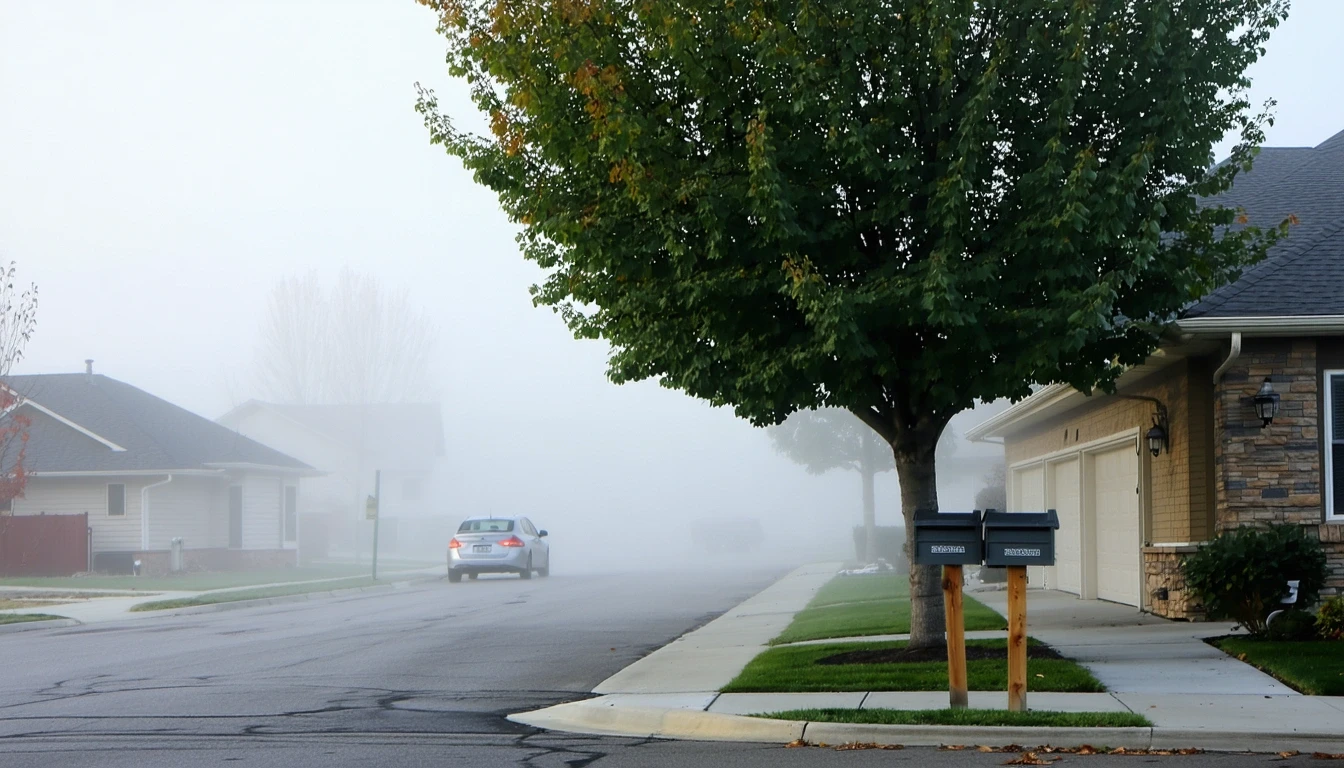
The Housing Market in Taylorsville Today
Taylorsville operates as a mature suburb within the Salt Lake City metro, characterized by accessible errands infrastructure, broadly distributed food and grocery options, and integrated green space that exceeds typical suburban density thresholds. The city’s pedestrian-to-road ratio reaches high levels in certain pockets, creating walkable zones within an otherwise car-oriented layout. This isn’t a uniform grid—it’s a suburb with localized texture, where some blocks support daily errands on foot while others require driving for nearly everything.
The $358,900 median home value reflects Taylorsville’s position as an established, non-luxury market with varied housing stock. You’ll find older single-family homes alongside mixed-height developments, a pattern confirmed by the city’s medium-range average building levels. This variation means ownership costs aren’t uniform: older homes may carry deferred maintenance or aging systems, while newer builds may include HOA obligations or stricter covenants. The regional price parity index of 96 signals that Taylorsville’s overall cost structure sits modestly below the national baseline, but that advantage doesn’t eliminate the layered expenses of ownership—it just shifts the threshold at which they become burdensome.
What newcomers often misunderstand is that Taylorsville’s accessibility and park integration don’t reduce ownership complexity. The city’s bus service, clinic presence, and high grocery density make day-to-day logistics manageable, but homeownership here still means navigating property tax cycles, utility seasonality tied to cold winters, and maintenance driven by temperature swings that stress roofs, HVAC systems, and exterior finishes. The market rewards buyers who can absorb these costs without monthly strain, and penalizes those who treat the purchase price as the primary decision variable.
Renting in Taylorsville
At $1,345 per month, Taylorsville’s median gross rent positions renters in a market where housing pressure exists but hasn’t reached the intensity seen in Salt Lake City’s core or more constrained suburban nodes. Rental availability varies by proximity to errands corridors and transit access—units near bus routes and grocery clusters tend to lease faster and command steadier pricing, while properties in less-connected pockets may offer more negotiating room or longer vacancy windows.
Renters in Taylorsville gain access to the city’s strong errands infrastructure without the exposure to property tax adjustments, maintenance volatility, or long-term system replacements. The city’s broadly accessible food and grocery density means most renters can handle daily errands without long drives, and the integrated park network provides outdoor access that doesn’t require a yard. For households prioritizing mobility—whether job-related, family-driven, or exploratory—renting here preserves flexibility while still delivering suburban amenities and reasonable proximity to Salt Lake City employment centers.
The rental experience in Taylorsville hinges on building type and location within the city’s mixed urban form. Apartments in denser, walkable pockets often include some utilities or shared maintenance, reducing monthly variability. Single-family rentals, more common in lower-density zones, typically shift utility and sometimes yard responsibilities to tenants, creating seasonal cost swings tied to heating and cooling. Renters should expect landlords to pass through property tax increases over time, but the timing and magnitude remain less predictable than the direct exposure owners face. The key advantage isn’t lower cost—it’s insulation from the compounding, non-negotiable expenses that define ownership.
Owning a Home in Taylorsville
Ownership in Taylorsville begins with the $358,900 median home value, but that figure represents only the acquisition threshold. Property taxes, insurance, maintenance, and utilities layer on top, each responding to different drivers and escalating on different schedules. Property taxes adjust with assessed value, meaning ownership costs rise even when your household income or usage patterns don’t. Insurance premiums reflect local risk profiles, including weather exposure and claims history, and can shift year to year without direct correlation to your home’s condition.
Maintenance in Taylorsville is shaped by Utah’s climate: cold winters that stress heating systems, occasional temperature swings that expand and contract building materials, and dry conditions that affect landscaping and exterior finishes. Older homes in the city’s established neighborhoods may require HVAC replacements, roof repairs, or plumbing updates on timelines that don’t align with financial convenience. Newer builds reduce some of this exposure initially, but often introduce HOA fees, stricter architectural controls, and shared infrastructure costs that persist regardless of individual usage.
Utility exposure for owners is direct and non-negotiable. At 12.88¢/kWh for electricity and $11.28/MCF for natural gas, Taylorsville’s rates sit within regional norms, but consumption varies widely by home size, insulation quality, and system efficiency. Heating dominates winter bills, while summer cooling remains moderate compared to hotter climates. Owners control efficiency investments—programmable thermostats, insulation upgrades, window replacements—but those decisions require upfront capital and yield savings over years, not months.
The ownership experience in Taylorsville differs from renting in one critical dimension: control over long-term cost behavior comes at the price of absorbing short-term volatility. Owners can lock in mortgage payments, but they can’t lock in taxes, insurance, or the timing of major repairs. The city’s integrated parks and accessible errands infrastructure don’t reduce these costs—they make the ownership burden more tolerable by reducing the need for a large lot or proximity to commercial centers. Families prioritizing space, stability, and long-term equity accumulation fit Taylorsville’s ownership model well, especially if their income can absorb the layered, non-mortgage expenses without monthly strain.
Apartment vs House in Taylorsville — Cost Behavior Comparison
| Expense Category | Apartment | House |
|---|---|---|
| Heating exposure | Lower total usage due to smaller footprint and shared walls; often included or billed separately at lower volume | Higher consumption in cold months due to larger square footage and standalone structure; owner pays full cost of system inefficiencies |
| Maintenance responsibility | Landlord or property management handles HVAC, roof, exterior; tenant exposure limited to interior damage | Owner absorbs all system replacements, roof repairs, and exterior upkeep; timing driven by age and weather stress, not budget cycles |
| Property tax exposure | Indirect; landlord may pass through increases via rent adjustments, but timing and magnitude are negotiated or delayed | Direct and non-negotiable; assessed value changes trigger annual adjustments regardless of income or usage |
| Outdoor space cost | Access to parks and shared amenities without yard maintenance or landscaping expense; Taylorsville’s integrated park density reduces need for private green space | Yard maintenance, irrigation, and landscaping required; dry climate and temperature swings increase upkeep frequency and cost |
| Mobility and exit flexibility | Lease terms allow exit within months; no transaction costs or market timing risk | Selling requires market conditions, transaction fees, and time; ownership locks in location and cost structure for years |
Methodology note: The differences shown reflect Taylorsville’s cold-winter climate, mixed housing stock, and integrated park access. Categories like water/sewer and trash were excluded because cost behavior doesn’t vary meaningfully by housing type in this market—most providers bill similarly regardless of structure. The table isolates expenses where apartments and houses diverge due to local conditions, not universal housing differences.
Utilities & Upkeep Differences
Utility exposure in Taylorsville is driven primarily by heating demand during cold months, when natural gas consumption rises and electricity usage supports furnace operation and lighting during shorter days. At 12.88¢/kWh and $11.28/MCF, rates don’t fluctuate wildly, but consumption does—older homes with poor insulation or aging HVAC systems can see winter bills climb substantially, while newer, tighter builds moderate usage even in extended cold stretches. Summer cooling costs remain noticeable but less dominant than in desert or high-humidity climates, meaning annual utility exposure leans heavily toward winter months.
Apartment dwellers in Taylorsville benefit from smaller conditioned spaces and shared-wall insulation, which reduces heating loads and smooths monthly variability. Many apartment complexes include water, sewer, or trash in rent, further limiting utility volatility. Single-family homeowners, by contrast, pay for every square foot of heated space, absorb the full cost of system inefficiencies, and face seasonal swings that can double or triple baseline bills. The difference isn’t just size—it’s structural exposure to weather and the age of the systems doing the work.
Maintenance in Taylorsville’s housing stock is shaped by temperature swings that stress roofs, siding, and HVAC components. Older homes in established neighborhoods may require furnace replacements, water heater upgrades, or roof repairs on timelines that don’t align with financial planning. Exterior paint and trim degrade faster in dry, variable climates, and landscaping requires irrigation management that adds both water costs and labor. Apartment renters avoid these entirely—landlords absorb the timing risk and capital outlay, while tenants pay only for interior damage or negligence.
The upkeep difference between renting and owning in Taylorsville isn’t marginal—it’s categorical. Renters trade higher monthly payments for insulation from major system failures and weather-driven repairs. Owners trade lower monthly housing costs (in some cases) for direct exposure to every component that wears out, breaks, or underperforms. The city’s integrated parks and accessible errands infrastructure don’t reduce this burden, but they do reduce the need for large lots or proximity to commercial centers, which can lower the total maintenance footprint for buyers who choose smaller homes in connected neighborhoods.
Rent vs Buy: Long-Term Exposure in Taylorsville
Renting in Taylorsville offers predictability within lease terms and flexibility across years. Monthly costs remain stable for 12 months at a time, and while renewals may bring increases, tenants can negotiate, move, or adjust housing size without transaction costs or market timing risk. Renters avoid property tax cycles, insurance premium adjustments, and the compounding cost of deferred maintenance. The tradeoff is lack of control: landlords set terms, renewal timing, and property management standards, and rent payments build no equity or ownership stake.
Owning in Taylorsville shifts the exposure profile entirely. Mortgage payments (if financed) remain fixed for the loan term, but property taxes, insurance, and maintenance costs rise over time, driven by assessed value changes, risk recalibrations, and the aging of systems and materials. Owners gain control over improvements, modifications, and long-term cost management, but they absorb every dollar of volatility that renters avoid. The equity-building potential of ownership depends on market appreciation, which isn’t guaranteed and doesn’t offset the cash outflows required to maintain the asset.
Over time, ownership in Taylorsville rewards households with stable income, low debt, and the capacity to absorb irregular expenses without financial strain. The $358,900 median home value positions buyers in a market where appreciation potential exists, but the real advantage of ownership isn’t price growth—it’s the ability to lock in housing location, control cost behavior through efficiency investments, and eliminate the risk of lease non-renewal or rent escalation. Renters, by contrast, preserve mobility and avoid the risk of market downturns, major repairs, or property tax spikes that can destabilize monthly budgets.
The decision isn’t about which costs less—it’s about which risk profile fits your household structure. Taylorsville’s accessible errands infrastructure, integrated parks, and bus service make both renting and owning viable, but they don’t eliminate the fundamental difference: renters pay for flexibility and insulation from ownership volatility, while owners pay for control and long-term stability at the cost of absorbing every layer of expense that comes with maintaining a physical asset in a variable climate.
FAQs About Housing Costs in Taylorsville
What drives the difference between rent and ownership costs in Taylorsville?
Rent in Taylorsville includes housing access and limited exposure to maintenance, taxes, or insurance volatility. Ownership costs layer property taxes, insurance, utilities, and maintenance on top of mortgage or equity outlays, each escalating on different schedules. The $1,345 median rent reflects a monthly ceiling with predictable terms, while the $358,900 median home value represents only the acquisition threshold—ongoing costs add substantially to the total ownership burden.
How does Taylorsville’s climate affect housing costs?
Cold winters in Taylorsville drive heating costs higher during extended stretches, particularly in older homes with poor insulation or aging furnaces. Temperature swings stress roofs, siding, and HVAC systems, accelerating maintenance cycles and increasing repair frequency. Summer cooling costs remain moderate, meaning annual utility exposure leans heavily toward winter months. Renters in apartments benefit from smaller spaces and shared-wall insulation, while single-family homeowners absorb the full cost of heating larger, standalone structures.
Are there hidden costs in Taylorsville homeownership beyond the mortgage?
Yes. Property taxes adjust with assessed value, insurance premiums shift with local risk profiles, and maintenance costs rise as systems age and weather exposure accumulates. Utilities in Taylorsville vary seasonally, with heating dominating winter bills and moderate cooling in summer. Older homes may require HVAC replacements, roof repairs, or plumbing updates on timelines that don’t align with financial planning. These costs are structural features of ownership, not surprises, and they compound over time regardless of mortgage status.
Does Taylorsville’s walkability reduce housing costs?
Taylorsville’s walkable pockets and broadly accessible errands infrastructure reduce transportation dependency in certain neighborhoods, which can lower vehicle costs and commute exposure. However, walkability doesn’t reduce property taxes, insurance, or maintenance expenses—it makes the ownership or rental experience more convenient by reducing the need for a car-dependent lifestyle. Buyers in connected neighborhoods may choose smaller lots or homes closer to errands corridors, which can reduce maintenance footprints, but the core costs of ownership remain tied to property value, climate exposure, and system age.
How do apartments and houses compare for long-term cost stability in Taylorsville?
Apartments in Taylorsville offer short-term cost predictability and insulation from maintenance volatility, but renters face renewal risk and lack control over long-term housing costs. Houses provide mortgage stability (if financed with a fixed rate) and control over improvements, but expose owners to property tax increases, insurance adjustments, and maintenance costs that escalate as the home ages. Long-term stability in ownership depends on income capacity to absorb irregular expenses, while rental stability depends on lease terms and landlord behavior. Neither is universally more stable—each fits different household risk profiles.
Making Housing Choices in Taylorsville
Housing costs in Taylorsville don’t reduce to a single number or affordability threshold. The $358,900 median home value and $1,345 median rent represent entry points, but the real cost structure unfolds over time through property taxes, insurance, utilities, and maintenance—each driven by different factors and escalating on different schedules. Ownership rewards households with stable income, low debt, and the capacity to absorb irregular expenses without financial strain. Renting rewards those who prioritize flexibility, mobility, and insulation from the compounding costs of maintaining a physical asset in a climate that stresses systems and materials.
Taylorsville’s accessible errands infrastructure, integrated parks, and bus service make both renting and owning viable, but they don’t eliminate the fundamental tradeoff: renters pay for predictability and exit flexibility, while owners pay for control and long-term location stability. The decision hinges on whether your household can absorb ownership volatility without monthly strain, and whether the equity-building potential and control over cost behavior justify the layered, non-negotiable expenses that come with owning in a mature Salt Lake City suburb.
For readers exploring how these housing costs fit into broader monthly expenses and day-to-day financial planning, see A Month of Expenses in Taylorsville: What It Feels Like. For a wider view of how housing pressure interacts with other cost categories and overall budget structure, see Cost of Living in Taylorsville: The Tradeoffs Behind the Total.
How this article was built: In addition to public economic data, this article incorporates location-based experiential signals derived from anonymized geographic patterns—such as access density, walkability, and land-use mix—to reflect how day-to-day living actually feels in Taylorsville, UT.