
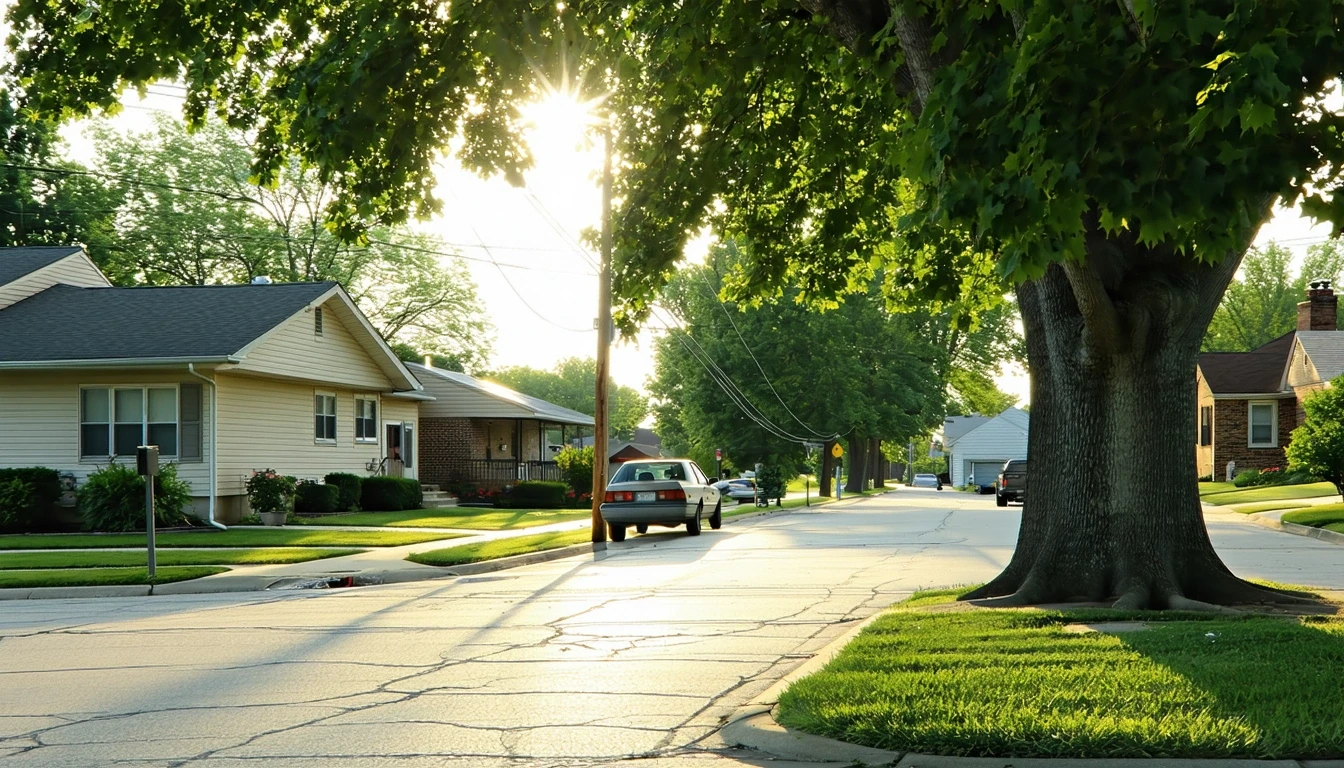
Lenexa median home value: $348,600 | Olathe median home value: $317,900 | Lenexa median rent: $1,373/month | Olathe median rent: $1,229/month | Lenexa median household income: $101,074/year | Olathe median household income: $108,077/year | Both cities’ electricity rate: 14.29¢/kWh | Lenexa average commute: 19 minutes | Lenexa work-from-home rate: 2.3%
Lenexa and Olathe sit side-by-side in the Kansas City metro, sharing school districts, employers, and highway access—yet the cost structure differences between Lenexa and Olathe shape daily life in distinct ways. Both cities attract families, commuters, and professionals looking for suburban space without sacrificing metro connectivity, but housing entry points, daily errands accessibility, and healthcare infrastructure create different pressure points for different households in 2026. The decision between these two isn’t about finding the universally cheaper option; it’s about understanding where costs concentrate, where flexibility exists, and which tradeoffs align with your household’s non-negotiables.
Housing costs anchor the comparison, but the differences extend into how you move through your day—whether grocery runs require planning or happen on the way home, whether medical care means a quick local visit or a drive across town, and whether your commute absorbs time or money (or both). For some households, Lenexa’s higher housing entry barrier is offset by daily convenience and walkable pockets; for others, Olathe’s lower entry costs and hospital presence make it the more practical long-term fit. Neither city dominates across all categories, and that’s exactly why the comparison matters.
This article breaks down how housing, utilities, groceries, transportation, and taxes behave differently in Lenexa versus Olathe, using 2026 data to explain where cost pressure shows up, who feels it most, and how the same income can feel stable in one city and tight in the other. We’ll also examine how place structure—errands density, green space access, and healthcare proximity—shapes household logistics in ways that don’t always show up on a spreadsheet but absolutely affect your monthly rhythm and long-term satisfaction.
Housing Costs: Entry Barrier vs Ongoing Flexibility
Housing is where the clearest numeric difference appears between Lenexa and Olathe. Lenexa’s median home value sits at $348,600, while Olathe’s is $317,900—a gap that translates directly into down payment requirements, mortgage qualification thresholds, and property tax baselines. For first-time buyers, that difference can determine whether you qualify for financing or need to save for another year. Lenexa’s higher median reflects a market with newer construction, larger lots in certain neighborhoods, and proximity to retail and employment clusters that command a premium. Olathe’s lower median doesn’t signal lower quality; it reflects a broader mix of housing stock, including older subdivisions and more entry-level single-family options that appeal to buyers prioritizing space over newness.
Renters face a similar pattern. Lenexa’s median gross rent is $1,373 per month, compared to Olathe’s $1,229 per month. That $144 monthly difference compounds over a year, but it also reflects different rental markets: Lenexa has more newer apartment complexes with amenities bundled into rent (fitness centers, pools, package lockers), while Olathe offers more older duplexes, townhomes, and small apartment buildings where rent is lower but tenants may pay separately for utilities, parking, or trash service. For renters who prioritize predictability and bundled costs, Lenexa’s higher rent can feel more manageable than Olathe’s lower base rent plus variable add-ons. For renters focused purely on minimizing monthly obligations, Olathe’s lower median provides more breathing room.
The housing difference also affects long-term wealth accumulation and equity-building timelines. Buyers entering Lenexa’s market at $348,600 face higher interest costs over the life of a mortgage, but they also enter a market with stronger recent appreciation trends tied to newer infrastructure and commercial development. Olathe buyers entering at $317,900 start with lower monthly obligations and may find it easier to upgrade or move within a few years without being locked into a high-cost property. For families planning to stay put for a decade or more, Lenexa’s higher entry cost may feel justified by access to walkable errands and integrated green space. For households expecting job changes, relocations, or family growth, Olathe’s lower entry point reduces financial rigidity.
| Housing Type | Lenexa Characteristics | Olathe Characteristics |
|---|---|---|
| Median Home Value | $348,600 | $317,900 |
| Median Gross Rent | $1,373/month | $1,229/month |
| Typical Buyer Profile | Newer construction, larger lots, amenity proximity | Broader stock mix, entry-level options, older subdivisions |
| Renter Considerations | Bundled amenities, newer complexes, higher base rent | Lower base rent, more variable utility/service costs |
Housing takeaway: Lenexa imposes a higher entry barrier for both buyers and renters, but that cost reflects access to newer housing stock, walkable errands infrastructure, and integrated parks. Households with stable incomes and long-term plans may find Lenexa’s premium justified by daily convenience and reduced car dependence. Olathe’s lower housing costs provide more flexibility for first-time buyers, renters prioritizing cash flow, and households expecting to move within a few years. The difference isn’t about one city being universally cheaper—it’s about whether you’re paying for place structure or preserving financial flexibility.
Utilities and Energy Costs: Identical Rates, Different Exposure
Electricity and natural gas rates are identical in Lenexa and Olathe—both cities pay 14.29¢/kWh for electricity and $12.69/MCF for natural gas, reflecting their shared position within the same utility service territory in the Kansas City metro. This means the difference in utility costs comes entirely from consumption patterns, not pricing. Housing age, square footage, insulation quality, and household behavior determine whether your monthly bill feels predictable or volatile. Lenexa’s newer housing stock generally includes better insulation, energy-efficient HVAC systems, and programmable thermostats as standard features, which can reduce baseline consumption even in larger homes. Olathe’s broader mix of older and newer construction means utility exposure varies more widely depending on which neighborhood you choose.
Seasonal swings affect both cities equally in terms of climate—hot, humid summers demand extended air conditioning, and cold winters require consistent heating—but the intensity of those swings depends on home characteristics. Single-family homes in both cities experience higher cooling costs than apartments, simply due to exposed roof and wall surface area. Older homes in Olathe built before modern energy codes may see summer electric bills spike significantly, while newer Lenexa homes with better envelope performance keep cooling costs more stable. Conversely, apartments in both cities benefit from shared walls and smaller square footage, which naturally moderates both heating and cooling exposure regardless of building age.
Household size and occupancy patterns also drive utility differences. A family of four in a 2,500-square-foot home will face higher baseline usage than a single adult in a 900-square-foot apartment, regardless of city. But the interaction between housing type and household size matters: families in Lenexa’s newer subdivisions may find that energy-efficient construction offsets the cost of larger square footage, while families in Olathe’s older homes may face higher per-square-foot costs that erode the savings from lower rent or mortgage payments. For renters in both cities, the key question is whether utilities are included in rent or billed separately—Lenexa’s newer complexes more often bundle water and trash, leaving only electric as a variable cost, while Olathe’s older rentals more often bill all utilities separately.
Utility takeaway: Identical rates mean the difference in utility costs comes down to housing stock age, square footage, and household behavior. Lenexa’s newer construction provides more predictable utility costs through better insulation and efficient systems, which can offset higher housing entry costs for families prioritizing long-term budget stability. Olathe’s mix of older and newer homes creates more variability—buyers and renters need to assess individual properties carefully, as utility exposure can swing significantly based on building age and maintenance history. For households sensitive to monthly volatility, Lenexa’s newer stock reduces surprises; for households willing to invest in efficiency upgrades or tolerate seasonal swings, Olathe’s lower housing costs leave more room to absorb utility fluctuations.
Groceries and Daily Expenses: Access Density vs Corridor Dependence
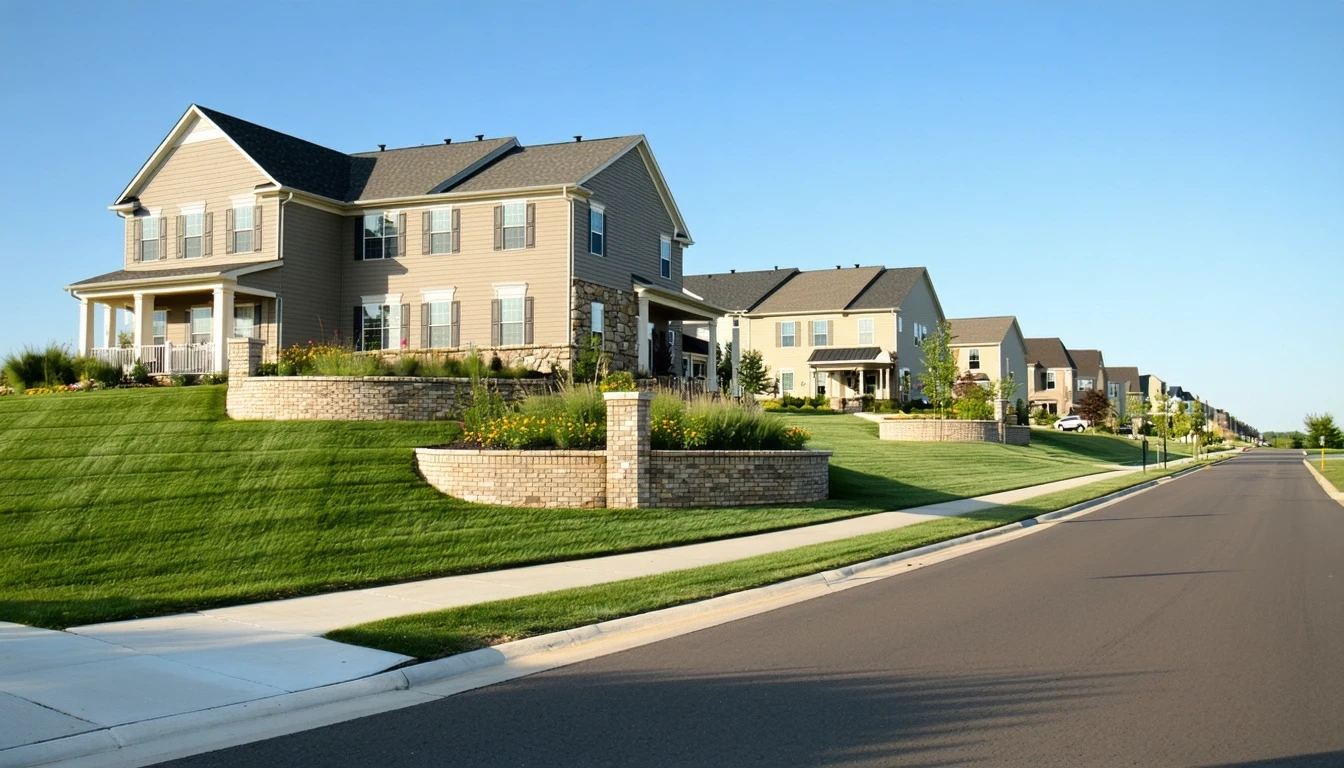
Grocery and daily spending pressure differs between Lenexa and Olathe not because of price differences—both cities share the same regional price parity index of 87, meaning grocery staples cost roughly the same at comparable stores—but because of how accessible those stores are in daily life. Lenexa shows broadly accessible food and grocery density, meaning options are distributed throughout residential areas rather than concentrated along a few major corridors. This reduces the friction cost of grocery shopping: you’re more likely to pass a store on the way home from work, combine errands in a single trip, or walk to a nearby market for a few missing items. Olathe’s grocery landscape is more corridor-clustered, meaning most options sit along major commercial strips, requiring intentional trips rather than opportunistic stops.
The difference in access density affects spending behavior in subtle but meaningful ways. When grocery stores are broadly accessible, households tend to shop more frequently in smaller trips, which can reduce food waste and impulse purchases but also increases the temptation for convenience spending—grabbing takeout, stopping for coffee, or picking up prepared foods because the option is always nearby. When grocery stores are corridor-clustered, households tend to plan larger, less frequent shopping trips, which can improve budget discipline but also increases the risk of running out of staples mid-week and resorting to more expensive convenience options or dining out. For families managing tight schedules, Lenexa’s access density can feel like a time-saver that indirectly reduces stress-driven spending. For disciplined planners, Olathe’s corridor layout supports bulk shopping and meal prep routines.
Dining out and convenience spending also follow access patterns. Lenexa’s mixed-use development and walkable pockets mean restaurants, coffee shops, and quick-service options are woven into residential areas, making it easier to spend casually but also easier to substitute a quick meal for cooking when time is tight. Olathe’s more separated land use means dining out often requires a deliberate trip, which can reduce frequency but also means fewer fallback options when you’re too tired to cook. For single adults and couples, Lenexa’s convenience can feel worth the trade-off; for families trying to minimize dining-out costs, Olathe’s structure naturally enforces more home cooking simply because alternatives aren’t as immediately available.
Groceries takeaway: Price parity is identical, so the difference is entirely about access friction and spending behavior. Lenexa’s broadly accessible grocery and food density reduces the time cost of errands but increases exposure to convenience spending and casual dining. Households with unpredictable schedules, dual-income couples, and families prioritizing time savings may find Lenexa’s access density worth the trade-off. Olathe’s corridor-clustered layout supports disciplined shopping routines and reduces casual spending temptation, making it a better fit for households with predictable schedules, meal-planning habits, and a focus on minimizing discretionary food costs. Neither structure is universally better—it depends on whether your household values spontaneity or discipline.
Taxes and Fees: Structural Similarities, Property Tax Exposure
Property taxes in both Lenexa and Olathe are set by Johnson County and local jurisdictions, meaning the primary driver of tax differences is assessed home value rather than rate differences. Lenexa’s higher median home value of $348,600 translates directly into higher annual property tax bills compared to Olathe’s $317,900 median, even if effective tax rates are similar. For homeowners, this means Lenexa’s housing premium extends beyond the mortgage payment into ongoing annual obligations that don’t decline as you pay down principal. Olathe’s lower assessed values reduce that annual burden, leaving more room in the budget for discretionary spending, savings, or absorbing unexpected costs.
Sales taxes in both cities reflect Kansas state and local rates, with no meaningful difference in day-to-day purchases. Both cities also share similar fee structures for utilities, trash collection, and municipal services, though the bundling of those fees varies more by housing type than by city. Homeowners in both cities pay separately for trash, water, and sewer, while renters may find those costs included in rent (more common in Lenexa’s newer complexes) or billed separately (more common in Olathe’s older rentals and duplexes). HOA fees, where applicable, vary widely by neighborhood in both cities and can range from minimal (covering only common area maintenance) to substantial (covering landscaping, pools, and exterior upkeep).
The long-term tax exposure difference matters most for households planning to stay in place for many years. Property taxes in Lenexa will compound on a higher base, meaning the cumulative cost over a decade of ownership is meaningfully higher than in Olathe, even if annual increases are modest. For households expecting income growth or prioritizing access to amenities and walkable infrastructure, that trade-off may feel justified. For households on fixed incomes, retirees, or families prioritizing long-term affordability, Olathe’s lower property tax baseline provides more predictability and reduces the risk of being priced out by rising assessments.
Taxes and fees takeaway: The primary difference is property tax exposure driven by assessed home values, not rate differences. Lenexa homeowners face higher ongoing tax obligations tied to higher median home values, which compounds over time and reduces long-term flexibility. Olathe homeowners benefit from lower assessed values and correspondingly lower annual tax bills, which can free up cash flow for other priorities or provide a buffer against income volatility. Renters in both cities face similar fee structures, with bundling practices varying more by building age and type than by city. For long-term homeowners, Olathe’s lower tax baseline provides more predictability; for households prioritizing access and amenities, Lenexa’s higher taxes reflect the cost of place structure.
Getting Around Lenexa and Olathe
Commute patterns and transportation costs differ more in texture than in raw numbers between Lenexa and Olathe. Lenexa reports an average commute time of 19 minutes, with 2.3% of workers working from home and 20.0% experiencing long commutes (typically defined as 45 minutes or more). This suggests a commuter-oriented population with relatively short average trips but a meaningful subset facing longer drives, likely to employment centers in Kansas City, Missouri, or Overland Park. Olathe lacks specific commute data in the current feed, but its position farther south in Johnson County typically means slightly longer average commutes for workers heading to downtown Kansas City or northern suburbs.
Both cities show walkable pockets according to place structure analysis, meaning pedestrian infrastructure exists in certain neighborhoods—typically around retail centers, parks, and newer mixed-use developments—but car dependence remains the norm for most daily activities. Lenexa’s walkable pockets align with its broadly accessible grocery and errands density, meaning some households can genuinely reduce car trips for daily needs if they live near those nodes. Olathe’s walkable pockets exist but are less integrated with daily errands infrastructure, meaning walking is more recreational than practical for most residents. Both cities offer bus service, but neither has rail transit, and bus coverage is limited enough that most households rely on personal vehicles for commuting, errands, and appointments.
Gas prices are identical at $3.48/gallon in both cities, so transportation cost differences come down to commute distance, trip frequency, and whether your daily routine requires a car for every errand or allows for some trip consolidation. Lenexa’s access density can reduce the number of separate car trips needed for groceries, pharmacy runs, and dining, which indirectly lowers fuel consumption and vehicle wear even if commute distance is similar. Olathe’s corridor-clustered layout means most errands require deliberate car trips, which can add up over time for households making frequent small runs. For households with predictable schedules and the ability to batch errands, the difference is minimal; for households managing unpredictable needs or multiple household members with separate schedules, Lenexa’s structure reduces transportation friction.
Transportation takeaway: Lenexa’s shorter average commute and broadly accessible errands infrastructure reduce the time and fuel cost of daily logistics, making it a better fit for households juggling multiple schedules or prioritizing convenience. Olathe’s corridor-dependent layout requires more intentional trip planning, which can work well for disciplined households but adds friction for those with unpredictable needs. Both cities require cars for most activities, but Lenexa’s walkable pockets and access density create more opportunities to reduce car dependence in daily life. For commuters heading to Kansas City or Overland Park, the difference in commute time may be modest, but the difference in errands friction can meaningfully affect weekly time budgets and fuel consumption.
Cost Structure Comparison: Where Pressure Concentrates
Housing pressure dominates the cost experience in both cities, but the nature of that pressure differs. Lenexa front-loads cost into higher home values and rents, which translates into higher down payments, monthly mortgage obligations, and property taxes. That upfront cost buys access to newer housing stock, broadly accessible groceries and errands, and integrated green space that reduces the need for separate trips to parks or recreation. For households with stable incomes and long-term plans, Lenexa’s structure reduces ongoing friction and time costs, even if monthly housing obligations are higher. Olathe distributes cost pressure differently: lower housing entry costs preserve cash flow and financial flexibility, but corridor-clustered errands and more variable utility exposure (depending on housing age) can create ongoing friction that doesn’t show up in a single monthly line item.
Utilities introduce similar exposure in both cities due to identical rates, but the predictability differs based on housing stock. Lenexa’s newer construction reduces the risk of seasonal bill spikes, making budgeting easier and reducing the likelihood of surprise costs during extreme weather. Olathe’s mix of older and newer homes means utility costs are more variable—some households will see bills comparable to Lenexa, while others in older, less-efficient homes will face meaningfully higher consumption and less predictable monthly obligations. For households sensitive to budget volatility, Lenexa’s newer stock provides more stability; for households willing to invest in efficiency upgrades or tolerate seasonal swings, Olathe’s lower housing costs leave more room to absorb utility fluctuations.
Daily living costs—groceries, dining, convenience spending—are shaped more by access patterns than by price differences. Lenexa’s broadly accessible food and grocery density reduces the time cost of errands but increases exposure to convenience spending and casual dining simply because options are always nearby. Olathe’s corridor-clustered layout supports disciplined shopping routines and reduces casual spending temptation, but it also means more car trips, more planning, and less flexibility when schedules change. For households with unpredictable schedules or dual-income logistics, Lenexa’s access density can feel like a cost-saver in time and stress, even if it enables more discretionary spending. For households with predictable routines and strong budget discipline, Olathe’s structure naturally enforces lower discretionary spending.
Transportation patterns matter more in Olathe due to corridor dependence and the lack of specific commute data, suggesting longer or more variable commutes for some workers. Lenexa’s 19-minute average commute and higher concentration of walkable errands infrastructure reduce the cumulative time and fuel cost of daily logistics. For households where both adults work, where kids have activities, or where medical appointments and errands happen frequently, Lenexa’s structure reduces the hidden cost of time spent in the car. For households with simpler logistics, remote work arrangements, or the ability to batch errands into weekly trips, Olathe’s lower housing costs outweigh the modest increase in transportation friction.
The better choice depends on which costs dominate your household’s decision-making. Households sensitive to housing entry barriers, long-term property tax exposure, or financial flexibility may prefer Olathe’s lower baseline costs and the ability to absorb variability in utilities or transportation. Households sensitive to time costs, errands friction, or the cumulative burden of car dependence may prefer Lenexa’s higher upfront costs in exchange for daily convenience and reduced logistics complexity. Neither city is universally cheaper—the difference is less about price and more about predictability, control, and which trade-offs align with your household’s non-negotiables.
How the Same Income Feels in Lenexa vs Olathe
Single Adult
For a single adult, housing becomes the first non-negotiable cost, and Lenexa’s higher rent or mortgage payment claims a larger share of gross income before any other expenses are considered. Flexibility exists in dining and entertainment, but Lenexa’s broadly accessible food and convenience options make it easier to spend casually without deliberate planning. Olathe’s lower housing costs leave more room for discretionary spending or savings, but corridor-clustered errands mean more time spent driving and planning trips. The trade-off is between paying more for housing and convenience versus preserving cash flow and accepting more logistics friction.
Dual-Income Couple
For a dual-income couple, transportation and time costs become non-negotiable alongside housing, especially if both partners commute to different employment centers. Lenexa’s shorter average commute and walkable errands infrastructure reduce the cumulative time burden of daily logistics, which can feel like a quality-of-life gain even if housing costs are higher. Olathe’s lower housing entry point preserves flexibility for saving, travel, or absorbing income volatility, but the corridor-dependent layout means more car trips and less ability to consolidate errands spontaneously. The trade-off is between paying for place structure that reduces friction versus preserving financial flexibility and accepting more planning overhead.
Family with Kids
For a family with kids, housing space, school access, and healthcare proximity become non-negotiable, and the cost structure differences between Lenexa and Olathe shape daily logistics in ways that extend beyond monthly bills. Lenexa’s integrated green space and broadly accessible groceries reduce the time cost of managing household errands and outdoor activities, but higher housing and property tax costs limit flexibility for extracurriculars, childcare, or unexpected expenses. Olathe’s lower housing entry costs and hospital presence provide more financial breathing room and reduce the friction of managing medical appointments, but corridor-clustered errands and more variable utility exposure (depending on housing age) can add planning complexity. The trade-off is between paying for daily convenience and time savings versus preserving cash flow and accepting more logistics overhead.
Decision Matrix: Which City Fits Which Household?
| Decision factor | If you’re sensitive to this… | Lenexa tends to fit when… | Olathe tends to fit when… |
|---|---|---|---|
| Housing entry + space needs | Down payment size, monthly mortgage flexibility, property tax exposure | You prioritize newer construction, walkable access, and long-term stability over lower entry costs | You need lower entry costs, more housing stock variety, and financial flexibility for future moves |
| Transportation dependence + commute friction | Commute time, fuel costs, errands trip frequency, car dependence | You value shorter commutes, walkable errands pockets, and reduced daily car trips | You can batch errands into planned trips and tolerate corridor-dependent access for lower housing costs |
| Utility variability + home size exposure | Seasonal bill spikes, energy efficiency, budget predictability | You prefer newer housing stock with predictable utility costs and lower seasonal volatility | You’re willing to assess individual properties carefully and tolerate more utility variability for lower housing entry |
| Grocery strategy + convenience spending creep | Errands friction, dining-out temptation, meal planning discipline | You have unpredictable schedules and value broadly accessible groceries and dining options nearby | You have disciplined shopping routines and prefer corridor-clustered access that reduces casual spending temptation |
| Fees + friction costs (HOA, services, upkeep) | Property tax baseline, bundled vs separate utility billing, long-term cost growth | You accept higher property taxes in exchange for newer infrastructure and integrated amenities | You prioritize lower property tax exposure and long-term affordability over place structure |
| Time budget (schedule flexibility, errands, logistics) | Household coordination complexity, dual-income logistics, kid activity schedules | You manage multiple schedules and value reduced errands friction and integrated green space access | You have predictable routines and can plan logistics in advance without needing spontaneous access |
Lifestyle Fit: Place Structure Beyond the Numbers
Lenexa and Olathe share many lifestyle qualities—both are family-oriented Johnson County suburbs with good schools, low unemployment (3.3% in both cities), and access to Kansas City metro employment and culture. But the differences in place structure create distinct daily experiences. Lenexa’s walkable pockets and broadly accessible groceries mean you’re more likely to run into neighbors at the store, walk to a coffee shop, or let kids bike to a friend’s house in certain neighborhoods. The city’s integrated green space—parks distributed throughout residential areas rather than concentrated in a few large facilities—makes outdoor access feel effortless rather than requiring a deliberate trip. For households where daily convenience and spontaneous outdoor time matter, Lenexa’s structure supports that lifestyle even if housing costs are higher.
Olathe’s corridor-clustered layout and hospital presence create a different rhythm. Errands require more planning, but the city’s broader housing stock mix means you’re more likely to find exactly the type of home you want at a price point that preserves financial flexibility. The presence of a hospital facility makes Olathe a better fit for families managing chronic health conditions, elderly parents, or anyone who values proximity to emergency and specialized care. Olathe’s park density sits in the moderate range, meaning green space is present but requires more intentional trips rather than being woven into daily routines. For households where financial flexibility and healthcare access outweigh daily convenience, Olathe’s structure supports those priorities.
Commute culture also differs subtly. Lenexa’s 19-minute average commute and 20.0% long-commute rate suggest a population split between local employment (Lenexa and nearby Overland Park) and longer drives to Kansas City or other metro job centers. The city’s work-from-home rate of 2.3% is notably low, indicating most residents still commute daily. Olathe’s lack of specific commute data makes direct comparison difficult, but its position farther south typically means slightly longer drives for workers heading north. Both cities are car-dependent for most activities, but Lenexa’s walkable pockets and shorter average commute create more opportunities to reduce time spent in the car, which can meaningfully affect quality of life for households juggling multiple schedules.
Quick facts: Lenexa’s integrated green space and walkable errands pockets reduce daily logistics friction, making it easier to combine outdoor time with routine tasks. Olathe’s hospital presence and broader housing stock variety provide more healthcare access and financial flexibility, making it a better fit for households prioritizing those factors over daily convenience.
Climate and housing interaction: Both cities experience hot, humid summers and cold winters, meaning air conditioning and heating costs are significant for all households. Lenexa’s newer housing stock generally includes better insulation and energy-efficient systems, which can reduce seasonal utility spikes and make budgeting more predictable. O