
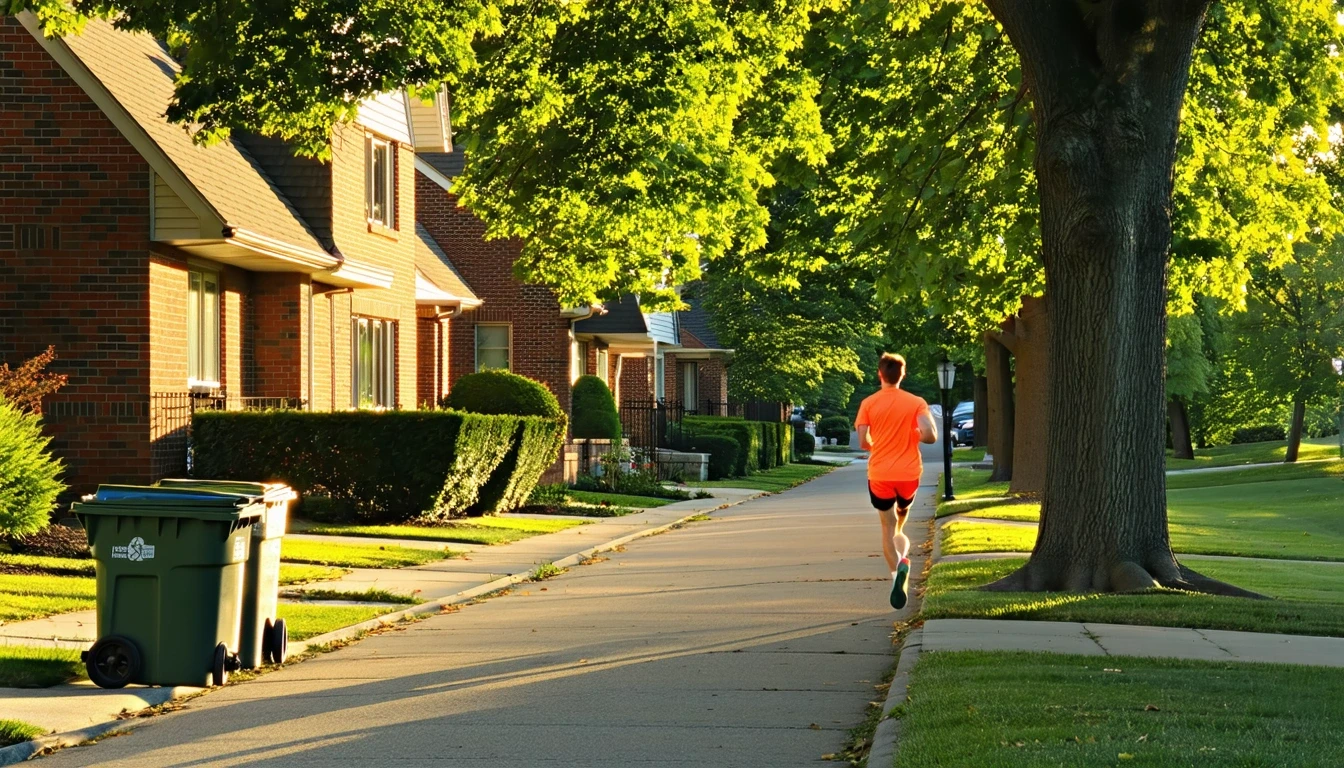
Rochester Hills and Troy sit just miles apart in Oakland County, sharing the same regional economy, weather patterns, and utility providers—but the way cost pressure shows up in daily life differs in ways that matter for specific households in 2026. Both cities attract families, professionals, and retirees drawn to the Detroit metro’s northern suburbs, but the decision between them hinges less on total affordability and more on which costs dominate your household’s financial structure. Housing entry points, healthcare access, transit availability, and park integration create distinct cost experiences even when incomes and price levels look nearly identical on paper.
This comparison explains where cost pressure concentrates differently in Rochester Hills versus Troy, how the same gross income can feel stable in one city and tight in the other, and which households benefit most from each city’s structural advantages. The goal isn’t to declare a winner—it’s to clarify which tradeoffs align with your priorities as you plan a move or evaluate long-term fit in 2026.
Housing Costs
Rochester Hills’ median home value sits at $359,800, while Troy’s reaches $375,600—a difference that creates a lower entry barrier for buyers in Rochester Hills but doesn’t necessarily translate to lower ongoing housing pressure. For renters, the pattern reverses: Rochester Hills’ median gross rent stands at $1,497 per month, compared to Troy’s $1,461, meaning renters face slightly higher baseline costs in Rochester Hills while homebuyers encounter a steeper purchase price in Troy. These differences reflect distinct housing stock compositions—Rochester Hills leans toward larger single-family homes on bigger lots, while Troy offers more diverse housing types including townhomes, condos, and apartment complexes that serve different household configurations.
The rental cost difference matters most for single adults and couples who prioritize flexibility and aren’t ready to commit to homeownership. In Troy, the lower median rent and broader range of apartment options create more entry points for households managing tight budgets or planning short-term stays. In Rochester Hills, renters pay a modest premium but often gain access to larger units, more green space, and neighborhoods designed around single-family character. For buyers, the $15,800 gap in median home values represents real savings on down payments, closing costs, and initial equity requirements in Rochester Hills—but Troy’s higher home values may reflect proximity to institutional anchors, denser commercial corridors, and transit infrastructure that some households value enough to justify the upfront cost.
Housing pressure in both cities is shaped less by price alone and more by what you’re optimizing for: space, access, or predictability. Families seeking larger homes with yards will find Rochester Hills’ housing stock more aligned with that need, while professionals prioritizing walkable access to services and shorter drives to commercial districts may find Troy’s layout reduces daily friction even if the purchase price runs higher. Renters sensitive to baseline monthly obligations should weigh Troy’s lower rent against Rochester Hills’ park-integrated neighborhoods, while first-time buyers should consider whether the lower entry point in Rochester Hills offsets the reduced transit and hospital access compared to Troy.
| Housing Type | Rochester Hills | Troy |
|---|---|---|
| Median Home Value | $359,800 | $375,600 |
| Median Gross Rent | $1,497/month | $1,461/month |
| Typical Buyer Profile | Families seeking space, outdoor access, lower entry cost | Professionals valuing transit, hospital proximity, institutional infrastructure |
| Typical Renter Profile | Households prioritizing park access, single-family character | Singles and couples seeking flexibility, lower baseline rent, apartment variety |
Housing takeaway: Rochester Hills favors buyers prioritizing lower purchase entry points and households willing to trade transit access for outdoor integration, while Troy favors renters seeking lower baseline costs and buyers who value hospital proximity and bus service enough to absorb higher home prices. The primary difference isn’t magnitude—it’s whether your household is more exposed to upfront purchase barriers or ongoing rental obligations, and whether access to institutional infrastructure outweighs savings on entry costs.
Utilities and Energy Costs
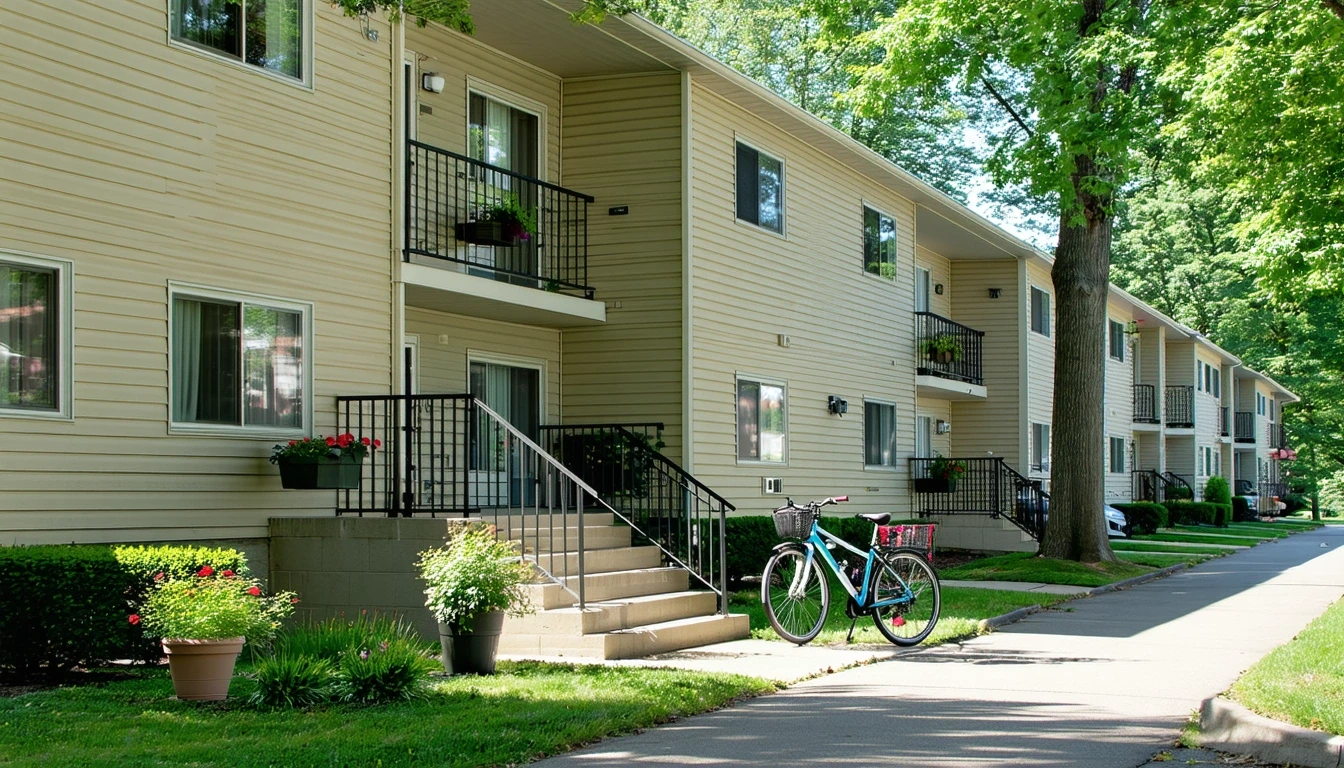
Both Rochester Hills and Troy share identical utility rate structures—19.52¢/kWh for electricity and $10.02/MCF for natural gas—which means differences in energy costs emerge entirely from housing stock characteristics, home size, and usage patterns rather than from provider pricing. Michigan’s long heating season and humid summers create dual exposure: natural gas bills climb during winter months as furnaces run steadily, while electricity costs spike in summer when air conditioning becomes non-negotiable. In both cities, older single-family homes with larger square footage and less efficient insulation experience higher seasonal swings, while newer construction and smaller units (more common in Troy’s apartment and townhome inventory) tend to show more predictable year-round usage.
Rochester Hills’ housing stock skews toward larger single-family homes, which increases baseline heating and cooling exposure regardless of household size. A family in a 2,500-square-foot home will face meaningfully higher winter gas bills than a couple in a 1,200-square-foot Troy apartment, even though both pay the same per-unit rate. The difference compounds during extreme weather: a polar vortex week in January can push heating costs sharply higher in larger homes, while summer heat waves drive air conditioning loads that scale with square footage. Troy’s greater mix of attached housing and smaller floor plans reduces per-household energy consumption on average, but individual exposure still depends on unit age, insulation quality, and whether utilities are separately metered or bundled into rent.
Households planning to stay several years should consider how home size and construction era interact with Michigan’s seasonal extremes. In Rochester Hills, buyers gain space and outdoor access but inherit higher baseline utility exposure that persists across all seasons—winter heating, summer cooling, and year-round water heating for larger volumes. In Troy, renters and condo owners often benefit from shared-wall efficiency and smaller conditioned spaces, which dampens seasonal volatility but may offer less control over upgrades like programmable thermostats, insulation improvements, or HVAC replacement. Families with flexible budgets may prefer Rochester Hills’ larger homes despite higher energy costs, while cost-sensitive singles and couples may find Troy’s smaller units reduce both rent and utility exposure simultaneously.
Utility takeaway: Rochester Hills households face higher baseline energy exposure due to larger home sizes and single-family construction, with greater seasonal volatility during heating and cooling peaks, while Troy households benefit from smaller average unit sizes and attached housing that dampens swings—but both cities share identical rate structures, so differences stem entirely from housing form and usage intensity rather than provider pricing.
Groceries and Daily Expenses
Both Rochester Hills and Troy share the same regional price parity index (95, slightly below the national baseline), meaning grocery staples, household goods, and everyday purchases cost roughly the same in both cities when comparing identical items at similar store types. The difference in daily spending pressure comes not from price variation but from access patterns, store concentration, and how much friction households encounter running errands. Troy’s corridor-clustered food and grocery density—supported by medium-band food establishment presence and moderate grocery access—creates predictable shopping routes along major commercial strips, while Rochester Hills shows similar corridor clustering but with notably higher grocery density that exceeds high thresholds, suggesting more options within shorter distances in certain neighborhoods.
For families managing larger weekly grocery volumes, Rochester Hills’ higher grocery density can reduce the need to visit multiple stores or drive long distances to find specific items, which indirectly lowers transportation costs and time spent planning trips. Troy’s moderate grocery density still supports routine shopping but may require slightly longer drives or more intentional route planning to access discount chains, specialty stores, or bulk retailers. Both cities show medium-band food establishment density, meaning restaurants, cafés, and takeout options exist but aren’t as ubiquitous as in denser urban cores—households relying heavily on prepared foods or frequent dining out will face similar availability and pricing in both cities, with cost pressure driven more by frequency than by menu prices.
Singles and couples with flexible schedules may find Troy’s layout efficient enough for weekly shopping without meaningful friction, while families with kids juggling multiple errands may appreciate Rochester Hills’ denser grocery access when time becomes the binding constraint. Convenience spending—coffee runs, last-minute takeout, impulse purchases at drugstores—follows similar patterns in both cities, with costs accumulating more from habit than from structural price differences. Households sensitive to grocery budgets should focus less on comparing per-item prices (which track closely due to shared regional pricing) and more on whether access density reduces the temptation to overspend on convenience or whether longer drives to preferred stores add hidden transportation costs.
Grocery takeaway: Rochester Hills offers higher grocery density that reduces errand friction for larger households, while Troy provides adequate corridor-clustered access with slightly more planning required—but price sensitivity in both cities stems from shopping habits and convenience spending rather than from meaningful differences in staple costs or restaurant pricing.
Taxes and Fees
Property taxes represent the most significant recurring tax burden for homeowners in both Rochester Hills and Troy, and while specific millage rates aren’t provided in the data, both cities operate under Michigan’s property tax structure, which caps annual increases and ties assessments to home values. Troy’s higher median home value ($375,600 versus Rochester Hills’ $359,800) means homeowners there face proportionally higher property tax bills in absolute terms, even if effective rates remain similar—a difference that compounds over years of ownership and affects long-term cost predictability for buyers planning to stay a decade or more.
Beyond property taxes, both cities impose routine fees for water, sewer, and trash collection, though the structure and predictability of these charges can vary by neighborhood and housing type. Single-family homeowners in both cities typically receive separate utility bills and pay fees directly, while renters and condo owners may see some fees bundled into monthly rent or HOA dues, reducing visibility but not eliminating the underlying cost. HOA fees are more common in Troy’s townhome and condo developments, where they may cover landscaping, snow removal, exterior maintenance, and shared amenities—adding predictability for some households but creating an additional fixed monthly obligation that doesn’t exist for most single-family buyers in Rochester Hills.
Renters in both cities are largely insulated from direct property tax exposure, though landlords pass those costs through in rent levels over time. The modest rent difference ($1,497 in Rochester Hills versus $1,461 in Troy) likely reflects a combination of housing stock differences and underlying tax burdens, but renters planning short stays won’t feel property tax volatility the way long-term homeowners do. For buyers, the tax structure difference is less about rates and more about the base: Troy’s higher home values mean higher absolute tax bills, which matters most for households stretching to afford the purchase price and needing to model ongoing obligations accurately.
Tax and fee takeaway: Troy homeowners face higher absolute property tax bills due to elevated home values, while Rochester Hills buyers benefit from lower purchase prices and correspondingly lower tax bases—but both cities impose similar fee structures for utilities and services, with HOA fees more common in Troy’s attached housing stock and adding predictable monthly obligations that single-family buyers in Rochester Hills typically avoid.
Transportation & Commute Reality
Transportation costs in Rochester Hills and Troy share identical fuel pricing—$3.85 per gallon—but the experience of getting around differs meaningfully due to infrastructure texture and transit availability. Troy offers bus service, providing at least some public transportation option for households willing to plan routes and schedules around fixed stops, while Rochester Hills lacks transit coverage entirely, making car ownership effectively non-negotiable for anyone commuting to work, running errands, or managing household logistics. Both cities show walkable pockets with pedestrian-to-road ratios exceeding high thresholds, meaning certain neighborhoods support walking for recreation or short trips, but neither city offers the density or mixed-use layout that would allow most households to eliminate car dependency for daily needs.
For single adults and couples working in Detroit or other parts of the metro, Troy’s bus service creates at least a theoretical alternative to driving every day, though route coverage and frequency determine whether transit becomes practical or remains a backup option. In Rochester Hills, commuters face full car dependency, which means every trip—work, groceries, errands, social activities—requires fuel, insurance, maintenance, and parking considerations. Both cities show notable bike infrastructure with bike-to-road ratios exceeding high thresholds, suggesting cycling is viable for recreation and some short trips, but Michigan winters and suburban distances limit year-round biking as a primary transportation mode for most households.
Households with two working adults should consider whether Troy’s bus service reduces the need for a second vehicle or simply provides occasional flexibility, versus Rochester Hills where dual-car ownership becomes the default for most families. Time costs matter as much as fuel costs: longer drives to reach commercial corridors, medical facilities, or employment centers add friction that compounds over months and years, even when gas prices remain stable. Troy’s hospital presence and denser institutional infrastructure may shorten average trip distances for some errands, while Rochester Hills’ layout spreads destinations farther apart, increasing both time and mileage for routine tasks.
Cost Structure Comparison
Housing pressure dominates the cost experience in both cities, but the mechanism differs: Rochester Hills front-loads savings through lower home purchase prices, while Troy spreads costs more evenly by offering lower rents and more diverse housing types. Buyers in Rochester Hills save roughly $15,800 on median home value, reducing down payment requirements and initial equity commitments, but inherit larger homes with higher baseline utility exposure and no transit fallback if car costs spike. Troy buyers pay more upfront but gain access to bus service, hospital proximity, and housing stock that includes smaller, more efficient units—tradeoffs that matter most for households prioritizing institutional infrastructure over outdoor space.
Utilities introduce similar seasonal volatility in both cities due to shared rate structures and Michigan’s heating-and-cooling climate, but Rochester Hills households experience higher absolute exposure because of larger average home sizes. A family heating a 2,500-square-foot single-family home in Rochester Hills will face meaningfully higher winter gas bills than a couple in a 1,200-square-foot Troy apartment, even though both pay 19.52¢/kWh for electricity and $10.02/MCF for natural gas. The difference compounds over time: households staying several years in Rochester Hills should model higher cumulative energy costs, while Troy renters and condo owners benefit from smaller conditioned spaces that dampen seasonal swings.
Transportation patterns matter more in Rochester Hills, where the absence of bus service makes car ownership non-negotiable and every trip requires fuel, insurance, and maintenance. Troy’s bus service doesn’t eliminate car dependency for most households, but it creates flexibility for singles and couples willing to plan around transit schedules, potentially reducing the need for a second vehicle or providing a backup when car costs spike. Both cities show walkable pockets and notable bike infrastructure, but suburban distances and Michigan winters limit the practical impact of those features on daily commuting or errands.
Grocery and daily expenses track closely in both cities due to shared regional pricing, but Rochester Hills’ higher grocery density reduces errand friction for families managing larger weekly volumes, while Troy’s corridor-clustered access requires slightly more planning. The difference isn’t about per-item prices—it’s about how much time and fuel households spend accessing preferred stores, and whether convenience spending creeps higher when options cluster farther apart. For households sensitive to time costs, Rochester Hills’ denser grocery access may offset higher housing and utility exposure, while Troy’s layout works well for singles and couples with flexible schedules who can batch errands efficiently.
The better choice depends on which costs dominate your household’s financial structure. Households sensitive to upfront purchase barriers may prefer Rochester Hills’ lower home values, while renters prioritizing baseline monthly obligations may find Troy’s lower rent and smaller unit options reduce both housing and utility pressure simultaneously. For families needing hospital access or valuing transit flexibility, Troy’s institutional infrastructure justifies higher home prices, while households prioritizing outdoor integration and lower entry costs may find Rochester Hills’ park-dense neighborhoods and reduced purchase prices align better with long-term goals.
How the Same Income Feels in Rochester Hills vs Troy
Single Adult
For a single adult, Troy’s lower median rent and bus service availability create more breathing room when managing baseline obligations on one income. Housing becomes the first non-negotiable cost, and Troy’s $1,461 median rent leaves slightly more flexibility than Rochester Hills’ $1,497, especially when combined with smaller apartment options that reduce utility exposure. Troy’s hospital presence and corridor-clustered errands shorten trip distances, which matters when every gallon of gas and every hour spent driving cuts into discretionary time. In Rochester Hills, the absence of transit and higher rent baseline tighten the budget earlier, though walkable pockets and integrated parks offer quality-of-life benefits that don’t show up in monthly bills but affect long-term satisfaction.
Dual-Income Couple
A dual-income couple experiences more flexibility in both cities, but the tradeoffs shift depending on whether they rent or buy. Renters in Troy benefit from lower baseline housing costs and the option to rely on one car if bus service proves practical, reducing both insurance and fuel exposure. In Rochester Hills, renters pay modestly more but gain access to larger units and park-integrated neighborhoods that support outdoor recreation without added costs. Buyers face a different calculus: Rochester Hills’ lower home values reduce upfront barriers and monthly mortgage obligations, while Troy’s higher purchase prices buy proximity to hospital care and institutional infrastructure that may matter more as the household ages or plans for children.
Family with Kids
For families, Rochester Hills’ larger homes and integrated park access align with space needs and outdoor activity patterns, but higher utility exposure and full car dependency create ongoing cost pressure that persists across all seasons. Troy’s hospital presence becomes more valuable when managing pediatric care, and bus service offers at least theoretical flexibility for older kids or single-parent households juggling logistics. Both cities show limited family infrastructure—school and playground density fall below thresholds in both Rochester Hills and Troy—which means families rely heavily on car-based access to extracurriculars, playdates, and organized activities regardless of location. The decision hinges less on total cost and more on whether front-loaded savings from Rochester Hills’ lower home prices outweigh the convenience of Troy’s institutional anchors and transit availability.
Decision Matrix: Which City Fits Which Household?
| Decision factor | If you’re sensitive to this… | Rochester Hills tends to fit when… | Troy tends to fit when… |
|---|---|---|---|
| Housing entry + space needs | Down payment size, mortgage qualification, square footage per dollar | You prioritize lower purchase prices and larger single-family homes with outdoor space | You value diverse housing types, lower rent, and proximity to institutional infrastructure over entry cost |
| Transportation dependence + commute friction | Car ownership costs, transit availability, trip distance accumulation | You accept full car dependency in exchange for park access and lower home prices | You value bus service availability and shorter institutional trip distances despite limited route coverage |
| Utility variability + home size exposure | Seasonal bill swings, heating and cooling costs, energy efficiency | You can absorb higher baseline energy costs in exchange for larger living space | You prefer smaller units and attached housing that dampen seasonal volatility |
| Grocery strategy + convenience spending creep | Errand efficiency, store access density, time spent planning trips | You manage large weekly volumes and value denser grocery access to reduce trip frequency | You can batch errands efficiently and don’t mind corridor-clustered access with moderate planning |
| Fees + friction costs (HOA, services, upkeep) | Predictability of monthly obligations, bundled services, maintenance responsibility | You prefer direct control over services and avoid HOA fees common in attached housing | You value predictable HOA-bundled services in townhomes and condos despite added monthly cost |
| Time budget (schedule flexibility, errands, logistics) | Commute friction, healthcare access speed, errand consolidation | You prioritize outdoor access and lower purchase entry over institutional proximity | You need hospital access and value shorter trips to commercial and medical services |
Lifestyle Fit
Rochester Hills and Troy both offer suburban character with access to the broader Detroit metro, but the texture of daily life differs in ways that indirectly shape cost exposure. Rochester Hills leans heavily into outdoor recreation, with park density exceeding high thresholds and water features integrated throughout the city—households that prioritize trails, green space, and outdoor activities will find those amenities readily accessible without needing to drive long distances or pay for private memberships. Troy’s lifestyle centers more on institutional access and commercial convenience: the presence of a hospital, bus service, and corridor-clustered shopping creates a layout where errands, medical appointments, and routine services cluster closer together, reducing time spent navigating suburban sprawl.
Both cities show walkable pockets with pedestrian infrastructure that supports neighborhood strolls and short trips, but neither offers the density or mixed-use character that would allow most households to eliminate car dependency entirely. Troy’s bus service adds a layer of flexibility for singles and couples willing to plan around transit schedules, while Rochester Hills’ lack of transit means every trip defaults to driving. For families, both cities show limited school and playground density, which means organized activities, sports leagues, and social connections often require car-based logistics regardless of location. The difference is whether you value Rochester Hills’ park-integrated neighborhoods for weekend recreation or Troy’s institutional anchors for reducing weekday friction.
Cultural and recreational options in both cities reflect their suburban positioning: residents typically drive to Detroit or other metro hubs for concerts, museums, professional sports, and nightlife, while local amenities focus on family-friendly parks, chain restaurants, and community events. Troy’s denser commercial corridors bring more dining and shopping variety within shorter distances, while Rochester Hills spreads destinations farther apart but compensates with larger parks and outdoor spaces that support active lifestyles without added costs. Households that spend weekends hiking, biking, or using public parks will find Rochester Hills’ layout reduces the need to drive elsewhere for outdoor access, while those prioritizing quick errands and medical convenience may find Troy’s structure saves time even if it doesn’t lower costs directly.
Quick facts: Rochester Hills’ integrated park access and water features support outdoor-focused lifestyles without requiring memberships or long drives, while Troy’s hospital presence and bus service create institutional infrastructure that reduces friction for medical care and occasional transit use. Both cities show walkable pockets and notable bike infrastructure, but suburban distances and Michigan winters limit year-round non-car mobility for most households.
Frequently Asked Questions
Is Rochester Hills or Troy cheaper for renters in 2026? Troy shows a lower median gross rent at $1,461 per month compared to Rochester Hills’ $1,497, which creates a modest baseline advantage for renters prioritizing lower monthly housing obligations. The difference narrows when considering unit size and amenities—Rochester Hills renters often access larger spaces and park-integrated neighborhoods, while Troy offers more apartment variety and lower utility exposure in smaller units. Renters sensitive to baseline costs should weigh Troy’s lower rent against Rochester Hills’ outdoor access and larger floor plans.
Which city has lower upfront costs for homebuyers comparing Rochester Hills vs Troy? Rochester Hills offers a lower median home value at $359,800 versus Troy’s $375,600, reducing down payment requirements, closing costs, and initial equity commitments by roughly $15,800. This difference matters most for first-time buyers or households stretching to qualify for financing, though Troy’s higher home values may reflect proximity to hospital care, bus service, and institutional infrastructure that some buyers prioritize over entry cost savings.
Do utility bills cost more in Rochester Hills or Troy in 2026? Both cities share identical utility rate structures—19.52¢/kWh for electricity and $10.02/MCF for natural gas—so differences in actual bills stem entirely from home size, construction era, and usage patterns rather than provider pricing. Rochester Hills households typically face higher baseline energy exposure due to larger single-family homes, while Troy’s smaller average unit sizes and attached housing dampen seasonal volatility, but individual bills depend more on square footage and insulation quality than on location.
How does transportation cost differ between Rochester Hills and Troy? Both cities share the same gas price at $3.85 per gallon, but Troy offers bus service while Rochester Hills lacks transit entirely, making car ownership non-negotiable in Rochester Hills for all households. Troy’s bus service doesn’t eliminate car dependency for most residents, but it provides flexibility for singles and couples willing to plan around transit schedules, potentially reducing the need for a second vehicle or offering a backup when car costs spike. Both cities show walkable pockets and notable bike infrastructure, but suburban distances and Michigan winters limit non-car mobility for daily commuting and errands.
Which city between Rochester Hills and Troy fits families better in 2026? Both cities show limited family infrastructure—school and playground density fall below thresholds in Rochester Hills and Troy—which means families rely heavily on car-based access to extracurriculars and organized activities regardless of location. Rochester Hills offers lower home purchase entry points and integrated park access that supports outdoor family activities, while Troy provides hospital proximity and bus service that may reduce logistics friction for medical care and occasional transit use. The better fit depends on whether your household prioritizes outdoor space and lower upfront housing costs or values institutional infrastructure and transit flexibility despite higher home prices.
Conclusion
Rochester Hills and Troy share the same regional economy, utility providers, and price levels, but the way cost pressure shows up in daily life differs enough to create distinct fits for different households in 2026. Rochester Hills favors buyers seeking lower purchase entry points, families prioritizing outdoor access and park integration, and households willing to accept full car dependency in exchange for larger homes and reduced upfront housing costs. Troy favors renters looking for lower baseline monthly obligations, households needing hospital proximity and bus service availability, and buyers who value institutional infrastructure enough to absorb higher home prices and more diverse housing types.
The decision isn’t about which city costs less overall—it’s about which cost structure aligns with your household’s financial priorities and lifestyle needs. Households sensitive to upfront barriers should weigh Rochester Hills’ lower home values and reduced down payment requirements against Troy’s transit access and medical infrastructure. Renters prioritizing baseline monthly costs will find Troy’s lower rent and smaller unit options reduce both housing and utility exposure, while those seeking larger spaces and integrated parks may find Rochester Hills’ layout justifies the modest rent premium. For families, both cities require car-based logistics for schools and activities, but Rochester Hills offers more outdoor recreation without added costs, while Troy shortens trips to hospital care and commercial services. Choose based on which costs dominate your household’s structure, not on which city appears cheaper in isolation.
How this article was built: In addition to public economic data, this article incorporates location-based experiential signals derived from anonymized geographic patterns—such as access density, walkability, and land-use mix—to reflect how day-to-day living actually feels in Rochester Hills, MI.