
What Does Rochester Hills Actually Feel Like?
Is Rochester Hills the kind of place where you feel settled—or restless? That depends less on what the city offers and more on what you’re hoping suburban life will deliver. Rochester Hills sits in Oakland County as an affluent, low-density suburb where median household income reaches $115,968 per year and median home values hover around $359,800. The unemployment rate of 3.6% reflects economic stability, and the regional price parity index of 95 suggests costs run slightly below the national baseline in some categories. But numbers don’t capture the emotional experience of living here—the pride residents feel in well-kept neighborhoods, the frustration some express about needing a car for nearly everything, or the quiet tension between preserving a low-key character and accommodating growth.
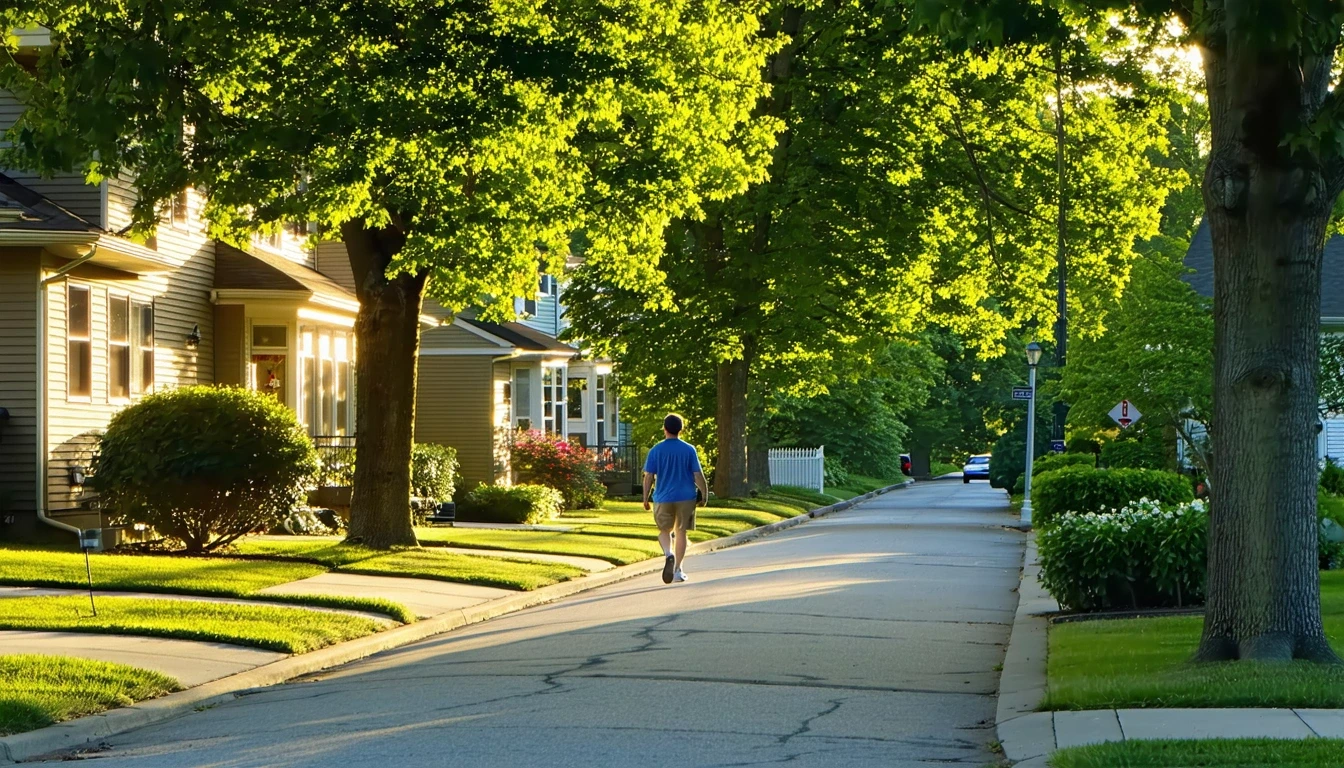
Rochester Hills tends to reward people who value space, privacy, and the predictability of suburban routines. It frustrates those who arrive expecting urban texture, walkable errand loops, or robust family infrastructure that matches the income level. The city offers pockets of green space and some areas with notable pedestrian and cycling infrastructure, but day-to-day living still revolves around driving to clustered commercial corridors. For professionals, retirees, and empty-nesters seeking a polished, quiet environment, Rochester Hills often feels like exactly the right fit. For young families hoping for dense school options and playgrounds within walking distance, or for urbanites craving spontaneous walkability, the city can feel surprisingly limiting.
How People Talk About Rochester Hills Online
Social media discussion around Rochester Hills tends to cluster around a few recurring themes: pride in property values and neighborhood upkeep, mild irritation about traffic on major corridors during peak hours, and ongoing debate about whether the city should lean into more mixed-use development or protect its low-density character. On platforms like Facebook neighborhood groups and regional Reddit threads, you’ll find residents celebrating the abundance of parks and natural features—trails, water access, and green space woven into daily life. There’s also frequent conversation about the need to drive nearly everywhere, even for quick errands, despite some areas offering better pedestrian infrastructure than others.
“It’s a beautiful place to live if you want space and quiet, but you’re definitely driving to get your groceries, grab coffee, or meet friends,” one resident notes. “The parks are fantastic, and some neighborhoods have great bike paths, but it’s not the kind of place where you walk out your door and stumble into things.”
Another common thread: surprise at the limited school and playground density relative to the city’s income level and family-friendly reputation. “For a city with this many nice homes, I expected more options closer to home,” a parent observes. “We love our neighborhood, but we’re driving the kids to activities more than I thought we would.”
There’s also a protective tone when Rochester Hills gets compared to nearby Troy or Auburn Hills—residents tend to emphasize the city’s green character and residential feel as intentional tradeoffs, not shortcomings.
The Tone of Local Coverage
Local news and community coverage in Rochester Hills tends to frame the city through the lens of growth management, infrastructure investment, and identity preservation. You’ll see recurring topic buckets like:
- “Residents Weigh New Development Against Neighborhood Character”
- “Parks and Trails Expansion Continues Across the City”
- “Traffic and Commute Times Spark Ongoing Conversation”
- “Commercial Corridors See New Retail and Dining Options”
- “Community Debates What Walkability Should Look Like Here”
The tone is rarely alarmist but often reflective—coverage tends to acknowledge that Rochester Hills is evolving, and not everyone agrees on the direction. There’s pride in the city’s natural assets and economic stability, but also recognition that car dependency and limited transit options shape daily routines in ways that don’t suit everyone.
What Reviews and Public Feedback Reveal
Public perception of Rochester Hills, as reflected in reviews on platforms like Google, Yelp, and Nextdoor-style community boards, tends to split along expectation lines. People who moved here seeking suburban comfort, low crime, and well-maintained neighborhoods tend to express high satisfaction. Those who arrived hoping for walkable errand access, diverse dining and entertainment options, or a strong sense of spontaneous community activity often feel let down.
Positive feedback frequently highlights:
- Excellent park access and natural beauty, with trails and water features integrated into neighborhoods
- Safe, quiet streets and a strong sense of residential stability
- High-quality housing stock and pride of ownership visible in neighborhood upkeep
- Good cycling infrastructure in certain areas, with bike paths that exceed typical suburban standards
Common complaints include:
- Need to drive for nearly all errands, even in areas with some pedestrian infrastructure
- Limited dining and entertainment variety compared to nearby Troy or downtown Detroit
- Fewer schools and playgrounds per capita than expected for a family-oriented suburb
- Lack of public transit options, making car ownership essential
- Some newer planned areas feel sterile or disconnected from older, more established pockets
The city’s healthcare access also comes up in reviews—clinics and pharmacies are present, but the absence of a hospital means residents travel to nearby communities for emergency or specialized care.
How Rochester Hills Compares to Nearby Cities
| Aspect | Rochester Hills | Troy | Auburn Hills |
|---|---|---|---|
| Overall Vibe | Affluent, residential, park-rich, car-dependent | Diverse, commercial, walkable pockets, more urban texture | Corporate, transient, budget-friendly, highway-oriented |
| Walkability | Pockets of good pedestrian infrastructure, mostly car-reliant | More consistent walkable areas, especially near downtown | Very car-dependent, limited pedestrian infrastructure |
| Dining & Retail | Corridor-clustered, moderate variety | Broader variety, more international options | Chain-heavy, fewer independent spots |
| Family Appeal | High income, limited school/playground density | Strong school presence, more family infrastructure | More transient, less family-focused |
| Green Space | Abundant parks, trails, water features | Good park access, less natural character | Limited green space, more industrial feel |
Rochester Hills occupies a distinct position among its neighbors. Troy offers more walkable commercial districts, greater dining diversity, and denser family infrastructure, but feels more urban and crowded to some. Auburn Hills skews more corporate and transient, with lower housing costs but less residential charm. Rochester Hills appeals to those who prioritize natural beauty, residential quiet, and affluence over spontaneous walkability or urban texture. If you value parks and space more than errand convenience, Rochester Hills tends to feel like the better fit. If you want more dining variety and walkable daily routines, Troy may align better. If budget and proximity to highways matter most, Auburn Hills offers a different set of tradeoffs.
What Locals Are Saying
“We moved here from Troy and love the extra space and the trails. It’s quieter, greener, and feels more like a retreat. But yeah, we drive everywhere—even just to grab milk.”
“I thought with home values this high, there’d be more schools and playgrounds close by. We’re happy here, but I’m surprised how much we’re in the car for kid activities.”
“If you’re retired or an empty-nester, this place is perfect. Beautiful neighborhoods, great parks, low crime. If you’re looking for nightlife or walkable coffee shops, you’ll be disappointed.”
“The bike paths are better than I expected for a suburb—I can actually ride to a few places. But most errands still mean getting in the car.”
“It’s a little too quiet for me. I miss being able to walk to dinner or run into people spontaneously. Everything here feels planned and spread out.”
“We’ve been here fifteen years and watched it grow. It’s still a great place to raise kids, but I wish there were more options closer to home instead of driving to the same few corridors.”
“Honestly, it’s exactly what we wanted—safe, clean, spacious, and close enough to Detroit when we want city energy. Just know what you’re signing up for: this is suburban life, not urban convenience.”
Does Rochester Hills Feel Like a Good Fit?
Rochester Hills doesn’t try to be everything to everyone, and that clarity is part of its appeal—and its limitation. This is a city that rewards people who value residential calm, natural beauty, and economic stability over spontaneous walkability or dense urban amenities. It tends to work well for professionals who want a polished home base, retirees seeking green space and low crime, and empty-nesters who prioritize privacy and property value. It can feel limiting for young families expecting robust nearby school and playground options, or for urbanites hoping to reduce car dependency and access diverse dining and entertainment on foot.
The city’s structure—corridor-clustered errands, pockets of good pedestrian and cycling infrastructure, and abundant parks—creates a specific kind of daily rhythm. You’ll drive to most destinations, but once you’re there, you’ll find well-maintained facilities and a sense of order. If that tradeoff feels frustrating, Rochester Hills may not align with your expectations. If it feels like a fair exchange for space, quiet, and natural surroundings, the city is likely to feel like home.
Before committing, consider exploring related topics like what drives housing costs in Rochester Hills, a month of expenses in Rochester Hills, or living comfortably in Rochester Hills to understand how the city’s structure translates into day-to-day financial and logistical realities.
How this article was built: In addition to public economic data, this article incorporates location-based experiential signals derived from anonymized geographic patterns—such as access density, walkability, and land-use mix—to reflect how day-to-day living actually feels in Rochester Hills, MI.
The perspectives shown reflect commonly expressed local sentiment and recurring themes in public discussion, rather than individual accounts.