
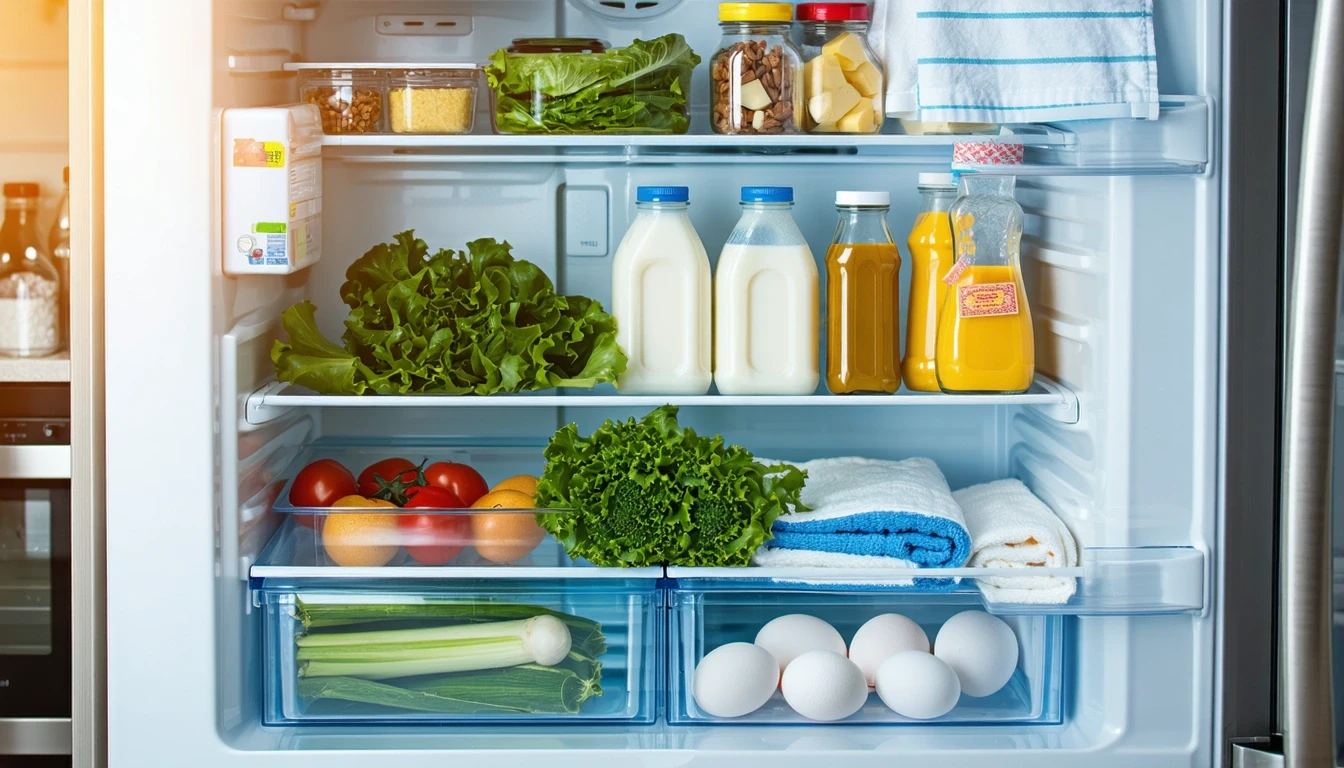
How Grocery Costs Feel in Novi
You’re standing in your kitchen on Sunday afternoon, writing out the week’s meal plan. Chicken stir-fry Monday, tacos Wednesday, maybe a roast for the weekend. You know what you need, and you know roughly what it costs—but whether that feels manageable or tight depends less on any single price and more on how your household size, income, and store choices line up with the way grocery options are distributed across Novi.
Grocery prices in Novi track close to the national baseline, with a regional price parity index of 98—meaning the city sits just slightly below the national average in terms of overall cost structure. For a household earning Novi’s median income of $110,588 per year, baseline grocery pressure is low. But that headline number hides meaningful variation. A single person buying for one feels grocery costs differently than a family of four buying in volume, and a retiree on a fixed income notices price swings that a dual-income household might absorb without adjustment. Grocery costs in Novi aren’t uniform—they’re a function of who’s shopping, where they shop, and how tightly their budget is already stretched by housing and transportation.
What makes grocery costs feel tighter or looser here isn’t just the price of milk or chicken—it’s the interaction between income cushion, household composition, and the practical realities of where stores are and how accessible they are day-to-day. Food and grocery establishments in Novi are concentrated along commercial corridors rather than evenly distributed across neighborhoods, which means that for many households, store choice is shaped as much by commute patterns and errand consolidation as by price preference. If your default grocery run fits neatly into your route home from work, you’re more likely to stick with that store even if a cheaper option exists elsewhere. That’s not laziness—it’s logistics, and it’s one reason why grocery costs feel different depending on where you live within the city and how your weekly routine is structured.
Grocery Price Signals (Illustrative)
These prices illustrate how staple items tend to compare locally—not a full shopping list. They’re derived from national baselines adjusted for regional price parity and reflect typical pricing patterns rather than any single store or week. Use them as reference points for understanding relative cost positioning in Novi, not as checkout-accurate figures.
| Item | Illustrative Price |
|---|---|
| Bread | $1.81/lb |
| Cheese | $4.59/lb |
| Chicken | $2.01/lb |
| Eggs | $2.45/dozen |
| Ground Beef | $6.60/lb |
| Milk | $3.95/half-gallon |
| Rice | $1.05/lb |
Chicken and rice anchor low-cost meal planning. Ground beef and cheese represent the higher end of everyday staples. Eggs and milk sit in the middle, and their prices tend to be more volatile seasonally and across store tiers. A household that builds meals around chicken, rice, and eggs will experience grocery costs very differently than one that leans heavily on beef, prepared foods, and premium dairy. The gap between these two approaches can be wider than the gap between cities.
Store Choice & Price Sensitivity
Grocery price pressure in Novi varies more by store tier than by any citywide average. The same basket of staples can cost noticeably different amounts depending on whether you’re shopping at a discount grocer, a mid-tier supermarket, or a premium format store—and which tier feels accessible depends on proximity, trip frequency, and how much flexibility your schedule and budget allow.
Discount tier stores deliver the lowest per-item costs, but they require trade-offs: fewer locations, limited selection, and sometimes less convenient hours or layouts. For a household already managing tight margins, those trade-offs are worth it. For a dual-income family with limited weekend time, the savings might not justify the detour. Mid-tier grocers occupy the middle ground—competitive pricing on staples, broader selection, and more convenient locations along the commercial corridors where most Novi households already run errands. This is where the majority of grocery spending happens, because it balances cost control with convenience. Premium tier stores offer prepared foods, organic options, and specialty items, but at a meaningful markup. For high-income households, that markup buys time and variety. For cost-conscious shoppers, it’s avoidable.
Because grocery establishments in Novi cluster along corridors rather than spreading evenly across neighborhoods, the store you use most often is frequently determined by your commute route and errand patterns, not just price. If the discount store requires a separate trip and the mid-tier option is on your way home, you’re more likely to default to mid-tier even if you’d prefer to save more. That’s not irrational—it’s the hidden cost of time and fuel, and it’s one reason grocery costs feel higher for households that can’t easily consolidate trips or don’t live near their preferred store tier.
What Drives Grocery Pressure Here
Income is the first filter. At $110,588, Novi’s median household income creates substantial cushion against grocery price swings for most families. A $20 or $30 difference in the weekly grocery bill doesn’t force immediate behavioral change when housing and transportation are stable. But income alone doesn’t determine pressure—it’s household size that turns moderate prices into high or low total exposure. A single person spending $250 a month on groceries barely notices a 10% price increase. A family of four spending $800 or more feels that same percentage as a recurring monthly problem.
Regional distribution and access patterns also shape how grocery costs feel day-to-day. Corridor clustering means that some Novi households live within a few minutes of multiple store options, while others face longer drives or must plan trips more deliberately. That access gap doesn’t show up in price indices, but it shows up in behavior: households with easy access to discount stores use them more often, while those farther out tend to consolidate trips at mid-tier stores and absorb slightly higher per-item costs in exchange for fewer stops. The result is that two households with identical incomes can experience meaningfully different grocery cost pressure depending on where they live within the city and how their weekly routines intersect with store locations.
Seasonality plays a quieter role. Produce prices fluctuate, and certain proteins see periodic swings, but Novi’s grocery market is stable enough that these changes feel like noise rather than shocks. Households notice them, but they rarely force wholesale menu changes unless the household is already operating close to its limit.
Practical Ways People Manage Grocery Costs
The most effective grocery cost management isn’t about couponing or deal-chasing—it’s about aligning store choice, trip frequency, and meal planning with your household’s actual constraints. Families that plan meals around weekly sales and anchor proteins reduce waste and avoid impulse purchases. Singles and couples who batch-cook staples and freeze portions stretch per-unit costs further without sacrificing variety.
Rotating between store tiers based on what you’re buying also helps. Households that buy shelf-stable staples and proteins in bulk at discount stores, then fill in produce and dairy at mid-tier grocers closer to home, capture most of the savings without adding excessive trip complexity. Shopping less frequently—once a week instead of three or four small runs—reduces both fuel costs and the likelihood of unplanned purchases, which tend to add up faster than planned items.
Choosing store brands over national brands on staples like rice, pasta, canned goods, and dairy consistently lowers costs without requiring sacrifice in quality or taste. The gap between store and name brands can be significant, especially on high-volume items, and it’s one of the easiest levers to pull without changing what you eat. Buying whole ingredients rather than prepared or pre-cut items also reduces cost per meal, though it requires more prep time—a trade-off that works better for some households than others.
Avoiding food waste has as much impact as any purchasing decision. Households that use leftovers deliberately, store perishables properly, and plan meals around what’s already in the fridge stretch their grocery dollars further without feeling deprived. The goal isn’t perfection or optimization—it’s building a routine that reduces friction, limits waste, and aligns spending with what actually gets eaten.
Groceries vs Eating Out (Directional)
Eating out costs more per meal than cooking at home, but the comparison isn’t purely financial—it’s about time, convenience, and how often your schedule allows for meal prep. A household that cooks most dinners at home and reserves restaurant meals for weekends or special occasions will spend far less on food overall than one that relies on takeout or dining out several times a week, even if grocery prices feel high.
The tradeoff becomes more complex when both adults work full-time and weeknight cooking feels like a burden rather than a routine. In those cases, the real comparison isn’t “groceries vs restaurants”—it’s “planned meals with batch cooking vs repeated small takeout orders.” Families that prep proteins and grains on weekends, then assemble quick meals on weeknights, often find they can avoid most restaurant spending without adding daily cooking stress. Singles and couples face a different calculus: cooking for one or two often means either eating the same meal multiple nights or accepting higher per-serving costs for variety.
Restaurants in Novi span casual chains, family dining, and higher-end options, and frequency of use varies widely by income and schedule. For high-income households, eating out a few times a week is a time-saving convenience that doesn’t strain the budget. For cost-conscious households, it’s an occasional treat rather than a default. The key insight is that grocery costs feel more or less manageable depending on how much of your food spending they represent—and that’s determined as much by dining habits as by prices at the store.
FAQs About Grocery Costs in Novi (2026)
Is it cheaper to shop in bulk in Novi? Bulk purchasing lowers per-unit costs on shelf-stable staples like rice, pasta, canned goods, and frozen proteins, especially at discount or warehouse-format stores. The savings are real, but they require upfront cash and storage space, which makes bulk buying more practical for families than for singles or couples in smaller homes.
Which stores in Novi are best for low prices? Discount-tier grocers consistently offer the lowest per-item costs, but they’re less widely distributed and require trade-offs in selection and convenience. Mid-tier supermarkets are more accessible and offer competitive pricing on everyday staples, making them the default for most households. Premium stores cost more but provide specialty items and prepared foods that some households prioritize.
How much more do organic items cost in Novi? Organic products typically carry a noticeable premium over conventional equivalents, with the gap widest on produce, dairy, and proteins. Households that prioritize organic options will see higher grocery totals, but the size of that increase depends on how selectively they apply the preference—buying organic for high-priority items while choosing conventional for others reduces the overall impact.
How do grocery costs for two adults in Novi tend to compare to nearby cities? Novi’s regional price parity of 98 suggests grocery costs run slightly below the national baseline, and similar to other mid-tier Detroit-area suburbs. Differences between nearby cities are usually smaller than differences between store tiers within the same city, meaning where you shop matters more than minor regional price variations.
How do households in Novi think about grocery spending when cooking at home? Most households treat grocery spending as a controllable expense that responds to planning, store choice, and waste reduction. Families with higher incomes focus on convenience and variety, while cost-conscious households prioritize discount stores, bulk staples, and meal planning around sales. The common thread is that grocery costs feel manageable when they’re predictable and aligned with how the household actually eats.
Does Novi’s corridor-based grocery layout affect costs? Yes, indirectly. Because grocery stores cluster along commercial corridors rather than spreading evenly across neighborhoods, many households default to the stores that fit their commute or errand routes, even if cheaper options exist elsewhere. That convenience cost doesn’t show up on receipts, but it shapes which store tier people use most often and how much they spend over time.
Are grocery costs in Novi rising faster than income? Grocery prices fluctuate with national trends in food production, fuel costs, and supply chain conditions, but Novi’s high median income provides cushion against short-term price swings for most households. Families already operating on tight margins feel increases more acutely, particularly when housing and transportation costs are also high. The key is whether your income is keeping pace with your total cost structure, not just grocery prices in isolation.
How Groceries Fit Into the Cost of Living in Novi
Groceries are a meaningful recurring expense, but they’re not the primary driver of cost-of-living pressure in Novi. Housing, transportation, and utilities claim larger shares of household budgets and offer less flexibility. Groceries, by contrast, respond to behavior: you can shift store tiers, adjust meal planning, reduce waste, and control frequency of restaurant spending in ways you can’t with rent or a mortgage payment.
That flexibility makes grocery costs easier to manage than fixed expenses, but it also means they’re often the first place households look when they need to reduce spending—even when the real pressure is coming from elsewhere. A family struggling with grocery costs might actually be struggling with the combined weight of high rent, long commutes, and utility volatility, with groceries serving as the visible symptom rather than the root cause. Understanding how groceries fit into your total [monthly spending in Novi: the real pressure points](/novi-mi/monthly-budget/) helps you distinguish between controllable line items and structural cost burdens that require bigger decisions.
For most Novi households, grocery costs are manageable when income is stable, household size is predictable, and store access aligns with daily routines. Pressure increases when any of those conditions shift—job loss, household expansion, or a move to a less accessible part of the city. The goal isn’t to minimize grocery spending at all costs; it’s to build a sustainable routine that keeps food costs predictable, reduces waste, and leaves room for the occasional meal out or premium purchase without destabilizing the rest of the budget.
If you’re planning a move to Novi or trying to understand whether your current grocery spending is typical, focus less on individual item prices and more on how your household size, income, and daily logistics interact with the city’s store distribution and tier options. Groceries are one piece of a larger cost structure, and managing them well means understanding where they fit relative to everything else you’re paying for.
How this article was built: In addition to public economic data, this article incorporates location-based experiential signals derived from anonymized geographic patterns—such as access density, walkability, and land-use mix—to reflect how day-to-day living actually feels in Novi, MI.