
Living comfortably in Norristown doesn’t come with a single income requirement—it comes with a set of tradeoffs that some households navigate easily and others find exhausting. The difference isn’t always how much you earn; it’s whether your income aligns with the specific pressures this place creates and whether your expectations match the lifestyle Norristown actually supports.
This article explains where income pressure shows up in Norristown, how the same earnings feel different depending on household composition, and what separates households who feel comfortable from those who feel stretched—without producing a magic number or a monthly budget you’re supposed to hit.
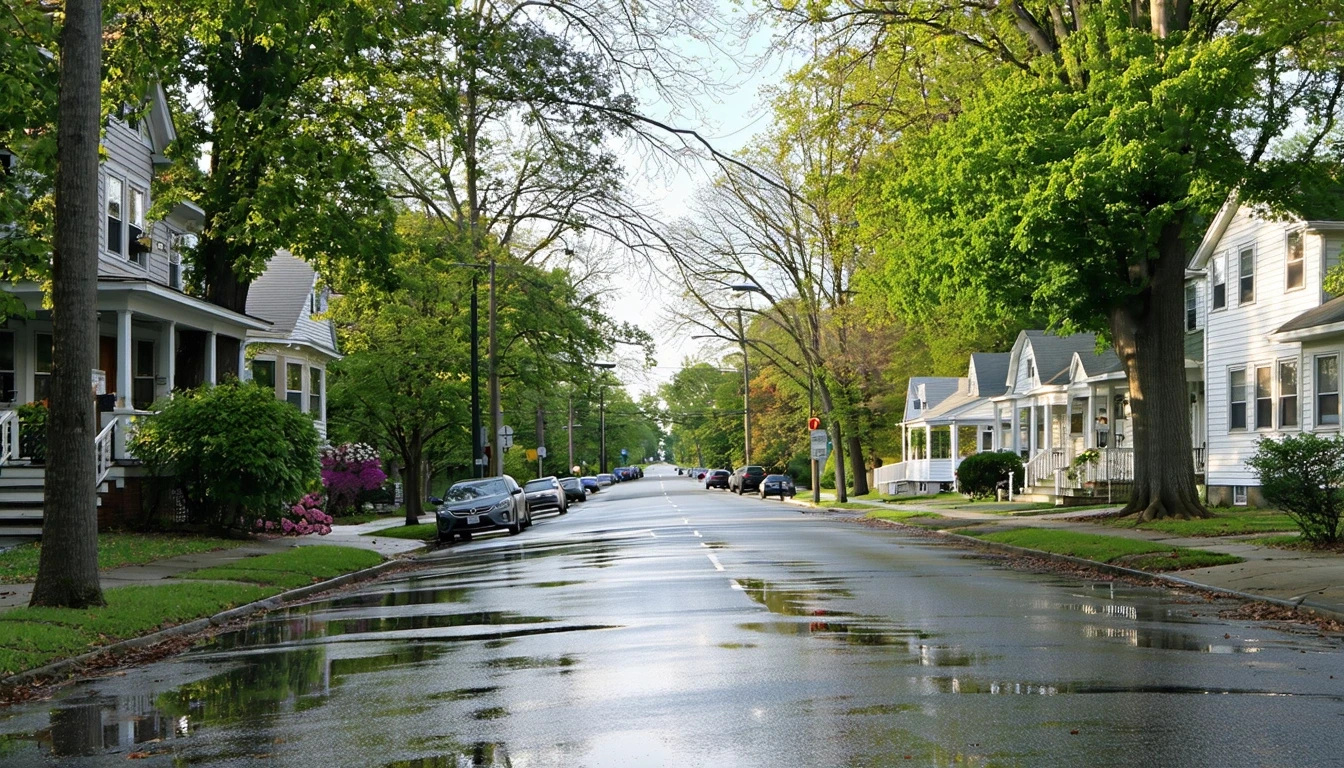
What “Living Comfortably” Means in Norristown
Comfort in Norristown isn’t about luxury—it’s about having enough slack in your finances that bills don’t dictate every decision. It means absorbing a higher-than-expected utility month without panic, choosing housing based on preference rather than pure cost, and having transportation options that don’t force you to optimize every trip around gas prices.
For some households, comfort looks like living in a walkable pocket near the rail line, running errands on foot, and keeping a car for weekends. For others, it’s a larger home farther from the center, where space matters more than transit access. Both paths can work, but they require different income levels to feel sustainable.
Norristown’s median household income sits at $59,068 per year, but that figure alone doesn’t tell you whether you’ll feel comfortable here. What matters more is how your household size, housing expectations, and transportation needs interact with the cost structure this place imposes.
Where Income Pressure Shows Up First
Housing creates the first major fork. Median gross rent runs $1,264 per month, while the median home value is $188,100. Renting offers flexibility and lower upfront cost, but it also means absorbing rent increases without building equity. Buying at that price point is accessible compared to much of the Philadelphia metro, but it requires stable income, a down payment, and the ability to handle maintenance, insurance, and property taxes that don’t stay flat over time.
The choice between renting and owning isn’t just financial—it’s a question of how much control you want over your housing costs and how much volatility you can tolerate. Renters face annual lease negotiations; owners face repair bills, tax reassessments, and insurance adjustments. Neither path eliminates pressure; they just relocate it.
Utilities add seasonal volatility that catches people off guard. Electricity rates run 20.30¢ per kWh, and natural gas costs $14.49 per MCF. Norristown experiences both hot summers and cold winters, so households face cooling costs in July and heating bills in January. The swing between low-usage months and high-demand months can be significant, and comfort often depends on whether you can absorb that variability without adjusting thermostats to uncomfortable levels or skipping other expenses.
Transportation pressure depends heavily on how you structure your daily life. Gas prices sit at $4.52 per gallon, and the average commute is 26 minutes. But those averages mask a deeper reality: Norristown has rail service and high grocery and food establishment density, which means some households can reduce car dependency significantly. If you live near transit and work along a rail corridor, your transportation costs can stay modest. If you commute by car to a job outside the transit network, fuel and maintenance costs accumulate quickly, especially if your household runs multiple vehicles.
For families, the pressure compounds. Norristown offers strong school and playground infrastructure, which is valuable—but it doesn’t eliminate the need for larger housing, higher utility usage, and less flexible transportation. Families also face childcare costs, activity fees, and the reality that one-income households experience far more pressure than dual-income households at the same total earnings level.
How the Same Income Feels Different by Household
A single adult earning slightly below the median can live comfortably in Norristown if they’re willing to prioritize access over space. Renting a smaller unit near the rail line, walking to grocery stores, and keeping transportation costs low creates a sustainable baseline. Utility bills stay manageable in a smaller footprint, and the ability to run daily errands on foot reduces the convenience tax that car-dependent households pay.
Couples without children have more flexibility. Dual incomes create a buffer that absorbs utility volatility and housing tradeoffs more easily. They can choose between optimizing for walkability or accepting car dependency in exchange for more space or a preferred neighborhood. Comfort at this household size often hinges on whether both partners are earning and whether housing expectations remain moderate.
Families face the steepest climb. Even with household income near or above the median, the combination of larger housing needs, higher utility exposure, childcare costs, and reduced transportation flexibility creates pressure that single adults and couples don’t experience. The strong family infrastructure—high school density, abundant playgrounds, and accessible parks—adds real value, but it doesn’t reduce the cost of the space required to use it. Families who feel comfortable in Norristown typically earn well above the median or have made deliberate tradeoffs around housing size, location, or vehicle count.
The Comfort Threshold (Qualitative)
Comfort in Norristown begins when you stop making decisions purely to avoid costs. It’s the point where you can absorb a high utility month without cutting back elsewhere, where housing location reflects preference rather than budget ceiling, and where transportation choices aren’t dictated entirely by gas prices.
For single adults, that threshold can arrive below the median income if housing and transportation are optimized. For couples, it often requires dual incomes and moderate housing expectations. For families, it typically demands earnings meaningfully above the median, along with a willingness to accept tradeoffs around space, location, or convenience.
The threshold isn’t a number—it’s the absence of constant financial negotiation. It’s when saving becomes plausible, when occasional discretionary spending doesn’t create guilt, and when the gap between income and essential costs feels wide enough to breathe.
Why Online Cost Calculators Get Norristown Wrong
Most cost-of-living calculators treat Norristown as a data point: plug in the rent, add average utilities, multiply commute distance by gas prices, and spit out a total. But totals don’t explain how life actually feels here.
Calculators assume everyone drives everywhere, missing the reality that Norristown’s rail access and high errands accessibility allow some households to reduce car dependency significantly. They assume uniform housing preferences, ignoring that a single adult in a small apartment experiences entirely different utility and maintenance costs than a family in a three-bedroom house. They treat seasonal utility swings as averages, which hides the real pressure of high-demand months.
Most importantly, calculators don’t account for tradeoff tolerance. Two households at the same income level can have completely different experiences depending on whether they value space over access, whether they can absorb variability, and whether their expectations match what Norristown actually offers. People feel surprised after moving not because the numbers were wrong, but because the lifestyle assumptions embedded in those numbers didn’t match their reality.
How to Judge Whether Your Income Fits Norristown
Instead of asking “Is my income high enough?” ask yourself these questions:
- How sensitive are you to housing tradeoffs? Can you accept a smaller space in exchange for walkability and transit access, or do you need more room even if it means car dependency and higher utility costs?
- Can you absorb seasonal utility swings? Norristown’s climate creates real variability between low-usage and high-demand months. Comfort depends on whether a $100+ swing feels manageable or destabilizing.
- Is time or money your limiting factor? If you can use rail transit and walk to errands, transportation costs stay low but require time and proximity. If you drive everywhere, costs rise but flexibility increases. Which constraint matters more to you?
- How much flexibility do you expect month to month? Do you need a wide buffer between income and essentials, or can you tolerate a tighter margin in exchange for other priorities?
- If you have children, can you afford the space their routine requires? Norristown’s family infrastructure is strong, but accessing it comfortably requires housing large enough to support daily life, and that drives up both rent or mortgage and utility exposure.
Your answers to these questions matter more than any income threshold. Norristown works well for households whose expectations align with its cost structure and whose income provides enough slack to navigate its tradeoffs without constant stress.
FAQs About Living Comfortably in Norristown
Is the median household income enough to live comfortably in Norristown?
It depends entirely on household size and expectations. A single adult or couple can live comfortably near the median if they optimize housing and transportation. Families typically need income above the median to avoid constant tradeoff pressure, especially if they require more space or run multiple vehicles.
Can you live in Norristown without a car?
Some households can, especially single adults or couples living near the rail line and within walking distance of grocery stores. Norristown’s transit service and high errands accessibility make car-optional life possible for those whose work and routine align with transit. Families and households with jobs outside the rail network will find car ownership much harder to avoid.
What’s the biggest expense surprise people encounter in Norristown?
Seasonal utility swings catch people off guard, especially those moving from milder climates or smaller living spaces. The gap between a low-usage spring month and a high-demand summer or winter month can be significant, and many households underestimate how much that variability affects monthly cash flow.
Does Norristown feel affordable compared to the rest of the Philadelphia metro?
Housing costs are lower than in Philadelphia proper and many inner-ring suburbs, which makes Norristown accessible for households priced out of closer-in areas. But affordability is relative—what you save on housing may be offset by transportation costs if your job requires a long commute, or by the reality that lower housing costs often come with tradeoffs around space, condition, or location.
How do you know if you’re earning enough to feel comfortable here?
You’re earning enough when bills don’t dictate every decision, when you can absorb variability without stress, and when your income leaves room for saving or discretionary spending after essentials. If you’re constantly negotiating tradeoffs, adjusting thermostats to avoid utility costs, or eliminating transportation trips to stay within budget, you’re not yet at the comfort threshold—regardless of what your income number is.
How this article was built: In addition to public economic data, this article incorporates location-based experiential signals derived from anonymized geographic patterns—such as access density, walkability, and land-use mix—to reflect how day-to-day living actually feels in Norristown, PA.
Norristown can work well for some households—but only if expectations match reality. Comfort here isn’t about hitting a specific income level; it’s about understanding where pressure comes from, knowing which tradeoffs you can tolerate, and recognizing whether your earnings provide enough slack to navigate this place without constant financial stress.
—