
Norristown sits in a mobility middle ground that surprises newcomers: it’s neither fully car-dependent nor genuinely transit-rich, and understanding that split is essential before you commit to a neighborhood. The transportation options in Norristown hinge less on what exists citywide and more on where you live within it. Proximity to rail changes everything—your daily rhythm, your errand strategy, even which housing tradeoffs make sense. People who assume Norristown works like a Philadelphia neighborhood often underestimate how quickly car dependence creeps back in once you’re a few blocks off the main corridors. And those who assume it’s purely suburban miss the real transit access that does exist, particularly for commuters willing to structure their lives around it.
What catches people off guard is how much the experience varies by block. Norristown has rail service, walkable pockets, and a street grid that supports foot traffic in parts of town—but it also has stretches where driving is the only practical option for daily errands, school runs, or evening plans. The mismatch between “transit is here” and “transit works for me” creates friction for households who don’t map their routines against infrastructure before they move.
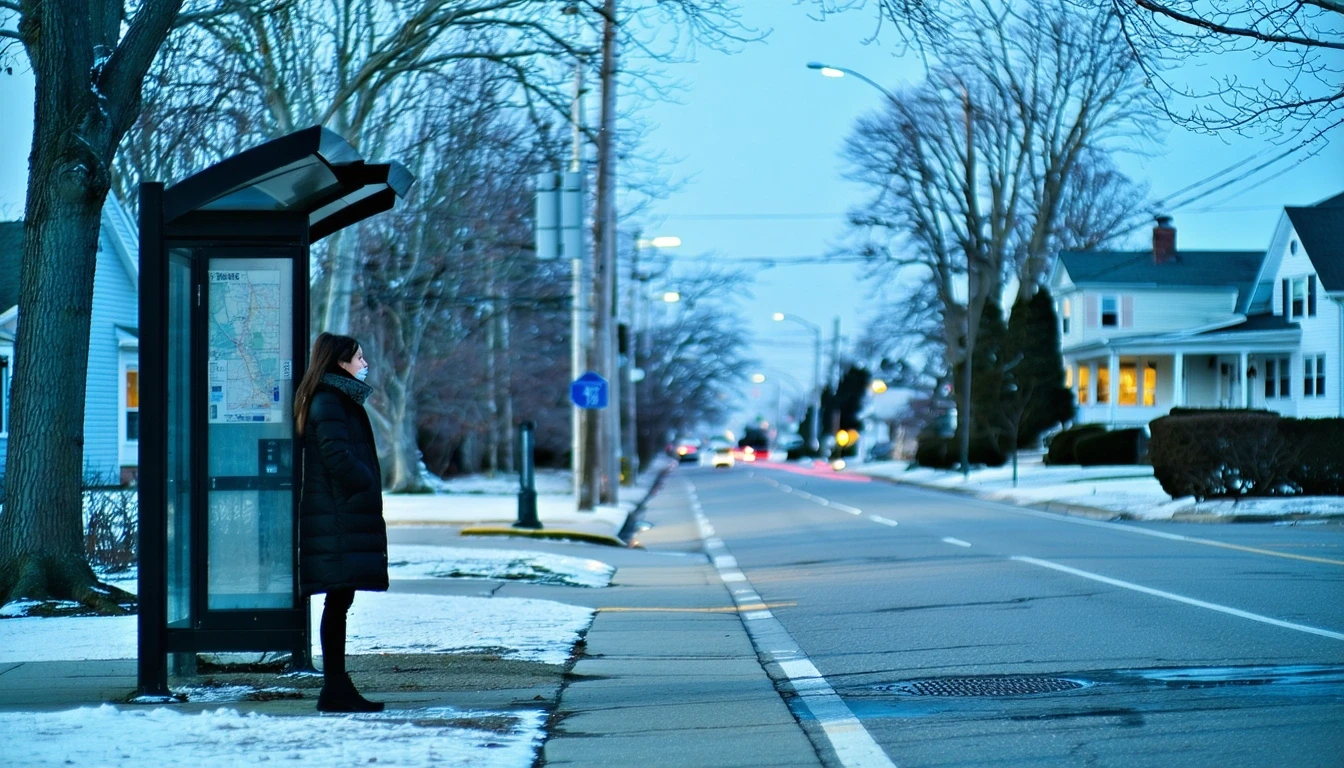
How People Get Around Norristown
Most people in Norristown drive most of the time, but a meaningful minority structures life around rail transit, and the difference between those two groups comes down to location and household complexity. The borough’s development pattern—denser near the center, more dispersed toward the edges—means mobility isn’t one-size-fits-all. Residents near the downtown core and rail stations can realistically walk to groceries, rely on transit for work commutes, and treat the car as optional for daily life. Move a mile out, and the car becomes non-negotiable.
The pedestrian-to-road ratio here sits in a middle band: there’s enough sidewalk infrastructure to support walking in established neighborhoods, but it’s not uniformly distributed. You’ll find tree-lined blocks with continuous sidewalks near schools and parks, then hit gaps where pedestrian access thins out. Cycling infrastructure exists in pockets—enough to make bike commuting viable for some routes, but not enough to call Norristown bike-friendly across the board. People who rely on bikes here tend to know their routes well and plan around the infrastructure that does exist.
What newcomers often misunderstand is that Norristown’s walkability isn’t about distance—it’s about density and land-use mix. The borough packs residential and commercial uses together in ways that make short trips possible without a car, but only if you’re living in the parts of town where that mix is strongest. If your daily destinations—work, daycare, groceries—don’t align with transit lines or walkable corridors, you’ll default to driving even if you’d prefer not to.
Public Transit Availability in Norristown
Public transit in Norristown often centers around systems such as SEPTA, which provides rail service that connects residents to Philadelphia and surrounding communities. That rail access is the backbone of transit viability here—it’s what makes car-free or car-light living possible for a segment of the population. But transit’s usefulness drops sharply depending on where you’re starting from and where you need to go.
Transit works best for people making single-destination commutes along established lines, particularly into Philadelphia. If your job, your partner’s job, or your regular obligations sit near a station, the system becomes a legitimate daily tool. But Norristown isn’t a place where you can assume transit will get you everywhere you need to go. Coverage thins in residential neighborhoods away from the core, and multi-stop errands—picking up kids, stopping for groceries, running to the pharmacy—quickly become impractical without a car.
Evening and weekend service exists, but it’s not the kind of frequency that supports spontaneous plans. People who rely on transit here tend to build their schedules around it, not the other way around. That’s fine for disciplined commuters; it’s a dealbreaker for families juggling unpredictable logistics.
The other reality is that Norristown’s transit works in one direction better than others. Commuting into Philadelphia is well-supported. Commuting laterally to other suburbs, or reverse-commuting out of Norristown, often requires a car. If your work, social life, or family obligations pull you in multiple directions, transit becomes a supplementary option rather than a primary one.
Driving & Car Dependence Reality
For most Norristown households, the car is still the default. Even people who live near transit and use it for commuting often keep a vehicle for everything else—errands, weekend trips, kid logistics, late-night flexibility. The borough’s layout supports driving well: parking is generally available, traffic is manageable compared to denser cities, and the road network connects you quickly to highways and commercial corridors.
Car dependence here isn’t about sprawl in the classic suburban sense—it’s about the limits of transit coverage and the realities of household complexity. A single person commuting to a fixed location can often make transit work. A family with two working parents, school-age kids, and weekend activities scattered across the region will almost certainly need at least one car, and often two.
The average commute in Norristown runs 26 minutes, and 42.6% of workers face longer commutes. Those numbers reflect a mix of people: some commuting into Philadelphia by rail, others driving to jobs in surrounding suburbs, and a small share working from home (6.9%). The longer commutes tend to belong to drivers navigating multi-stop routes or reaching destinations poorly served by transit.
Parking pressure is lower here than in Philadelphia, but it’s not invisible. Near the core and around transit stations, street parking can tighten during commuter hours. In residential neighborhoods farther out, off-street parking is common and rarely a source of stress. If you’re weighing whether to keep a second car, the answer usually hinges on whether both adults need independent mobility during the day.
Commuting Patterns & Daily Mobility
Commuting in Norristown breaks into two broad patterns: people who’ve built their lives around a single fixed commute, and people managing multiple stops, shifting schedules, or household logistics that don’t fit a linear route. The first group benefits enormously from rail access. The second group drives, even if they’d prefer not to.
Single-job commuters heading into Philadelphia often find that transit works well enough to skip the car entirely on weekdays. The predictability matters more than speed—knowing the train runs on a set schedule lets people structure mornings, childcare, and evening plans around it. But that only works if the rest of your life aligns. If your kids’ school, your partner’s job, or your regular errands sit in different directions, the calculus shifts.
Households with multi-stop routines—dropping kids at daycare, commuting to work, picking up groceries, shuttling to activities—almost always default to driving. Transit can’t flex around those patterns, and the time cost of stitching together multiple transit legs makes it impractical even when technically possible.
Proximity to work and services plays a bigger role here than in denser cities. People who live within walking distance of their daily needs—groceries, schools, pharmacies—gain meaningful flexibility. Those who don’t face a choice: either accept car dependence or spend significant time managing transit connections and walking gaps.
Who Transit Works For — and Who It Doesn’t
Transit fits best for renters and younger professionals living in Norristown’s walkable core, particularly those commuting into Philadelphia for work. If your apartment sits near a station, your job is transit-accessible, and your social life centers on the city, you can realistically live car-free or car-light. The borough’s strong grocery and food establishment density means daily errands stay manageable on foot, and the integrated park access supports a lifestyle that doesn’t require driving for recreation.
Families with school-age children face a more complicated picture. Norristown’s school and playground density is high, which helps if you’re living in a neighborhood where walking to school is viable. But many families find that school boundaries, activity schedules, and multi-stop logistics push them toward car dependence even if they’re near transit. The difference often comes down to whether both parents work, how flexible those jobs are, and whether extended family or neighbors can help cover gaps.
Homeowners in peripheral neighborhoods—especially those farther from the rail line—rarely find transit practical for daily life. Ownership here often correlates with car dependence, not because people prefer driving, but because the housing stock that fits larger families or offers yard space tends to sit in areas where transit coverage thins. If you’re buying in Norristown, you’re usually buying into a car-dependent routine unless you’re deliberately targeting a walkable pocket near the core.
Older adults and retirees face a tradeoff: staying in Norristown without a car is possible if you’re near services and transit, but it requires advance planning and limits spontaneity. The borough’s clinic access supports routine healthcare locally, but the absence of a hospital means some medical trips require either driving or coordinating transit to nearby facilities.
Transportation Tradeoffs in Norristown
Choosing between transit and driving in Norristown isn’t about cost—it’s about control, predictability, and how much friction you’re willing to absorb in exchange for flexibility. Transit offers lower exposure to gas price swings (currently $4.52 per gallon) and eliminates parking stress, but it locks you into fixed schedules and limits your ability to handle last-minute changes. Driving gives you independence and speed, but it ties your monthly expenses to fuel, insurance, and maintenance—all of which fluctuate and compound over time.
The real tradeoff is geographic. Moving closer to a transit line means paying more for housing in walkable neighborhoods, but it opens the door to car-light living and reduces the logistical load of coordinating schedules. Moving farther out often means lower rent or more space, but it also means accepting that nearly every trip will require a car and that your household’s transportation needs will shape your budget in ways that are harder to control.
People who thrive without cars in Norristown tend to have simplified logistics: one commute, walkable errands, and social lives that don’t require covering long distances on short notice. People who struggle without cars are usually managing complexity—multiple jobs, kids with activities, aging parents, or obligations that pull them in different directions throughout the week.
FAQs About Transportation in Norristown (2026)
Is public transit usable for daily commuting in Norristown?
Yes, if you’re commuting into Philadelphia and live near a rail station. Transit works well for single-destination commutes along established lines, but it’s less practical for multi-stop trips, lateral commutes to other suburbs, or schedules that require frequent flexibility.
Do most people in Norristown rely on a car?
Most households keep at least one car, even those who use transit regularly. Car dependence increases with household size, number of working adults, and distance from the core. Single commuters near transit can often go car-free; families with complex logistics rarely can.
Which areas of Norristown are easiest to live in without a car?
Neighborhoods near the downtown core and rail stations offer the best chance of car-free or car-light living. These areas combine transit access with walkable grocery and service density, making daily errands manageable on foot. Peripheral neighborhoods generally require a car for routine tasks.
How does commuting in Norristown compare to nearby cities?
Norristown sits between urban transit reliance and suburban car dependence. It offers better rail access than many outer suburbs but less coverage and frequency than Philadelphia. Commuters heading into the city benefit; those traveling laterally or reverse-commuting often need to drive.
Can you bike for transportation in Norristown?
Cycling is viable for some routes, particularly in areas with moderate bike infrastructure, but it’s not uniformly supported across the borough. People who bike here tend to know their routes well and plan around gaps in the network. It’s a supplementary option more than a primary one for most households.
How Transportation Fits Into the Cost of Living in Norristown
Transportation isn’t just a line item—it’s a structural factor that shapes where you can live, how much time you spend managing logistics, and how much control you have over daily expenses. In Norristown, your transportation costs and constraints hinge almost entirely on proximity: to transit, to work, to schools, to services. Households that align their housing choice with their mobility needs tend to experience less financial and logistical friction. Those who don’t often find themselves absorbing costs—in time, fuel, or stress—that weren’t obvious at signing.
The borough’s rail access creates real opportunity for people willing to structure their lives around it, but it’s not a citywide amenity. If you’re evaluating Norristown, map your daily destinations against the transit lines and walkable corridors before you commit to a lease or a purchase. The difference between a 10-minute walk to the station and a 10-minute drive to the station is the difference between optional car ownership and mandatory car dependence.
For a fuller picture of how transportation, housing, and daily expenses interact, see the breakdown in What a Budget Has to Handle in Norristown. Understanding how mobility shapes your financial exposure helps you make housing decisions that reduce friction rather than create it.
How this article was built: In addition to public economic data, this article incorporates location-based experiential signals derived from anonymized geographic patterns—such as access density, walkability, and land-use mix—to reflect how day-to-day living actually feels in Norristown, PA.