
“It’s not quite Philly, not quite the burbs — it’s this in-between thing that works if you stop comparing it to what it’s not.” That sentiment, shared across local forums and neighborhood conversations, captures the emotional core of living in Norristown. This Montgomery County borough sits at a crossroads: close enough to Philadelphia to feel the pull of the city, but distinct enough to maintain its own rhythm, its own tradeoffs, and its own identity. Understanding whether Norristown feels like home depends less on what it is and more on what you need it to be.
The Emotional Landscape of Norristown
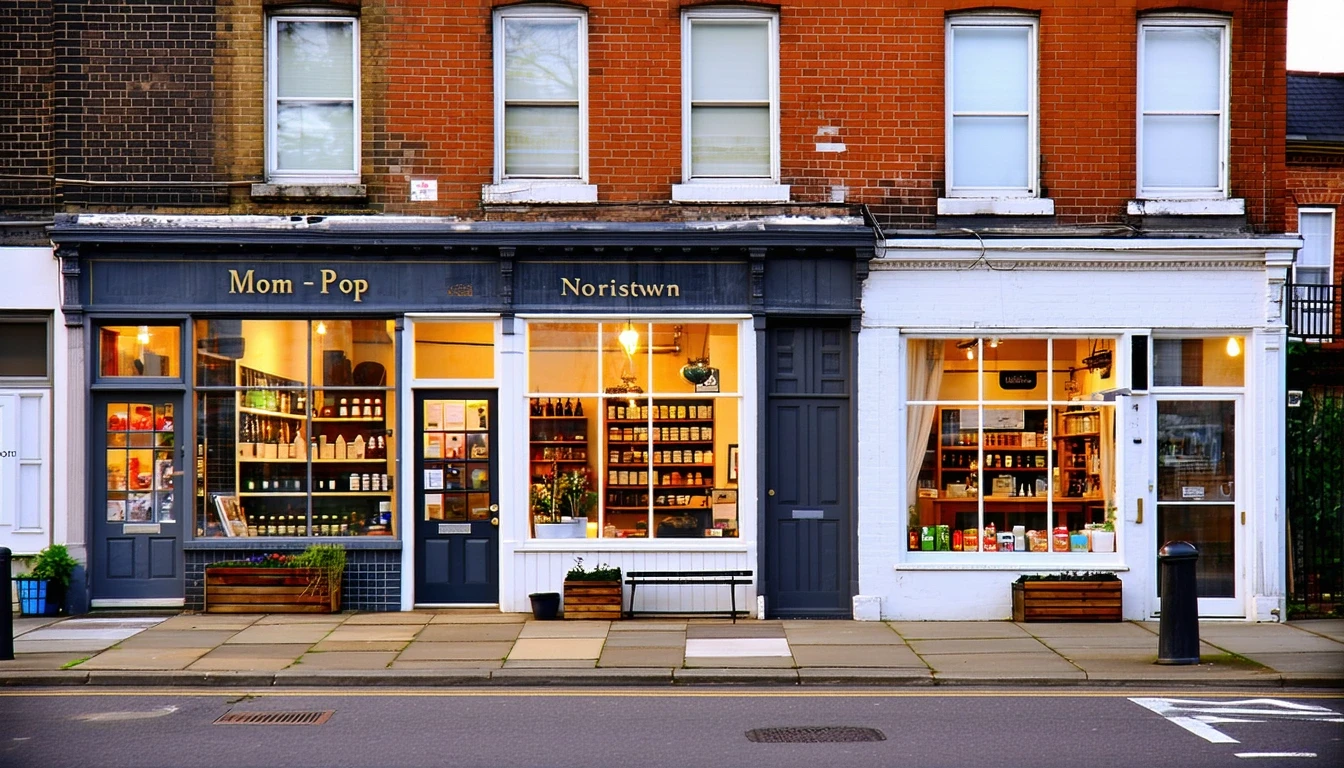
Norristown’s vibe is shaped by transition. It’s a place where rail access to Philadelphia coexists with local parks and playgrounds, where taller buildings share blocks with older residential pockets, where you can walk to the grocery store but still feel the tug of car dependency for many errands. People who thrive here tend to be those who value access without immersion — the ability to reach the city quickly without living in its center, the convenience of nearby amenities without the sensory overload of constant urban density.
What tends to feel rewarding: the practical infrastructure. Families appreciate the density of schools and playgrounds, the presence of parks woven throughout the borough, and the ability to handle daily errands on foot in many areas. Commuters value the rail connection, which transforms what could be a grinding drive into a predictable, transit-enabled routine. People who wanted more texture than a car-dependent subdivision often find Norristown delivers just enough — sidewalks that see use, a mix of residential and commercial spaces, and pockets where walking feels natural rather than novelty.
What tends to feel limiting: the sense of incompleteness. Norristown doesn’t offer the polished ease of newer suburban developments, nor does it provide the full menu of urban amenities. Healthcare access is local and routine, but those seeking specialized or hospital-level care need to look elsewhere. Cycling infrastructure exists in pockets but doesn’t form a cohesive network. The building character leans more vertical than many surrounding suburbs, which delights some and unsettles others who expected low-rise uniformity.
The people who feel “at home” here tend to be pragmatists: families who prioritize school access and park density over architectural novelty, commuters who treat rail access as non-negotiable, and households who appreciate the ability to handle day-to-day costs without the premium of closer-in Philadelphia neighborhoods. The people who feel restless are often those who arrived expecting either pure suburban simplicity or full urban vibrancy — Norristown delivers neither extreme cleanly.
Social Media Buzz in Norristown
Local online discussion tends to orbit around three emotional poles: pride in proximity, frustration with perception, and debate over direction. On platforms like Facebook neighborhood groups and regional Reddit threads, Norristown residents frequently defend the borough against dismissive comparisons, while simultaneously acknowledging its rough edges.
“People from the outside love to talk down about Norristown, but they’ve never actually spent time here. We’ve got parks, we’ve got the train, we’ve got everything we need day-to-day.”
“It’s not perfect, but where is? I can walk my kid to the playground, grab groceries without getting in the car, and be in Center City in 40 minutes. That’s the deal.”
“Honestly, I think people here are tired of being told what we’re not. We’re not Conshohocken, we’re not Ardmore — we’re Norristown, and that’s fine.”
The tone is often protective but not blind. Residents acknowledge tradeoffs — the uneven streetscape quality, the variability in neighborhood upkeep, the tension between older infrastructure and newer expectations. What emerges is less a unified cheerleading narrative and more a collective pragmatism: this is a place that works if you meet it on its own terms.
Local News Tone
Coverage of Norristown in regional outlets and community news sources tends to frame the borough through the lens of evolution and tension. Stories often focus on infrastructure updates, development proposals, and community debates about growth, rather than celebrating a fixed identity or lamenting decline. The narrative is one of a place in motion, for better or worse.
Simulated topic themes that reflect this tone:
- “Community Debates What Growth Should Look Like”
- “New Amenities Arrive as Borough Identity Evolves”
- “Residents Weigh Convenience Against Changing Character”
- “Transit Access Remains Draw Amid Shifting Landscape”
- “Families Find Infrastructure, Others Seek More Polish”
The framing is rarely celebratory or catastrophic — it’s procedural, focused on process and tradeoff. This mirrors the lived experience: Norristown doesn’t inspire passionate boosterism or universal despair. It inspires negotiation.
Review-Based Public Perception
On platforms like Google Reviews, Yelp, and Nextdoor-style community boards, Norristown’s public perception splits along expectation lines. Those who arrived seeking functional accessibility tend to praise what they find. Those who arrived expecting either suburban newness or urban polish tend to express disappointment.
Common praise:
- Walkable access to groceries and daily errands in many areas
- Strong park and playground density for families
- Rail access to Philadelphia as a major convenience factor
- Affordability relative to closer-in suburbs
- Mix of residential and commercial spaces creating some neighborhood texture
Common complaints:
- Inconsistent neighborhood upkeep and streetscape quality
- Limited nightlife and entertainment options locally
- Cycling infrastructure present but not comprehensive
- Building density higher than expected for those seeking low-rise suburban feel
- Perception gap between Norristown and neighboring boroughs
Neighborhood variation appears in reviews, though often described in broad strokes: newer planned areas versus older residential pockets, blocks closer to the train versus those farther out. The takeaway is consistent: where you live within Norristown shapes your day-to-day experience significantly, and the borough doesn’t offer visual or infrastructural uniformity.
Comparison to Nearby Cities
| Aspect | Norristown | Conshohocken | King of Prussia |
|---|---|---|---|
| Overall Vibe | Transitional, pragmatic, mixed-density | Polished, corporate-adjacent, newer feel | Retail-centric, car-oriented, suburban ease |
| Transit Access | Rail to Philadelphia, strong commuter draw | Rail present, more polished station area | Limited transit, car-dependent by design |
| Walkability | Mixed, functional in pockets | Walkable core, newer development edges | Minimal, designed for driving |
| Family Appeal | Strong school and playground density | Growing family infrastructure | Suburban family-friendly, less dense amenities |
| Perception | Underestimated, defensive pride | Aspirational, upwardly mobile | Convenient, predictable, safe bet |
Choosing between these three depends on what you’re optimizing for. If rail access and walkable errands matter more than polished aesthetics, Norristown offers a pragmatic trade. If you want the newest infrastructure and corporate-adjacent energy, Conshohocken delivers that at a premium. If you prioritize car-oriented suburban ease and retail convenience, King of Prussia is purpose-built for that lifestyle. Norristown sits in the middle: less expensive than Conshohocken, more textured than King of Prussia, but also less visually cohesive than either.
What Locals Are Saying
“We moved here from Philly when our second kid was born. Needed more space, wanted to keep the train. Norristown checked both boxes. It’s not fancy, but it works.”
— Parent of two, renting near the transit line
“I work remotely, so I’m here all day. The parks are great, I can walk to get coffee or groceries, and I’m not paying Ardmore rent. That’s the whole pitch for me.”
— Remote worker, early 30s
“Honestly, I thought it would feel more suburban. The buildings are taller than I expected, and some blocks feel more city-like than I wanted. It’s fine, just not what I pictured.”
— Newcomer from a rural area
“I’ve been here 20 years. It’s changed a lot, and not everyone loves that. But the bones are good — the train, the parks, the access. If they keep investing, it’ll keep getting better.”
— Long-time resident and homeowner
“The commute is unbeatable. I’m in Center City in under an hour, and I’m not sitting in traffic or paying city parking. That alone makes it worth it.”
— Daily commuter to Philadelphia
“It’s not walkable everywhere, but it’s walkable enough. I don’t need my car for every little thing, and that’s a big quality-of-life shift from where I was before.”
— Renter in a mixed-use area
“I wish there was more to do locally at night. If you want restaurants or entertainment, you’re heading somewhere else. But for day-to-day life, it’s solid.”
— Young professional, late 20s
Does Norristown Feel Like a Good Fit?
Norristown doesn’t ask you to fall in love with it. It asks you to decide whether its specific tradeoffs align with your non-negotiables. If rail access to Philadelphia is essential, if you value walkable errands and park access over architectural uniformity, if you’re comfortable with mixed building density and evolving neighborhood character, Norristown tends to work. Families benefit from the strong school and playground infrastructure. Commuters benefit from the transit connection. People seeking a balance between access and affordability often find Norristown delivers that equation more honestly than pricier alternatives.
It tends to frustrate those who arrived expecting either the polished ease of newer suburban developments or the full sensory menu of urban living. It’s neither. It’s a borough in transition, with infrastructure that reflects decades of evolution rather than a single planning vision. That creates texture, but also unevenness. It creates opportunity, but also uncertainty.
The question isn’t whether Norristown is “good” in the abstract. The question is whether its specific mix — transit access, walkable pockets, family infrastructure, mixed density, proximity to Philadelphia — matches what you actually need from a place. If it does, the rough edges become manageable context. If it doesn’t, those same edges become daily friction.
The perspectives shown reflect commonly expressed local sentiment and recurring themes in public discussion, rather than individual accounts.
How this article was built: In addition to public economic data, this article incorporates location-based experiential signals derived from anonymized geographic patterns—such as access density, walkability, and land-use mix—to reflect how day-to-day living actually feels in Norristown, PA.