
Myth: Utility bills in Miami Gardens are sky-high because of Florida’s electricity rates. Truth: Rates are close to the national average—it’s the relentless cooling demand and year-round humidity that drive up costs. Understanding how utilities cost in Miami Gardens means looking past the price per kilowatt-hour and focusing on what really matters: how long your AC runs, how well your home holds cool air, and whether your appliances are working against you.
Understanding Utilities in Miami Gardens
Utility costs in Miami Gardens reflect the realities of living in a tropical climate where air conditioning isn’t a summer luxury—it’s a year-round necessity. For most households, utilities rank as the second-largest monthly expense after housing, and in Miami Gardens, that burden leans heavily on electricity. Unlike cities with distinct heating and cooling seasons, Miami Gardens households face continuous exposure to heat and humidity, which means the meter rarely rests.
Utilities typically include electricity, water, trash collection, recycling, and in some cases, natural gas. For renters in apartment complexes, water and trash are often bundled into the lease or covered by the property. Single-family homeowners, on the other hand, manage each service separately, which adds both complexity and control. New movers often underestimate how much cooling costs can vary between a well-insulated townhome and an older single-family house with poor airflow and outdated windows.
What makes Miami Gardens different from many other mid-sized cities is the lack of seasonal relief. There’s no “cheap month” when the AC stays off and the heater doesn’t kick in. Instead, households face a long, steady exposure to cooling costs that only intensifies during the peak summer months. For families moving from northern climates, this can be a jarring shift—not because rates are unusually high, but because the usage never drops.
Utilities at a Glance in Miami Gardens
The table below shows how core utility costs typically behave for a mid-size household in a single-family home in Miami Gardens. Where city-level prices are available in the data feed, they are shown directly. When exact figures are not provided, categories are described qualitatively to reflect how costs are structured and what drives variability.
| Utility | Cost Structure |
|---|---|
| Electricity | 15.92¢/kWh — usage-sensitive, climate-driven |
| Water | Tiered pricing; usage-dependent |
| Natural Gas | $23.62/MCF — minimal heating demand in Miami Gardens |
| Trash & Recycling | Often bundled with water or HOA fees |
| Total | Seasonal variability driven by electricity; heating negligible |
This table reflects utility cost structure for a mid-size household in a single-family home in Miami Gardens during 2026. Where exact figures are not provided in the IndexYard data feed, categories are described directionally to reflect how costs behave rather than a receipt-accurate total.
Electricity is the dominant force in Miami Gardens utility bills. At 15.92¢ per kilowatt-hour, the rate itself is unremarkable—but the volume of usage is not. Homes with central air conditioning can easily consume over 1,500 kWh during peak summer months, and even in winter, usage rarely dips below 800 kWh. The difference between an efficient home and an inefficient one isn’t the rate—it’s how many hours the compressor runs each day.
Water costs in Miami Gardens are typically billed on a tiered structure, meaning the more you use, the higher the per-unit cost climbs. Households with irrigation systems, pools, or large families can see bills rise quickly during dry stretches. Many single-family homes receive water bills every other month, which can create sticker shock if usage isn’t tracked closely.
Natural gas plays a minimal role in most Miami Gardens households. With heating demand limited to a handful of cool nights each year, gas is primarily used for water heaters, dryers, or cooking appliances. The price of $23.62 per thousand cubic feet is relevant only to the small share of homes that rely on gas-powered systems—most households in the area use electric alternatives.
Trash and recycling services are often bundled with water bills or included in homeowners association fees, particularly in newer subdivisions. Standalone service fees vary by provider and pickup frequency, but the cost is generally stable and predictable, unlike the usage-driven swings seen with electricity and water.
Electricity is typically the most exposure-sensitive utility in Miami Gardens, driven more by climate and home efficiency than by base rates.
How Weather Impacts Utilities in Miami Gardens
Miami Gardens doesn’t experience the dramatic seasonal cost swings seen in colder climates, but that doesn’t mean weather is irrelevant. Instead of alternating between heating and cooling seasons, households here face a prolonged cooling season that stretches from late spring through early fall, with only modest relief during the winter months. Even in January, daytime temperatures regularly reach the mid-70s, and indoor humidity can make it uncomfortable to leave the AC off for long.
Summer is when utility bills peak. When outdoor temperatures climb into the low 90s and humidity makes it feel even hotter, air conditioning units run almost continuously. Homes with poor insulation, older HVAC systems, or west-facing windows absorb more heat, which forces the compressor to work harder and longer. For families in single-family homes, it’s not unusual to see electric bills double compared to the mild winter months.
Winter in Miami Gardens brings a different kind of challenge: unpredictability. Most years, heating is unnecessary, but occasional cold fronts can push overnight lows into the 50s, prompting households to flip on electric space heaters or heat pumps. These short bursts of heating demand don’t rival the sustained cooling load of summer, but they can create unexpected spikes for households that aren’t prepared. One quirk of the region: high humidity persists even in cooler months, which means dehumidifiers and bathroom exhaust fans still draw power year-round, adding a baseline load that never fully disappears.
How to Save on Utilities in Miami Gardens
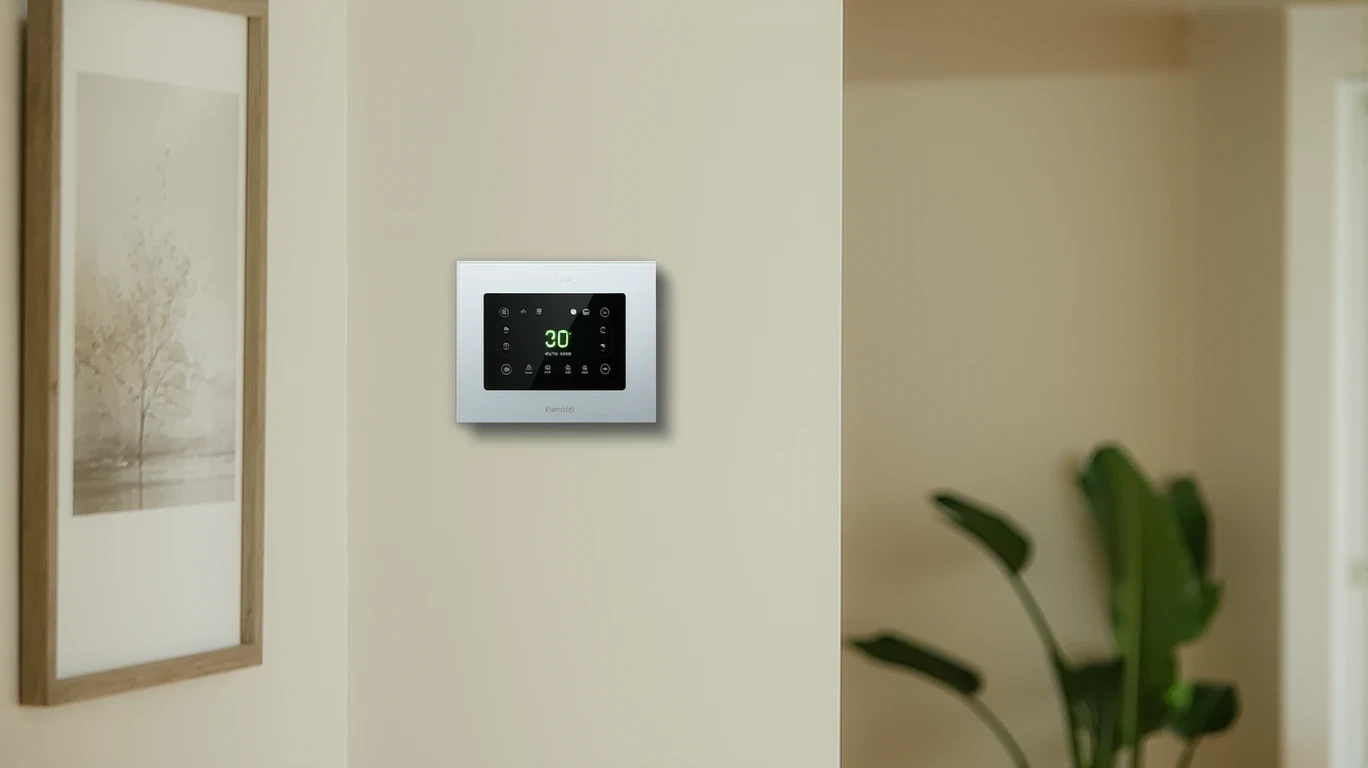
Reducing utility costs in Miami Gardens starts with controlling the biggest driver: air conditioning. Unlike cities where you can open windows for free cooling, Miami Gardens’ humidity makes that option uncomfortable most of the year. Instead, savings come from reducing how hard your HVAC system has to work. Programmable or smart thermostats allow you to raise the temperature when no one’s home and pre-cool before you return, cutting runtime without sacrificing comfort. Ceiling fans help circulate cool air, which lets you set the thermostat a few degrees higher without feeling the difference.
Insulation and air sealing are often overlooked but can have a major impact. Homes with gaps around windows, doors, or ductwork lose cool air constantly, forcing the AC to run longer cycles. Weatherstripping, caulking, and attic insulation upgrades reduce that leakage. For homeowners, planting shade trees on the south and west sides of the house can lower indoor temperatures naturally, reducing the cooling load during the hottest part of the day.
Here are additional strategies that work well in Miami Gardens:
- Enroll in time-of-use or off-peak billing programs if your provider offers them—shifting heavy appliance use to evening hours can lower costs.
- Check for state and federal solar panel incentives; Florida’s abundant sunlight makes solar a strong long-term investment for reducing electric bills.
- Upgrade to ENERGY STAR-rated appliances, especially refrigerators, water heaters, and AC units, which use significantly less electricity over their lifespan.
- Install low-flow showerheads and faucet aerators to reduce water usage without sacrificing pressure, which helps if you’re on tiered water pricing.
- Request a home energy audit from your utility provider—many offer free or subsidized assessments that identify specific inefficiencies.
🏆 Tip: Check if your provider in Miami Gardens offers rebates for energy-efficient AC units or heat pump water heaters—these programs can offset a significant portion of the upfront cost.
FAQs About Utility Costs in Miami Gardens
Why are utility bills so high in Miami Gardens during the summer?
It’s not the rates—it’s the runtime. Air conditioning units in Miami Gardens run nearly nonstop from June through September due to heat and humidity, which drives up kilowatt-hour consumption even when the price per unit stays constant.
Do HOAs in Miami Gardens usually include trash or water in their fees?
Many do, especially in townhome communities and newer subdivisions. Single-family homes in older neighborhoods typically handle water and trash separately, with bills arriving every month or every other month depending on the provider.
How much should a family of four budget for utilities in Miami Gardens each month?
Electricity will be the largest variable, and it depends heavily on home size, insulation, and AC efficiency. Water, trash, and gas (if applicable) add secondary costs, but the total is driven more by cooling exposure than by fixed fees.
Does Miami Gardens offer incentives for solar panels or energy-efficient appliances?
Florida has state-level solar incentives, and federal tax credits apply to solar installations. Some local utility providers also offer rebates for ENERGY STAR appliances and HVAC upgrades—check with your provider for current programs in 2026.
How does seasonal weather affect monthly utility bills in Miami Gardens?
Summer bills peak due to continuous air conditioning use, while winter bills drop but don’t disappear entirely. Humidity persists year-round, so dehumidifiers and ventilation systems add a baseline load even in cooler months.
How Utilities Fit Into the Cost Structure in Miami Gardens
Utilities in Miami Gardens are a cost driver shaped by climate, not just consumption. Electricity dominates because cooling is non-negotiable, and the lack of seasonal relief means households face sustained exposure rather than short-term spikes. Water costs are more predictable but can climb quickly for homes with irrigation or pools. Natural gas plays a minor role, and trash fees are typically stable. Together, these services create a recurring expense that varies more by home efficiency and household behavior than by provider pricing.
For families evaluating Miami Gardens Affordability: What’s Easy, What’s Expensive, utilities represent a controllable but persistent pressure. Unlike rent or mortgage payments, which are fixed, utility bills respond to how you use your home—making efficiency upgrades and behavioral changes valuable tools for managing Your Monthly Budget in Miami Gardens: Where It Breaks. The difference between a $120 electric bill and a $250 bill often comes down to insulation, thermostat discipline, and appliance age, not dramatic rate differences.
Understanding how utilities behave in Miami Gardens helps new movers set realistic expectations and gives current residents a framework for reducing exposure. The goal isn’t to eliminate these costs—it’s to control the variables that drive them. For a complete picture of how utilities interact with housing, transportation, and other fixed expenses, explore the full suite of cost-of-living resources available through IndexYard’s Miami Gardens hub.
How this article was built: In addition to public economic data, this article incorporates location-based experiential signals derived from anonymized geographic patterns—such as access density, walkability, and land-use mix—to reflect how day-to-day living actually feels in Miami Gardens, FL.
—