
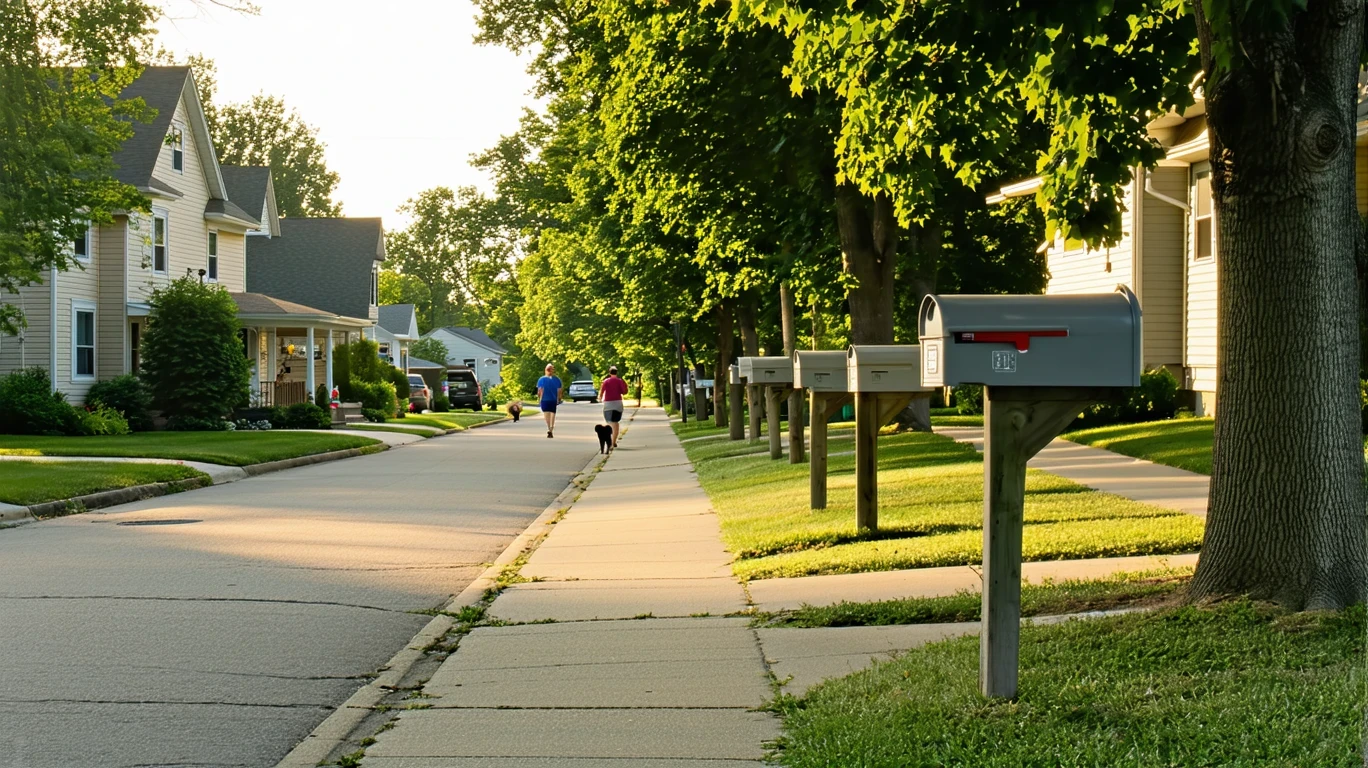
“Saint Paul has this quiet confidence—it’s not trying to be Minneapolis, and honestly, that’s the whole appeal.” That sentiment, shared across local forums and neighborhood groups, captures the emotional core of Minnesota’s capital city. Saint Paul tends to reward people who value neighborhood texture, walkable pockets, and integrated green space over flashy amenities or uniform suburban predictability. It frustrates those expecting either big-city intensity or edge-to-edge consistency. The city’s vibe is shaped by strong family infrastructure, accessible daily errands, and a park system woven into everyday life—but also by long winters, a Twin Cities identity tension, and walkability that clusters rather than blankets.
Understanding whether Saint Paul feels like home depends less on what the city has and more on what you’re willing to trade. Families with school-age children tend to feel the city was built for them. Singles and young professionals often find pockets of energy but miss the concentrated nightlife and dating scene they’d find across the river. Remote workers and outdoor enthusiasts appreciate the integrated parks and water features, but winter’s grip shapes how much of the year feels inviting. The city doesn’t try to be everything to everyone—and locals either love that focus or feel left out by it.
What the Online Conversation Reveals
Saint Paul’s social media presence—on Reddit’s r/saintpaul, neighborhood Facebook groups, and X—tends to center on neighborhood pride, frustration with winter, and the ongoing comparison with Minneapolis. The tone is protective but self-aware: residents defend the city’s character while acknowledging its limitations.
Recurring themes include:
- Neighborhood loyalty: Discussions often break down by area—Highland Park, Summit Hill, Como, Payne-Phalen—with residents describing hyperlocal identity and walkability that varies block by block.
- Winter fatigue: Cold-season complaints dominate from November through March, with frustration aimed at snow removal, heating costs, and the emotional toll of limited daylight.
- Transit ambivalence: The presence of light rail and bus service earns praise, but coverage gaps and frequency complaints surface regularly, especially from outer neighborhoods.
- Parks as identity: The Mississippi River, Como Park, and the citywide trail network generate consistent pride and are cited as reasons people stay.
- Twin Cities tension: Comparisons with Minneapolis are constant, with Saint Paul residents alternating between pride in their city’s quieter character and defensiveness about being seen as “the other one.”
Sample composite sentiments:
“Saint Paul feels like a collection of small towns that happen to share a zip code. I love my neighborhood, but I don’t feel connected to the whole city the way I thought I would.”
“If you want walkability, you have to choose your block carefully. Some areas feel like Portland, others feel like any other car-dependent suburb.”
“Winter here isn’t just cold—it’s a lifestyle commitment. If you’re not ready to embrace it, you’ll spend half the year miserable.”
How Local Coverage Frames the City
Saint Paul’s media environment—spanning neighborhood blogs, public radio, and regional outlets—tends to frame the city through themes of historic preservation, neighborhood change, and civic identity. Coverage rarely declares the city “thriving” or “struggling” in absolute terms; instead, it explores tension points: development vs. character, growth vs. affordability, regional cooperation vs. independence.
Common headline-style topics include:
- “Neighborhoods Debate What Growth Should Preserve”
- “Families Drawn to Schools and Parks Amid Housing Pressure”
- “Transit Expansion Promises Relief, But Gaps Remain”
- “Winter Preparedness Becomes Year-Round Identity”
- “Twin Cities Collaboration Tested by Competing Priorities”
The tone is rarely celebratory or alarmist—it’s procedural and community-focused, reflecting a city that sees itself as a work in progress rather than a finished product. Readers looking for clarity on “is Saint Paul good?” often find instead a portrait of tradeoffs and competing priorities.
What Reviews and Public Perception Suggest
Public reviews—on Google, Yelp, Nextdoor, and local forums—reveal a city that meets or exceeds expectations for families and outdoor enthusiasts, but underwhelms singles, nightlife seekers, and those expecting citywide walkability.
Praise tends to center on:
- Neighborhood-level walkability in established pockets, with cafes, groceries, and parks within comfortable distance
- Strong school and playground density, making family logistics manageable
- Integrated green space and water access that feels woven into daily life, not relegated to weekend trips
- A slower pace and quieter character compared to Minneapolis, appealing to those seeking “city amenities without city stress”
Complaints and disappointments include:
- Walkability that doesn’t extend citywide—”you have to live in the right neighborhood or you’re stuck driving everywhere”
- Limited nightlife, dining variety, and entertainment options compared to Minneapolis, especially for younger singles
- Healthcare access that covers routine needs but requires travel for specialized or emergency care
- Winter’s intensity, which shapes outdoor access, commute difficulty, and emotional well-being for half the year
- A sense that the city’s identity is still defined in relation to Minneapolis rather than on its own terms
Neighborhood variation matters significantly. Older, established areas closer to downtown and the river tend to deliver on walkability and mixed-use character. Newer or outer neighborhoods often feel more car-dependent, with fewer errands within walking distance and less transit coverage. Expectations set by marketing or reputation often clash with on-the-ground experience, especially for newcomers who assume “Saint Paul” means uniform access to the features that define its best-known blocks.
How Saint Paul Compares to Nearby Cities
| Dimension | Saint Paul | Minneapolis | Bloomington |
|---|---|---|---|
| Overall Vibe | Neighborhood-focused, quieter, family-oriented | Energetic, arts-driven, nightlife-heavy | Suburban, retail-centric, car-dependent |
| Walkability | Strong in pockets, uneven citywide | Broadly walkable, especially core neighborhoods | Limited, designed for driving |
| Transit Access | Rail present, bus network moderate | Extensive rail and bus, higher frequency | Bus service exists, rail limited |
| Family Appeal | High—strong schools, playgrounds, parks | Moderate—amenities present but less concentrated | High—suburban family infrastructure |
| Outdoor Access | Integrated parks, river, trails throughout | Strong park system, lakes central to identity | Parks present but less defining |
| Nightlife/Dining | Modest, neighborhood-level options | Extensive, diverse, concentrated downtown | Chain-heavy, limited independent scene |
Saint Paul sits between Minneapolis’s urban energy and Bloomington’s suburban predictability. If you value neighborhood character, family infrastructure, and outdoor integration over nightlife and uniform walkability, Saint Paul tends to deliver. If you need concentrated entertainment, a robust dating scene, or car-free living citywide, Minneapolis likely fits better. If you prefer suburban simplicity and don’t prioritize walkability, Bloomington offers that with less complexity. The choice isn’t about “better”—it’s about which tradeoffs align with your daily life and emotional priorities.
Voices from the Ground
“We moved here from a bigger city expecting to miss the energy, but honestly, having a walkable neighborhood with great parks and good schools made the tradeoff worth it. Winter is rough, though—no sugarcoating that.”
— Family with two kids, Highland Park area
“I love the quieter vibe, but dating here feels impossible. Everyone’s either married with kids or still hanging out in Minneapolis. I end up crossing the river most weekends anyway.”
— Single professional, late 20s
“Saint Paul has this underdog thing going on, and I’m here for it. It’s not trying to compete with Minneapolis—it’s just doing its own thing. But you have to pick your neighborhood carefully or you lose all the walkability people talk about.”
— Remote worker, renting near downtown
“The parks are incredible. We’re on the trails or at Como constantly. But winter is a whole different city—you have to be ready to adapt your whole routine for months at a time.”
— Couple, early 30s, outdoor enthusiasts
“I’ve been here 20 years, and the city’s changed a lot, but it still feels like a place where neighborhoods matter more than the city as a whole. That’s either charming or frustrating depending on the day.”
— Long-time resident, Payne-Phalen
“Healthcare is fine for regular stuff, but when my partner needed a specialist, we ended up driving to Minneapolis anyway. It’s not a dealbreaker, but it’s something to know upfront.”
— Couple, mid-40s
“If you’re coming from a car-dependent suburb, Saint Paul feels like a huge upgrade. If you’re coming from a truly walkable city, it feels like a compromise.”
— Newcomer from the coasts
Does Saint Paul Feel Like a Good Fit?
Saint Paul doesn’t try to be all things to all people, and that focus creates both its appeal and its limitations. The city tends to work for families seeking housing tradeoffs in walkable neighborhoods with strong schools and parks. It works for outdoor enthusiasts who value integrated green space and are willing to adapt to winter. It works for people who appreciate neighborhood texture over citywide uniformity and who don’t need concentrated nightlife or entertainment.
It tends to frustrate singles and young professionals looking for a robust social scene, people expecting walkability everywhere, and those who struggle with long, cold winters. It creates tension for anyone who wants Saint Paul to feel distinct from Minneapolis but also wants access to everything Minneapolis offers.
The city’s vibe is shaped by infrastructure that supports daily errands, family life, and outdoor access—but that infrastructure clusters rather than blankets. Your experience depends heavily on where you live, what you prioritize, and how you handle seasonal extremes. If you’re drawn to neighborhood-level community, parks woven into daily life, and a quieter pace, Saint Paul often delivers. If you need urban intensity, car-free living, or year-round outdoor comfort, the city will likely feel like a compromise.
Before deciding, consider exploring where your money goes day-to-day and whether the city’s lifestyle structure matches what you actually need—not just what sounds appealing in theory.
How this article was built: In addition to public economic data, this article incorporates location-based experiential signals derived from anonymized geographic patterns—such as access density, walkability, and land-use mix—to reflect how day-to-day living actually feels in Saint Paul, MN.
The perspectives shown reflect commonly expressed local sentiment and recurring themes in public discussion, rather than individual accounts.