

—
In Minneapolis, the median home value sits at $328,700. In Plymouth, it’s $447,600. That $118,900 gap shapes everything—not just monthly housing costs, but how households navigate transit, errands, healthcare access, and the daily friction of getting things done. Both cities share the same metro economy, the same utility rates, and nearly identical commute times, yet the cost experience diverges sharply depending on whether a household prioritizes where money goes upfront or over time, and whether car dependence or transit access defines daily logistics.
This isn’t a question of which city costs less overall. It’s about where cost pressure concentrates, which households feel it most acutely, and how different tradeoffs—housing entry barriers, transportation infrastructure, grocery accessibility, healthcare proximity—create fundamentally different financial textures for the same income level in 2026. The decision hinges on what a household can’t compromise on and what flexibility looks like when routines, space needs, and long-term plans collide with the structural realities of each place.
For families weighing suburban space against urban infrastructure, dual-income professionals managing commute logistics, or single adults balancing rent and transit dependence, the Minneapolis-Plymouth comparison reveals how cost of living isn’t a single number—it’s a pattern of exposure, predictability, and control that plays out differently depending on which city’s structure aligns with a household’s non-negotiables.
Housing Costs
Minneapolis presents a lower entry barrier across both rental and ownership markets. Median gross rent stands at $1,267 per month compared to Plymouth’s $1,625—a $358 monthly difference that compounds over lease terms and affects how much flexibility remains after housing obligations are met. For renters prioritizing proximity to rail transit, walkable errands, and hospital access, Minneapolis delivers infrastructure density that reduces reliance on secondary transportation costs, even as the rental stock skews toward smaller units in mixed-use neighborhoods.
Ownership markets diverge even more sharply. The $328,700 median home value in Minneapolis positions the city as accessible to first-time buyers and households willing to trade square footage for location advantages—shorter distances to groceries, transit stations, and medical facilities. Plymouth’s $447,600 median reflects a market oriented toward larger single-family homes, often newer construction with more predictable utility envelopes but requiring higher down payments, larger monthly obligations, and greater exposure to property tax assessments tied to suburban service delivery models. The housing stock in Plymouth tends toward low-density residential zones where car ownership becomes non-negotiable, while Minneapolis offers pockets where pedestrian infrastructure and transit reduce the need for multiple vehicles.
These differences reshape household budgets in ways that extend beyond the monthly payment. In Minneapolis, lower housing entry costs free up capacity for other priorities—whether that’s absorbing seasonal utility swings in older housing stock, managing occasional transit fares, or maintaining flexibility for career changes. In Plymouth, higher housing costs lock in predictability: newer homes with better insulation, more space for growing families, and neighborhoods designed around car-dependent routines. But that predictability comes at the cost of front-loaded financial commitment and reduced room for error if income volatility emerges.
| Housing Type | Minneapolis | Plymouth |
|---|---|---|
| Median Gross Rent | $1,267/month | $1,625/month |
| Median Home Value | $328,700 | $447,600 |
| Typical Unit Profile | Smaller units, mixed-use areas, older stock | Larger single-family, newer construction, low-density |
Housing Takeaway: Renters and first-time buyers face lower entry barriers in Minneapolis, where housing costs concentrate less of the monthly budget and leave more room for other expenses or savings. Plymouth’s higher housing costs appeal to households prioritizing space, newer construction, and suburban predictability, but require larger upfront commitments and ongoing obligations that reduce flexibility. Families needing three bedrooms and a yard will find Plymouth’s market more aligned with that need, while single adults and couples prioritizing transit access and walkable infrastructure will find Minneapolis offers better cost-to-access ratios. The difference isn’t about affordability in the abstract—it’s about which housing pressure a household can absorb and which tradeoffs align with long-term plans.
Utilities and Energy Costs
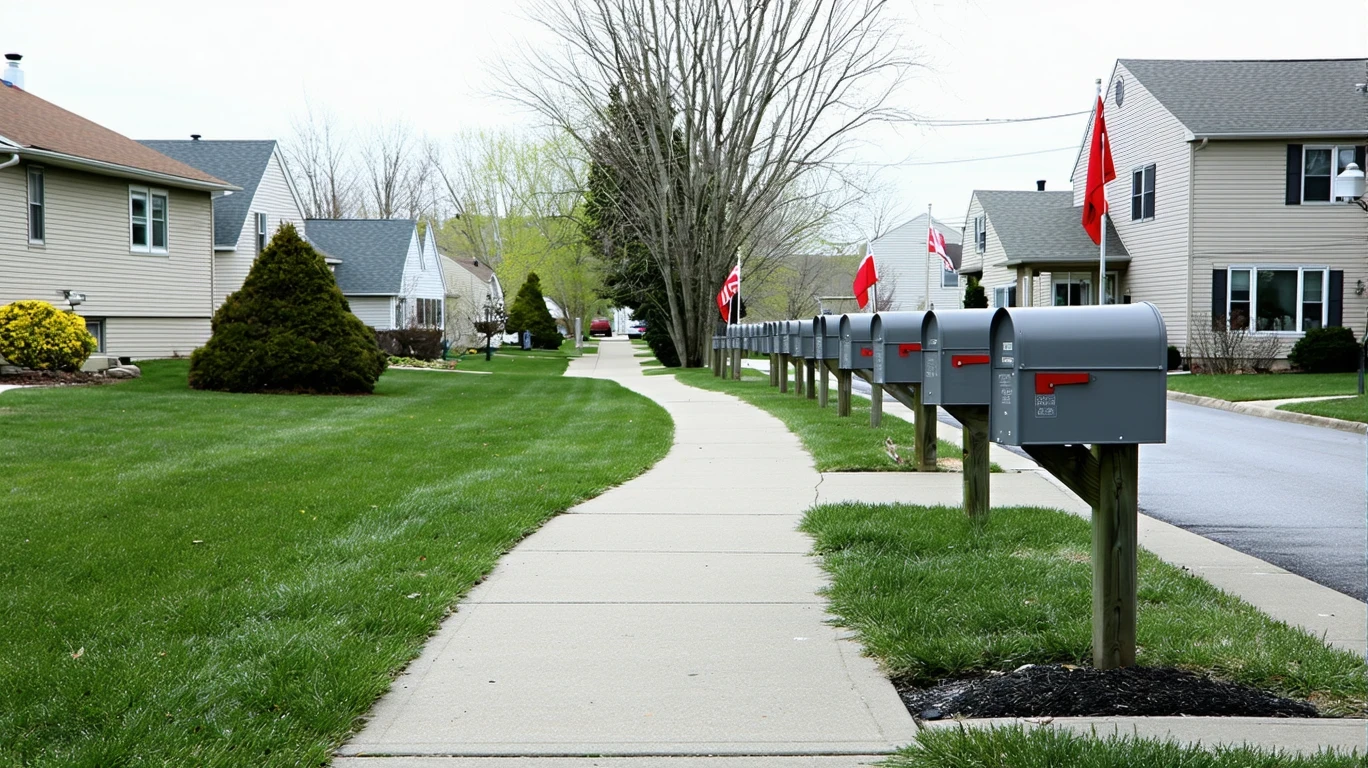
Both cities share identical utility rate structures: electricity costs 14.98¢/kWh and natural gas runs $11.17/MCF across the metro. The difference in utility exposure comes down to housing stock age, unit size, and how seasonal extremes interact with building envelopes. Minneapolis skews toward older construction—walk-up apartments, early-century homes, mixed-use buildings with less insulation—which translates to higher heating exposure during Minnesota’s long, cold winters. Households in older Minneapolis units often face unpredictable winter gas bills as drafty windows, uninsulated walls, and aging HVAC systems work harder to maintain comfort during extended sub-zero stretches.
Plymouth’s housing stock trends newer, with better insulation, modern HVAC systems, and construction standards that reduce baseline energy waste. Single-family homes dominate, meaning larger square footage to heat and cool, but the efficiency gains from newer building envelopes often offset the size penalty. Families in Plymouth experience more predictable utility costs—less month-to-month volatility, fewer emergency repair bills tied to failing furnaces or inefficient water heaters. The tradeoff: larger homes mean higher absolute usage even when efficiency is optimized, and suburban layouts eliminate the shared-wall heat retention that multi-unit buildings in Minneapolis provide.
Utility cost exposure also varies by household composition. Single adults in Minneapolis studio or one-bedroom apartments benefit from smaller spaces and shared building infrastructure, keeping baseline usage low even in older stock. Couples and families in Plymouth’s larger homes face higher absolute costs but gain control through programmable thermostats, zoned heating, and the ability to manage usage across multiple rooms. Seasonal swings hit differently: Minneapolis households in older units see sharp winter spikes with limited control, while Plymouth households experience steadier costs but less opportunity to reduce usage without sacrificing comfort in larger spaces.
Utility Takeaway: Minneapolis households in older housing stock face higher volatility and less predictability, especially during heating season, but smaller unit sizes keep absolute costs lower for singles and couples. Plymouth households benefit from newer construction and more stable utility patterns, but larger homes mean higher baseline usage and fewer opportunities to downsize energy footprint. Households sensitive to unpredictable bills may prefer Plymouth’s newer stock; those prioritizing lower absolute costs and smaller living spaces will find Minneapolis offers better control through unit size alone.
Groceries and Daily Expenses
Grocery and everyday spending pressure diverges not because of price differences—both cities draw from the same regional supply chains and metro pricing—but because of how access, density, and routine friction shape purchasing behavior. Minneapolis offers broadly accessible food and grocery options, with high-density establishments distributed across neighborhoods. This means shorter trips, more frequent small-basket shopping, and greater ability to comparison-shop or substitute based on sales. The infrastructure supports walking or transit-based errands, reducing the temptation to consolidate trips into large, infrequent hauls that encourage bulk buying and pantry overstocking.
Plymouth’s food and grocery landscape clusters along commercial corridors, requiring car trips and favoring larger, less frequent shopping runs. This shifts behavior toward big-box stores, warehouse clubs, and one-stop shopping that can reduce per-unit costs through bulk purchasing but increases the risk of waste, impulse buying, and convenience spending creep. Families with storage space and predictable consumption patterns benefit from Plymouth’s corridor-clustered model; single adults and couples without room for bulk storage or consistent meal routines face higher friction and less flexibility.
Dining out and convenience spending follow similar patterns. Minneapolis neighborhoods offer denser concentrations of cafes, quick-service options, and takeout within walking distance, which can either increase spending through accessibility or reduce it by enabling smaller, more intentional purchases. Plymouth’s car-dependent layout means dining out requires deliberate trips, which can curb frequency but also encourages higher per-visit spending when convenience becomes the priority. Households managing grocery budgets tightly will find Minneapolis offers more granular control through frequent, smaller trips; those prioritizing efficiency and bulk savings will find Plymouth’s layout supports fewer, larger shopping events.
Grocery Takeaway: Minneapolis households benefit from high-density grocery access that supports flexible, frequent shopping and reduces car dependency for errands, but the convenience can encourage incremental spending on prepared foods and takeout. Plymouth households gain efficiency through corridor-clustered shopping that favors bulk purchasing and fewer trips, but the car-dependent model increases friction for small, spontaneous errands and limits price comparison opportunities. Singles and couples prioritizing walkable access and smaller purchases will find Minneapolis reduces both cost and time friction; families managing larger volumes and seeking bulk savings will find Plymouth’s layout more aligned with their routines.
Taxes and Fees
Property taxes in both cities reflect Minnesota’s statewide reliance on real estate levies to fund schools, infrastructure, and municipal services, but the assessment base differs. Minneapolis homeowners pay taxes on a median $328,700 valuation, while Plymouth homeowners face assessments on a median $447,600 base—a difference that translates to higher absolute tax bills in Plymouth even if millage rates were identical. The higher home values in Plymouth mean property taxes consume a larger share of the monthly housing obligation, reducing flexibility for households already stretched by mortgage payments and maintenance costs.
Beyond property taxes, fee structures diverge based on housing type and municipal service delivery. Minneapolis renters and condo owners often see utilities, trash, and water bundled into rent or HOA fees, creating predictability but reducing visibility into actual consumption costs. Plymouth’s single-family dominance means more households pay these fees directly, gaining transparency and control but also absorbing the administrative friction of managing multiple billing cycles. HOA fees in Plymouth’s newer developments can bundle landscaping, snow removal, and shared amenities, adding $100–$300 monthly obligations that don’t appear in the mortgage but affect total housing cost.
Sales taxes remain consistent across the metro, but spending patterns shift the burden. Minneapolis households relying on transit, walkable errands, and smaller living spaces spend less on vehicle registration, parking fees, and car-related taxes. Plymouth households face higher transportation-related fees—vehicle tabs, fuel taxes from longer trips, and parking costs when traveling into Minneapolis for work or recreation. The structural difference isn’t the tax rate; it’s how car dependence, housing type, and service delivery models distribute the fee burden across different household profiles.
Taxes and Fees Takeaway: Plymouth homeowners face higher absolute property tax bills due to higher median home values, and single-family ownership increases direct fee exposure for utilities, trash, and maintenance. Minneapolis households benefit from lower property tax assessments and more bundled fee structures, but renters lose visibility into consumption costs. Households planning long-term ownership in Plymouth must account for higher ongoing tax obligations; those prioritizing lower entry costs and bundled predictability will find Minneapolis reduces both upfront and recurring fee complexity.
Transportation & Commute Reality
Average commute times differ by just one minute—22 minutes in Minneapolis, 23 in Plymouth—but the infrastructure supporting those commutes creates entirely different cost and time textures. Minneapolis offers rail transit alongside bus service, with pedestrian-to-road ratios that support walking and biking for errands, medical appointments, and social trips. This means households can reduce or eliminate second-car ownership, avoid parking fees, and absorb transit costs that remain predictable and lower than vehicle ownership. The 28.0% of Minneapolis workers with long commutes still face time costs, but many can use transit for that time rather than driving, reducing fuel, insurance, and depreciation exposure.
Plymouth’s bus-only transit and moderate pedestrian infrastructure mean most households depend on cars for commuting, errands, and accessing services clustered along commercial corridors. The 33.0% long commute rate reflects both geographic spread and limited transit alternatives, pushing households toward vehicle ownership even when commute times remain short. Gas prices at $3.75/gallon apply equally across both cities, but Plymouth households drive more miles per week—not just for commuting, but for groceries, healthcare, school runs, and recreation—compounding fuel costs and vehicle wear.
The bike-to-road ratio in both cities exceeds high thresholds, indicating cycling infrastructure exists, but the utility differs. In Minneapolis, biking serves as a viable commute and errand mode within walkable pockets and along transit corridors. In Plymouth, cycling infrastructure supports recreation more than transportation, with car dependence remaining the default for most daily trips. Households in Minneapolis can structure routines around one car or none; households in Plymouth face pressure to maintain multiple vehicles, absorbing insurance, registration, maintenance, and depreciation costs that don’t appear in commute time comparisons but reshape monthly budgets.
Cost Structure Comparison
Housing dominates the cost experience in Plymouth, where the $447,600 median home value and $1,625 median rent create front-loaded financial pressure that locks in predictability but reduces flexibility. Minneapolis distributes cost pressure more evenly: lower housing entry barriers free up capacity, but older housing stock introduces utility volatility, and walkable density can encourage incremental spending on convenience. The structural difference isn’t about total cost—it’s about whether a household absorbs pressure upfront through housing or manages it over time through transportation, utilities, and daily friction.
Utilities introduce more volatility in Minneapolis, where older construction and smaller unit sizes create unpredictable winter heating bills but lower absolute usage for singles and couples. Plymouth’s newer housing stock stabilizes utility costs, but larger homes mean higher baseline consumption even when efficiency is optimized. Families prioritizing predictable monthly obligations will find Plymouth’s utility profile easier to budget; households willing to manage seasonal swings in exchange for lower baseline costs will find Minneapolis offers more control through unit size.
Transportation patterns matter more in Plymouth, where car dependence becomes non-negotiable and the 33.0% long commute rate compounds fuel, maintenance, and time costs. Minneapolis households gain flexibility through rail transit, walkable errands, and the ability to reduce or eliminate vehicle ownership, but the 28.0% long commute rate still affects those working outside the urban core. The difference isn’t commute time—it’s whether a household can structure daily life around transit and density or must absorb the ongoing costs of car dependence.
Daily living and groceries shift based on access density. Minneapolis households benefit from broadly accessible food options that support frequent, flexible shopping but risk incremental spending on prepared foods and takeout. Plymouth households gain efficiency through corridor-clustered shopping that favors bulk purchasing, but the car-dependent model increases friction for small errands and limits price comparison opportunities. Households sensitive to convenience spending creep may prefer Plymouth’s layout; those prioritizing walkable access and granular control will find Minneapolis reduces both cost and time friction.
The better choice depends on which costs dominate the household. For families needing space and willing to absorb higher housing entry costs, Plymouth offers predictability, newer construction, and suburban routines that align with car-dependent lifestyles. For singles, couples, and households prioritizing transit access, lower housing barriers, and walkable infrastructure, Minneapolis reduces entry costs and distributes financial pressure across categories that offer more control. The decision isn’t about which city costs less—it’s about which cost structure a household can navigate and which tradeoffs align with long-term plans.
How the Same Income Feels in Minneapolis vs Plymouth
Single Adult
Housing becomes the first non-negotiable, and the $358 rent difference between cities reshapes what remains. In Minneapolis, lower rent and walkable errands reduce transportation pressure, allowing flexibility for savings, dining out, or absorbing seasonal utility swings in older apartments. In Plymouth, higher rent or mortgage obligations consume more of the budget upfront, and car ownership becomes mandatory, compressing discretionary spending and reducing room for income volatility. The difference isn’t lifestyle quality—it’s whether flexibility comes from lower housing costs and transit access or gets locked into predictable but higher ongoing obligations.
Dual-Income Couple
Transportation and housing interact differently depending on commute patterns and space needs. In Minneapolis, rail transit and walkable density allow one-car or no-car households, freeing up capacity for housing upgrades, savings, or absorbing higher grocery costs from convenience spending. In Plymouth, two-car dependence becomes the default, and higher housing costs push couples toward longer-term ownership commitments that reduce short-term flexibility but stabilize monthly obligations. The time cost of errands matters more in Plymouth, where car trips replace walking; the cash cost of housing matters more in Minneapolis, where older stock introduces utility unpredictability.
Family with Kids
Space needs and school proximity dominate, and Plymouth’s larger housing stock aligns with families willing to absorb higher entry costs for predictable suburban routines. Car dependence becomes non-negotiable for school runs, activities, and errands, but newer construction reduces utility volatility and maintenance surprises. In Minneapolis, lower housing costs and hospital proximity offer advantages, but limited family infrastructure and smaller unit sizes push families toward ownership markets where older homes introduce deferred maintenance exposure. The tradeoff isn’t affordability—it’s whether a family prioritizes space and predictability or access and lower entry barriers, and whether car dependence or transit proximity better supports daily logistics.
Decision Matrix: Which City Fits Which Household?
| Decision factor | If you’re sensitive to this… | Minneapolis tends to fit when… | Plymouth tends to fit when… |
|---|---|---|---|
| Housing entry + space needs | You need lower upfront costs or prioritize access over square footage | Lower median rent and home values reduce entry barriers and free up budget flexibility | You can absorb higher entry costs in exchange for larger homes and newer construction |
| Transportation dependence + commute friction | You want to avoid or reduce car ownership and related ongoing costs | Rail transit and walkable errands reduce vehicle dependence and parking exposure | You accept car dependence as non-negotiable and prioritize suburban driving convenience |
| Utility variability + home size exposure | You prioritize predictable monthly bills or need to minimize baseline usage | Smaller units reduce absolute costs but older stock introduces seasonal volatility | Newer construction stabilizes utility costs despite larger square footage |
| Grocery strategy + convenience spending creep | You want walkable access to food or need to control incremental spending | High-density grocery access supports frequent small trips and reduces car dependence | Corridor-clustered shopping favors bulk purchasing and fewer car trips |
| Fees + friction costs (HOA, services, upkeep) | You want bundled predictability or need to minimize direct fee management | Lower property tax assessments and bundled utilities reduce ongoing fee complexity | You accept higher property taxes and direct fee exposure for suburban service delivery |
| Time budget (schedule flexibility, errands, logistics) | You need to minimize errand friction or value walkable convenience | Walkable errands and transit reduce time spent on logistics and car-dependent routines | You can absorb car-dependent errands and prioritize fewer, consolidated trips |
Lifestyle Fit
Minneapolis and Plymouth offer distinct lifestyle textures shaped by infrastructure density, transit access, and how daily routines unfold. Minneapolis delivers walkable pockets with substantial pedestrian infrastructure, rail transit connectivity, and broadly accessible food and grocery options that support spontaneous errands, social outings, and car-free or car-light living. The urban form mixes residential and commercial land use, creating neighborhoods where coffee shops, clinics, parks, and transit stations sit within walking distance. For households prioritizing convenience, cultural amenities, and the ability to structure life around transit and density, Minneapolis reduces the time and cost friction of daily logistics.
Plymouth’s moderate pedestrian infrastructure and bus-only transit create a suburban rhythm where car dependence becomes the default but cycling infrastructure supports recreation and neighborhood connectivity. Parks and green space integrate into the landscape, offering outdoor access without the density of urban trails or waterfronts. The corridor-clustered grocery and service model favors planned trips over spontaneous errands, and the lower-density residential zones provide space, quiet, and separation from commercial activity. Families seeking yard space, newer construction, and suburban routines will find Plymouth aligns with car-dependent lifestyles and predictable neighborhood patterns.
Healthcare access differs structurally: Minneapolis offers hospital presence alongside clinics and pharmacies, reducing travel time for emergencies and specialist care. Plymouth provides routine local clinics and pharmacies but requires trips into Minneapolis or other metro hubs for hospital services. For households managing chronic conditions, raising young children, or prioritizing proximity to comprehensive medical facilities, Minneapolis reduces healthcare logistics friction. Plymouth households accept longer travel for hospital care in exchange for suburban space and lower-density living.
Minneapolis commute times average 22 minutes, with 28.0% of workers experiencing long commutes. Plymouth commute times average 23 minutes, with 33.0% facing long commutes, reflecting greater geographic spread and limited transit alternatives.
Frequently Asked Questions
Is Minneapolis or Plymouth cheaper for renters in 2026?
Minneapolis offers lower median gross rent at $1,267 per month compared to Plymouth’s $1,625, reducing housing pressure for renters. The $358 monthly difference compounds over lease terms and affects how much flexibility remains after housing obligations. Minneapolis also provides rail transit and walkable errands access, which can reduce transportation costs for renters who don’t own cars. Plymouth’s higher rent reflects newer construction and larger units, appealing to renters prioritizing space and suburban predictability over lower entry costs.
How do housing costs in Minneapolis vs Plymouth affect first-time homebuyers in 2026?
Minneapolis presents a lower entry barrier with a median home value of $328,700 compared to Plymouth’s $447,600—a $118,900 difference that affects down payment requirements, monthly mortgage obligations, and property tax exposure. First-time buyers in Minneapolis gain access to urban infrastructure, transit connectivity, and walkable neighborhoods, but may face older housing stock with higher maintenance and utility volatility. Plymouth’s higher home values reflect larger single-family homes and newer construction, offering predictability and space but requiring greater upfront financial commitment and ongoing obligations.
Which city has better transit access for households trying to reduce car dependence in 2026?
Minneapolis offers rail transit alongside bus service and walkable pockets with high pedestrian-to-road ratios, making it viable for households to reduce or eliminate car ownership. Plymouth provides bus-only transit and moderate pedestrian infrastructure, meaning most households depend on cars for commuting, errands, and accessing services. The structural difference reshapes transportation costs: Minneapolis households can avoid vehicle ownership expenses, while Plymouth households face ongoing costs for fuel, insurance, maintenance, and registration tied to car-dependent routines.
How do grocery and errands costs compare between Minneapolis and Plymouth in 2026?
Grocery prices don’t differ between the cities—both draw from the same regional supply chains—but access density and infrastructure shape spending behavior. Minneapolis offers broadly accessible food and grocery options distributed across neighborhoods, supporting frequent small-basket shopping and walkable errands that reduce car dependence. Plymouth’s corridor-clustered grocery model requires car trips and favors bulk purchasing, which can reduce per-unit costs but increases friction for spontaneous errands and limits price comparison opportunities. Households prioritizing walkable access will find Minneapolis reduces time and cost friction; those seeking bulk savings and fewer trips will find Plymouth’s layout more efficient.
Do utility costs differ between Minneapolis and Plymouth in 2026?
Both cities share identical utility rates—14.98¢/kWh for electricity and $11.17/MCF for natural gas—but housing stock age and unit size create different exposure patterns. Minneapolis skews toward older construction with less insulation, leading to higher heating volatility during Minnesota’s long winters, though smaller unit sizes keep absolute costs lower for singles and couples. Plymouth’s newer housing stock offers better insulation and more predictable utility costs, but larger single-family homes mean higher baseline consumption. Households sensitive to unpredictable bills may prefer Plymouth’s newer construction; those prioritizing lower absolute costs will find Minneapolis offers control through smaller living spaces.
Conclusion
Minneapolis and Plymouth don’t compete on total cost—they offer fundamentally different cost structures that fit different household priorities. Minneapolis delivers lower housing entry barriers, rail transit access, walkable errands density, and hospital proximity, distributing financial pressure across categories where households gain control through infrastructure and density. Plymouth concentrates cost upfront through higher housing values and ongoing obligations, but stabilizes utility exposure, supports larger living spaces, and aligns with car-dependent suburban routines that favor families prioritizing predictability and space over urban access.
The decision hinges on which costs a household can absorb and which tradeoffs align with long-term plans. Singles and couples prioritizing transit access, lower rent, and walkable infrastructure will find Minneapolis reduces entry barriers and offers flexibility through density. Families needing space, newer construction, and suburban predictability will find Plymouth’s higher housing costs deliver stability and room to grow, even as car dependence and corridor-clustered services become non-negotiable. Neither city wins universally—each fits households whose non-negotiables match the structural realities of how cost, access, and daily logistics unfold in 2026.
How this article was built: In addition to public economic data, this article incorporates location-based experiential signals derived from anonymized geographic patterns—such as access density, walkability, and land-use mix—to reflect how day-to-day living actually feels in Minneapolis, MN.