
Minneapolis housing costs reflect a market shaped by cold-climate exposure, transit infrastructure, and a mix of walkable urban neighborhoods and car-dependent residential zones. The median home value sits at $328,700, while median gross rent runs $1,267 per month. These figures anchor a cost structure where overall living costs depend heavily on location choice, heating season length, and whether households can reduce car dependency through proximity to rail transit and dense errand infrastructure.
What distinguishes Minneapolis from peer metros is the interaction between urban form and climate. Parts of the city offer high pedestrian-to-road ratios, rail service, and grocery density that exceeds typical thresholds—creating pockets where renters can avoid car ownership entirely. Meanwhile, ownership exposes households to long heating seasons, natural gas volatility, and maintenance demands driven by freeze-thaw cycles and older housing stock. The decision between renting and buying isn’t just financial—it’s about choosing which exposures to accept and which to avoid.
This article explains how housing costs behave in Minneapolis, what drives rent and ownership differences, and which household types fit each path. It does not calculate affordability or simulate budgets; it explains cost structure so readers can map their own priorities onto the city’s realities.
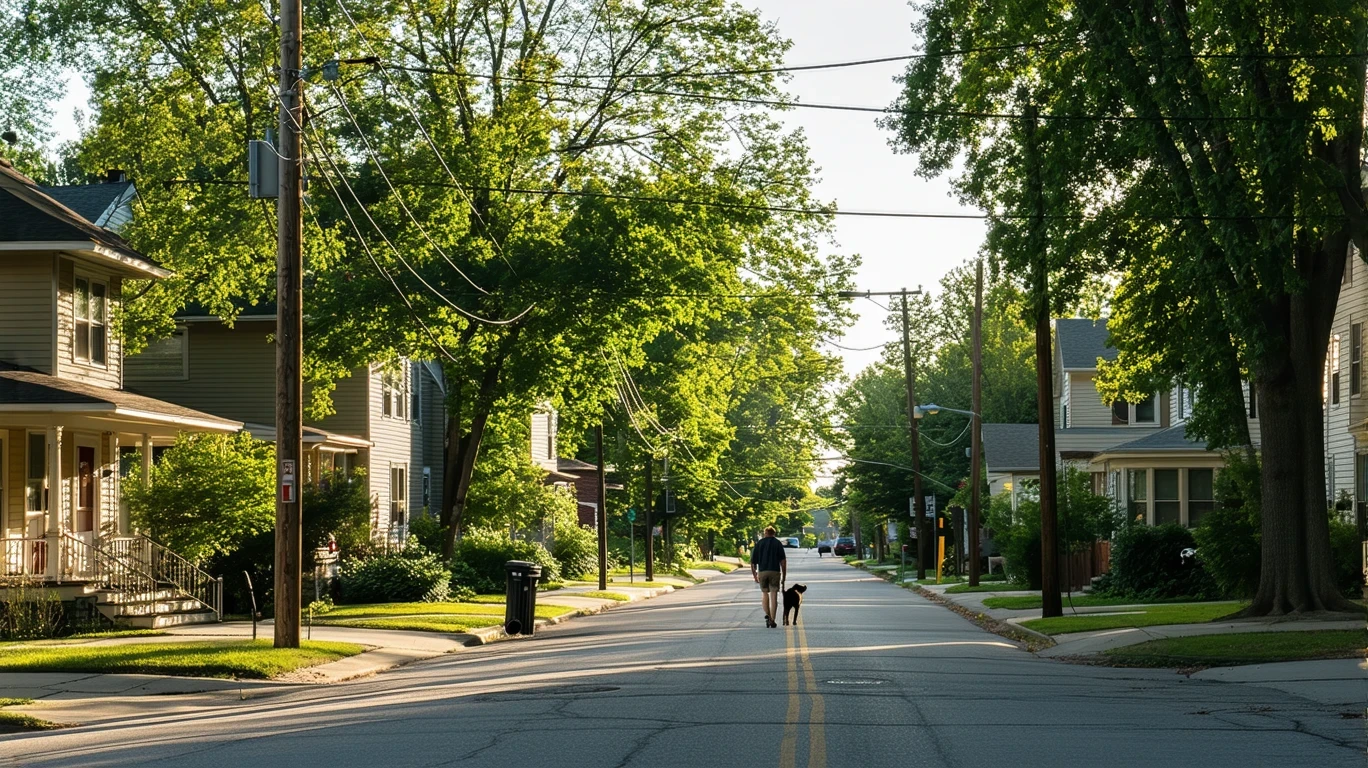
The Housing Market in Minneapolis Today
Minneapolis operates as a regional employment hub with a low unemployment rate of 2.8%, supporting steady housing demand. The market is not uniform: neighborhoods near rail stations and high-density commercial corridors command rent premiums but reduce transportation costs, while outer residential areas offer lower acquisition costs at the expense of car dependency and longer commutes.
The city’s housing stock includes a mix of low-rise and medium-height buildings, with both residential and commercial land use present throughout. This mixed urban form creates variation in housing type availability—renters can find apartments in walkable areas with integrated parks and water features, while buyers often target single-family homes in quieter blocks where heating and yard maintenance become primary cost drivers.
Newcomers frequently underestimate the cost impact of Minneapolis’s extended heating season. Natural gas prices sit at $11.17 per MCF, and homes built before modern insulation standards can see significant winter utility spikes. This climate exposure doesn’t appear in list prices or rent ads, but it shapes long-term cost experience more than many upfront differences.
The market also rewards proximity to grocery density and transit. Areas where food and grocery establishment density exceeds high thresholds allow households to consolidate errands on foot or by bike, reducing both transportation costs and time friction. Renters who prioritize these zones trade higher base rent for lower operational costs; buyers in the same areas face steeper acquisition prices but gain insulation from fuel price volatility.
Renting in Minneapolis
Rental costs in Minneapolis vary by access, not just size. The median gross rent of $1,267 per month reflects a citywide average, but the experience differs sharply depending on whether a unit sits in a walkable pocket with rail access or a car-dependent zone requiring vehicle ownership.
Renters in neighborhoods with high pedestrian infrastructure and rail service face higher base rents but avoid car payments, insurance, and fuel costs. These areas also offer grocery and food establishment density that supports daily errands on foot, reducing the need for bulk shopping trips or delivery fees. The result is a rent premium that substitutes for transportation expense rather than adding to it.
Outside these pockets, rent drops but car dependency rises. Commute times average 22 minutes, but only 3.8% of workers operate from home, meaning most renters in less-connected areas drive daily. At $3.75 per gallon, fuel costs accumulate quickly, and 28.0% of workers face long commutes that extend exposure further. The rental savings in these zones often disappear into transportation budgets.
Rental volatility in Minneapolis follows employment and migration patterns rather than seasonal swings. The low unemployment rate supports landlord pricing power, but the presence of rail transit and mixed-use zoning creates competitive pressure in walkable areas where renters can easily compare options. Lease renewals tend to reflect metro-wide trends rather than hyperlocal scarcity, meaning renters gain some predictability year-over-year.
Renters also avoid direct exposure to heating cost volatility. While utilities are typically billed separately, the responsibility for efficiency upgrades and insulation improvements falls to property owners. This shifts long-term climate risk away from renters, though it also removes control over usage reduction strategies.
Owning a Home in Minneapolis
Ownership in Minneapolis centers on managing climate exposure and maintenance cycles. The median home value of $328,700 represents the acquisition cost, but the ongoing expense profile is dominated by heating, property upkeep, and the structural demands of cold-weather housing.
Heating costs are the primary variable expense for homeowners. Natural gas prices fluctuate, and older homes—common in Minneapolis’s established neighborhoods—often lack modern insulation or efficient HVAC systems. Winter months drive the highest utility bills, and homeowners bear full responsibility for both the cost and the efficiency improvements needed to reduce it. Unlike renters, owners can invest in insulation, window upgrades, or thermostat controls, but these require upfront capital and time to pay off.
Maintenance in a cold climate follows a different rhythm than in temperate zones. Freeze-thaw cycles stress foundations, roofs, and exterior materials. Ice dams, gutter damage, and driveway cracking are recurring issues, not one-time fixes. Homeowners also manage snow removal, either through labor or contracted services, adding seasonal cost and logistics that renters avoid entirely.
Property taxes and insurance represent fixed costs that rise over time, though the rate and trigger points vary by jurisdiction and assessment cycles. Homeowners in Minneapolis do not face the same tax structures as those in states with caps or exemptions, meaning long-term ownership exposure includes both market-driven appreciation and policy-driven levy increases.
Ownership also provides control over housing stability. Renters face lease-end uncertainty and landlord decisions; owners lock in a fixed location and can modify the property to suit changing needs. For families, this stability supports school continuity and neighborhood integration. For remote workers, it allows investment in home office infrastructure without landlord approval or lease-term risk.
Apartment vs House in Minneapolis — Cost Behavior Comparison
| Expense Category | Apartment | House |
|---|---|---|
| Heating Exposure | Shared walls and smaller footprint reduce heating load; landlord controls efficiency upgrades | Full building envelope exposure; owner controls insulation and system efficiency but bears full cost of long heating season |
| Maintenance Responsibility | Landlord handles structural, HVAC, and exterior repairs; tenant avoids freeze-thaw damage costs | Owner manages all repairs, including cold-climate stressors like ice dams, foundation shifts, and snow removal |
| Transportation Dependence | Often located in walkable pockets with rail access and high grocery density, reducing car need | Typically in lower-density residential zones requiring car ownership for errands and commuting |
| Outdoor Space | Access to integrated parks and water features without yard maintenance costs | Private yard requires seasonal upkeep, snow clearing, and landscaping labor or expense |
Methodology note: The table includes only categories where Minneapolis-specific factors—climate, urban form, or transit infrastructure—create meaningful cost behavior differences. Generic distinctions (e.g., “houses are larger”) are omitted because they do not explain how costs behave differently in this city. Heating exposure reflects the extended cold season and housing stock age; transportation dependence reflects the presence of rail and walkable pockets with high errand density; outdoor space reflects integrated park access and private yard maintenance demands in a freeze-thaw climate.
Utilities & Upkeep Differences
Utility and maintenance costs in Minneapolis are shaped by climate intensity and housing type. Apartments benefit from shared walls and smaller conditioned spaces, which reduce heating loads during the long winter season. Houses, by contrast, expose owners to the full cost of heating a detached structure, often with older insulation and larger square footage. Natural gas prices at $11.17 per MCF and electricity at 14.98¢ per kWh set the baseline, but actual bills depend on building age, system efficiency, and occupant behavior.
Heating dominates winter utility exposure for homeowners. Older single-family homes—common in Minneapolis’s established neighborhoods—often lack modern insulation standards, leading to higher gas consumption. Owners can reduce usage through insulation upgrades, programmable thermostats, and HVAC maintenance, but these require upfront investment and do not eliminate the seasonal cost spike. Apartment renters avoid this volatility; landlords absorb efficiency decisions, and smaller units naturally consume less.
Maintenance cycles in Minneapolis follow freeze-thaw patterns. Roofs, gutters, and foundations experience stress from ice expansion and contraction, requiring periodic inspection and repair. Houses demand active management of these systems, while apartment tenants rely on property management to handle structural upkeep. Snow removal is another recurring task for homeowners—either through personal labor or contracted services—that apartment dwellers avoid.
Cooling costs remain minor compared to heating. Summers are warm but not extreme, and electricity usage for air conditioning does not approach the intensity of winter gas consumption. This asymmetry means homeowners face predictable low bills in summer and variable high bills in winter, while renters experience flatter year-round utility costs due to building efficiency and landlord-managed systems.
Rent vs Buy: Long-Term Exposure in Minneapolis
The rent-versus-buy decision in Minneapolis is a choice between different risk profiles, not a simple cost comparison. Renters accept lease-term uncertainty and landlord control in exchange for avoiding heating volatility, maintenance cycles, and property tax exposure. Owners accept upfront acquisition costs and ongoing climate-driven expenses in exchange for housing stability and control over efficiency investments.
Renters face annual lease renewals that reflect metro-wide rental trends and local employment conditions. The low unemployment rate of 2.8% supports landlord pricing power, but competition in walkable areas with rail access and high grocery density creates some downward pressure. Renters cannot control rent changes, but they also avoid the compounding exposure of property taxes, insurance increases, and major system replacements that homeowners manage over time.
Homeowners gain predictability in housing payments—fixed-rate mortgages lock in principal and interest—but face variable costs in utilities, maintenance, and taxes. Heating expenses fluctuate with natural gas prices and winter severity, and cold-climate maintenance (roof repairs, foundation work, snow removal) follows irregular cycles that require cash reserves. Property taxes and insurance premiums tend to rise over time, though the pace and triggers vary by jurisdiction and assessment rules.
Ownership also provides control over housing modifications and efficiency improvements. Homeowners can invest in insulation, window upgrades, or HVAC replacements to reduce long-term heating costs, while renters depend on landlord decisions. For households planning to stay in Minneapolis long-term, this control allows gradual reduction of climate exposure through capital investment. For those uncertain about duration, renting avoids locking capital into a market where exit timing and transaction costs matter.
The decision also depends on transportation tradeoffs. Renters in walkable pockets with rail access can avoid car ownership, offsetting higher rent with lower transportation costs. Buyers in the same areas face steeper acquisition prices but gain stability in neighborhoods where errands, commuting, and daily logistics require minimal driving. Buyers in car-dependent zones pay less upfront but accept ongoing fuel, insurance, and vehicle maintenance costs that renters in transit-rich areas avoid.
FAQs About Housing Costs in Minneapolis
How much does heating cost for homeowners in Minneapolis?
Heating costs depend on home size, insulation quality, and system efficiency. Natural gas prices sit at $11.17 per MCF, and the extended cold season means winter months drive the highest utility bills. Older homes with poor insulation face significantly higher costs than newer or upgraded properties. Homeowners control efficiency improvements but bear the full cost of seasonal usage spikes.
Is renting cheaper than owning in Minneapolis?
Renting avoids upfront acquisition costs, property taxes, and maintenance exposure, but it does not eliminate housing expense—it shifts the risk profile. Renters in walkable areas with rail access pay higher base rent but avoid car dependency, while renters in car-dependent zones face lower rent but higher transportation costs. Ownership locks in housing stability but exposes households to heating volatility, cold-climate maintenance, and long-term tax increases. The answer depends on household priorities, duration of stay, and tolerance for different types of cost uncertainty.
What neighborhoods in Minneapolis allow renters to avoid car ownership?
Areas with high pedestrian infrastructure, rail transit access, and grocery density above typical thresholds support car-free living. These neighborhoods allow renters to handle daily errands on foot or by bike and use rail service for longer trips. Rent premiums in these zones often substitute for transportation costs rather than adding to them, making the total cost profile competitive with car-dependent areas once fuel, insurance, and vehicle maintenance are included.
How does Minneapolis’s climate affect long-term homeownership costs?
The extended heating season and freeze-thaw cycles create recurring cost exposure for homeowners. Winter utility bills reflect natural gas consumption for heating, and older homes without modern insulation face higher usage. Maintenance cycles include roof repairs, gutter replacement, foundation monitoring, and snow removal—all driven by cold-weather stress on building systems. Homeowners can reduce some exposure through efficiency upgrades, but climate remains a dominant cost driver over time.
Does Minneapolis’s housing market favor first-time buyers?
The median home value of $328,700 is accessible relative to the median household income of $76,332 per year, but affordability depends on household debt, down payment capacity, and tolerance for ongoing climate-driven costs. First-time buyers often underestimate heating and maintenance exposure, which can offset the savings from lower acquisition prices in less-connected neighborhoods. Buyers who prioritize walkable areas with transit access face higher upfront costs but lower long-term transportation and logistics expenses.
Making Housing Choices in Minneapolis
Housing costs in Minneapolis are shaped by climate, transit access, and urban form. Renters in walkable pockets with rail service and high grocery density pay more in base rent but avoid car dependency and heating volatility. Owners accept acquisition costs and ongoing exposure to cold-weather maintenance and utility fluctuations in exchange for stability and control over efficiency investments.
The decision between renting and buying is not a simple cost calculation—it’s a choice between risk profiles. Renters avoid long-term exposure to property taxes, heating cost swings, and freeze-thaw maintenance cycles, but they accept lease-term uncertainty and landlord control. Owners lock in housing stability and gain the ability to reduce climate costs through insulation and system upgrades, but they bear full responsibility for seasonal utility spikes and structural upkeep.
Households planning to stay in Minneapolis long-term and willing to manage cold-climate exposure benefit from ownership, especially in walkable areas where transit access reduces transportation costs. Renters uncertain about duration or unwilling to absorb heating and maintenance volatility gain flexibility and predictability, particularly in neighborhoods where car-free living is viable. Both paths work in Minneapolis; the fit depends on which exposures a household is prepared to manage and which it prefers to avoid.
For a broader view of how housing fits into your monthly budget in Minneapolis, including transportation and utility tradeoffs, see the full breakdown of where expenses concentrate and how location choices shift cost behavior across categories.
How this article was built: In addition to public economic data, this article incorporates location-based experiential signals derived from anonymized geographic patterns—such as access density, walkability, and land-use mix—to reflect how day-to-day living actually feels in Minneapolis, MN.