
“I keep the car keys by the door. Even on days I could take the bus, I usually don’t—it’s just easier to drive when you’re juggling daycare and errands after work.”
That’s the reality of getting around Reynoldsburg for most households. While transportation options in Reynoldsburg include bus service and a network of roads that connect residents to jobs, schools, and shopping, the city’s low-rise, spread-out layout makes driving the default for nearly everyone. The question isn’t whether you can live here without a car—it’s whether your specific routine, location, and household structure allow it.
This article explains how people actually move through Reynoldsburg in 2026: what transit exists, where it works, who relies on driving, and how the city’s physical form shapes daily mobility and commute patterns.
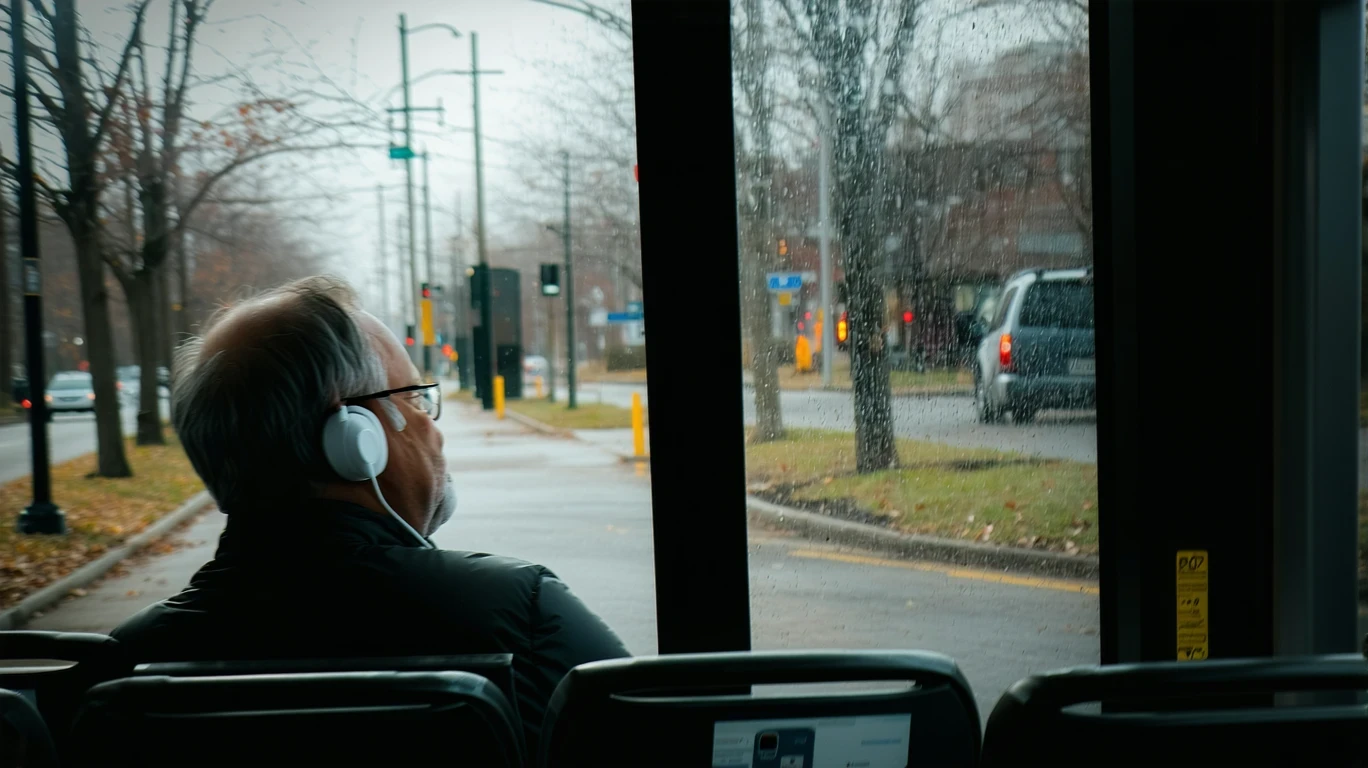
How People Get Around Reynoldsburg
Reynoldsburg operates as a car-first suburb with selective transit access. The city’s development pattern—single-family homes, strip centers, and commercial corridors separated by residential streets—creates distances that feel manageable by car but stretched on foot or by bus. Pedestrian infrastructure exists in pockets, particularly along main roads and near mixed-use areas, but the pedestrian-to-road ratio sits in the middle band: enough to support occasional walking, not enough to replace driving for most trips.
What newcomers often misunderstand is that Reynoldsburg isn’t a place where you choose between driving and transit based on preference. Geography makes the choice for you. If you live near a bus route, work along a serviced corridor, and don’t need to chain trips—picking up kids, stopping for groceries, reaching a clinic—you might make transit work. If any of those conditions fail, you drive.
The city’s position within the Columbus metro area means many residents commute outward for work, and those trips almost always require a car. Even errands that feel close—a grocery store, a pharmacy, a park—often involve crossing areas without sidewalks or waiting for infrequent service. The result is a transportation system that offers options in theory but funnels most people toward the same solution in practice.
Public Transit Availability in Reynoldsburg
Public transit in Reynoldsburg centers around bus service, often provided through regional systems such as the Central Ohio Transit Authority (COTA). Coverage exists, but it’s corridor-based rather than comprehensive. Routes tend to follow major roads and connect Reynoldsburg to employment centers and retail hubs in the broader Columbus area, but they don’t blanket residential neighborhoods.
Transit works best for people whose origins and destinations align with existing routes—someone living near a stop on Main Street commuting to a job downtown, for example. It works less well for anyone whose day involves multiple stops, off-peak hours, or destinations in lower-density areas. There’s no rail service, and bus frequency can make spontaneous trips impractical. If you miss a connection or need to travel late evening, the gap between “technically possible” and “reliably usable” widens quickly.
For households weighing transit viability, the question isn’t whether buses run—it’s whether the routes, timing, and transfer requirements fit the rhythm of your actual day. A single commuter with a fixed schedule has a different calculus than a parent managing school pickup, grocery runs, and evening activities.
Driving & Car Dependence Reality
Driving isn’t just common in Reynoldsburg—it’s structurally necessary for most residents. The city’s layout, with its low-rise buildings and separated land uses, creates distances that make walking or waiting for a bus feel like friction rather than convenience. Parking is abundant and free in most areas, which removes one of the typical deterrents to car ownership found in denser cities.
Car dependence here isn’t about preference or lifestyle; it’s about access. Families with children face school drop-offs that don’t align with bus schedules. Multi-earner households juggle overlapping commutes that require separate vehicles. Even singles and couples find that errands—especially those involving bulk purchases, time-sensitive pickups, or healthcare—default to driving because alternatives add complexity without reducing effort.
The tradeoff is predictability. Owning a car in Reynoldsburg means controlling your schedule, your route, and your capacity to handle the unexpected. It also means absorbing the costs—fuel at $3.91/gal, insurance, maintenance, and depreciation—but those costs buy freedom from the constraints of limited transit coverage.
Commuting Patterns & Daily Mobility
Commuting in Reynoldsburg reflects the city’s role as a residential suburb within a larger metro economy. Many residents work outside city limits, traveling to Columbus proper or other nearby employment centers. These commutes are almost exclusively car-based, shaped by the need to reach dispersed job sites, avoid transfer delays, and maintain flexibility for mid-day errands or family obligations.
Single-job commutes—home to work, work to home—are the simplest pattern, and they’re the only scenario where transit becomes even marginally competitive. But most households don’t operate on single-job schedules. Parents chain trips: daycare, work, grocery store, home. Shift workers need transportation outside peak hours when bus service thins. Freelancers and remote workers still drive for meetings, supplies, and errands that can’t wait for the next route.
Proximity matters, but not in the way it does in denser cities. Living “close” to work in Reynoldsburg might still mean a 15-minute drive, and that drive often feels faster and more reliable than a 40-minute bus trip with a transfer. The time-versus-distance calculation favors driving in nearly every scenario, especially when the alternative involves waiting, walking between stops, or adjusting your schedule to match service windows.
Who Transit Works For—and Who It Doesn’t
Transit in Reynoldsburg works for a narrow slice of residents: those whose routines align with bus corridors, whose schedules tolerate fixed departure times, and whose daily needs don’t require trips outside serviced areas. A single worker renting near Main Street, commuting to a downtown Columbus office on a predictable schedule, can make it work. A retiree using the bus for occasional errands during midday hours might find it adequate.
It doesn’t work well for families. School-age children create trip-chaining demands—drop-offs, pickups, after-school activities—that don’t map onto bus routes or schedules. It doesn’t work for households needing healthcare access beyond pharmacies; the limited availability of hospitals and clinics means medical trips often require reaching facilities outside Reynoldsburg, and those trips almost always necessitate a car.
Renters in mixed-use pockets with flexible work arrangements have the best shot at reducing car dependence, but even they typically keep a vehicle for contingencies. Homeowners in peripheral neighborhoods, where bus service is sparse or nonexistent, have no realistic alternative to driving. The city’s low-rise, spread-out form—combined with broadly accessible but geographically dispersed grocery and retail options—means that even short errands involve distances that feel burdensome without a car.
The distinction isn’t between people who “should” use transit and people who “should” drive. It’s between people whose lives happen to fit the existing infrastructure and people whose lives don’t. Most fall into the latter category.
Transportation Tradeoffs in Reynoldsburg
Choosing between transit and driving in Reynoldsburg isn’t a cost-versus-convenience decision—it’s a control-versus-constraint decision. Driving offers predictability: you leave when you want, stop where you need, and adjust on the fly. Transit offers lower direct costs but imposes schedule rigidity, geographic limits, and time penalties that compound across a week.
For someone with a simple, fixed commute and minimal errands, transit can reduce exposure to fuel price swings and vehicle depreciation. For everyone else—families, multi-earner households, anyone managing irregular schedules or trip chains—the flexibility of driving outweighs its costs. The question isn’t whether transit is cheaper in theory; it’s whether it’s usable in practice given your actual daily demands.
The tradeoff also plays out in housing decisions. Living near a bus route might reduce car dependence slightly, but it doesn’t eliminate it, and it doesn’t necessarily lower overall transportation burden if the route doesn’t serve your actual destinations. Living farther from transit but closer to work, schools, or family might mean more driving but less total time lost to commuting and transfers.
Reynoldsburg’s transportation reality rewards households that can absorb the cost of car ownership in exchange for control over their time and access. It penalizes those who can’t, not through high transit fares, but through limited coverage and service gaps that make non-car life logistically exhausting.
FAQs About Transportation in Reynoldsburg (2026)
Is public transit usable for daily commuting in Reynoldsburg?
It depends entirely on where you live, where you work, and how your day is structured. Bus service exists and connects Reynoldsburg to parts of the Columbus metro area, but coverage is corridor-based. If your home and workplace both sit near serviced routes and your schedule aligns with bus timing, transit can work. If you need to make multiple stops, travel off-peak, or reach areas without service, driving becomes necessary. Most residents find that transit works occasionally but not reliably enough to replace a car.
Do most people in Reynoldsburg rely on a car?
Yes. The city’s low-rise, spread-out layout and limited transit coverage make car ownership the default for nearly all households. Even people who live near bus routes typically keep a vehicle for errands, family obligations, and trips that don’t align with transit schedules. The structure of daily life here—school runs, grocery shopping, healthcare access—assumes car availability.
Which areas of Reynoldsburg are easiest to live in without a car?
Areas near major bus corridors and mixed-use pockets with both residential and commercial land use offer the best chance of reducing car dependence. Renters with flexible schedules and simple commutes have the easiest time. But even in these areas, most residents find that going entirely car-free requires significant compromises in convenience, time, and access to services.
How does commuting in Reynoldsburg compare to nearby cities?
Reynoldsburg functions as a residential suburb within the Columbus metro, so commuting patterns reflect outward travel to employment centers rather than intra-city movement. Compared to denser parts of Columbus with more frequent transit and walkable cores, Reynoldsburg requires more driving. Compared to more rural areas, it offers better access to regional bus service, but that service still doesn’t replace the need for a car for most households.
Can you get by without a car if you work from home in Reynoldsburg?
Working from home eliminates the daily commute, which is the strongest use case for transit. But it doesn’t eliminate the need for a car unless you live very close to grocery stores, pharmacies, and other daily-needs destinations and are willing to walk or wait for infrequent bus service. Broadly accessible errands mean options exist, but they’re spread out enough that most remote workers still drive for shopping, appointments, and household logistics.
How Transportation Fits Into the Cost of Living in Reynoldsburg
Transportation in Reynoldsburg isn’t just a line item—it’s a structural factor that shapes where you can live, how you spend your time, and what tradeoffs you accept. Car dependence means most households absorb fuel, insurance, and maintenance costs as non-negotiable, and those costs interact with housing decisions: living closer to work might reduce driving but increase rent; living farther out might lower housing pressure but extend commute time and fuel consumption.
The city’s layout and transit limitations mean that your monthly budget in Reynoldsburg will almost certainly include vehicle-related expenses, and those expenses don’t scale neatly with income. A household earning $68,778 per year (the median) faces the same per-gallon fuel price and similar insurance premiums as a household earning significantly more, which means transportation costs claim a larger share of income for lower earners.
For anyone evaluating whether Reynoldsburg fits their financial and logistical needs, understanding transportation isn’t about calculating commute costs—it’s about recognizing that mobility here requires a car, and that requirement affects everything from housing choice to daily flexibility. The city offers bus service, walkable pockets, and accessible errands, but it doesn’t offer a realistic path to car-free living for most people. Plan accordingly, and factor vehicle ownership into your decision from the start.
How this article was built: In addition to public economic data, this article incorporates location-based experiential signals derived from anonymized geographic patterns—such as access density, walkability, and land-use mix—to reflect how day-to-day living actually feels in Reynoldsburg, OH.