
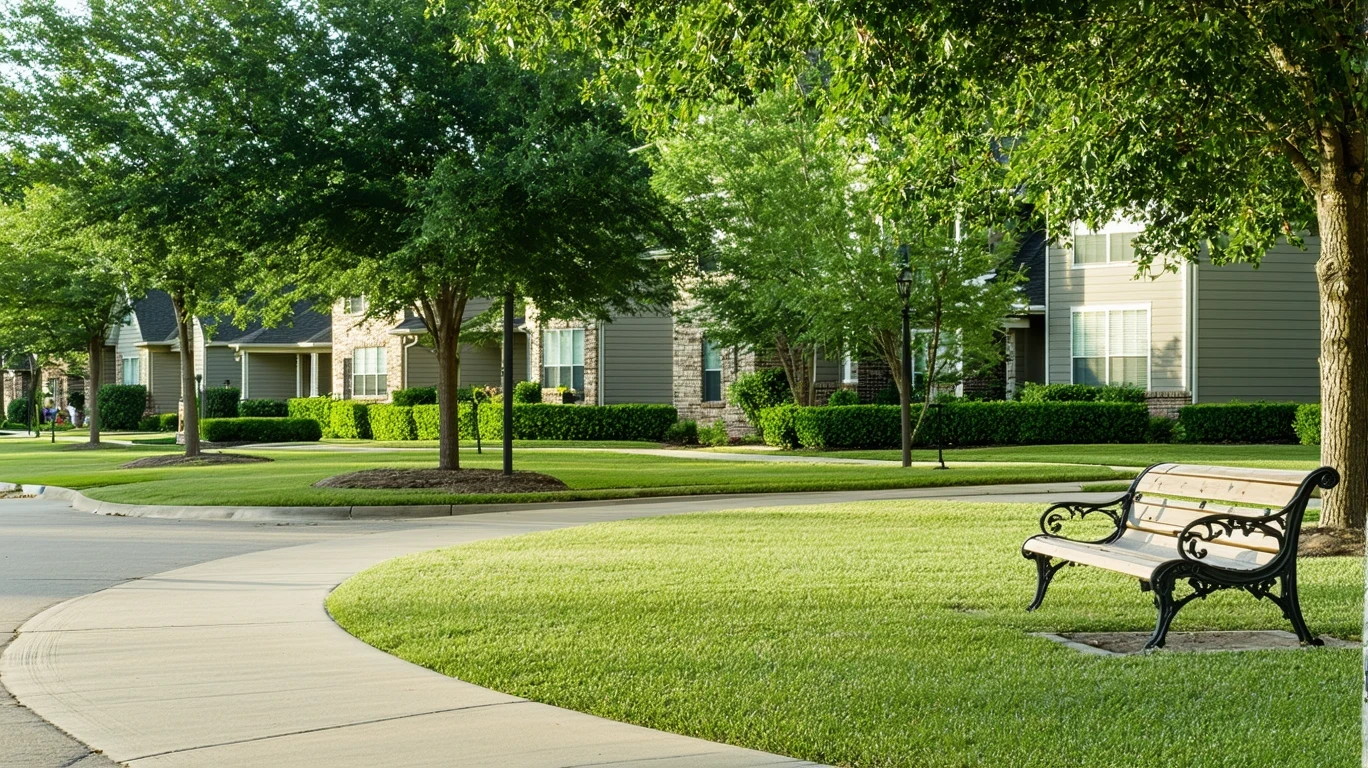
Which city wins on cost? For households weighing a move within the Dallas metro in 2026, Flower Mound and Plano represent two distinct approaches to suburban life—and two very different cost structures. Flower Mound offers newer housing stock, extensive parks, and strong family infrastructure, while Plano brings established neighborhoods, documented commute patterns, and a broader range of housing price points. The decision isn’t about which city costs less overall; it’s about understanding where financial pressure concentrates, which trade-offs matter most to your household, and how the same income can feel stable in one place and stretched in another.
Both cities sit within the Dallas-Fort Worth metro, sharing regional economic conditions, similar climate exposure, and comparable access to employment hubs. Yet the way costs show up—housing entry barriers, transportation friction, utility predictability, and day-to-day logistics—differs in ways that matter deeply for renters, first-time buyers, and families managing tight schedules. This article breaks down those differences category by category, explains how cost pressure shifts depending on household type, and provides a decision framework grounded in structure rather than savings math.
The comparison ahead focuses on mechanisms, not totals. You’ll see where each city front-loads costs, where ongoing obligations differ, and which households experience more flexibility or more volatility. By the end, you’ll understand not which city is cheaper, but which city’s cost structure aligns better with your household’s income, priorities, and tolerance for trade-offs in 2026.
Housing Costs
Housing represents the most visible structural difference between Flower Mound and Plano. Flower Mound’s median home value sits at $467,600, while Plano’s median home value comes in at $412,500. For buyers, that gap translates directly into down payment requirements, mortgage obligations, and monthly housing costs that dominate household budgets. Flower Mound’s housing stock skews newer, with larger single-family homes and master-planned neighborhoods that appeal to families prioritizing space, school access, and park proximity. Plano offers a broader mix of housing ages and types, including older single-family homes, townhomes, and apartment complexes that provide more entry points for buyers and renters working within tighter budgets.
Renters face a similar dynamic. Flower Mound’s median gross rent stands at $2,039 per month, compared to Plano’s $1,699 per month. That difference reflects not just price but availability and housing form. Flower Mound’s rental market leans toward single-family homes and newer apartment communities, often with amenities that raise baseline rent. Plano’s rental inventory includes more mid-range apartment complexes and older units, giving renters more flexibility to trade amenities for lower monthly obligations. For households prioritizing predictability and lower entry costs, Plano’s rental market offers more room to maneuver. For those willing to absorb higher upfront rent in exchange for newer construction, better insulation, and proximity to parks and schools, Flower Mound’s rental stock aligns with that trade-off.
First-time buyers face the starkest contrast. Flower Mound’s higher median home value means larger down payments, higher closing costs, and monthly mortgage payments that consume a greater share of gross income. Buyers in Plano encounter lower entry barriers, making homeownership more accessible for households earning closer to the metro median. However, Flower Mound’s newer housing stock often means lower near-term maintenance costs, better energy efficiency, and reduced utility volatility—factors that shift cost pressure from unpredictable repairs to predictable mortgage obligations. Families prioritizing long-term stability and school quality may find Flower Mound’s higher entry cost justified by lower friction in daily logistics and fewer deferred maintenance surprises.
Housing takeaway: Flower Mound front-loads housing costs through higher home values and rent, creating a steeper entry barrier but often pairing that cost with newer construction, lower maintenance exposure, and stronger family infrastructure. Plano distributes housing pressure more evenly, offering lower entry costs and more housing diversity but requiring households to navigate older stock, variable maintenance needs, and less predictable utility performance. Renters and first-time buyers sensitive to entry barriers will find Plano more accessible; families prioritizing space, newness, and reduced logistics friction may absorb Flower Mound’s higher housing costs as part of a broader trade-off.
Utilities and Energy Costs
Utility costs in both cities respond to the same regional climate—hot, humid summers that demand extended air conditioning and mild winters with occasional heating needs. Electricity rates sit nearly identical: 16.04¢/kWh in Flower Mound and 16.11¢/kWh in Plano. The primary driver of utility cost differences isn’t the rate but the housing stock consuming the energy. Flower Mound’s newer homes typically feature better insulation, modern HVAC systems, and energy-efficient windows that reduce cooling loads during triple-digit summer heat. Plano’s older housing stock, particularly homes built before updated energy codes, often experiences higher baseline usage due to less efficient envelopes, older equipment, and greater air leakage.
Natural gas pricing shows a clearer difference. Flower Mound’s natural gas price sits at $25.56/MCF, while Plano’s comes in at $30.71/MCF. For households relying on gas heating during winter months or using gas for water heating and cooking year-round, that pricing gap affects predictability and exposure. Plano households using natural gas face higher per-unit costs, which compounds in larger homes or older properties with less efficient heating systems. Flower Mound’s lower natural gas price reduces that exposure, though the effect matters most for households in larger single-family homes where heating and water heating represent meaningful shares of monthly utility bills.
Housing type and age determine how utility costs feel in practice. Apartment dwellers in both cities benefit from shared walls and smaller square footage, which naturally limits cooling and heating exposure. Single-family homeowners face greater variability. In Flower Mound, newer construction and better building standards mean more predictable utility bills, with fewer extreme spikes during peak summer months. In Plano, older single-family homes—especially those without updated insulation or HVAC systems—experience more volatility, with summer cooling costs rising sharply and winter heating costs fluctuating based on equipment efficiency and home condition. Families managing budgets in older Plano homes may find utility bills harder to predict, while those in newer Flower Mound properties experience more stable month-to-month costs.
Utility takeaway: Flower Mound’s newer housing stock and slightly lower natural gas pricing create more predictable utility costs, with less volatility and lower exposure to extreme summer cooling spikes. Plano’s older housing stock and higher natural gas pricing introduce more variability, particularly for households in single-family homes built before modern energy standards. Renters in newer apartments in either city face minimal differences; homeowners in older Plano properties experience the most exposure to utility unpredictability, while those in newer Flower Mound homes benefit from reduced volatility and lower baseline usage.
Groceries and Daily Expenses
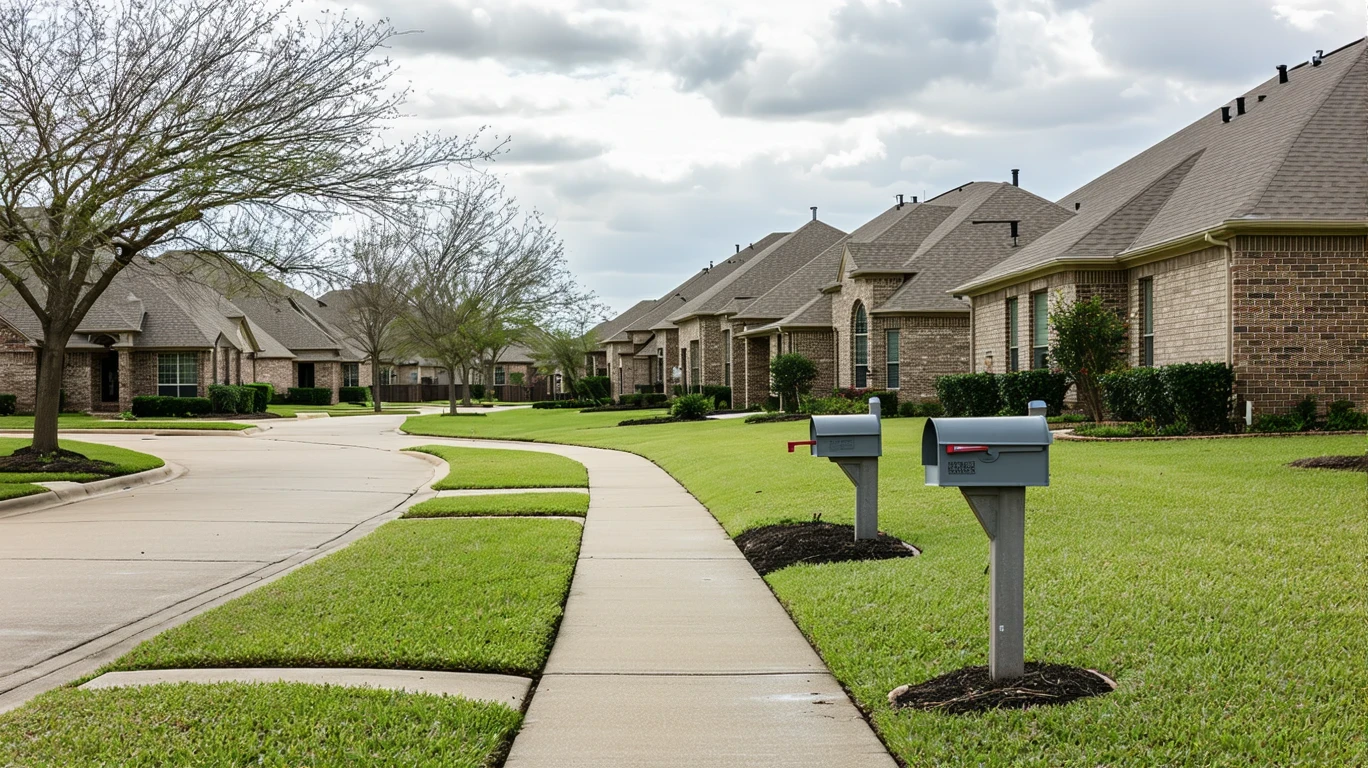
Grocery and everyday spending pressure in Flower Mound and Plano reflects access patterns, store concentration, and household shopping habits rather than dramatic price differences. Both cities sit within the same regional market, meaning staple prices—bread, milk, eggs, ground beef—track closely across stores. The meaningful differences emerge in how households access groceries, how far they travel for routine errands, and whether daily logistics favor bulk shopping at big-box stores or frequent trips to neighborhood markets.
Flower Mound’s layout and infrastructure lean toward corridor-clustered grocery access. Households typically drive to centralized shopping areas where grocery stores, pharmacies, and big-box retailers sit together. This structure rewards households that plan weekly shopping trips, buy in bulk, and minimize frequency. Families with predictable schedules and storage space benefit from lower per-unit costs at larger stores, though the model requires car dependence and time to execute. Single adults or couples preferring smaller, more frequent grocery runs may find Flower Mound’s layout less accommodating, as walkable neighborhood grocery options remain limited outside specific pockets.
Plano offers a broader mix of grocery access points, including neighborhood stores, mid-size grocers, and larger chains distributed across the city. This diversity gives households more flexibility to choose between convenience and price optimization. Families managing larger grocery volumes can access big-box stores similar to Flower Mound’s offerings, while smaller households or those prioritizing convenience can rely on closer, more frequent options without adding significant travel friction. That flexibility matters most for dual-income households juggling tight schedules, where the ability to grab essentials on the way home reduces time cost even if per-unit prices run slightly higher.
Dining out and convenience spending follow similar patterns. Flower Mound’s restaurant and takeout options cluster along major corridors, making casual dining and coffee runs more intentional and less spontaneous. Plano’s denser commercial mix and broader distribution of dining options create more opportunities for convenience spending—grabbing lunch near work, picking up takeout on the way home, or stopping for coffee without detouring. For households sensitive to spending creep, Flower Mound’s layout naturally limits impulse dining expenses by requiring deliberate trips. For those valuing flexibility and spontaneity, Plano’s structure reduces friction but increases exposure to incremental spending that adds up over time.
Grocery and daily expense takeaway: Flower Mound’s corridor-clustered layout rewards households that plan ahead, shop in bulk, and prioritize lower per-unit costs over convenience. Plano’s more distributed grocery and dining access offers greater flexibility, reducing time friction but increasing exposure to convenience spending. Families with predictable schedules and storage capacity benefit from Flower Mound’s structure; smaller households or those managing unpredictable work hours may find Plano’s access patterns easier to navigate, even if per-trip costs edge slightly higher.
Taxes and Fees
Property taxes represent the dominant recurring tax obligation for homeowners in both Flower Mound and Plano, and both cities operate within Texas’s property-tax-heavy fiscal structure. Neither city levies a local income tax, meaning tax pressure concentrates on property values and consumption. For homeowners, annual property tax bills scale directly with assessed home values, making Flower Mound’s higher median home value a source of greater ongoing tax exposure. Buyers entering Flower Mound at the median home value face higher annual property tax obligations than those purchasing at Plano’s median, even if effective tax rates remain similar across the metro.
Renters experience property taxes indirectly, as landlords typically pass a portion of tax obligations into monthly rent. Flower Mound’s higher property values and correspondingly higher tax bills contribute to the city’s elevated median rent. Plano’s lower median home values translate into lower property tax exposure for landlords, which creates more room for competitive rental pricing. For renters planning to stay long-term, that indirect tax difference compounds over time, though it remains embedded in rent rather than appearing as a separate line item.
HOA fees and special assessments vary widely by neighborhood in both cities, but Flower Mound’s master-planned communities often include mandatory HOA fees that bundle services like landscaping, common area maintenance, and amenity access. These fees add predictable monthly obligations but reduce variability in maintenance and upkeep costs. Plano’s older neighborhoods typically carry lower or no HOA fees, giving homeowners more control over maintenance spending but also more exposure to unpredictable repair costs and deferred upkeep. For households prioritizing predictability and minimal hands-on property management, Flower Mound’s HOA structure may justify the added cost. For those comfortable managing their own maintenance and preferring lower fixed obligations, Plano’s lower HOA prevalence offers more flexibility.
Tax and fee takeaway: Flower Mound’s higher property values drive greater property tax exposure for homeowners and indirectly raise rent for tenants, while HOA fees in master-planned communities add predictable monthly costs in exchange for reduced maintenance variability. Plano’s lower property values reduce ongoing tax obligations, and fewer mandatory HOA fees give homeowners more control over spending but also more exposure to unpredictable maintenance and repair costs. Long-term homeowners in Flower Mound face higher fixed obligations but more predictable cost structures; Plano homeowners experience lower baseline taxes and fees but must budget for greater maintenance variability.
Transportation & Commute Reality
Transportation costs in Flower Mound and Plano hinge on commute patterns, car dependence, and the practical realities of getting to work, running errands, and managing household logistics. Gas prices sit close: $2.49/gallon in Flower Mound and $2.41/gallon in Plano. That narrow gap means fuel costs alone don’t differentiate the cities. What matters more is how far households drive, how often, and whether alternatives to driving exist in practice.
Plano provides documented commute data showing an average commute time of 30 minutes, with 21.5% of workers facing long commutes and only 5.9% working from home. Those figures reflect a city where most residents drive to work, often traveling to employment centers in Dallas, Richardson, or Frisco. The 30-minute average suggests manageable daily commutes for most households, though the 21.5% long-commute share indicates a meaningful segment of workers spending significantly more time on the road. For dual-income households where both partners commute, that time cost compounds, affecting schedule flexibility, childcare logistics, and overall household stress even if fuel costs remain moderate.
Flower Mound lacks comparable commute data in the available feed, but the city’s layout and infrastructure signal similar car dependence. Walkable pockets exist—particularly in master-planned neighborhoods with internal sidewalks and park access—but these areas support recreational walking and local errands rather than commuting or reducing car trips for work. Households in Flower Mound typically drive for groceries, work, and most daily errands, meaning transportation costs reflect not just fuel but also vehicle maintenance, insurance, and the time cost of managing a car-dependent lifestyle.
Transit options in both cities remain limited for practical daily commuting. While Plano connects to regional transit networks, the coverage and frequency don’t support car-free living for most households. Flower Mound’s infrastructure similarly assumes car ownership, with limited transit service and few walkable destinations outside residential clusters. For households weighing transportation costs, the question isn’t whether to own a car—it’s how much driving each city requires and whether commute time or fuel expense dominates the cost experience.
Transportation takeaway: Both cities require car ownership and assume driving for work, errands, and most daily logistics. Plano’s documented 30-minute average commute and 21.5% long-commute rate reflect a city where transportation costs include meaningful time obligations, particularly for dual-income households. Flower Mound’s walkable pockets reduce some local errand friction but don’t eliminate car dependence for work or groceries. Households sensitive to commute time may find Plano’s patterns more predictable; those prioritizing internal neighborhood walkability for recreation and family logistics may value Flower Mound’s infrastructure, even if both cities require similar driving for work and major errands.
Cost Structure Comparison
Housing dominates the cost experience in Flower Mound, with higher home values and rent creating steeper entry barriers but often pairing that cost with newer construction, better energy efficiency, and reduced maintenance volatility. Plano distributes housing pressure more evenly, offering lower entry costs and more housing diversity but requiring households to navigate older stock and variable upkeep needs. For renters and first-time buyers, Plano’s lower median rent and home values provide more accessible entry points. For families prioritizing space, newness, and predictable housing performance, Flower Mound’s higher housing costs align with reduced friction in daily logistics and fewer deferred maintenance surprises.
Utilities introduce more volatility in Plano, particularly for households in older single-family homes where less efficient building envelopes and aging HVAC systems amplify summer cooling costs and winter heating exposure. Flower Mound’s newer housing stock and slightly lower natural gas pricing create more predictable utility bills, with less extreme seasonal swings. Renters in newer apartments in either city face minimal utility differences; homeowners in older Plano properties experience the most exposure to unpredictable utility costs, while those in newer Flower Mound homes benefit from lower baseline usage and more stable month-to-month bills.
Transportation patterns matter more in Plano, where documented commute data shows 30-minute average trips and a meaningful share of workers facing long commutes. That time cost compounds for dual-income households managing tight schedules, childcare logistics, and limited flexibility. Flower Mound’s walkable pockets reduce some local errand friction but don’t eliminate car dependence for work or groceries, meaning transportation costs in both cities reflect similar fuel and maintenance exposure but differ in how commute time affects household logistics and stress.
Grocery and daily expense pressure shifts based on household habits and schedule flexibility. Flower Mound’s corridor-clustered layout rewards households that plan ahead, shop in bulk, and minimize trip frequency. Plano’s more distributed grocery and dining access offers greater flexibility, reducing time friction but increasing exposure to convenience spending. Families with predictable schedules and storage capacity benefit from Flower Mound’s structure; smaller households or those managing unpredictable work hours may find Plano’s access patterns easier to navigate, even if per-trip costs edge slightly higher.
The better choice depends on which costs dominate your household. For households sensitive to housing entry barriers and prioritizing lower upfront costs, Plano offers more accessible rent and home values. For families willing to absorb higher housing costs in exchange for newer construction, stronger family infrastructure, and reduced maintenance volatility, Flower Mound’s structure aligns with that trade-off. For households managing tight schedules and valuing grocery and errand flexibility, Plano’s distributed access reduces friction. For those prioritizing predictable utility bills and lower long-term maintenance exposure, Flower Mound’s newer housing stock delivers more stability, even if monthly obligations run higher.
How the Same Income Feels in Flower Mound vs Plano
Single Adult
For a single adult, housing becomes the first non-negotiable cost, and Flower Mound’s higher median rent immediately tightens the budget. Flexibility exists in choosing smaller units or older complexes, but the baseline rent pressure limits discretionary spending more quickly. Plano’s lower median rent creates more breathing room for dining out, entertainment, or building savings without requiring aggressive budget cuts. Commute friction matters less for single adults without childcare logistics, but Plano’s more distributed grocery and dining access reduces the time cost of running errands after work. Flower Mound’s corridor-clustered layout requires more planning and deliberate trips, which works well for disciplined budgeters but feels restrictive for those valuing spontaneity and convenience.
Dual-Income Couple
For a dual-income couple, housing costs in Flower Mound consume a larger share of combined gross income, but the trade-off often includes newer construction and lower utility volatility. Plano’s lower rent or mortgage obligations free up income for travel, dining, or savings, though older housing stock may introduce unpredictable maintenance or utility spikes. Transportation becomes more complex when both partners commute, and Plano’s documented 30-minute average commute time compounds when two schedules intersect. Flower Mound’s walkable pockets offer limited relief for work commutes but reduce friction for evening walks or weekend errands within the neighborhood. Grocery flexibility matters more in Plano, where distributed access allows quick stops without detouring, while Flower Mound’s layout rewards couples who plan weekly shopping trips and cook at home.
Family with Kids
For families, housing costs shift from entry barrier to long-term stability. Flower Mound’s higher home values and rent pair with strong family infrastructure—high playground density, integrated parks, and hospital access—that reduce logistics friction and support daily routines. Plano’s lower housing costs create more budget flexibility for childcare, activities, or college savings, but families must navigate older housing stock and more variable utility costs. Commute time becomes a critical non-negotiable when managing school drop-offs, pickups, and after-school schedules, and Plano’s 30-minute average commute time affects how much time parents spend in the car versus at home. Flower Mound’s internal walkability within neighborhoods supports family recreation and reduces the need to drive kids to parks, though major errands still require car trips. Grocery planning becomes essential in Flower Mound, where bulk shopping and meal prep reduce per-unit costs, while Plano’s distributed access offers more flexibility for families managing unpredictable schedules or last-minute needs.
Decision Matrix: Which City Fits Which Household?
| Decision factor | If you’re sensitive to this… | Flower Mound tends to fit when… | Plano tends to fit when… |
|---|---|---|---|
| Housing entry + space needs | Down payment size, monthly rent, or mortgage obligation dominates your budget | You prioritize newer construction, lower maintenance exposure, and strong family infrastructure over lower entry costs | You need lower upfront costs, more housing diversity, and greater flexibility in rent or purchase price |
| Transportation dependence + commute friction | Commute time affects childcare logistics, schedule flexibility, or household stress | You value internal neighborhood walkability for recreation and local errands, even if work commutes require driving | You prioritize documented commute patterns and distributed access that reduces time friction for daily errands |
| Utility variability + home size exposure | Seasonal utility spikes or unpredictable bills disrupt your monthly budget | You prefer newer housing stock with better insulation and lower natural gas pricing that reduces volatility | You can absorb utility variability in exchange for lower housing costs and more budget flexibility elsewhere |
| Grocery strategy + convenience spending creep | Impulse dining or frequent small purchases erode your discretionary income | You plan weekly shopping trips, buy in bulk, and benefit from layout that limits spontaneous spending | You value distributed grocery and dining access that reduces time friction, even if convenience costs edge higher |
| Fees + friction costs (HOA, services, upkeep) | Predictable monthly obligations matter more than control over maintenance spending | You prefer HOA-bundled services that reduce hands-on property management and unpredictable repair costs | You want lower fixed fees and more control over maintenance spending, even if that introduces variability |
| Time budget (schedule flexibility, errands, logistics) | Managing tight schedules, childcare, or dual-income logistics creates daily stress | You prioritize integrated parks, strong family infrastructure, and internal walkability that support household routines | You need distributed access to groceries, dining, and services that reduces trip planning and detouring |
Lifestyle Fit
Flower Mound and Plano offer distinct lifestyle experiences shaped by infrastructure, layout, and community design. Flower Mound’s master-planned neighborhoods emphasize family-oriented amenities, with integrated parks, high playground density, and walkable internal streets that support evening strolls, weekend recreation, and neighborhood gatherings. The city’s layout creates pockets of walkability within residential areas, making it easier for families to access green space and outdoor activities without driving. Hospital access and strong family infrastructure reduce logistics friction for parents managing school-age children, medical appointments, and after-school activities. However, the corridor-clustered layout means most errands—groceries, dining, shopping—require deliberate car trips, limiting spontaneity and requiring more planning.
Plano’s more established neighborhoods offer a broader mix of housing ages, architectural styles, and commercial access points. The city’s denser distribution of grocery stores, restaurants, and services reduces the time cost of running errands, making it easier to grab essentials on the way home or stop for coffee without detouring. That flexibility matters most for dual-income households managing unpredictable schedules or single adults prioritizing convenience over planning. Plano’s documented commute patterns—30-minute average trips and a meaningful share of long commutes—reflect a city where most residents drive to work, often traveling to nearby employment hubs. The city’s infrastructure assumes car ownership, but the distributed commercial access reduces the friction of daily logistics compared to more corridor-dependent layouts.
Both cities experience hot, humid summers with extended cooling seasons and mild winters with occasional heating needs. Outdoor recreation in Flower Mound centers on parks, trails, and water features that support family activities and neighborhood gatherings. Plano’s older neighborhoods offer mature tree canopy and established green spaces, though park density and access vary more widely across the city. For families prioritizing outdoor access and recreational infrastructure, Flower Mound’s integrated green space and high playground density create more consistent opportunities for daily outdoor time. For households valuing commercial access and errand flexibility, Plano’s layout reduces the time cost of managing daily logistics, even if park access requires more intentional planning.
Quick facts: Flower Mound’s median household income sits at $154,471 per year, reflecting a population with higher earning capacity that aligns with the city’s elevated housing costs. Plano’s median household income comes in at $105,679 per year, closer to the metro median and consistent with the city’s broader housing diversity and more accessible entry points.
Quick facts: Unemployment rates remain nearly identical—3.7% in Flower Mound and 3.8% in Plano—indicating stable regional labor market conditions in both cities. Neither city offers a meaningful employment advantage over the other, and most residents commute to jobs elsewhere in the Dallas-Fort Worth metro.
Frequently Asked Questions
Is Flower Mound or Plano more affordable for renters in 2026?
Plano offers lower median rent—$1,699 per month compared to Flower Mound’s $2,039 per month—making it more accessible for renters prioritizing lower monthly housing obligations. Flower Mound’s higher rent often reflects newer construction, better insulation, and proximity to parks and schools, which may justify the cost for families prioritizing reduced maintenance exposure and strong family infrastructure. Renters sensitive to entry costs and seeking more housing diversity will find Plano’s rental market easier to navigate, while those willing to absorb higher rent for newer units and integrated amenities may prefer Flower Mound’s offerings.
How do utility costs compare between Flower Mound and Plano in 2026?
Electricity rates sit nearly identical—16.04¢/kWh in Flower Mound and 16.11¢/kWh in Plano—but utility cost differences emerge from housing stock rather than rates. Flower Mound’s newer homes typically feature better insulation and more efficient HVAC systems, reducing cooling loads during hot summers and creating more predictable monthly bills. Plano’s older housing stock, particularly homes built before updated energy codes, often experiences higher baseline usage and more volatility. Natural gas pricing also differs, with Flower Mound at $25.56/MCF and Plano at $30.71/MCF, affecting households relying on gas heating or water heating. Homeowners in older Plano properties face the most utility unpredictability, while those in newer Flower Mound homes benefit from lower volatility and more stable costs.
Which city is better for families with kids in 2026, Flower Mound or Plano?
Flower Mound offers stronger family infrastructure, with high playground density, integrated parks, and hospital access that reduce logistics friction and