
How much is enough to feel at ease? In Jurupa Valley, that question doesn’t have a single answer—because comfort here isn’t just about earnings. It’s about whether your income can absorb the specific pressures this Inland Empire city creates, and whether the tradeoffs it demands align with how you actually live.
Jurupa Valley sits in a space many suburban communities occupy: affordable enough to attract families priced out of coastal metros, but structured in ways that create friction households don’t always anticipate. The median household income is $91,562 per year, but that figure alone won’t tell you whether you’ll feel stretched or stable. What matters more is how your income interacts with housing costs, transportation demands, and the daily logistics of getting things done.
This article explains where income pressure shows up in Jurupa Valley, how the same earnings feel different depending on household composition, and what separates households that feel comfortable from those constantly managing tradeoffs.
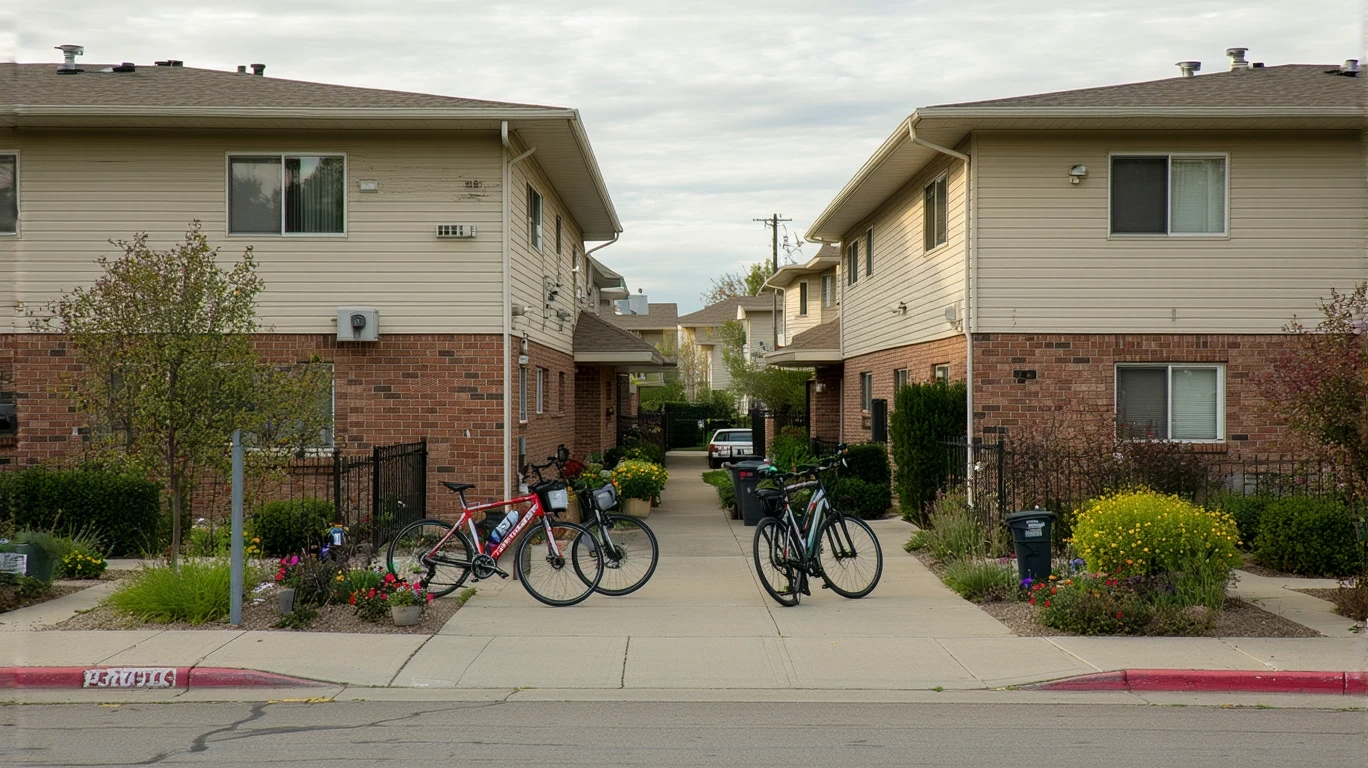
What “Living Comfortably” Means in Jurupa Valley
Comfort in Jurupa Valley means different things depending on what you’re used to and what you expect from a place. For some, it’s the ability to rent or own a single-family home with a yard—something increasingly out of reach in Los Angeles or Orange County. For others, it’s about predictable expenses and enough margin to handle surprises without reworking the entire month.
But comfort here also requires accepting certain realities. Jurupa Valley is a low-rise, spread-out city where most daily needs—groceries, healthcare, errands—are clustered along commercial corridors rather than distributed evenly. That means even though rail transit is present, most households still rely heavily on cars. The city’s structure creates a time-versus-money calculation that plays out differently depending on your schedule, your household size, and how much flexibility you have.
Climate adds another layer. Summers in Jurupa Valley bring extended heat, and cooling costs aren’t optional—they’re a recurring, seasonal expense that can swing significantly. Electricity rates are 30.29¢/kWh, well above national averages, and a household running air conditioning through long, hot months will feel that in every summer bill.
Comfort, then, isn’t just about affording rent or a mortgage. It’s about whether your income leaves room for transportation costs, utility volatility, and the time or money required to manage a car-dependent lifestyle without constant stress.
Where Income Pressure Shows Up First
In Jurupa Valley, cost structure is dominated by housing, but the pressure doesn’t stop there. It compounds through transportation, utilities, and the logistics of daily life.
Housing: The Anchor Cost
The median gross rent is $1,618 per month, and the median home value is $481,500. For renters, that monthly figure represents a significant share of gross income for many households. For buyers, even with today’s interest rates, monthly ownership costs—mortgage, insurance, property taxes—often exceed what renters pay, though they come with equity and stability.
Housing in Jurupa Valley offers space and the suburban layout many families want, but it also locks in a high fixed cost that limits flexibility elsewhere. If rent or mortgage consumes a large portion of your income, every other expense—gas, groceries, utilities—becomes harder to absorb when it spikes.
Transportation: The Hidden Multiplier
Jurupa Valley has rail service, and there are pockets with better pedestrian infrastructure, but the city’s corridor-clustered errands and spread-out residential areas mean most households depend on cars for daily life. Gas prices are $5.84 per gallon, and commuting, errands, school runs, and weekend trips add up quickly.
For single-car households, this is manageable but limiting. For families or dual-income couples, multiple vehicles often become necessary, which means multiple insurance policies, maintenance schedules, and fuel costs. The time saved by driving everywhere comes at a financial cost that’s easy to underestimate before you live here.
Utilities: Seasonal Volatility
Electricity costs in Jurupa Valley aren’t just high—they’re variable. Summer cooling dominates household energy use, and bills can swing significantly between mild months and peak heat. Natural gas, priced at $23.78 per MCF, plays a smaller role but still factors into heating during cooler months.
For households with tight budgets, this seasonality creates planning challenges. A bill that’s manageable in April can feel punishing in August, and without margin in your income, those swings force tradeoffs elsewhere.
Family-Specific Pressure
Jurupa Valley’s family infrastructure is limited. School density is below typical thresholds, and while playgrounds and parks exist, they’re not evenly distributed. For families with young children, this often means more driving—to school, to activities, to healthcare appointments at local clinics rather than nearby hospitals.
The logistics burden isn’t just financial; it’s temporal. Managing a household here requires either time flexibility or the ability to pay for convenience, and not all families have both.
How the Same Income Feels Different by Household
Households at similar income levels often experience very different pressure depending on size, structure, and daily demands.
Single Adults
For single adults, Jurupa Valley’s housing costs absorb a large share of income, but transportation and utility expenses remain manageable with one vehicle and modest cooling needs. The bigger challenge is flexibility: when rent takes up a significant portion of earnings, there’s less room to save, handle surprises, or make discretionary choices without planning.
Single adults who work remotely or have flexible schedules can reduce transportation costs, but those commuting daily to Riverside, Ontario, or farther will feel the compounding effect of gas prices and time spent in transit.
Couples
Dual-income couples have an advantage in Jurupa Valley. Two earners can more comfortably cover housing pressure and absorb utility swings, and they often have more schedule flexibility to manage errands and logistics.
But couples also face multiplied transportation costs if both partners commute, and the corridor-clustered layout means even routine errands—groceries, pharmacy runs, dining out—require deliberate trips rather than walkable convenience. The time saved by driving everywhere is real, but so is the cumulative cost.
Families
Families feel Jurupa Valley’s structure most acutely. Limited school density, routine healthcare access without a nearby hospital, and the need to drive for most activities create a logistics burden that requires either significant time investment or the income to pay for solutions.
Families also face higher utility costs (larger homes, more cooling demand) and transportation expenses (multiple daily trips, activities, school runs). The same income that feels stable for a couple can feel stretched for a family of four, not because Jurupa Valley is unusually expensive, but because the city’s layout demands more—from your time, your vehicle, and your planning capacity.
The Comfort Threshold (Qualitative)
The comfort threshold in Jurupa Valley isn’t a number—it’s the point where your income stops dictating every decision.
Below that threshold, households are constantly managing tradeoffs: choosing between saving and replacing an aging car, between absorbing a high summer utility bill and cutting back elsewhere, between time spent commuting and money spent on convenience. Life works, but it requires active management and leaves little room for surprises.
Above that threshold, choices expand. You can absorb a utility spike without reworking the month. You can replace a vehicle when needed, not when it finally dies. You can choose where to shop, where to eat, and how to spend weekends without every decision being a financial calculation. Saving becomes plausible, not aspirational.
For most households, that threshold is reached when housing no longer consumes the majority of income, when transportation costs are predictable rather than painful, and when seasonal utility swings are annoying but absorbable. It’s not about luxury—it’s about margin.
Why Online Cost Calculators Get Jurupa Valley Wrong
Most cost-of-living calculators treat Jurupa Valley as a data point: median rent, median income, average utility cost. They produce a total, compare it to other cities, and call it done.
But totals don’t explain why two households with identical incomes experience Jurupa Valley so differently. Calculators don’t account for corridor-clustered errands, the time cost of car dependency, or the seasonal volatility of cooling expenses. They don’t distinguish between a single adult with a remote job and a family managing school logistics across a spread-out city.
People feel surprised after moving here not because the numbers were wrong, but because the numbers didn’t explain how those costs interact with daily life. A rent figure doesn’t tell you how much driving you’ll do. A utility rate doesn’t convey how long your cooling season lasts. An income median doesn’t reveal whether your household structure aligns with the city’s layout.
Jurupa Valley works well for some households and feels like constant friction for others, and the difference isn’t always income—it’s fit.
How to Judge Whether Your Income Fits Jurupa Valley
Instead of asking “Is my income enough?”, ask these questions:
- How sensitive are you to housing tradeoffs? Can you accept that a large share of your income will go to rent or mortgage in exchange for space and a suburban layout, or does that limit feel restrictive?
- Can you absorb seasonal utility swings? Summer cooling costs aren’t optional here. If a bill that doubles between April and August creates stress, that’s a signal.
- Is time or money your limiting factor? Jurupa Valley’s car-dependent structure saves time but costs money. If you have schedule flexibility, you can optimize. If you don’t, you’ll pay for convenience.
- How much driving are you willing to do? Errands, commutes, and family logistics all require a car. If you’re used to walkable neighborhoods or robust transit, the shift will feel significant.
- How much flexibility do you expect month to month? If your budget has little margin, Jurupa Valley’s combination of high fixed housing costs and variable transportation and utility expenses will feel tight. If you have cushion, the same costs feel manageable.
There’s no pass or fail here—just alignment. Jurupa Valley rewards households that value space, accept car dependency, and have enough income margin to handle volatility without stress. It’s harder on households that need walkable convenience, predictable expenses, or tight control over monthly costs.
How this article was built: In addition to public economic data, this article incorporates location-based experiential signals derived from anonymized geographic patterns—such as access density, walkability, and land-use mix—to reflect how day-to-day living actually feels in Jurupa Valley, CA.
FAQs About Living Comfortably in Jurupa Valley
Is $91,562 a year enough to live comfortably in Jurupa Valley?
It depends entirely on your household size and structure. For a dual-income couple without children, that figure can provide stability and margin. For a family of four, it may feel stretched once you account for housing, transportation, utilities, and the logistics of managing a car-dependent city with limited school density.
What’s the biggest cost surprise for people moving to Jurupa Valley?
Transportation. Even though rail service exists, the city’s layout means most households depend heavily on cars for daily errands, school runs, and commuting. Gas at $5.84 per gallon adds up quickly, and many families find they need multiple vehicles, which multiplies insurance, maintenance, and fuel costs.
How much do utilities actually cost in Jurupa Valley?
Electricity rates are 30.29¢/kWh, and summer cooling dominates household energy use. Bills vary significantly by home size, insulation, and cooling habits, but the seasonal swing is real. A bill that feels manageable in spring can feel punishing in August, and that volatility requires either income margin or careful planning.
Can you live in Jurupa Valley without a car?
Technically, yes—rail service is present, and there are pockets with better pedestrian infrastructure. Practically, no. Groceries, healthcare, and most daily errands are corridor-clustered rather than walkable, and the city’s low-rise, spread-out layout makes car dependency the default for nearly all households.
Is Jurupa Valley more affordable than nearby cities?
Jurupa Valley offers more space and lower entry costs than many coastal California metros, but affordability is relative. If you’re comparing it to Los Angeles or Orange County, it feels accessible. If you’re comparing it to other Inland Empire cities, the difference is smaller, and the tradeoffs—car dependency, limited walkable errands, seasonal utility costs—remain consistent.
Jurupa Valley can work well for some households—but only if expectations match reality. The city rewards those who value space, accept the logistics of car-dependent suburban life, and have enough income margin to absorb volatility without constant stress. For others, the same income that looks sufficient on paper can feel tight once the structure of daily life sets in.