
Imagine this: You’ve landed a solid job in the Tampa metro, your household income sits right around the regional median, and you’re drawn to Palm Harbor for its family-friendly reputation and access to parks and healthcare. The numbers look manageable on paper—rent in the $1,500s, a reasonable commute, decent schools nearby. But three months in, you’re surprised by how tightly your budget stretches. The AC runs longer than expected, errands take more planning than you thought, and the “comfortable” margin you anticipated feels thinner than it did before the move.
This is the gap between income on paper and income in practice. Palm Harbor can work well for many households, but comfort here isn’t guaranteed by hitting a certain salary threshold. It’s shaped by how your household structure, expectations, and daily routines interact with the city’s cost drivers and infrastructure. This article explains where income pressure shows up first, how the same earnings feel different depending on your situation, and how to judge whether your income and lifestyle will actually align with life in Palm Harbor.
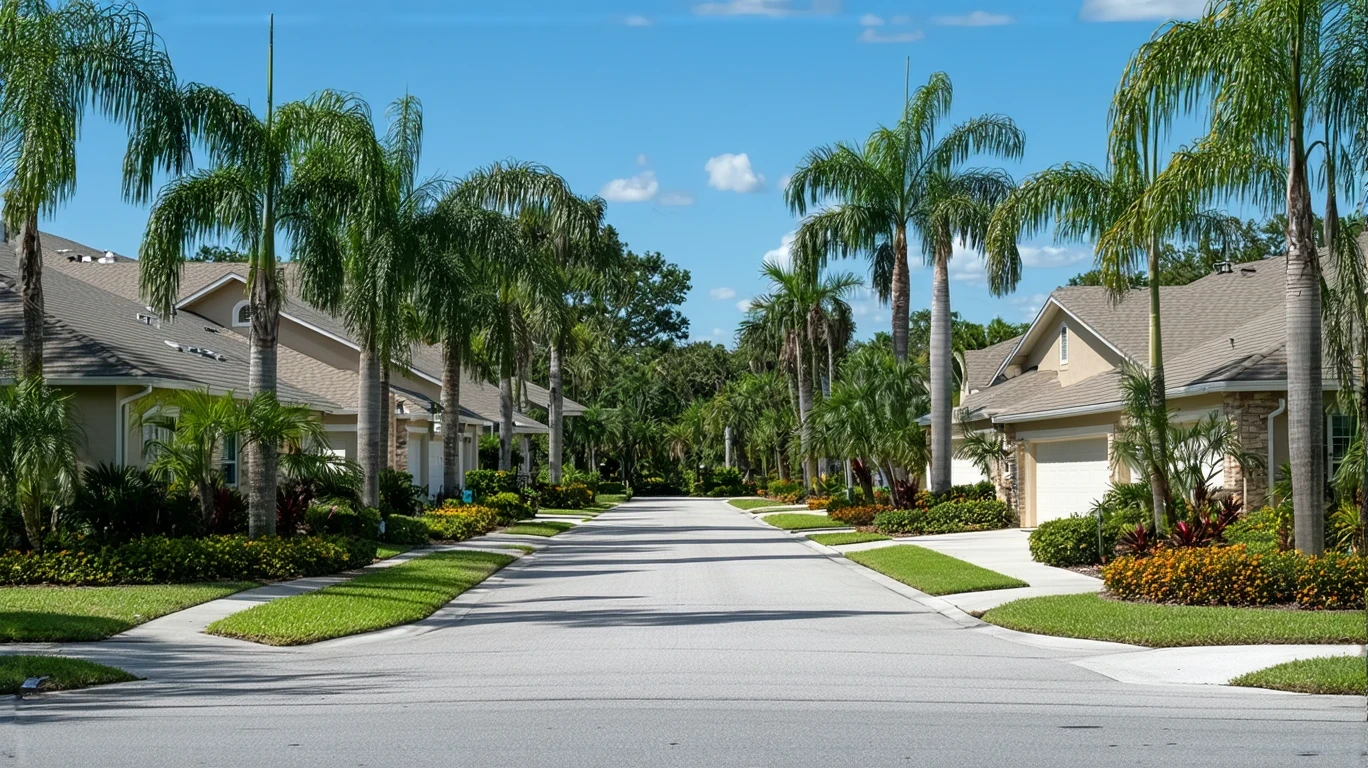
What “Living Comfortably” Means in Palm Harbor
Comfortable living in Palm Harbor doesn’t mean luxury—it means your income covers housing, utilities, transportation, and groceries without forcing you to skip maintenance, avoid healthcare, or constantly reshuffle priorities. It means seasonal utility swings don’t derail your month, and you have enough margin to absorb a car repair or a medical co-pay without panic.
Palm Harbor sits in a region where costs run higher than much of Florida. The regional price level is 26% above the national baseline, which means the same income buys less here than it would in many other mid-sized metros. Housing dominates household budgets, whether you’re renting or buying. The median rent is $1,567 per month, and the median home value is $319,300—both figures that require either dual income, above-median earnings, or significant flexibility on space and location.
Climate shapes daily costs in ways that aren’t always visible upfront. Palm Harbor’s long cooling season and high humidity mean air conditioning isn’t optional—it’s a recurring, non-negotiable expense that peaks in summer and remains present even in shoulder months. Electricity rates are moderate at 15.92¢ per kWh, but usage intensity drives the bill, not just the rate.
Comfort here also depends on how you move through the city. Palm Harbor has walkable pockets and some pedestrian infrastructure, but most households depend on cars for errands, healthcare, school runs, and commuting. The average commute is 27 minutes, and over 41% of workers face longer trips. Gas prices are elevated at $4.22 per gallon, and only 7.2% of workers have the option to work from home. That means transportation isn’t just a line item—it’s a daily friction point that compounds when combined with the need to plan errands around clustered commercial corridors rather than spontaneous neighborhood stops.
Where Income Pressure Shows Up First
Income pressure in Palm Harbor doesn’t announce itself with a single large bill—it accumulates across multiple categories that interact and reinforce each other. Understanding how these costs layer together is essential before committing to a move.
Housing is the dominant force. Whether you’re renting or buying, expect to allocate a significant share of gross income to shelter. Renters near the median pay $1,567 per month, which represents roughly 27% of the median household income of $70,493 per year (about $5,874 per month gross). For single earners or households below the median, that percentage climbs quickly, leaving less room for everything else. Buyers face a median home value of $319,300, which requires either substantial savings, dual income, or acceptance of higher debt-to-income ratios. Property taxes, insurance, and HOA fees (common in many Palm Harbor neighborhoods) add layers that don’t appear in the sticker price.
Utilities introduce volatility. Summer months bring extended air conditioning demand, and while natural gas costs are moderate at $23.62 per MCF, electricity usage during peak heat drives bills upward. Households that budget based on average monthly costs often find themselves squeezed in July and August when cooling needs peak. This isn’t a one-time surprise—it’s a recurring seasonal pattern that requires either higher income or disciplined cash flow management.
Transportation costs are both predictable and persistent. Most errands, appointments, and social activities require driving. Food and grocery options are corridor-clustered rather than broadly accessible, meaning even routine shopping trips involve intentional planning and mileage. Commuters face an average of 27 minutes each way, and over 41% experience longer trips. At $4.22 per gallon, fuel costs add up quickly, especially for households running multiple errands per week or managing school drop-offs and pickups. Car maintenance, insurance, and registration fees layer on top, and these costs don’t pause during tight months.
For families, infrastructure is strong—schools and playgrounds meet density thresholds, and hospital access is present—but accessing these resources still requires a car in most cases. That means the convenience of having good schools nearby doesn’t eliminate the transportation burden of getting kids to activities, appointments, or playdates. The logistical load is real, and it has a cost in both time and money.
How the Same Income Feels Different by Household
A household earning $70,000 per year experiences Palm Harbor very differently depending on structure, expectations, and flexibility. Income alone doesn’t determine comfort—context does.
Single adults face a tradeoff between housing and margin. Renting a one-bedroom near the median takes a larger share of solo income than it does for couples, leaving less room for utilities, transportation, and discretionary spending. Single earners who prioritize space or location often find themselves with thin monthly margins, where a utility spike or car repair becomes a real disruption. Comfort is possible, but it requires either above-median income or willingness to accept smaller, less central housing. Social life, dining out, and travel become carefully managed rather than spontaneous.
Couples without children benefit significantly from dual income. Two earners can more easily cover the $1,567 median rent or manage a mortgage on a $319,300 home while maintaining margin for utilities, transportation, and savings. The logistics burden is lighter—fewer trips, less coordination, more flexibility to adjust schedules or carpool. Comfort is more accessible here, especially if both partners work locally and avoid long commutes. However, expectations around space, dining, and lifestyle still matter. Couples who expect frequent travel, dining out, or rapid savings accumulation may still feel stretched, particularly if one income is below median or if student loans and other debts are present.
Families with children face the most complex pressure. Housing needs expand—more bedrooms, more space, often a preference for neighborhoods with strong school access. Rent or mortgage costs rise accordingly. Utility bills increase with more people at home, more laundry, more cooling demand. Transportation becomes a daily orchestration: school runs, activities, grocery trips, healthcare appointments. Even with Palm Harbor’s strong family infrastructure—schools, playgrounds, and hospital access all present—reaching these resources requires a car, planning, and time. Families at or near the median household income often find themselves managing tradeoffs constantly: skipping activities to reduce driving, delaying home maintenance, or cutting discretionary spending to absorb seasonal utility swings. Comfort for families typically requires either dual income well above the median or significant flexibility on housing size and location.
The Comfort Threshold (Qualitative)
The comfort threshold in Palm Harbor isn’t a number—it’s the point where your income stops dictating every decision. It’s when you can absorb a $200 utility bill in August without rearranging other expenses. It’s when a car repair is inconvenient but not catastrophic. It’s when you can choose a restaurant based on preference rather than price, and when saving for a future goal becomes plausible rather than aspirational.
For most households, this threshold sits above the median income, especially for families. Dual-income couples approach it more easily than single earners. Households with one high earner and low debt can reach it. But it’s not automatic, and it’s not guaranteed by salary alone.
What moves a household toward comfort?
- Housing flexibility: Willingness to accept a smaller home, a less central location, or a longer commute in exchange for lower rent or mortgage costs creates immediate margin.
- Low debt load: Households without significant student loans, credit card balances, or car payments have more room to absorb Palm Harbor’s cost structure.
- Dual income: Two earners dramatically expand capacity, especially when both incomes are stable and neither requires a long commute.
- Modest expectations: Households that don’t require frequent dining out, new cars, or rapid savings growth adapt more easily to Palm Harbor’s cost rhythm.
What pushes households away from comfort?
- Single income with dependents: One earner supporting multiple people faces the highest pressure, especially if housing needs are non-negotiable.
- High fixed costs: Large car payments, student loans, or credit card minimums reduce the income available for Palm Harbor’s variable costs like utilities and fuel.
- Expectation mismatches: Households that assume walkability, transit utility, or low transportation costs often feel surprised and constrained after arrival.
- Seasonal blindness: Budgeting based on average monthly costs without accounting for summer utility peaks leads to recurring stress.
Comfort in Palm Harbor is less about hitting a salary target and more about aligning your income, expectations, and flexibility with the city’s actual cost rhythm and infrastructure reality.
Why Online Cost Calculators Get Palm Harbor Wrong
Most cost-of-living calculators reduce Palm Harbor to a set of averages: median rent, typical utilities, estimated transportation. They produce a total, imply a required income, and suggest that hitting that number guarantees comfort. But totals mislead because they ignore texture.
Calculators don’t account for how Palm Harbor’s infrastructure shapes daily behavior. They assume you can walk to errands or rely on transit, but in practice, most households depend on cars for nearly everything. Food and grocery options are corridor-clustered, not broadly accessible, meaning even routine trips require intentional planning and mileage. That’s not captured in a generic “transportation” line item.
Calculators don’t reflect seasonality. They average utility costs across the year, masking the summer peaks that actually stress household budgets. A household that budgets $150 per month for electricity might face $250 in July and August—a swing that matters when margin is thin.
Calculators don’t differentiate by household type. A single adult, a couple, and a family of four all receive the same “required income” estimate, even though their experiences of Palm Harbor’s cost structure are radically different. Families face logistics complexity, transportation multiplication, and space needs that couples don’t. Single earners face housing cost burdens that dual-income households can split.
Calculators also ignore expectations. They can’t tell whether you value spontaneous dining out, whether you expect to save aggressively, or whether you’re willing to accept a smaller home in exchange for lower costs. These preferences determine comfort as much as income does.
People feel surprised after moving because they trusted a total instead of understanding the tradeoffs. Palm Harbor works well for many households, but only when expectations match the city’s actual rhythm, infrastructure, and cost behavior.
How to Judge Whether Your Income Fits Palm Harbor
Instead of asking “Is my income enough?”, ask these questions:
How sensitive are you to housing tradeoffs? Can you accept a smaller home, a less central location, or an older property to reduce rent or mortgage costs? Or do you need specific space, school access, or neighborhood character regardless of price? Housing dominates budgets in Palm Harbor, and flexibility here creates the most margin.
Can you absorb seasonal utility swings? Will a $200+ summer electricity bill disrupt your month, or can you handle that variation without stress? If your budget depends on stable, predictable monthly costs, Palm Harbor’s climate-driven volatility may feel harder than expected.
Is time or money your limiting factor? Are you willing to spend extra time planning errands, driving to clustered commercial areas, and coordinating trips to reduce mileage? Or do you value spontaneity and convenience enough to accept higher transportation costs? Palm Harbor’s infrastructure rewards planning but penalizes spontaneity.
How much flexibility do you expect month to month? Do you need margin for dining out, travel, hobbies, and rapid savings growth? Or are you comfortable with a tighter budget that covers essentials well but leaves less room for discretionary spending? Comfort in Palm Harbor often means prioritizing stability over flexibility.
What does your household structure look like? Are you a single earner, a dual-income couple, or a family with children? Each structure experiences Palm Harbor’s costs and logistics differently. Families face the most complexity; couples with two incomes face the least pressure.
What’s your debt load? Do you carry significant student loans, car payments, or credit card balances? High fixed debt reduces the income available for Palm Harbor’s variable costs and limits your ability to absorb surprises.
These questions won’t produce a required income figure, but they’ll clarify whether your financial reality and expectations align with how Palm Harbor actually works.
How Day-to-Day Living Actually Works in Palm Harbor
Income matters, but so does the friction of daily logistics. Palm Harbor’s infrastructure and layout shape how people move, plan, and spend time in ways that affect both cost and comfort.
Most households depend on cars for nearly everything. While some areas have walkable pockets with higher pedestrian-to-road ratios, and bus service is present, the practical reality is that errands, healthcare, school runs, and social activities require driving. Food and grocery options are corridor-clustered rather than distributed throughout neighborhoods, meaning even a quick grocery run involves intentional planning and mileage. This isn’t a occasional inconvenience—it’s the default pattern.
For families, the logistics load multiplies. Schools and playgrounds are present and meet density thresholds, and hospital access is available, but reaching these resources still requires a car in most cases. That means even though the infrastructure is strong, accessing it involves coordination, time, and fuel costs. A family managing school drop-offs, activity pickups, grocery trips, and medical appointments can easily log significant weekly mileage, all within Palm Harbor’s boundaries.
The commute adds another layer. The average commute is 27 minutes, and over 41% of workers face longer trips. Only 7.2% of workers have the option to work from home, meaning most households are committed to daily driving. At $4.22 per gallon, fuel costs accumulate quickly, and the time spent commuting reduces the hours available for errands, family, or rest.
This structure doesn’t make Palm Harbor unlivable—it just means that comfort depends not only on income but also on your willingness to plan, drive, and accept that spontaneity has a cost. Households that adapt to this rhythm and build routines around clustered errands and predictable trips tend to feel more settled. Those who expect walkable convenience or transit utility often feel friction they didn’t anticipate.
FAQs About Living Comfortably in Palm Harbor
Is $70,000 per year enough to live comfortably in Palm Harbor?
It depends entirely on household structure and expectations. For a dual-income couple without children, $70,000 combined can work if you’re flexible on housing and manage transportation and utility costs carefully. For a single earner or a family with children, $70,000 often feels tight, especially if you need more space or face long commutes. Comfort isn’t guaranteed by income alone—it’s shaped by how your situation aligns with Palm Harbor’s cost drivers and infrastructure.
What’s the biggest cost surprise people face after moving to Palm Harbor?
Seasonal utility swings and transportation costs. Many people budget based on average monthly figures and are caught off guard by summer electricity bills driven by extended air conditioning demand. Similarly, the need to drive for nearly all errands, combined with elevated gas prices and moderate-to-long commutes, adds up faster than expected. The combination of these two factors—volatility and persistent driving costs—often narrows the margin people thought they had.
Can a single person live comfortably in Palm Harbor?
Yes, but it requires either above-median income or significant flexibility on housing. A single earner paying median rent will allocate a large share of income to shelter, leaving less room for utilities, transportation, and discretionary spending. Comfort is more accessible if you’re willing to accept a smaller place, a less central location, or a longer commute in exchange for lower rent. Single earners with high debt loads or expectations for frequent travel and dining out may find Palm Harbor more constraining than anticipated.
How does Palm Harbor compare to other Tampa-area suburbs for affordability?
Palm Harbor sits in a region where costs run higher than much of Florida, with a regional price level 26% above the national baseline. While it offers strong family infrastructure, hospital access, and a mix of walkable pockets, it’s not the most affordable option in the Tampa metro. Households prioritizing lower costs may find better margin in areas farther from the coast or with less developed amenities. Palm Harbor works well for those who value its specific character and infrastructure, but it’s not a budget-friendly choice compared to some alternatives in the region.
What income level makes Palm Harbor feel easy rather than manageable?
There’s no single threshold, but most households begin to feel genuine ease—rather than constant tradeoff management—when combined income sits well above the median, debt is low, and housing costs are controlled. For families, this often means dual income with both earners above median and flexibility on home size or location. For couples, it might mean combined income 30–40% above the regional median with minimal fixed debt. For single earners, ease typically requires income significantly above median or acceptance of modest housing and lifestyle expectations. The key isn’t hitting a number—it’s having enough margin that seasonal swings, car repairs, and occasional discretionary spending don’t force budget reshuffling.
How this article was built: In addition to public economic data, this article incorporates location-based experiential signals derived from anonymized geographic patterns—such as access density, walkability, and land-use mix—to reflect how day-to-day living actually feels in Palm Harbor, FL.
Palm Harbor can work well for many households—but only if expectations match reality. Comfort here isn’t guaranteed by salary alone. It’s shaped by how your income, household structure, and daily routines align with the city’s cost drivers, infrastructure, and seasonal rhythms. If you’re willing to plan, drive, and manage tradeoffs, Palm Harbor offers strong family infrastructure, healthcare access, and a mix of walkable pockets. But if you expect spontaneous convenience, low transportation costs, or predictable monthly expenses, the budget reality may feel tighter than anticipated. Judge fit based on alignment, not income alone.