
Is Student Living in Glendale More Affordable Than Traditional College Towns?
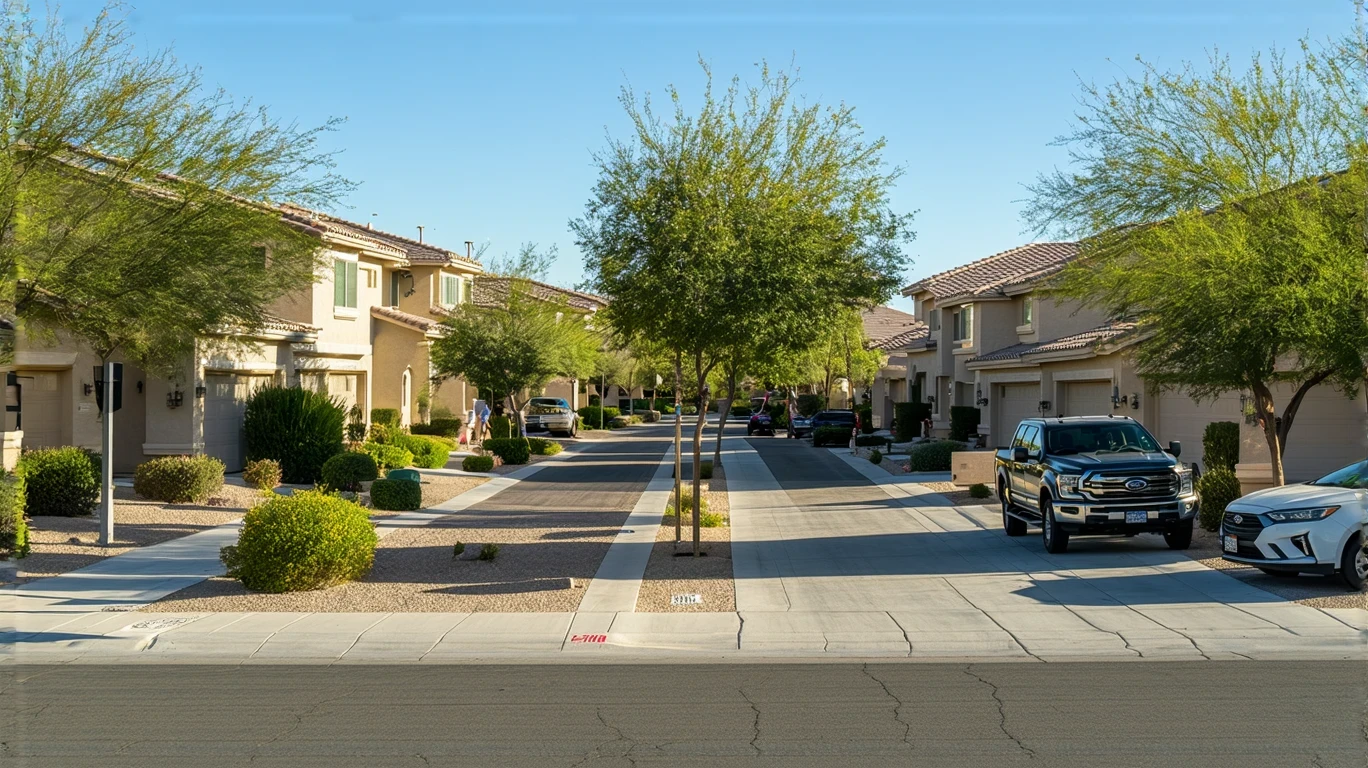
When students and families evaluate housing markets near Phoenix-area campuses, Glendale presents an interesting alternative to the typical college town. Unlike cities built around a single university campus, Glendale functions as a suburban community within the broader Phoenix metro, offering a different kind of student experience—one defined less by concentrated campus culture and more by access, affordability relative to the urban core, and a quieter residential environment that appeals particularly to graduate students, commuters, and those seeking a more settled lifestyle during their academic years.
Glendale earns a student-friendliness score of 68 out of 100. This rating reflects the city’s strengths in infrastructure, transit connectivity, and day-to-day accessibility, balanced against its identity as a retirement-oriented community rather than a traditional college hub. Students who choose Glendale typically do so because they’re attending institutions elsewhere in the Phoenix area and want a home base that offers practical advantages: rail transit access to downtown and university corridors, broadly accessible grocery and food options, and integrated park space that supports a balanced lifestyle. The tradeoff is a less concentrated social scene and the need to travel for campus events and nightlife.
What makes Glendale work for students is its structure. The city’s pedestrian infrastructure supports walkable pockets, particularly near transit stations and commercial corridors, meaning students can manage errands on foot or by bike in certain neighborhoods. Food and grocery density exceeds high thresholds, which translates to practical convenience: you’re not driving across town for basics. And because Glendale maintains strong family-oriented infrastructure—schools, playgrounds, and healthcare facilities including a hospital—students benefit from a well-functioning community rather than one that empties out between semesters.
Housing Options for Students in Glendale
The off-campus rental market in Glendale reflects its suburban character. Median gross rent sits at $1,268 per month, which positions the city as moderately priced compared to neighborhoods closer to Arizona State University’s Tempe campus or downtown Phoenix. For students, this typically means shared housing arrangements are the norm. A two-bedroom apartment split between roommates can bring individual costs into the $600–$700 range before utilities, making Glendale competitive for students willing to coordinate living arrangements.
Purpose-built student housing complexes are less common here than in traditional college towns, so most students rent from general-market apartment communities or single-family home conversions. Lease terms tend to follow standard 12-month cycles rather than academic-year leases, which requires planning around summer sublets or year-round commitment. Deposit requirements typically equal one month’s rent, and landlords in this market often expect co-signers for students without established credit or income history.
Proximity to campus depends entirely on which institution you’re attending. Glendale’s value proposition is rail transit connectivity—students attending ASU’s downtown Phoenix campus or other institutions along the Valley Metro light rail corridor can structure their housing around station access rather than campus walking distance. Neighborhoods near transit stops offer the most practical student lifestyle, reducing car dependency and allowing students to avoid the cost and complexity of campus parking permits.
Getting Around: Transportation and Campus Access
Transportation defines the student experience in Glendale more than in compact college towns. The city’s rail transit service provides the critical link to Phoenix-area campuses, particularly for students attending institutions downtown or along the light rail’s reach. Valley Metro offers reduced fares for students with valid college IDs, and monthly passes make budgeting predictable. For students structured around transit, this eliminates the need for a car entirely—a significant cost advantage in a region where gas prices run $4.46 per gallon.
That said, Glendale’s suburban layout means transit works best for students living near stations and attending campuses on the rail line. Those attending institutions elsewhere in the metro—such as ASU’s Tempe campus or Grand Canyon University—face longer commutes that may require driving or coordinating ride-shares. The city’s average commute time of 28 minutes reflects this regional dynamic, and students should factor travel time into their daily schedules, particularly during peak traffic periods.
Cycling infrastructure exists in pockets, with bike-to-road ratios in the medium band, meaning some corridors support bike commuting while others remain car-oriented. Students who bike should focus housing searches on neighborhoods with dedicated paths and proximity to destinations. Parking availability is generally strong in Glendale’s apartment complexes, so students who do need cars won’t face the scarcity common in dense college towns, though the cost of owning and operating a vehicle remains a major budget consideration.
Student Cost of Living in Glendale
Building a realistic monthly budget requires understanding how Glendale’s cost structure affects student spending. The city’s regional price parity index of 106 indicates costs run slightly above the national baseline, though this remains moderate compared to coastal markets or high-demand college towns. For students, the primary cost drivers are housing, food, and transportation—categories where strategic choices create meaningful differences in financial pressure.
A frugal student budget in Glendale, built around shared housing, home cooking, and transit use, might land in the $1,100–$1,300 range per month before tuition. This assumes splitting a two-bedroom apartment, preparing most meals at home using the city’s accessible grocery options, and relying on student transit passes. A moderate budget, allowing for occasional dining out, a personal vehicle, and more flexible spending, would push toward $1,600–$1,900 monthly. Students maintaining a comfortable lifestyle—solo housing or premium shared arrangements, regular social spending, and full car ownership—should expect $2,200–$2,600 or more.
Part-time job opportunities exist throughout Glendale’s retail and service sectors, with the city’s 3.1% unemployment rate suggesting a relatively healthy labor market. Students typically find work in food service, retail, tutoring, or campus-adjacent positions, with wages varying by role and experience. The practical advantage of Glendale’s broadly accessible commercial landscape is that job opportunities aren’t concentrated in a single campus district—students can find work near their housing rather than commuting to a university area.
Monthly Student Budget in Glendale
Here’s what a typical monthly student budget might look like in Glendale:
| Expense Category | Shared Housing | Solo Living |
|---|---|---|
| Rent | $650 | $1,268 |
| Utilities | $60 | $120 |
| Food | $280 | $350 |
| Transportation | $65 | $180 |
| Textbooks/Supplies | $80 | $80 |
| Entertainment | $100 | $150 |
| Personal Care | $50 | $70 |
| Miscellaneous | $75 | $100 |
| Total | $1,360 | $2,318 |
Estimates based on average student spending patterns and local costs. Transportation assumes transit pass for shared housing, vehicle ownership for solo living. Utilities reflect typical apartment usage before summer cooling peaks.
Student-Friendly Amenities and Infrastructure
Glendale’s amenity landscape reflects its broader community orientation rather than student-specific services, but this creates practical advantages for students who value quality of life infrastructure. The city’s integrated park access—with park density exceeding high thresholds—means students have abundant outdoor space for recreation, study breaks, and exercise without paying gym memberships. Water features add to the outdoor environment, providing varied settings beyond typical suburban parks.
Study spaces outside of campus libraries include coffee shops with reliable Wi-Fi throughout the city’s commercial corridors, particularly in areas with mixed residential and commercial land use. The city’s broadly accessible food landscape means students can find affordable dining options, grocery stores, and convenience retailers within practical reach of most residential neighborhoods. This density matters for students managing time between classes, work, and study—errands don’t require extensive planning or travel.
Healthcare access includes a hospital facility and pharmacy presence, which provides students with options beyond campus health centers for urgent care, prescriptions, and routine medical needs. Mental health resources typically require coordination with campus services or private providers, as Glendale’s healthcare infrastructure serves the general community rather than student-specific populations. Students should verify their insurance coverage and identify providers before moving to the area.
Campus job opportunities depend on your institution, but Glendale’s local economy offers retail, food service, and service-sector positions throughout the city. The advantage of a non-college-town market is less competition from concentrated student populations for entry-level work, though this also means fewer positions specifically structured around academic schedules.
Social Scene and Campus Life Considerations
The social experience of living in Glendale differs significantly from traditional college towns. Because the city functions as a residential suburb rather than a campus-centered community, student social life requires intentional effort and often involves travel to campus areas or downtown Phoenix for events, nightlife, and concentrated student activities. This structure works well for graduate students, older undergraduates, and commuters who prioritize academics and personal time over constant social immersion, but it can feel isolating for younger students seeking the classic college town experience.
Campus social events, student organizations, and intramural sports remain anchored at your institution rather than in Glendale’s neighborhoods. Students living here typically maintain their campus involvement by building commute time into their schedules and clustering campus activities on specific days. The city’s rail transit access makes this feasible for institutions along the light rail corridor, but students should honestly assess whether they’re comfortable with the separation between home and campus social life.
Local entertainment options include the usual suburban mix of chain restaurants, movie theaters, and shopping centers, plus the city’s extensive park system for outdoor recreation. Cultural activities and concerts tend to concentrate in downtown Phoenix or Tempe, requiring travel but offering access to the broader metro’s entertainment landscape. For students who view college as a time to explore urban culture and nightlife, Glendale serves as a home base rather than the center of social activity.
Safety and Practical Student Considerations
Safety in Glendale follows suburban patterns rather than the concentrated campus security common in college towns. Students living off-campus take responsibility for their own residential security, which means evaluating neighborhoods, choosing well-lit areas near transit if relying on public transportation, and following standard urban safety practices. The city’s family-oriented infrastructure and strong community presence contribute to a generally stable residential environment, though students should research specific neighborhoods and visit potential housing before committing.
Emergency services operate at the city level rather than through campus-specific systems, and the presence of a hospital facility means students have access to urgent care beyond campus health centers. Students should program local emergency numbers, identify the nearest urgent care and hospital locations, and understand their health insurance coverage for off-campus medical needs.
Academic support services, tutoring, and career services remain campus-based, which means students living in Glendale need to factor in travel time for office hours, advising appointments, and career center visits. The separation between home and campus requires more intentional planning than living in a campus-adjacent neighborhood, but it also creates clearer boundaries between academic and personal space—an advantage for students who benefit from physical separation between study and home environments.
Internship opportunities throughout the Phoenix metro are accessible from Glendale, particularly for students with reliable transportation or those whose fields connect to industries in the western valley. Career services at your institution can help identify opportunities, but students should also explore Glendale’s local economy and the broader metro’s professional landscape independently.
Frequently Asked Questions About Student Living in Glendale
What’s the average cost of student living in Glendale?
Students in shared housing arrangements typically spend $1,300–$1,500 monthly covering rent, utilities, food, transportation, and basic expenses before tuition. Solo living pushes costs toward $2,300 or more. The primary variables are housing arrangement, transportation method, and food spending patterns. Students using transit and cooking at home maintain the lowest costs, while those with cars and flexible dining habits face higher monthly pressure.
How safe is it for students to live off-campus in Glendale?
Glendale functions as a residential suburb with family-oriented infrastructure and community presence. Safety varies by neighborhood, as in any city, so students should research specific areas, visit potential housing, and choose locations with good lighting and transit access if relying on public transportation. The city’s healthcare infrastructure includes hospital and pharmacy access, providing medical resources beyond campus health centers.
Are there good part-time job opportunities for students?
The local economy offers retail, food service, and service-sector positions throughout commercial corridors, with the city’s 3.1% unemployment rate suggesting reasonable availability. Unlike concentrated college towns, job competition comes from the general workforce rather than dense student populations, which can be advantageous for students seeking steady part-time work. Wages vary by role and experience, and students should factor commute time to work locations into their schedules.
What’s the social scene like for college students in Glendale?
Glendale’s social landscape differs from traditional college towns because it functions as a residential community rather than a campus-centered city. Students maintain social connections primarily through their institutions, requiring travel to campus for events, organizations, and concentrated student activities. Local entertainment includes suburban amenities and the city’s extensive park system, while nightlife and cultural events typically require trips to downtown Phoenix or Tempe. This structure works well for graduate students and commuters who prioritize academics over constant social immersion, but may feel isolating for younger undergraduates seeking concentrated campus culture.
Making the Decision: Is Glendale Right for Your College Years?
Glendale succeeds as a student living option when your priorities align with its strengths: rail transit access to Phoenix-area campuses, moderate housing costs through shared arrangements, broadly accessible day-to-day amenities, and a quieter residential environment that supports focused academic work. The city’s infrastructure—integrated parks, strong family-oriented services, and hospital access—creates quality of life advantages that benefit students seeking a stable home base rather than constant social stimulation.
The primary tradeoffs are clear: Glendale is not a traditional college town, and students living here accept separation between home and campus social life. This works well for graduate students, older undergraduates, and commuters who value the distinction between academic and personal space. It’s less ideal for younger students seeking concentrated campus culture, walkable access to university facilities, or the immersive social experience of living among dense student populations.
For families evaluating options, Glendale offers practical advantages in what costs people most—particularly housing and transportation—compared to neighborhoods immediately adjacent to major campuses. Students who structure their lives around transit, manage monthly spending through shared housing and home cooking, and embrace the commuter student lifestyle can build financially sustainable college years here. Those who need campus proximity, car-free convenience, or constant access to student-oriented nightlife should consider alternatives closer to their institutions.
The decision ultimately depends on your academic institution, lifestyle preferences, and financial constraints. Visit Glendale’s transit-accessible neighborhoods, assess commute times to your campus, and honestly evaluate whether the separation between home and campus social life fits your college vision. For the right student, Glendale provides a viable path through college years with less financial pressure and more residential stability than high-demand campus areas—but only if you’re comfortable with the tradeoffs that suburban student living requires.
How this article was built: In addition to public economic data, this article incorporates location-based experiential signals derived from anonymized geographic patterns—such as access density, walkability, and land-use mix—to reflect how day-to-day living actually feels in Glendale, AZ.