
Is Kent the kind of place you grow roots—or just pass through? That question sits at the heart of how people experience this Seattle-area suburb. Kent doesn’t inspire love-at-first-sight devotion or universal frustration—it earns something quieter: pragmatic appreciation mixed with honest tradeoffs. For families seeking space, parks, and a reasonable commute to Seattle, Kent tends to deliver. For those craving walkable urban texture or small-town intimacy, it often feels like a compromise in motion.
What makes Kent emotionally complex is its in-between identity. It’s not quite a bedroom community, not quite a regional hub, and not quite a small town. It’s a place where people find what they need—grocery density, green space, decent schools—without falling in love with the vibe itself. The city works best for households who value function over charm, access over atmosphere, and practicality over personality.
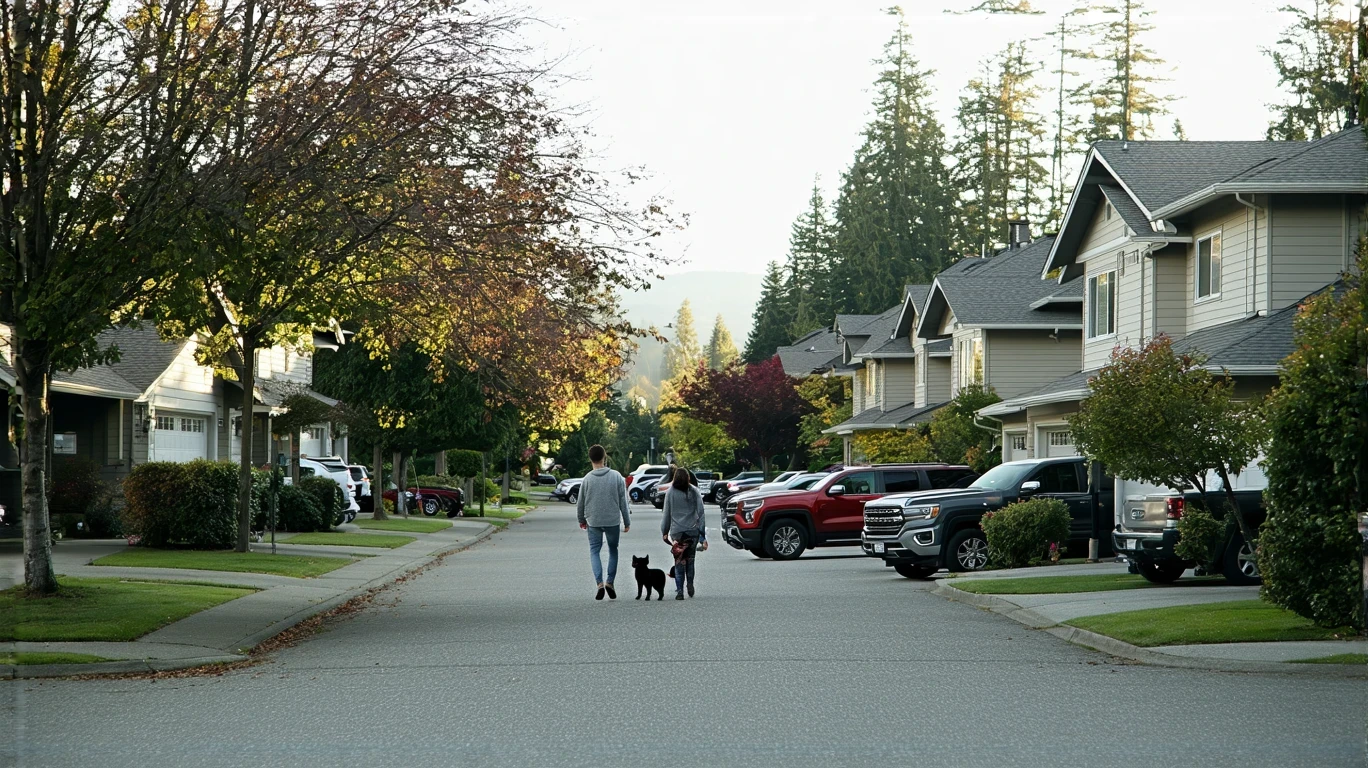
The Emotional Landscape of Kent
Kent’s overall sentiment reflects a city in transition. Long-time residents describe a place that’s grown faster than its identity, where new development sits alongside older neighborhoods, and where diversity feels like a strength even as growth creates friction. Newcomers often arrive with modest expectations—affordable housing, parks for kids, proximity to Seattle—and Kent meets those needs without much fanfare.
The city’s vibe is shaped by its structure. With broadly accessible food and grocery options throughout the area, daily errands don’t require extensive planning. Parks are woven into the fabric of the city, offering families and outdoor enthusiasts reliable green space. Rail service connects Kent to Seattle, giving commuters an alternative to the grind of I-5, though the car remains the primary tool for most households. Walkable pockets exist, but they’re just that—pockets. Outside those areas, getting around on foot feels more like determination than convenience.
What tends to feel rewarding here: space to breathe, parks that actually get used, a sense of community that’s diverse and evolving, and housing that doesn’t devour your income. What tends to feel limiting: long commutes, car dependency outside a few corridors, and a nightlife scene that barely registers. Kent works for people who’ve made peace with those tradeoffs.
Social Media Buzz in Kent
Online discussion about Kent tends to circle around a few recurring themes: commute frustration, appreciation for parks and trails, debates about development and density, and pride in the city’s multicultural character. The tone is rarely ecstatic or outraged—it’s more often practical, occasionally defensive, and sometimes weary.
On platforms like Reddit and local Facebook groups, residents describe Kent as “not flashy, but it works.” One common refrain: “People sleep on Kent because it’s not trendy, but you get a lot more space and green space than you’d ever afford closer in.” Another frequent sentiment: “The commute is rough, but at least I can actually park at the transit center and take the train when traffic’s a nightmare.” And a third, more cautious perspective: “It’s fine if you have a car and don’t need much walkability—but don’t expect to stroll to dinner or feel like you’re in a real downtown.”
Discussion about growth and change tends to be mixed. Some residents welcome new amenities and denser development; others worry about losing the suburban character that drew them in the first place. The emotional tone isn’t anger—it’s more like negotiation. People here seem to understand that Kent is evolving, and they’re trying to figure out whether that evolution aligns with their own needs.
Local News Tone
Local coverage of Kent tends to frame the city through the lens of growth, infrastructure, and community identity. Headlines and story themes reflect a place caught between its suburban roots and its role as a regional employment and transit hub. The tone is rarely celebratory or alarmist—it’s more often matter-of-fact, focused on logistics and tradeoffs.
Typical story frames include:
- “Community Debates What Growth Should Look Like”
- “New Amenities Arrive as Suburban Identity Evolves”
- “Residents Weigh Convenience Against Quiet”
- “Transit Connections Expand, But Car Dependency Remains”
- “Parks and Trails Draw Families Seeking Outdoor Access”
The undercurrent in much of this coverage is tension: between old Kent and new Kent, between affordability and development pressure, between suburban comfort and urban aspiration. It’s not conflict—it’s the emotional texture of a city trying to figure out what it wants to be.
Review-Based Public Perception
Public reviews of Kent—whether on Google, Yelp, or neighborhood platforms—tend to reflect expectation matching more than objective quality. People who wanted suburban space, parks, and affordability often express pleasant surprise. People who wanted walkability, nightlife, or small-town charm often express mild disappointment.
Positive reviews frequently mention green space, grocery access, and family-friendly infrastructure. One common theme: “Great parks, easy to get groceries, and way more affordable than Seattle—exactly what we needed.” Another: “Diverse community, good schools in some areas, and you can actually find a house with a yard.”
Critical reviews tend to focus on car dependency, commute length, and lack of urban texture. Typical complaints include: “You need a car for everything, and even then, getting to Seattle takes forever.” And: “It’s fine, but there’s not much to do here—you end up driving to Tacoma or Seattle for anything interesting.”
Neighborhood variation shows up in reviews, though often in vague terms. Newer planned areas tend to draw praise for parks and amenities but criticism for sameness. Older pockets get credit for character and affordability but sometimes face concerns about upkeep and walkability. The overall takeaway: Kent delivers on function, but it doesn’t inspire emotional attachment the way some cities do.
Comparison to Nearby Cities
| Dimension | Kent | Renton | Federal Way |
|---|---|---|---|
| Overall Vibe | Pragmatic suburban comfort with transit access | More urban energy, closer to Seattle, denser feel | Quieter, more residential, farther from core |
| Walkability | Pockets of walkability, mostly car-dependent | Better walkable corridors, more mixed-use | Very car-oriented, limited pedestrian texture |
| Green Space | Abundant parks, well-integrated trails | Parks present but less extensive | Good park access, more spread out |
| Commute Sentiment | Long but manageable with rail option | Shorter to Seattle, better transit frequency | Longer, more car-dependent commute |
| Community Feel | Diverse, evolving, functional | More transient, faster-paced | Family-focused, quieter, slower change |
Kent sits in the middle of this trio, offering more green space than Renton and better transit access than Federal Way, but less urban texture than the former and less suburban quiet than the latter. If you prioritize parks and outdoor access with a rail line to Seattle, Kent tends to edge ahead. If you want a shorter commute and more walkable corridors, Renton often feels more aligned. If you’re seeking maximum suburban calm and don’t mind car dependency, Federal Way might fit better. None of these cities “wins”—they just serve different priorities.
What Locals Are Saying
“We moved here from Seattle when we had our second kid. The space and the parks made it worth the commute. It’s not exciting, but it’s exactly what we needed.” — Family with young children
“Kent gets a bad rap, but honestly, it’s affordable and you can get to Seattle on the train. I don’t love the drive everywhere vibe, but I also don’t love paying $2,500 for a one-bedroom.” — Young professional, remote worker
“I’ve been here twenty years and watched it change a lot. Some of it’s good—better stores, more options. Some of it feels like we’re losing what made it feel like home.” — Long-time resident
“If you’re looking for nightlife or walkable neighborhoods, this isn’t it. But if you want a yard, good schools, and parks where your kids can actually play, it works.” — Parent, mid-30s
“The commute is brutal, no way around it. But I can afford a house here, and I couldn’t in Renton or Seattle. You pick your tradeoff.” — Commuter to Seattle
“It’s diverse, which I love. But it also feels kind of sprawling and disconnected. You don’t really ‘hang out’ in Kent—you just live here.” — Newcomer, late 20s
“Honestly, it’s fine. Not great, not terrible. If you need function over charm, Kent delivers.” — Retiree, downsized from larger home
Does Kent Feel Like a Good Fit?
Kent doesn’t ask you to fall in love with it. It asks you to decide whether its tradeoffs align with your priorities. This tends to work for families who value outdoor access, households stretched thin by Seattle-area housing pressure, and commuters willing to trade time for space and affordability. It tends to frustrate people seeking walkable urban texture, short commutes, or vibrant nightlife.
The city’s emotional profile is one of pragmatic satisfaction. People here appreciate what Kent offers—parks, grocery access, diversity, transit connections—without pretending it’s more than it is. The vibe isn’t aspirational or romantic. It’s functional, evolving, and quietly resilient.
If you’re trying to figure out whether Kent fits your life, ask yourself: Do I need space more than I need walkability? Can I handle a longer commute in exchange for lower monthly expenses? Do I value parks and outdoor access over downtown energy? If the answers lean yes, Kent might feel like home. If they lean no, it might feel like a compromise you’re not ready to make.
To explore how Kent’s costs and lifestyle requirements shape day-to-day decisions, dig into the financial and practical realities that define life here.
How this article was built: In addition to public economic data, this article incorporates location-based experiential signals derived from anonymized geographic patterns—such as access density, walkability, and land-use mix—to reflect how day-to-day living actually feels in Kent, WA.
The perspectives shown reflect commonly expressed local sentiment and recurring themes in public discussion, rather than individual accounts.