
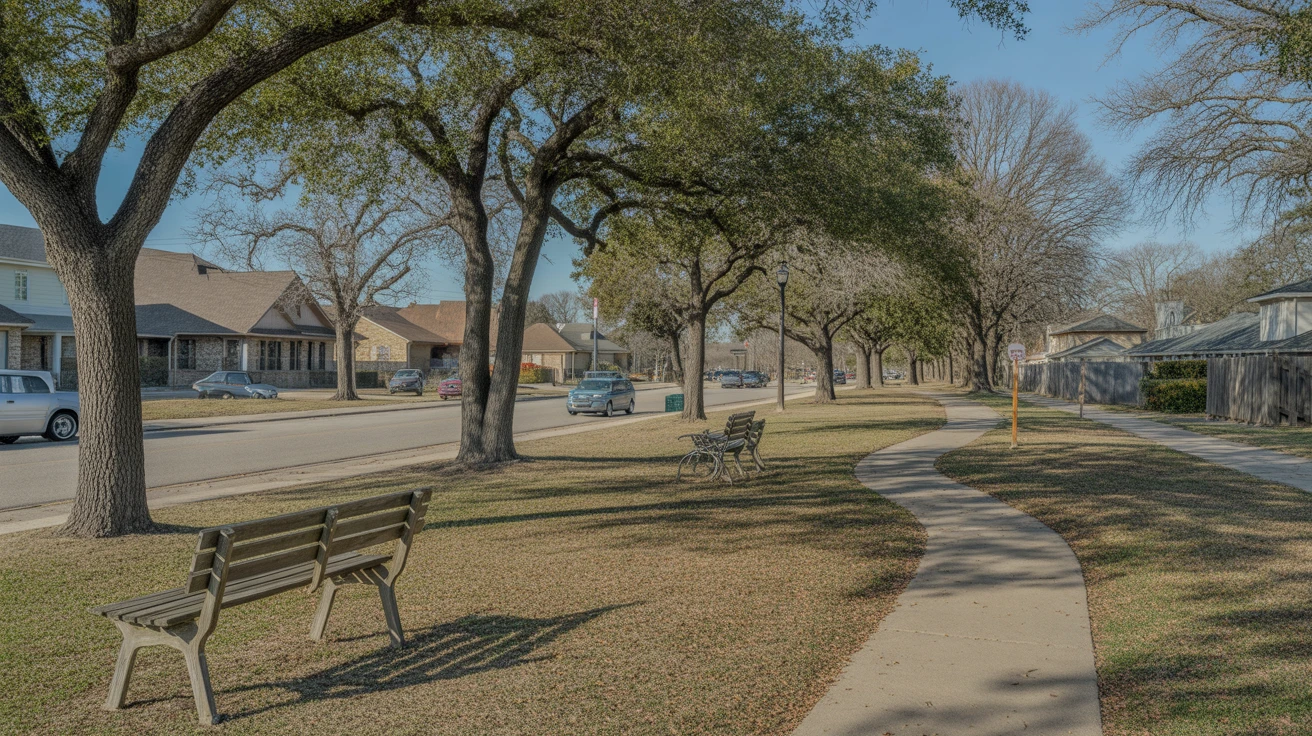
Carrollton and Irving sit side by side in the Dallas metro, separated by a few miles and a shared regional economy—but the financial experience of living in each can feel surprisingly different. Both cities draw families, young professionals, and commuters looking for suburban access without leaving the metro orbit, yet the structure of costs in each shapes daily life in distinct ways. In 2026, the decision between Carrollton and Irving isn’t about finding the “cheaper” option; it’s about understanding where cost pressure concentrates, which households feel it most, and how different spending patterns interact with each city’s infrastructure and housing stock.
Housing entry costs, infrastructure density, and the predictability of ongoing expenses all vary between these two neighbors. Carrollton offers median home values of $327,300 and median gross rent of $1,555 per month, while Irving’s housing market centers on $259,500 for home values and $1,423 per month for rent. But the difference isn’t just about the numbers—it’s about what those numbers unlock in terms of access, convenience, and the friction costs that come with managing a household. Median household income in Carrollton sits at $95,380 per year, compared to $76,686 per year in Irving, which means the same housing price tag carries different weight depending on where you’re starting from.
This comparison focuses on how costs behave differently in each city, not on totals or savings. We’ll examine housing pressure, utility exposure, transportation dependence, grocery access, and the lifestyle infrastructure that shapes how much time and money it takes to get through the week. The goal is to help you identify which cost structure aligns with your household’s priorities, sensitivities, and trade-offs.
Housing Costs: Entry Barriers and Ongoing Obligations
Housing dominates the cost experience in both Carrollton and Irving, but the entry barrier and ongoing monthly obligation differ substantially. Carrollton’s median home value of $327,300 requires a larger down payment, higher mortgage capacity, and greater upfront financial reserves than Irving’s $259,500 median. For first-time buyers or households stretching to enter homeownership, that gap represents months or years of additional saving, higher monthly principal and interest payments, and increased exposure to property tax obligations tied to assessed value.
Renters face a similar structural difference. Carrollton’s median gross rent of $1,555 per month creates a higher baseline monthly obligation than Irving’s $1,423 per month. That difference—sustained over a year—affects how much flexibility remains for other expenses, how quickly renters can build savings, and whether a household can absorb unexpected costs without financial strain. For single adults or dual-income couples without children, the rent gap may feel manageable if Carrollton’s infrastructure reduces other friction costs. For families managing childcare, groceries, and transportation on top of rent, the lower baseline in Irving can provide meaningful breathing room.
Both cities feature a mix of single-family homes, townhomes, and apartment complexes, but the housing stock in Carrollton skews toward newer construction and master-planned neighborhoods with integrated amenities. Irving’s housing includes older single-family homes, mid-rise apartments near commercial corridors, and pockets of redevelopment that offer varied price points. Newer homes in Carrollton may reduce utility volatility through better insulation and modern HVAC systems, but they often come with HOA fees that add predictable monthly costs. Older homes in Irving may offer lower purchase prices but can introduce higher maintenance and energy expenses over time.
| Housing Type | Carrollton | Irving |
|---|---|---|
| Median Home Value | $327,300 | $259,500 |
| Median Gross Rent | $1,555/month | $1,423/month |
| Typical Housing Stock | Newer single-family, master-planned communities | Mixed-age single-family, mid-rise apartments |
The housing takeaway depends on what drives your decision. Households prioritizing lower entry costs, reduced monthly obligations, and flexibility to absorb other expenses may find Irving’s housing market more forgiving. Households willing to carry higher housing costs in exchange for newer construction, integrated parks, and denser access to groceries and services may find Carrollton’s structure worth the premium. Renters sensitive to baseline monthly obligations should weigh the rent gap against the time and convenience costs of running errands, commuting, and managing daily logistics in each city.
Utilities and Energy Costs: Predictability in a Shared Climate
Utility costs in Carrollton and Irving operate under nearly identical structural conditions. Both cities face the same electricity rate of 16.11¢/kWh and natural gas price of $30.71/MCF, and both experience the extended cooling season and intense summer heat typical of North Texas. The primary cost driver in both cities is air conditioning, which dominates household energy use from late spring through early fall. Heating costs remain modest and concentrated in a short winter window, with natural gas serving as the primary fuel for homes equipped with central heating.
The difference in utility exposure between Carrollton and Irving comes down to housing stock, home size, and insulation quality rather than rate structures. Newer homes in Carrollton—particularly those built in the last decade—tend to feature better insulation, modern HVAC systems, and energy-efficient windows that reduce cooling demand during peak summer months. Older single-family homes in Irving, especially those built before 2000, may experience higher baseline energy consumption due to less efficient construction, older air conditioning units, and greater thermal loss. Apartments in both cities generally offer lower total energy costs due to smaller square footage and shared walls that reduce cooling load, but individual unit efficiency varies widely depending on building age and maintenance.
Household size and daily patterns also shape utility exposure. Families with children home during the day, remote workers, or households with multiple occupants running appliances and electronics will see higher baseline usage regardless of city. Single adults or dual-income couples who spend weekdays away from home may find their cooling costs more predictable and concentrated in evenings and weekends. The key difference is that Carrollton’s newer housing stock offers more opportunities to control energy costs through structural efficiency, while Irving’s older homes may require behavioral adjustments, thermostat discipline, or efficiency upgrades to achieve similar results.
Neither city offers a structural advantage in utility predictability, but the path to managing costs differs. Households in newer Carrollton homes benefit from passive efficiency and lower volatility. Households in older Irving homes face greater exposure to seasonal spikes and may need to invest in weatherization, programmable thermostats, or HVAC maintenance to stabilize bills. Renters in both cities should ask about average summer utility costs before signing a lease, as older apartment complexes with poor insulation can introduce unexpected monthly obligations during peak cooling months.
Utility takeaway: Households sensitive to seasonal volatility and cooling costs should prioritize newer construction and energy-efficient housing stock, which Carrollton offers more consistently. Households willing to manage older homes or apartments should expect higher summer exposure in Irving but can offset costs through behavioral adjustments and efficiency improvements. The rate structure is identical; the difference lies in how housing quality amplifies or dampens energy demand.
Groceries and Daily Expenses: Access Density and Spending Friction
Grocery and daily expense pressure in Carrollton and Irving reflects differences in access density, store concentration, and the friction costs of running errands. Both cities share the same regional price environment, with similar costs for staples like bread, milk, eggs, and chicken, but the structure of grocery access—how close stores are, how many options exist, and how much time it takes to complete a shopping trip—shapes how households experience those costs.
Carrollton benefits from broadly accessible grocery infrastructure, with food and grocery establishment density exceeding regional thresholds. This means households can often reach multiple grocery options—discount chains, specialty stores, and big-box retailers—within a short drive or, in some neighborhoods, on foot. Higher density reduces the need for bulk shopping trips, lowers the cost of forgetting an item, and makes it easier to compare prices across stores without adding significant time to the errand. For families managing frequent grocery runs, households without cars, or anyone trying to avoid convenience-store markups, this access structure reduces both time costs and the temptation to overspend on prepared foods or takeout when fresh options feel too far away.
Irving’s grocery landscape is less uniformly distributed. While major grocery chains and discount retailers exist, access tends to cluster along commercial corridors rather than spreading evenly across residential neighborhoods. This means some households enjoy convenient access, while others face longer drives, fewer nearby options, and greater reliance on a single primary store. The result is more planning friction: households need to consolidate trips, stock up to avoid return visits, and accept less flexibility in switching stores based on sales or preferences. For single adults or couples with predictable routines, this may not matter much. For families with children, fluctuating schedules, or dietary needs that require specialty items, the added friction can push spending toward convenience options—takeout, delivery, or higher-priced neighborhood stores—that erode grocery budgets over time.
Dining out and convenience spending follow similar patterns. Carrollton’s mixed-use development and denser commercial corridors offer more walkable access to coffee shops, casual dining, and quick-service restaurants, which can either increase spending (due to proximity and convenience) or reduce it (by making it easier to grab affordable prepared meals instead of resorting to delivery apps). Irving’s dining options concentrate near major roads and commercial centers, which reduces spontaneous spending but increases the likelihood that meals out require a deliberate trip, often by car, which adds time and planning overhead.
The grocery and daily expense takeaway depends on household composition and shopping habits. Families with children, households managing variable schedules, or anyone who values the ability to make quick, frequent grocery runs without planning overhead will find Carrollton’s access density reduces both time costs and the risk of convenience-spending creep. Households comfortable with weekly bulk shopping, predictable routines, and fewer store options may find Irving’s grocery structure perfectly adequate and may even benefit from reduced temptation to overspend on dining or impulse purchases. The prices are similar; the difference is in how much friction it takes to access them and how that friction influences spending behavior over time.
Taxes and Fees: Predictable Obligations and Hidden Costs
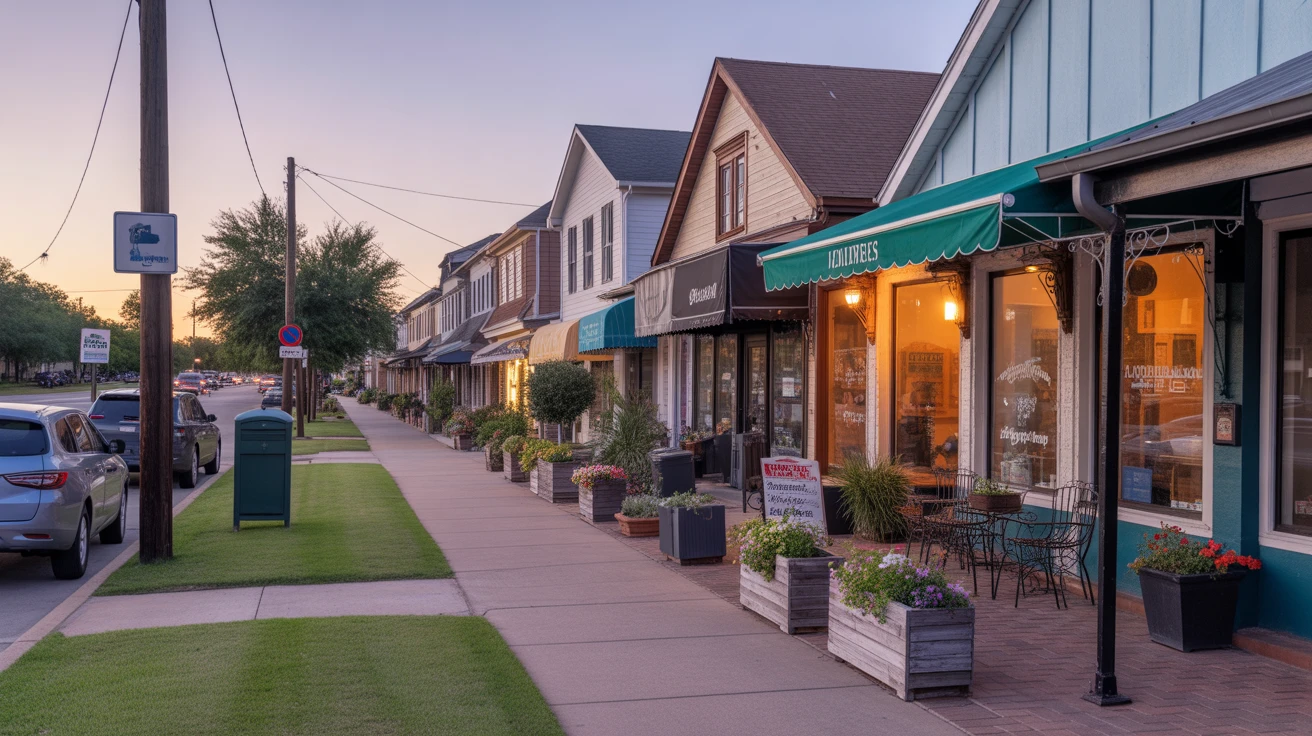
Property taxes, sales taxes, and recurring local fees form a significant part of the cost structure in both Carrollton and Irving, though specific rates and assessment practices vary by jurisdiction and housing type. Both cities rely heavily on property taxes to fund schools, infrastructure, and municipal services, which means homeowners carry the bulk of this obligation directly, while renters absorb it indirectly through lease pricing.
Carrollton’s higher median home value of $327,300 translates to higher assessed property tax obligations compared to Irving’s $259,500 median, even if the effective tax rate were identical. For homeowners, this means a larger annual tax bill, higher monthly escrow contributions, and greater exposure to reassessment cycles that can push taxes up as property values rise. Long-term residents who bought years ago may face significant tax increases as their homes appreciate, while new buyers enter with higher baseline obligations from day one. Renters in Carrollton don’t pay property taxes directly, but landlords pass those costs through in rent pricing, which contributes to the higher median gross rent of $1,555 per month.
Irving’s lower home values reduce baseline property tax exposure, making homeownership more accessible for households with tighter budgets or those prioritizing lower ongoing obligations. However, older housing stock and varied neighborhood conditions can lead to uneven tax assessments, with some properties carrying higher-than-expected obligations due to location, school district boundaries, or recent infrastructure improvements. Renters benefit from lower baseline rent, but the trade-off may include older buildings, fewer included amenities, and greater variability in maintenance quality.
Both cities impose sales taxes on goods and services, which affect all residents equally regardless of housing tenure. Everyday purchases—groceries, dining, household goods, and gas—carry the same sales tax burden in both cities, so the primary difference comes down to how much households spend rather than the rate itself. Households with higher incomes or larger families will feel sales tax pressure more acutely simply due to volume, but the structure doesn’t favor one city over the other.
Recurring fees—trash collection, water, sewer, and HOA dues—vary widely by neighborhood and housing type. Master-planned communities in Carrollton often bundle services into HOA fees that can range from modest to substantial, depending on amenities like pools, landscaping, and common area maintenance. These fees are predictable and typically disclosed upfront, but they add a fixed monthly cost that persists regardless of usage. Irving’s older neighborhoods may lack HOAs entirely, reducing monthly obligations but shifting responsibility for yard maintenance, exterior upkeep, and neighborhood amenities to individual homeowners. Renters in both cities should confirm which utilities are included in rent and whether any additional fees—parking, trash, pest control—apply.
Tax and fee takeaway: Homeowners sensitive to ongoing tax obligations and predictable monthly costs should weigh Carrollton’s higher property tax exposure against the benefits of newer housing and integrated amenities. Irving offers lower baseline tax obligations but may introduce variability in maintenance and upkeep costs. Renters in both cities should focus on total monthly obligations—rent plus fees—rather than headline rent alone, as included services and HOA-bundled amenities can shift the true cost comparison significantly.
Transportation & Commute Reality
Transportation costs and commute patterns in Carrollton and Irving look remarkably similar on paper, but the lived experience of getting around differs due to infrastructure density, transit access, and the friction costs of running errands by car. Both cities report average commute times in the low-to-mid twenties—24 minutes in Carrollton and 23 minutes in Irving—and both show low work-from-home rates (3.1% in Carrollton, 4.8% in Irving), indicating that most residents still commute daily. Long commute rates are also comparable, with 36.5% of Carrollton workers and 32.7% of Irving workers spending extended time on the road. Gas prices sit at $2.42/gallon in both cities, so fuel costs depend entirely on how much you drive rather than where you fill up.
The structural difference lies in how car dependence interacts with daily life. Carrollton benefits from rail transit access, which provides an alternative for commuters heading into Dallas or other metro destinations. While most households still rely on cars for daily errands, the presence of rail reduces the need for a second vehicle in some dual-income households and offers a fallback option during high-traffic periods or when parking costs make driving less practical. Walkable pockets and higher pedestrian infrastructure density mean some neighborhoods support short trips on foot—coffee runs, quick grocery stops, or school pickups—without requiring a car every time. This doesn’t eliminate car ownership, but it reduces the frequency of short, high-friction trips that add up over time.
Irving lacks the same transit infrastructure and walkability texture. Most trips—commuting, errands, school runs, and social activities—require a car, which increases baseline transportation costs through fuel, maintenance, insurance, and the need to own and operate multiple vehicles for multi-driver households. The absence of rail transit means commuters face greater exposure to traffic congestion, longer travel times during peak hours, and fewer alternatives when road conditions deteriorate. For single adults or couples with predictable commutes and flexible schedules, this may not matter much. For families managing multiple school drop-offs, extracurricular activities, and overlapping work schedules, the lack of transit options and walkable errands infrastructure increases both time costs and the logistical complexity of daily life.
Cycling infrastructure exists in limited pockets in Carrollton, offering some households the option to bike for short trips or recreational purposes, though it’s not a primary transportation mode for most residents. Irving’s cycling infrastructure is less developed, making biking a less practical option for daily errands or commuting. Both cities remain car-oriented overall, but Carrollton’s infrastructure provides more flexibility to reduce car dependence at the margins, while Irving requires full commitment to car ownership and operation for nearly all household transportation needs.
Transportation takeaway: Households with one car, those trying to avoid the cost of a second vehicle, or anyone who values the option to walk or take transit for some trips will find Carrollton’s infrastructure reduces transportation friction and offers more flexibility. Households comfortable with full car dependence, those with multiple drivers, or anyone prioritizing lower housing costs over transportation alternatives may find Irving’s car-oriented structure perfectly adequate and may not miss the transit or walkability options available in Carrollton.
Cost Structure Comparison
Housing pressure dominates the cost experience in both Carrollton and Irving, but the entry barrier and ongoing obligations differ substantially. Carrollton requires higher upfront capital for homeownership, larger monthly rent payments, and greater exposure to property taxes tied to assessed home values. Irving offers lower entry costs, reduced monthly housing obligations, and more accessible homeownership for households with tighter budgets or those prioritizing flexibility to absorb other expenses. The trade-off is that Carrollton’s higher housing costs often come with newer construction, integrated parks, and denser access to groceries and services, while Irving’s lower costs may require households to accept older housing stock, longer drives for errands, and greater reliance on cars for daily logistics.
Utilities introduce similar exposure in both cities due to identical electricity and natural gas rates, but the predictability of bills differs based on housing age and construction quality. Carrollton’s newer homes reduce cooling costs through better insulation and modern HVAC systems, making utility bills more predictable and less volatile during peak summer months. Irving’s older housing stock increases baseline energy consumption and introduces greater seasonal variability, requiring households to manage costs through behavioral adjustments, thermostat discipline, or efficiency upgrades. The rate structure is the same; the difference lies in how housing quality amplifies or dampens energy demand.
Daily living costs—groceries, dining, and convenience spending—reflect differences in access density rather than price levels. Carrollton’s broadly accessible grocery infrastructure reduces the time and friction costs of running errands, lowers the risk of convenience-spending creep, and makes it easier to compare prices across stores without adding significant travel time. Irving’s grocery access clusters along commercial corridors, requiring more planning, longer drives, and greater reliance on bulk shopping to avoid return trips. For families managing frequent grocery runs or households without cars, Carrollton’s access structure reduces both time costs and the temptation to overspend on takeout or delivery. For households comfortable with weekly bulk shopping and predictable routines, Irving’s structure works fine and may even reduce spontaneous spending.
Transportation patterns look similar on paper—both cities show comparable commute times and low work-from-home rates—but the lived experience differs due to infrastructure. Carrollton’s rail transit access, walkable pockets, and higher pedestrian density offer households more flexibility to reduce car dependence at the margins, avoid the cost of a second vehicle, or walk for short trips. Irving requires full car ownership and operation for nearly all transportation needs, increasing baseline costs through fuel, maintenance, insurance, and the logistical complexity of managing multiple vehicles in multi-driver households.
The decision between Carrollton and Irving isn’t about finding the cheaper option—it’s about identifying which cost structure aligns with your household’s priorities and sensitivities. Households sensitive to housing entry costs, monthly rent obligations, or property tax exposure may prefer Irving’s lower baseline. Households willing to carry higher housing costs in exchange for denser errands access, transit options, and newer construction may find Carrollton’s structure worth the premium. For families managing variable schedules, multiple drivers, or frequent grocery runs, the difference is less about price and more about how much time and friction it takes to get through the week.
How the Same Income Feels in Carrollton vs Irving
Single Adult
For a single adult, housing becomes the first non-negotiable cost, and the rent gap between Carrollton and Irving determines how much flexibility remains for everything else. In Carrollton, the higher baseline rent reduces the buffer for dining out, entertainment, or building savings, but denser grocery access and transit options can lower transportation costs and reduce the need for a car in some neighborhoods. In Irving, the lower rent obligation creates more breathing room for discretionary spending or emergency savings, but full car dependence and longer drives for errands introduce time costs and reduce schedule flexibility. The trade-off is between lower housing costs with higher transportation friction in Irving versus higher housing costs with more walkable convenience in Carrollton.
Dual-Income Couple
For a dual-income couple, the decision hinges on whether both partners need cars and how much time they spend managing errands. In Carrollton, higher rent or mortgage payments tighten the budget, but rail transit access and walkable errands infrastructure can reduce the need for a second vehicle, lower parking costs, and make it easier to consolidate trips. In Irving, lower housing costs free up income for other priorities, but both partners will likely need cars, and the lack of transit options increases baseline transportation costs and logistical complexity. Flexibility disappears faster in Irving if both partners commute during peak hours or if errands require multiple trips across town. Carrollton offers more predictability in daily logistics but demands higher upfront housing commitment.
Family with Kids
For families, housing costs compete directly with childcare, groceries, and the time costs of managing school runs, extracurriculars, and household logistics. In Carrollton, higher housing costs strain the budget, but integrated parks, broadly accessible groceries, and denser infrastructure reduce the friction of daily errands and make it easier to manage multiple schedules without constant car trips. In Irving, lower housing costs provide more financial flexibility, but the lack of walkable errands access, limited transit options, and greater car dependence increase both time costs and the logistical burden of coordinating multiple drivers. Families in Irving may save on housing but spend more on transportation and lose flexibility in how they structure their days. Families in Carrollton pay more upfront but gain predictability and reduced friction in managing the household’s weekly rhythm.
Decision Matrix: Which City Fits Which Household?
| Decision factor | If you’re sensitive to this… | Carrollton tends to fit when… | Irving tends to fit when… |
|---|---|---|---|
| Housing entry + space needs | You need lower upfront costs or reduced monthly obligations to preserve flexibility | You can carry higher housing costs in exchange for newer construction and integrated amenities | You prioritize lower entry barriers and baseline monthly obligations over housing age or infrastructure density |
| Transportation dependence + commute friction | You want to avoid the cost of a second car or need transit options for peak-hour commutes | You value rail access and walkable pockets that reduce car dependence at the margins | You’re comfortable with full car ownership and accept longer drives for errands as part of daily life |
| Utility variability + home size exposure | You want predictable bills and lower seasonal volatility during peak cooling months | You prioritize newer housing stock with better insulation and energy-efficient construction | You’re willing to manage older homes and accept higher summer exposure through behavioral adjustments |
| Grocery strategy + convenience spending creep | You make frequent grocery runs or need flexibility to compare prices without adding travel time | You value broadly accessible grocery infrastructure that reduces time costs and planning friction | You’re comfortable with weekly bulk shopping and predictable routines that minimize return trips |
| Fees + friction costs (HOA, services, upkeep) | You want predictable monthly costs with bundled services or prefer to avoid HOA obligations entirely | You accept HOA fees in exchange for maintained amenities and reduced individual upkeep responsibility | You prefer lower baseline fees and are willing to manage yard maintenance and exterior upkeep independently |
| Time budget (schedule flexibility, errands, logistics) | You manage multiple schedules or need to consolidate errands without constant car trips | You value denser infrastructure that reduces the time and friction costs of daily logistics | You have predictable routines and don’t mind longer drives or planning overhead for errands and activities |
Lifestyle Fit: How Daily Life Feels Different
Carrollton and Irving share the same North Texas climate, regional economy, and suburban character, but the texture of daily life differs due to infrastructure density, housing age, and the friction costs of managing errands and transportation. Carrollton’s integrated parks, rail transit access, and broadly accessible grocery infrastructure create a more walkable, errand-friendly environment in certain neighborhoods, making it easier to run quick trips on foot, consolidate errands without long drives, and reduce car dependence at the margins. Irving’s older housing stock, commercial corridor development, and car-oriented layout require more planning, longer drives, and full commitment to vehicle ownership for nearly all daily activities.
For families, Carrollton’s park density and playground infrastructure offer more options for outdoor recreation within walking distance, reducing the need to drive to green space and making it easier to manage kids’ schedules without constant car trips. Irving’s parks exist but are less evenly distributed, requiring more intentional planning to access outdoor amenities. Both cities offer schools, but Carrollton’s denser infrastructure and mixed-use development make it easier to combine school drop-offs with grocery runs or other errands, while Irving’s layout often requires separate trips for each activity.
Healthcare access is strong in both cities, with Carrollton offering hospital facilities and pharmacies that reduce the distance to urgent care or routine medical services. Irving’s healthcare infrastructure is adequate but may require longer drives depending on neighborhood and provider. For households managing chronic conditions, frequent medical appointments, or young children, proximity to hospitals and clinics can reduce both time costs and the stress of coordinating care.
Quick fact: Carrollton’s rail transit access provides a direct alternative to driving for commuters heading into Dallas, reducing parking costs and offering a fallback during high-traffic periods.
Quick fact: Irving’s lower housing costs and older neighborhoods attract households prioritizing affordability over infrastructure density, making it a practical choice for first-time buyers or renters with tighter budgets.
Frequently Asked Questions
Is Carrollton or Irving more affordable for renters in 2026?
Irving offers lower baseline rent, with a median gross rent of $1,423 per month compared to Carrollton’s $1,555 per month. The difference provides more breathing room for households managing tight budgets or trying to build savings, but Carrollton’s denser grocery access and transit options can reduce transportation costs and time spent on errands, which may offset some of the rent gap for households without cars or those prioritizing walkable convenience.
Which city has lower housing entry costs for first-time buyers comparing Carrollton and Irving in 2026?
Irving’s median home value of $259,500 creates a lower entry barrier than Carrollton’s $327,300 median, requiring less upfront capital for down payments, closing costs, and mortgage qualification. First-time buyers with limited savings or those prioritizing lower monthly obligations will find Irving more accessible, though Carrollton’s newer housing stock and integrated amenities may justify the higher cost for households willing to carry larger mortgage payments.
Do Carrollton and Irving have different utility costs in 2026?
Both cities share identical electricity rates (16.11¢/kWh) and natural gas prices ($30.71/MCF), so the rate structure is the same. The difference in utility exposure comes from housing age and construction quality: Carrollton’s newer homes reduce cooling costs through better insulation, while Irving’s older housing stock increases baseline energy consumption and seasonal volatility. Households in newer Carrollton homes will see more predictable bills; households in older Irving