
A $350 electric bill in August isn’t unusual in Allen—and for many households, it’s the single largest swing in monthly expenses all year. Understanding how utility costs behave in Allen means recognizing that climate, not just rates, drives what you’ll actually pay.
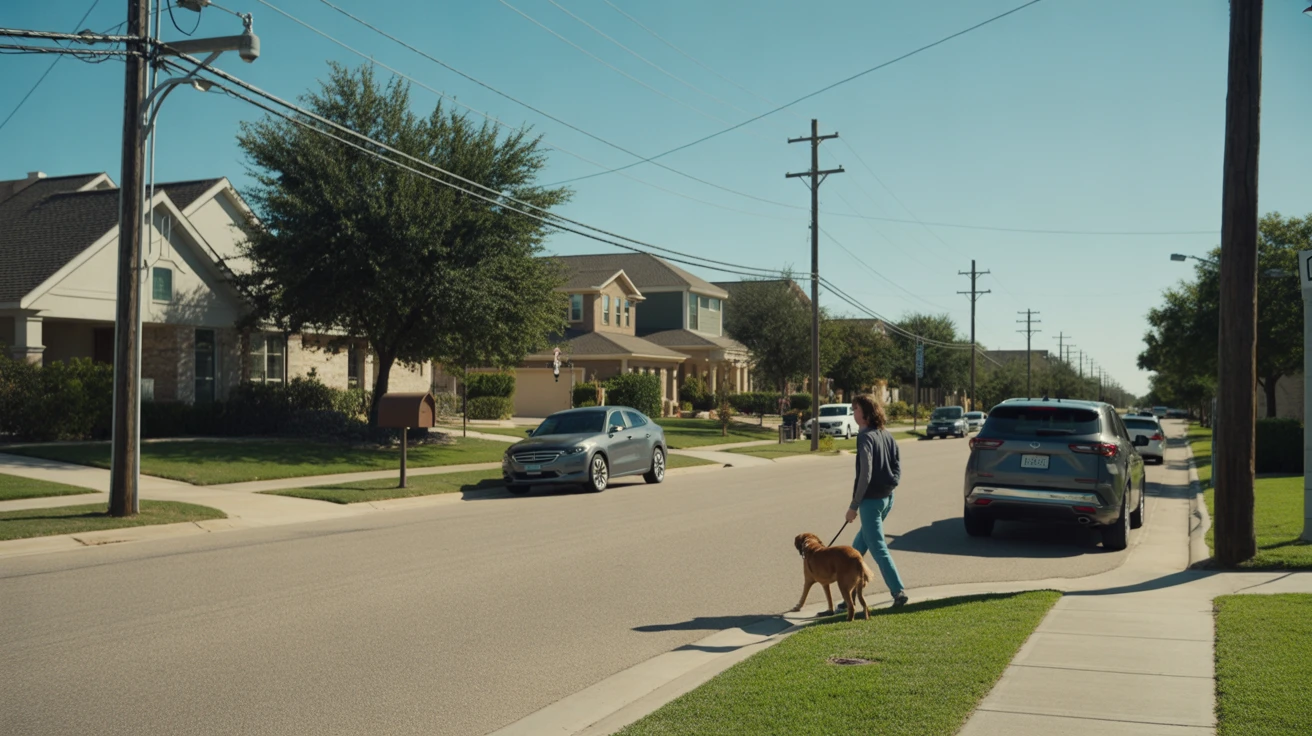
Understanding Utilities in Allen
Utility expenses in Allen reflect the realities of North Texas living: extended cooling seasons, moderate winter heating needs, and usage-sensitive billing structures that reward efficiency and punish waste. For most households, utilities rank as the second-largest fixed expense after housing, and unlike rent or a mortgage, they fluctuate month to month based on weather, occupancy, and behavior.
Core utilities typically include electricity, water, natural gas, and trash collection. In single-family homes, residents usually manage all four directly. In apartments and some townhomes, water and trash may be bundled into rent or covered by HOA fees, simplifying billing but reducing visibility into actual consumption. New movers often underestimate how much seasonal swings—particularly summer cooling—can reshape a household budget in Allen.
Because Allen sits in a region with triple-digit summer heat and mild but occasionally freezing winters, the gap between your lowest and highest utility month can easily exceed $200. That variability makes planning essential, especially for households transitioning from climates with less extreme seasonal exposure.
Utilities at a Glance in Allen
The table below shows how core utility costs typically behave for a mid-size household in a single-family home in Allen. Where city-level prices are available in the data feed, they are shown directly. When exact figures are not provided, categories are described qualitatively to reflect how costs are structured and what drives variability.
| Utility | Cost Structure in Allen |
|---|---|
| Electricity | 16.11¢/kWh; illustrative monthly cost ~$161 for 1,000 kWh usage (before fees/taxes) |
| Water | Tiered pricing; usage-dependent |
| Natural Gas | $30.71/MCF; winter-driven, heating-dependent |
| Trash & Recycling | Often bundled with water or HOA fees |
| Total | Seasonal variability driven by electricity and heating |
This table reflects utility cost structure for a mid-size household in a single-family home in Allen during 2026. Where exact figures are not provided in the IndexYard data feed, categories are described directionally to reflect how costs behave rather than a receipt-accurate total.
Electricity is typically the most exposure-sensitive utility in Allen, driven more by climate and home efficiency than by base rates. During peak summer months, air conditioning can push usage well above 1,000 kWh, particularly in older homes with minimal insulation or single-pane windows. The rate itself—16.11¢ per kilowatt-hour—is competitive within Texas, but total bills depend heavily on how much cooling your home requires and how well it retains conditioned air.
Water costs in Allen follow tiered pricing structures, meaning the more you use, the higher your per-unit rate climbs. Households with irrigation systems, pools, or large lawns face steeper bills during dry months. Many neighborhoods bundle water and trash collection into a single municipal or HOA charge, which can simplify budgeting but obscure individual consumption patterns.
Natural gas in Allen is priced at $30.71 per thousand cubic feet (MCF) and primarily affects winter heating bills. Most homes use gas for furnaces, water heaters, and occasionally stoves or dryers. Because Allen’s winters are relatively mild compared to northern states, gas bills remain modest except during occasional cold snaps that push furnace usage higher for several days at a time.
Trash and recycling services are often bundled with water bills or included in HOA fees, particularly in newer subdivisions. Standalone trash service, where applicable, tends to be a minor line item—predictable and stable month to month, unlike electricity or water.
How Weather Impacts Utilities in Allen
Allen’s climate imposes a clear seasonal rhythm on utility expenses. Summer dominates the annual cost curve, with extended stretches of triple-digit heat driving air conditioning systems to run nearly continuously from June through September. Humidity compounds the cooling load, as systems work harder to remove moisture from indoor air. Many Allen households experience noticeably higher electric bills during peak summer compared to spring, often doubling or tripling baseline usage.
Winter brings moderate heating needs, primarily fueled by natural gas. Cold snaps—though infrequent—can spike gas consumption for a few days, but overall heating costs remain far below summer cooling exposure. Homes with electric heat pumps or baseboard heating face higher winter electricity bills instead, though this is less common in Allen’s housing stock.
Spring and fall offer the most predictable utility costs, with mild temperatures reducing both heating and cooling demand. These shoulder seasons provide a useful baseline for understanding what your home costs to operate when climate isn’t forcing systems to work overtime. One regional quirk: late-spring storms can temporarily raise humidity and indoor moisture levels, prompting earlier-than-expected AC use even before temperatures peak.
How to Save on Utilities in Allen
Reducing utility costs in Allen starts with controlling the largest variable: electricity. Because cooling dominates summer bills, investments in home efficiency—insulation upgrades, attic ventilation, window treatments—deliver the most meaningful reductions. Programmable or smart thermostats allow households to raise temperatures during unoccupied hours without sacrificing comfort, cutting runtime and usage.
Many Texas electricity providers offer time-of-use or demand-response programs that reward shifting usage away from peak afternoon hours. Running dishwashers, laundry, and pool pumps overnight or early morning can lower per-kilowatt-hour costs under these plans. Solar panel adoption is growing in Allen, supported by federal tax credits and occasional state or utility rebates, though upfront costs remain significant.
Water conservation strategies—low-flow fixtures, drought-tolerant landscaping, drip irrigation—help manage tiered pricing and reduce both water and electricity bills (since less outdoor watering means less strain on municipal pumping systems). Trash costs are generally fixed, but households can sometimes downsize bins or reduce pickup frequency if waste volumes are low.
🏆 Tip: Check if your provider in Allen offers rebates for energy-efficient AC units or heating systems. Replacing an aging HVAC system can lower summer bills significantly while improving indoor comfort and air quality.
FAQs About Utility Costs in Allen
Why are utility bills so high in Allen during summer? Extended cooling seasons and triple-digit heat push air conditioning systems to run nearly nonstop from June through September, often doubling or tripling electricity usage compared to milder months. Humidity adds to the load, as systems must remove moisture in addition to lowering temperature.
Do HOAs in Allen usually include trash or water in their fees? Many newer subdivisions and townhome communities bundle trash and sometimes water into HOA dues, simplifying billing but reducing transparency into individual usage. Older single-family neighborhoods more commonly bill water and trash separately through the city or a municipal utility district.
How much should a family of four budget for utilities in Allen each month? Seasonal variability makes monthly averages less useful than planning for peaks. Expect electricity to dominate in summer, with total utility costs rising significantly during cooling season. Shoulder months (spring and fall) offer a more stable baseline, while winter adds moderate natural gas heating expenses.
Does Allen offer incentives for solar panels or energy-efficient appliances? Federal tax credits remain the primary incentive for solar installations, though some Texas utilities and municipalities periodically offer rebates for high-efficiency HVAC systems, water heaters, and appliances. Availability varies by provider and program funding, so checking with your specific utility is essential.
Are utilities in Allen generally cheaper or more expensive than the state average? Allen’s electricity rate of 16.11¢ per kilowatt-hour is competitive within Texas, where deregulated markets allow consumers to shop for providers. Natural gas pricing at $30.71 per MCF aligns with regional norms. Total costs depend more on usage intensity—driven by climate and home efficiency—than on base rates.
How Utilities Fit Into the Cost Structure in Allen
Utilities in Allen function as a volatility driver rather than a fixed expense. Unlike housing costs, which remain stable month to month, utility bills swing with weather, occupancy, and behavior. Electricity dominates seasonal peaks, natural gas adds moderate winter exposure, and water costs scale with outdoor irrigation and household size. Trash remains the most predictable component, typically bundled or billed at a flat rate.
For households evaluating what shapes the cost of living in Allen, utilities represent a controllable but unavoidable expense. Efficiency investments—insulation, HVAC upgrades, smart thermostats—reduce exposure over time, but climate and home size set a baseline that’s difficult to escape. Renters face less control, as landlords determine appliance quality and insulation standards, though behavior still influences usage.
Understanding how utilities interact with other expenses—particularly housing and transportation—helps households allocate budgets more effectively. A home with lower rent but poor insulation may cost more overall than a slightly pricier unit with modern windows and efficient HVAC. Similarly, Allen’s high grocery and food establishment density means residents can consolidate errands locally, reducing vehicle use and indirectly lowering transportation-related energy costs during milder months when walking or biking becomes viable.
For a fuller picture of how utilities fit alongside housing, groceries, and transportation, explore your monthly budget in Allen to see where costs concentrate and how seasonal swings reshape household cash flow throughout the year.
How this article was built: In addition to public economic data, this article incorporates location-based experiential signals derived from anonymized geographic patterns—such as access density, walkability, and land-use mix—to reflect how day-to-day living actually feels in Allen, TX.
—